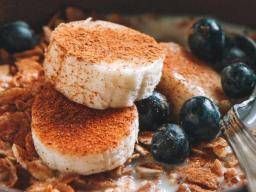
Cinnamon powder is the tiny brown sprinkle that somehow makes oatmeal feel expensive, coffee feel cozy, and toast feel like it has its life together. But beyond its bakery-level charm, cinnamon has earned a serious reputation in wellness circles. People talk about cinnamon for blood sugar, inflammation, cholesterol, digestion, and even weight management. That is a lot of responsibility for something we usually shake from a jar while half-awake.
The truth is delicious but nuanced: cinnamon powder can be a smart, flavorful part of a healthy diet, but it is not a miracle cure, a replacement for medication, or a spice you should consume by the tablespoon. Used wisely, it can help you reduce added sugar, add antioxidant-rich plant compounds to meals, and bring warmth to everyday foods. Used recklessly, especially in supplement form or in large amounts of cassia cinnamon, it may create safety concerns.
This guide explains the real benefits, possible risks, and practical tips for using cinnamon powder safely. No fairy dust. No kitchen witchcraft. Just grounded, useful information with a sprinkle of flavor.
What Is Cinnamon Powder?
Cinnamon powder is made from the dried inner bark of trees in the Cinnamomum family. Once harvested, the bark curls into sticks, also called quills, and can be ground into the fine powder most people keep in their spice cabinet.
Cassia Cinnamon vs. Ceylon Cinnamon
Most supermarket cinnamon in the United States is cassia cinnamon. It has a bold, sweet-spicy flavor and is usually affordable. Ceylon cinnamon, often called “true cinnamon,” has a lighter, more delicate flavor and typically contains much less coumarin, a natural compound that can be risky in high amounts for some people.
That does not mean cassia cinnamon is automatically bad. A normal sprinkle on food is generally fine for most healthy adults. The concern comes from frequent high intake, especially when people use large spoonfuls daily or take concentrated cinnamon supplements without medical guidance.
Cinnamon Powder Nutrition: Small Amount, Big Personality
Cinnamon is not eaten in large enough portions to count as a major source of calories, protein, or fat. One teaspoon of ground cinnamon has only a few calories, yet it provides small amounts of fiber, calcium, iron, and manganese. Its real nutrition story comes from plant compounds such as cinnamaldehyde, polyphenols, and other antioxidant substances.
Think of cinnamon as a supporting actor, not the main character. It will not replace vegetables, whole grains, protein, sleep, or exercise. But it can make healthy foods taste better, and that matters. If cinnamon helps you enjoy plain yogurt instead of sugary dessert yogurt, that tiny spoonful just did something useful.
Potential Benefits of Cinnamon Powder
1. Cinnamon May Help Reduce Added Sugar
One of cinnamon powder’s most practical benefits is simple: it makes food taste sweeter without adding sugar. A dash of cinnamon in oatmeal, smoothies, apples, coffee, chia pudding, or roasted sweet potatoes can help create a naturally sweet impression.
This does not mean cinnamon lowers sugar in the food itself. It simply adds aroma and flavor that can make less-sweet foods more satisfying. For people trying to reduce added sugar, cinnamon is a clever flavor tool. Your taste buds get cozy. Your sugar jar gets a break.
2. Cinnamon Contains Antioxidant Compounds
Cinnamon contains antioxidants, including polyphenols, which help the body manage oxidative stress. Oxidative stress happens when free radicals outnumber the body’s protective systems. Over time, that imbalance may contribute to inflammation and chronic disease risk.
Adding cinnamon to meals will not turn breakfast into a superhero shield, but it can contribute to an overall antioxidant-rich eating pattern. The best approach is variety: cinnamon, berries, leafy greens, nuts, beans, tea, herbs, and colorful vegetables all bring different protective compounds to the table.
3. Cinnamon May Have Anti-Inflammatory Properties
Lab and nutrition research suggests cinnamon’s natural compounds may have anti-inflammatory activity. This is one reason cinnamon often appears in discussions about heart health, metabolic health, and healthy aging.
However, anti-inflammatory does not mean “eat cinnamon and ignore everything else.” Real inflammation support comes from the boring-but-powerful basics: a balanced diet, regular movement, enough sleep, not smoking, stress management, and appropriate medical care. Cinnamon can join the team, but it should not be made captain.
4. Cinnamon and Blood Sugar: Promising, but Not Proven as Treatment
Cinnamon powder is often promoted for blood sugar control, especially for people with type 2 diabetes or prediabetes. Some studies have found modest improvements in fasting blood glucose or insulin sensitivity. Other studies have found little or no clear benefit. The results are mixed, and experts generally do not recommend cinnamon as a replacement for diabetes medication, nutrition planning, or medical care.
The most realistic view is this: cinnamon may be helpful as part of a healthy eating pattern, but it is not a dependable treatment. If you have diabetes, take insulin, use metformin, or monitor blood sugar closely, speak with a healthcare professional before taking cinnamon supplements or making major changes to your intake.
5. Cinnamon May Support Heart-Healthy Habits
Some research has explored cinnamon’s possible effects on cholesterol, triglycerides, and blood pressure. Results vary, and many studies are small or use cinnamon supplements rather than normal culinary amounts. Still, cinnamon can support heart-smart eating in an indirect but useful way.
For example, cinnamon can make high-fiber foods more appealing. Sprinkle it on oats with walnuts, add it to unsweetened yogurt with berries, or stir it into a smoothie with ground flaxseed. In those cases, the whole meal supports heart health, and cinnamon helps make it taste like something you actually want to eat.
6. Cinnamon Can Make Healthy Meals More Enjoyable
This benefit sounds humble, but it is powerful. A healthy diet fails quickly when it tastes like cardboard with motivational quotes. Cinnamon adds warmth, depth, and comfort to simple foods. It works in breakfast bowls, fruit, soups, stews, roasted vegetables, marinades, and even chili.
When nutritious meals are enjoyable, people are more likely to stick with them. Cinnamon is not just a spice; it is a tiny flavor negotiator between your health goals and your cravings.
Risks and Side Effects of Cinnamon Powder
1. Too Much Cassia Cinnamon Can Mean Too Much Coumarin
Cassia cinnamon contains more coumarin than Ceylon cinnamon. Coumarin is a natural compound that may affect the liver when consumed in high amounts over time. Most people do not need to worry about a light sprinkle on food. The concern is regular large doses, especially from supplements or heavy daily use.
People with liver disease, a history of liver problems, or those taking medications that affect the liver should be especially cautious. For frequent use, Ceylon cinnamon may be a better choice because it is typically much lower in coumarin.
2. Cinnamon Supplements Are Not the Same as Cinnamon in Food
There is a big difference between adding cinnamon to oatmeal and swallowing concentrated capsules. Supplements may deliver larger doses, and quality can vary by brand. Some may contain cassia cinnamon, high coumarin levels, or contaminants. Unlike a spoonful used in cooking, supplements can push intake into a range where interactions and side effects become more relevant.
If you are considering cinnamon capsules for blood sugar, cholesterol, or weight loss, talk with a healthcare professional first. This is especially important if you are pregnant, managing diabetes, taking blood thinners, using liver-metabolized medications, or giving supplements to a child.
3. Possible Medication Interactions
Cinnamon may interact with certain medications, especially when taken in concentrated supplement form. Potential concerns include diabetes medications, blood thinners, liver-affecting drugs, and some drugs processed by liver enzymes. In practical terms, a dusting of cinnamon on toast is unlikely to cause a dramatic issue for most people, but high-dose supplements deserve caution.
If your medication list is longer than your grocery receipt, do not add cinnamon supplements without asking your clinician or pharmacist. Spices are natural, yes. So are thunderstorms.
4. Lead Contamination Has Been Found in Some Ground Cinnamon Products
Recent FDA alerts have identified elevated lead levels in certain ground cinnamon products. Lead exposure is especially concerning for infants, young children, and pregnant people because it can affect development and health. The risk is not that every cinnamon jar is unsafe, but that consumers should pay attention to recalls, buy from reputable brands, and avoid using products listed in public health alerts.
For families with young children, cinnamon should be used in normal food amounts, not as a daily high-dose “health booster.” Check your spice cabinet occasionally, especially if you buy discount spices or imported brands from stores with limited quality information.
5. Cinnamon Powder Should Never Be Inhaled
Cinnamon powder is meant for food, not lungs. Inhaling dry cinnamon can irritate the airways and may cause coughing, choking, or breathing problems. Avoid any trend, challenge, or joke that involves eating dry spoonfuls of cinnamon. Your lungs did not sign up for dessert seasoning.
6. Allergic Reactions and Mouth Irritation
Some people are sensitive to cinnamon or cinnamaldehyde, one of its main flavor compounds. Possible reactions include mouth irritation, sores, burning sensations, rash, or digestive discomfort. Cinnamon-flavored gum, candies, mouthwash, and dental products may also trigger symptoms in sensitive people.
If cinnamon repeatedly causes irritation, stop using it and consider asking a healthcare professional or dentist for advice.
How Much Cinnamon Powder Is Safe?
There is no perfect one-size-fits-all serving because safety depends on the type of cinnamon, your health status, medications, age, and how often you use it. For most healthy adults, small culinary amounts such as a pinch to half a teaspoon in food are generally considered reasonable. If you use cinnamon every day or in larger quantities, choosing Ceylon cinnamon may reduce coumarin exposure.
For children, pregnant people, people with liver disease, and anyone taking medication, it is wise to keep cinnamon use moderate and avoid supplements unless a healthcare professional approves.
Best Ways to Use Cinnamon Powder
Add It to Breakfast
Cinnamon works beautifully in oatmeal, overnight oats, whole-grain pancakes, chia pudding, smoothies, and unsweetened yogurt. Pair it with apples, bananas, pears, berries, pumpkin, nuts, or peanut butter for a naturally sweet flavor.
Use It in Coffee or Tea
A pinch of cinnamon in coffee grounds, brewed coffee, black tea, chai, or herbal tea can add warmth without sugar. Start small because cinnamon can clump in liquids. Stirring it into milk or a small amount of warm water first can help it blend better.
Try It in Savory Dishes
Cinnamon is not only for cookies. It appears in many savory cuisines and works well in chili, lentil soup, Moroccan-style stews, roasted carrots, sweet potatoes, rice dishes, and spice rubs for meats or plant-based proteins. Use a light hand. You want warmth, not pumpkin pie confusion.
Pair Cinnamon With Fiber-Rich Foods
For better blood sugar support, pair cinnamon with foods that already help slow digestion, such as oats, beans, lentils, nuts, seeds, and whole fruit. Cinnamon alone is not a blood sugar strategy. Cinnamon plus a balanced, fiber-rich meal is much more useful.
Buying and Storing Cinnamon Powder
When shopping, look for clear labeling. If you want lower coumarin, choose products labeled Ceylon cinnamon or Cinnamomum verum. If the label only says “cinnamon,” it is often cassia, though not always. Buy from brands with good quality control, especially if you use cinnamon frequently.
Store cinnamon powder in a sealed container away from heat, light, and moisture. A cool, dark cabinet is better than the shelf above the stove. Ground cinnamon gradually loses aroma, so replace it when it smells flat or dusty. If your cinnamon has no fragrance, it has probably retired.
Who Should Be Careful With Cinnamon Powder?
Most people can enjoy cinnamon in normal food amounts. However, certain groups should be more cautious: people with liver disease, people taking blood thinners, people using diabetes medication, pregnant people considering supplements, children, and anyone with known cinnamon sensitivity. People using multiple prescription medications should also ask a clinician before using concentrated cinnamon products.
The rule is simple: cinnamon in cooking is usually food; cinnamon in capsules is closer to a supplement decision. Treat those categories differently.
Common Myths About Cinnamon Powder
Myth 1: Cinnamon Cures Diabetes
Cinnamon does not cure diabetes. Research is mixed, and any benefit appears modest. Diabetes care should be based on medical guidance, nutrition, activity, monitoring, and prescribed treatment when needed.
Myth 2: More Cinnamon Means More Benefits
More is not always better. Large amounts of cassia cinnamon can increase coumarin exposure, and supplements can raise interaction concerns. A little cinnamon can be smart. A cinnamon avalanche is not a health plan.
Myth 3: Ceylon and Cassia Are Exactly the Same
Both are cinnamon, but they differ in flavor, price, and coumarin content. Ceylon is often milder and lower in coumarin, while cassia is stronger, common, and usually less expensive.
Practical Cinnamon Powder Tips for Everyday Life
Start with small amounts. A pinch can transform coffee, fruit, or oatmeal without overpowering the dish. Combine cinnamon with protein and fiber instead of sprinkling it on sugary foods and expecting magic. Choose Ceylon cinnamon if you use it daily. Avoid dry spoonfuls. Check FDA recall updates if you are concerned about lead contamination. Keep supplements separate from casual cooking decisions and discuss them with a healthcare professional.
Most importantly, use cinnamon because you enjoy it. Health habits are easier to maintain when they taste good. Cinnamon brings comfort, aroma, and flexibility to meals, which makes it a valuable spice even without exaggerated claims.
Experience-Based Notes: Living With Cinnamon in the Real Kitchen
In everyday cooking, cinnamon powder is one of those ingredients that quietly saves boring food from becoming a personal crisis. Plain oatmeal can feel like a punishment from the breakfast committee, but add cinnamon, sliced banana, walnuts, and a splash of milk, and suddenly it tastes intentional. The same thing happens with Greek yogurt. Unsweetened yogurt can be sharp on its own, but cinnamon plus berries makes it feel more balanced without needing a heavy pour of honey.
One practical lesson is that cinnamon works best when it is layered with other flavors. With apples, it tastes classic. With cocoa, it becomes deeper and warmer. With coffee, it adds a café-style aroma. With roasted sweet potatoes, it brings out natural sweetness. With chili, it adds quiet background warmth that makes people ask, “What did you put in this?” in the best possible way.
Another useful experience: cinnamon powder can clump when stirred directly into cold liquids. If you have ever added cinnamon to iced coffee and watched it float like tiny brown life rafts, you know the struggle. A better method is to mix cinnamon with a small amount of warm liquid first, or blend it into smoothies where the blender does the hard work. For coffee, adding cinnamon to the grounds before brewing can produce a smoother flavor than dumping it into the cup afterward.
Cinnamon also teaches moderation. A tiny pinch tastes cozy. A full tablespoon can make food taste like a scented candle. The goal is warmth, not spice domination. In baking, too much cinnamon can dry out the flavor and cover up vanilla, fruit, butter, or chocolate. In savory dishes, too much can make dinner taste accidentally festive. Start small, taste, then adjust.
For families, cinnamon can be a helpful bridge toward healthier snacks. Apple slices with cinnamon, whole-grain toast with nut butter and cinnamon, or warm milk with a pinch of cinnamon can feel comforting without relying heavily on added sugar. It is especially useful during colder months when people crave sweet, warm foods. Cinnamon gives that dessert-like feeling while still fitting into a balanced eating pattern.
Storage matters more than people think. Fresh cinnamon smells sweet, woody, and warm the second you open the jar. Old cinnamon smells like a forgotten cabinet. If a recipe tastes flat even though you added cinnamon, the spice may be past its prime. Buying smaller containers can be smarter than buying a giant bargain jar that takes five years to finish.
The biggest real-life tip is to treat cinnamon powder as a flavor habit, not a medical shortcut. Add it to foods you already want to improve. Use it to make nutritious meals more enjoyable. Respect the safety concerns around heavy intake, supplements, coumarin, and contaminated products. Cinnamon is wonderful in the kitchen, but like many wonderful things, it works best when it is not asked to do everything.
Conclusion
Cinnamon powder is flavorful, affordable, and surprisingly versatile. It may offer antioxidant and anti-inflammatory compounds, help reduce reliance on added sugar, and support healthier meals by making simple foods taste better. Some research suggests possible benefits for blood sugar and heart-health markers, but the evidence is mixed, and cinnamon should never replace medical treatment.
The smartest approach is moderate use. Sprinkle it on whole foods, choose Ceylon cinnamon if you use it often, be cautious with supplements, and check product safety alerts when needed. Cinnamon is not a miracle cure, but it is a wonderful kitchen ally. Used wisely, it can make healthy eating warmer, easier, and a lot more delicious.