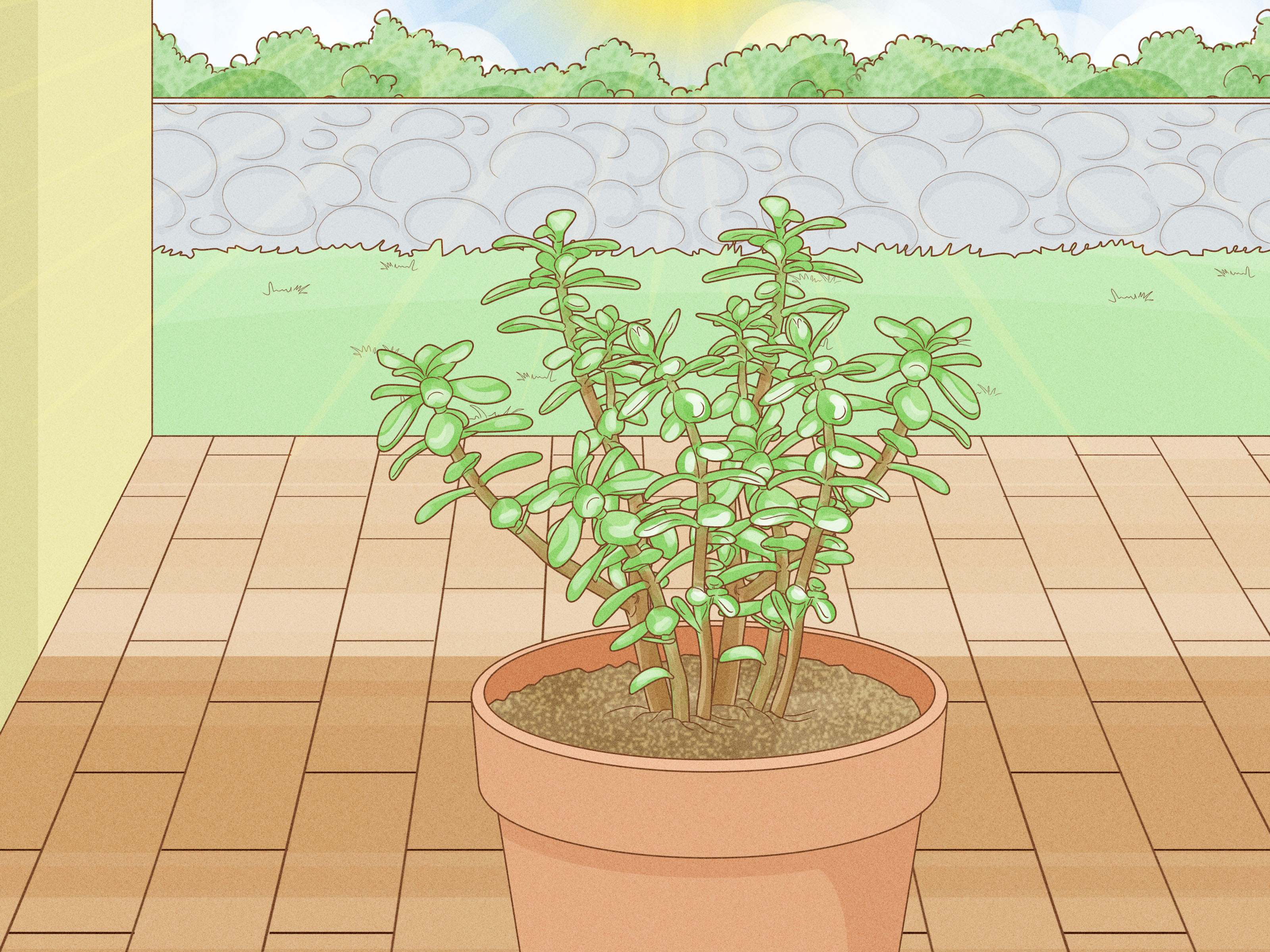
A jade plant is the kind of houseplant that looks calm, confident, and financially responsibleeven when it has been sitting in the same pot since the last time flip phones were exciting. With thick oval leaves, sturdy woody stems, and a reputation for tolerating occasional neglect, Crassula ovata is one of the most forgiving succulents you can grow indoors. But even this low-drama plant eventually needs a little moving day.
Transplanting a jade plant may sound intimidating because jades can be heavy, brittle, and surprisingly opinionated about wet soil. The good news is that transplanting is not complicated once you understand what the plant wants: a stable pot, fast-draining soil, gentle handling, bright light, and a watering can that knows when to stay quiet. Whether your jade is root-bound, top-heavy, recovering from soggy soil, or ready to produce baby jade plants from cuttings, there are three practical ways to transplant it successfully.
This guide explains 3 ways to transplant a jade plant: standard repotting, rescue transplanting, and transplanting propagated cuttings. You will learn when to move your plant, what soil to use, how large the new pot should be, and how to help your jade settle in without throwing a leafy tantrum on your windowsill.
Understanding Jade Plant Transplanting Before You Begin
Before grabbing a pot and declaring yourself a succulent surgeon, it helps to understand how jade plants grow. Jade plants store water in their leaves, stems, and roots. That built-in water tank is why they can handle dry spells better than many tropical houseplants. It is also why they dislike sitting in damp, dense soil. When jade roots stay wet for too long, root rot can move in like an uninvited guest who brought luggage.
Unlike some houseplants that sulk when their roots get crowded, jade plants can tolerate being somewhat root-bound. In fact, a slightly snug pot can help a mature jade remain compact and stable. Transplanting is usually needed only every two to three years, or sooner if the plant has become top-heavy, the soil has broken down, roots are circling tightly, water runs straight through the pot, or the plant shows signs of stress after overwatering.
Best Time to Transplant a Jade Plant
The best time to transplant a jade plant is in spring or early summer, when new growth is beginning and the plant has enough light and warmth to recover. Avoid repotting during the darkest part of winter unless the plant is in trouble. A healthy jade moved during active growth usually adjusts faster, produces new roots more readily, and forgives small mistakes with more grace.
Tools and Supplies You Will Need
- A pot with drainage holes
- Fast-draining cactus or succulent potting mix
- Perlite, pumice, coarse sand, or small grit if improving a regular potting mix
- Clean pruning shears or scissors
- Gloves, especially for large plants
- A chopstick, pencil, or small trowel for loosening soil
- Newspaper or a tray to catch spilled soil
The most important supply is the right soil. A jade plant needs a gritty, airy mix that drains quickly. A commercial cactus or succulent mix is usually a good starting point. If the mix feels too fluffy or peat-heavy, add perlite, pumice, or coarse sand to improve drainage. Regular garden soil is not a good choice for indoor jade plants because it can compact, hold too much moisture, and introduce pests or disease.
Way 1: Repot a Healthy Jade Plant Into a Slightly Larger Pot
This is the classic method for transplanting a jade plant. Use it when your jade is healthy but has outgrown its current container, tips over easily, dries out too quickly, or has been in the same soil for several years. Think of this as upgrading from a studio apartment to a slightly roomier onenot moving into a mansion with an indoor fountain.
Step 1: Choose the Right Pot Size
Pick a new pot only one to two inches wider than the current pot. Going too large is one of the most common jade transplanting mistakes. A giant pot holds extra soil, extra soil holds extra moisture, and extra moisture is where jade roots start writing complaint letters.
For mature jade plants, choose a heavy pot, such as terracotta, ceramic, or another stable container. Jade plants can develop thick trunks and heavy branches, so a lightweight plastic pot may tip over. Unglazed terracotta is especially useful because it allows moisture to evaporate through the sides, helping the soil dry more evenly.
Step 2: Let the Soil Dry Before Transplanting
Transplanting is easier when the soil is dry or barely moist. Wet soil clings to roots and increases the risk of breakage. Let the plant go several days without water before repotting. The leaves should still look firm, not wrinkled. You are aiming for “dry enough to handle,” not “desert documentary.”
Step 3: Remove the Jade Plant Gently
Turn the pot on its side and support the plant at the base of the trunk. Tap the sides of the container to loosen the root ball. If the plant refuses to budge, slide a clean tool around the inside edge of the pot. Avoid pulling hard on branches because jade stems snap more easily than they look. A mature jade may look like a tiny tree, but some branches have the emotional strength of a breadstick.
Step 4: Inspect the Roots
Healthy jade roots are usually firm and pale. Remove loose, exhausted soil from the outer root ball, but do not panic if you cannot remove every bit. Trim any dead, mushy, blackened, or foul-smelling roots with clean shears. If the roots are circling tightly, gently tease them apart with your fingers. A little root disturbance is fine; aggressive root wrestling is not.
Step 5: Set the Plant at the Same Depth
Add fresh succulent mix to the bottom of the new pot, then place the jade plant so the top of the root ball sits at roughly the same depth it had before. Do not bury the trunk deeper than it was growing. Fill around the sides with fresh mix and lightly firm it in place. The goal is support, not concrete.
Step 6: Wait Before Watering
After repotting, wait several days before watering, especially if you trimmed roots. This pause gives small root injuries time to dry and reduces the chance of rot. When you do water, water thoroughly until moisture drains from the bottom, then empty the saucer. After that, let the soil dry well before watering again.
Way 2: Rescue Transplant a Jade Plant With Root Rot or Bad Soil
Sometimes transplanting is not about giving your jade more room. Sometimes it is plant triage. If your jade plant has yellowing leaves, mushy stems, black roots, a sour smell, or soil that stays wet for days, it may need a rescue transplant. This method is for jade plants suffering from overwatering, poor drainage, compacted soil, or a container without proper drainage holes.
Step 1: Remove the Plant Immediately
If root rot is suspected, do not wait for the “perfect season.” Remove the jade from its pot and shake away as much wet soil as possible. Old soggy soil can cling to diseased roots, so be thorough but gentle. If the plant is large, lay it on newspaper or a towel to prevent broken branches.
Step 2: Trim Damaged Roots and Stems
Use clean pruning shears to cut away mushy, black, or rotten roots. If any lower stems are soft or collapsing, prune back to firm, healthy tissue. Sterilize your tools before and after cutting diseased material. If a large section of the plant is affected, save healthy stems as cuttings. Jade plants are remarkably good at starting over, which is inspiring and slightly smug.
Step 3: Let the Roots Dry Briefly
Place the plant in a shaded, airy spot for several hours or overnight so cut areas can dry slightly. This is especially helpful if you removed rot. Do not leave the plant baking in direct sun while bare-rooted. Bright shade is enough.
Step 4: Use a Clean Pot and Fresh Dry Mix
Never reuse soggy, contaminated soil for a rescue transplant. Choose a clean pot with drainage holes and fill it with dry or barely damp succulent mix. If the old pot had drainage problems, replace it. A pretty pot without drainage may look stylish, but for jade plants it is basically a bathtub with branding.
Step 5: Replant and Hold Back on Water
Set the plant in fresh mix, stabilize it, and wait before watering. If the roots were heavily trimmed, hold water for about a week. Then water lightly at first. Resume normal watering only when the plant looks stable and the soil dries properly between waterings.
Step 6: Adjust the Care Routine
Rescue transplanting will not help if the old habits continue. Place the jade in bright light, use a pot that drains, and water only when the soil has dried significantly. During winter, water even less because the plant grows more slowly. If leaves wrinkle, the plant may need water. If leaves turn mushy or translucent, the plant is likely getting too much.
Way 3: Transplant Jade Plant Cuttings Into New Pots
The third way to transplant a jade plant is by moving rooted cuttings into their own containers. This is perfect when your jade has grown too tall, lost a branch, or needs pruning. Instead of tossing healthy cuttings, you can turn them into new plants. Congratulations: you are now running a tiny jade nursery.
Stem Cuttings: The Fastest Option
Stem cuttings are the easiest and quickest way to propagate jade plants. Choose a healthy stem three to five inches long with several leaves. Cut it cleanly and remove the lowest leaves so you have a bare section of stem to place in soil. Let the cutting sit in a dry, shaded place for a few days until the cut end forms a callus. This step is important because fresh succulent cuts can rot if planted immediately in moist soil.
Once callused, insert the cutting into a small pot filled with dry or barely damp succulent mix. Do not soak it right away. Place the pot in bright, indirect light. After a week or so, begin watering lightly when the mix is dry. Roots usually form gradually, and new growth is a good sign that the cutting has settled in.
Leaf Cuttings: Slower but Fun
Jade plants can also grow from individual leaves, though this method takes more patience. Choose a plump, healthy leaf and twist it off cleanly so the base remains intact. Let it callus for a few days. Then place the leaf on top of a gritty succulent mix, with the base lightly touching the surface. Keep it in bright, indirect light and avoid overwatering. Tiny roots and a baby plant may eventually appear at the base.
When the new plant has a small root system and a few leaves of its own, transplant it into a small container. Small is the key word. A baby jade in a huge pot is like a toddler in a king-size bed: adorable, but surrounded by unnecessary space.
When to Move Rooted Cuttings
Transplant cuttings when they resist a gentle tug, show new leaf growth, or have roots at least about an inch long. Move them into small pots with drainage holes and a fast-draining mix. Keep them slightly drier than you would a tropical houseplant, and protect them from harsh afternoon sun until they are established.
Common Jade Plant Transplanting Mistakes
Using a Pot That Is Too Big
A larger pot may seem generous, but jade plants prefer a modest upgrade. Oversized containers hold more moisture than the roots can use, increasing the risk of rot. Choose a pot that fits the root system and supports the plant’s weight.
Watering Too Soon or Too Often
Many transplant failures are really watering failures wearing a fake mustache. After transplanting, jade plants need time to heal and settle. Wait several days before watering, then water deeply but infrequently. Always let excess water drain away.
Burying the Trunk Too Deep
Planting too deeply can trap moisture around the stem and cause rot. Keep the plant at the same soil level it had before. If it needs support, use stakes temporarily rather than burying the trunk.
Putting a Freshly Transplanted Jade in Harsh Sun
Bright light is important, but a newly transplanted jade may need a short adjustment period. Place it in bright, indirect light for a week or two, then gradually return it to stronger sun if that is where it was thriving before.
Aftercare: Helping Your Jade Plant Settle In
After transplanting, give your jade plant stable conditions. Keep it in bright light, away from cold drafts, heating vents, and soggy saucers. Do not fertilize immediately after repotting. Fresh soil usually contains enough nutrients for a while, and fertilizer can stress damaged roots. Wait until the plant is actively growing again before feeding lightly.
Expect a short adjustment period. A few dropped leaves are not always a disaster. However, widespread leaf drop, mushy stems, or a collapsing trunk signals a deeper issue, usually too much water or damaged roots. When in doubt, check the soil before reaching for the watering can. Jade plants are easier to rescue from mild thirst than from a swamp situation.
Real-Life Experience: What Transplanting Jade Plants Teaches You
Transplanting a jade plant teaches patience faster than almost any houseplant chore. The first lesson is that jade plants do not appreciate panic. If you hover over them, water them “just a little” every day, and keep checking for instant growth, they will not reward your enthusiasm. They prefer calm, bright light, dry spells, and the kind of caretaker who can walk past the watering can without making eye contact.
One common experience with mature jade plants is discovering how heavy they are. A jade that looked cute and manageable on a windowsill can become a small green boulder by repotting day. Supporting the trunk while removing the pot makes a huge difference. It is also smart to prune a few long, unbalanced branches before or after transplanting. This reduces tipping and gives the plant a better shape. Those pruned stems can become cuttings, which feels like getting bonus plants for doing responsible maintenance.
Another lesson is that soil matters more than fancy containers. Many people fall in love with decorative pots, especially ones with no drainage holes. The pot may match the room perfectly, but the jade plant does not care about your color palette. It cares about oxygen around its roots. If you must use a decorative outer pot, keep the jade in a nursery pot with drainage and slip that inside the pretty container. Remove it to water, let it drain fully, and then return it. This one habit prevents many sad, mushy endings.
Transplanting also teaches restraint with water. After repotting, the plant may look slightly unsettled, and the natural human response is to “help” with water. But a jade plant with freshly disturbed roots often needs dryness more than moisture. Waiting a few days before watering can feel wrong, especially if you are used to tropical plants, yet it is often exactly what keeps the roots healthy.
Cuttings are the most encouraging part of the process. A broken branch may feel like a mistake, but with jade plants, it is often a new beginning. Let the broken piece callus, place it in gritty mix, and give it time. The slow appearance of new growth is oddly satisfying, like the plant is saying, “Fine, I’ll live.” Leaf cuttings take even longer, but they are a great reminder that not all plant success is immediate. Some wins arrive one tiny leaf at a time.
The biggest practical takeaway is to transplant jade plants with confidence but not force. Use a slightly larger pot, avoid wet soil, handle branches gently, and let the plant recover in bright, stable conditions. If something goes wrong, do not assume the plant is doomed. Jade plants are resilient. With the right soil and a little restraint, even a tired, leaning, root-bound jade can return to looking like a miniature tree that has its financial life together.
Conclusion
Learning how to transplant a jade plant is mostly about respecting its succulent nature. It wants room when needed, but not too much. It wants water, but not a puddle. It wants bright light, but not stress immediately after a move. Whether you are repotting a healthy jade, rescuing one from poor drainage, or transplanting cuttings into new pots, the winning formula is the same: gentle handling, fast-draining soil, a stable container, and patient aftercare.
With these three transplanting methods, your jade plant can keep growing into the charming, tree-like houseplant people love. And if a leaf or branch breaks during the process, do not panic. That is not failure; that is your jade plant quietly offering you another plant. Very generous. Slightly dramatic. Completely on brand.