If your home had a “come on in” soundtrack, coffee would be the opening track: warm, familiar, and suspiciously good at making people stay longer.
A coffee-scented candle does the same thingminus the caffeine jitters and the dramatic late-night texts.
Light one before guests arrive and suddenly your living room feels like the coziest corner table at a neighborhood café.
This guide shows you how to make an easy coffee scented candle that smells like freshly ground beans (not “burnt toast with regrets”),
plus how to use it while entertaining so it’s invitingnot overpowering.
We’ll keep it beginner-friendly, but still give you the nerdy details that make candles burn cleaner, smell stronger, and behave in public.
Why Coffee Scent Works So Well for Hosting
Coffee notes are comfort notes. They read as “welcome,” “snack-friendly,” and “you can kick your shoes off here.”
The trick is choosing a coffee scent that’s rounded out with something softcream, sugar, vanilla, hazelnut, or chocolateso it feels like a treat,
not like you’re storing espresso beans in your vents.
Best entertaining moments for a coffee candle
- Brunch (obviously): coffee + baked goods = instant “host knows what they’re doing.”
- Dessert hour: pair with brownies, tiramisu, or anything described as “gooey.”
- Game night: it keeps the vibe cozy even when someone flips the board.
- Holiday gatherings: coffee notes play nicely with spice, vanilla, and warm woods.
The Simple Coffee Candle Recipe (Container Candle)
This is a container candle, meaning the wax is poured into a heat-safe jar and stays there.
It’s the easiest format for beginners, and it’s perfect for entertaining because it sits steady and looks tidy on a tray.
What you’ll need
- Wax: Soy wax flakes (great for beginners and a softer, “cozy” scent vibe)
- Fragrance: Coffee fragrance oil (or a candle-approved essential oil blend, if you’re experienced)
- Container: A clean, heat-safe candle jar (8–12 oz is a sweet spot for most rooms)
- Wick: Cotton or wood wick sized for your container’s inner diameter
- Wick sticker or hot glue: To anchor the wick
- Wick holder: Wick bar, clothespin, chopstickswhatever keeps it centered
- Thermometer: Candy thermometer or infrared thermometer
- Scale: Digital kitchen scale (fragrance is measured by weight, not vibes)
- Pour pot: Heat-safe pitcher or dedicated pouring pot
- Double boiler setup: A pot with simmering water + your pour pot inside
Safety note (especially if you’re new)
Melted wax is hot, sticky, and not impressed by your confidence. Work on a protected surface, tie back hair,
and keep pets/younger kids out of the “candle lab.” If you’re a teen, ask an adult to help with melting and pouring.
How Strong Should the Coffee Scent Be?
Candle strength is controlled by fragrance loadthe percentage of fragrance oil compared to wax.
Many beginner-friendly soy candle recipes start around 6% and then adjust after testing.
Some waxes can hold more, but pushing fragrance too high can cause sweating, poor burning, or weird smoke drama.
Easy fragrance math (no calculator panic)
A practical starting point is 1 ounce of fragrance oil per 1 pound (16 oz) of wax (roughly a 6% range).
If you’re making one 8–10 oz candle, you’ll usually use about 7–8 oz of wax (by weight) plus fragrance.
Example batch (one 9 oz jar candle):
- Wax: 8.0 oz
- Fragrance oil (6% of wax): 0.48 oz (round to 0.5 oz for easy measuring)
Step-by-Step: Pour a Coffee Scented Soy Candle
-
Prep the container.
Wash and fully dry your jar. Place it on a stable, heat-resistant surface.
Stick the wick to the center bottom using a wick sticker (or a tiny dot of hot glue).
Use a wick holder to keep the wick upright and centered. -
Weigh your wax.
Use a scale. Add wax flakes to your pour pot until you reach your target wax weight. -
Melt the wax (double boiler method).
Put a few inches of water in a saucepan and bring it to a gentle simmer.
Place your pour pot in the water and melt the wax slowly.
Stir occasionally so it melts evenly (and so you feel like a professional). -
Heat to the fragrance-add “sweet spot.”
For many soy setups, adding fragrance around 185°F helps it bind well.
Once you hit the target temperature, remove from heat. -
Weigh and add fragrance oil.
In a small glass or metal cup, weigh your fragrance oil.
Pour it into the melted wax and stir gently for about 2 minutes.
(Gentle matters: you want blending, not a bubble bath.) -
Cool slightly, then pour.
Let the wax cool a bit (many soy pours behave nicely around the 130–145°F range, but your wax may vary).
Pour slowly into your container to reduce air bubbles. -
Let it setundisturbed.
Keep the candle away from drafts, vents, and cold windows while it cools.
Don’t move it. Don’t poke it. Don’t show it your playlist.
Let it fully harden. -
Trim the wick.
Once fully cool, trim the wick to about 1/4 inch. -
Cure for better scent.
Soy candles often smell stronger after a cure period.
A good rule of thumb is at least 4–5 days, with around 2 weeks being ideal for best scent throw.
Make It Smell Like a Coffeehouse (Not a Coffee Spill)
Coffee fragrances can lean in different directionsfresh ground beans, sweet latte, mocha dessert, or dark roast.
For entertaining, balanced blends tend to win because they feel welcoming across different tastes.
Easy blend ideas (keep total fragrance load the same)
- Classic Latte: 70% coffee + 30% vanilla/cream
- Mocha Dessert: 60% coffee + 40% chocolate
- Spiced Café: 75% coffee + 25% cinnamon/nutmeg (go lightspice can shout)
- Hazelnut Treat: 70% coffee + 30% hazelnut
Tip: coffee scents often “round out” once warmed. Always do a small test candle before making a dozen favors for a party
because the only thing worse than a weak candle is 12 weak candles staring at you from the countertop.
Entertaining With Coffee Candles: Timing, Placement, and Vibe
When to light it
Light your coffee candle 20–40 minutes before guests arrive.
That gives the wax pool time to start forming so the scent travels, but it avoids the “you walked into a candle store” effect.
Where to place it
- Entryway: A small candle signals “welcome” immediately.
- Living room: Place it on a tray on a coffee table (irony encouraged).
- Dining table: Use cautionfood aromas and open flames should not compete for attention.
- Avoid: Drafty windows, near curtains, under shelves, or anywhere a guest’s sleeve might become the plot twist.
Match candle size to room size
A smaller candle is often enough for bathrooms or compact spaces; medium works for most living rooms;
larger/open-concept spaces may need a bigger candle (or two smaller ones placed far apart).
The goal is background warmth, not olfactory dominance.
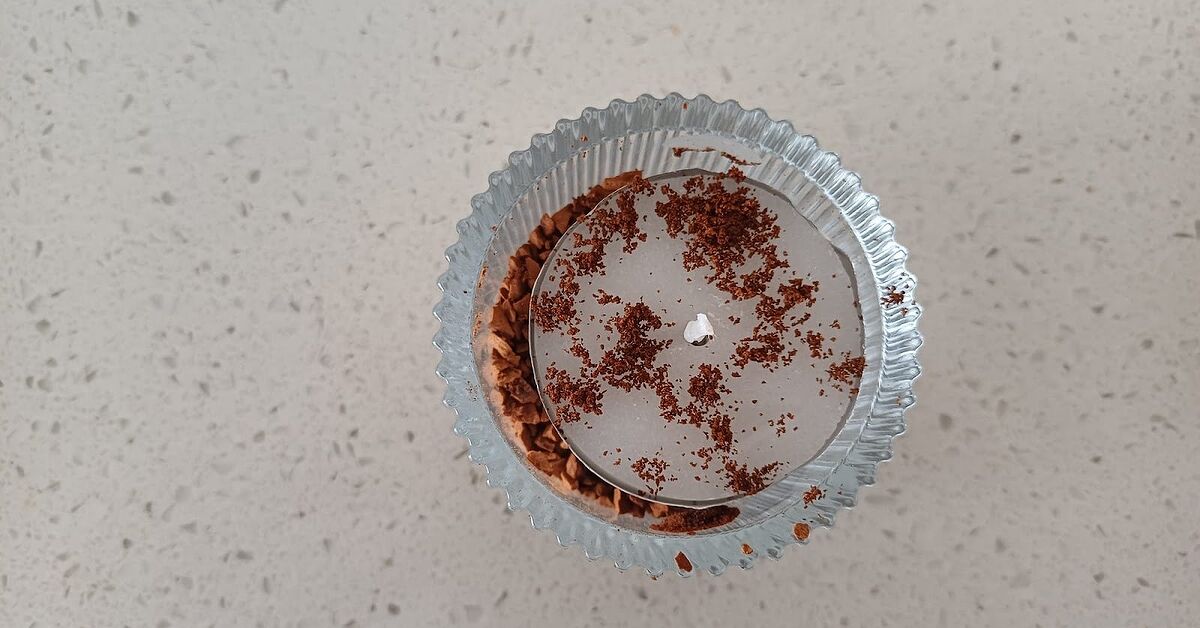
Don’t Put Coffee Beans (or Grounds) in the Candle
Yes, it looks cute on social media. No, it’s not a good idea.
Decorative botanicals and chunky add-ins can be flammable, can drift toward the wick,
and can mess with melt pools and wicking. If you want the “coffee look,” use a brown dye (subtle!) or a label design.
If you’re going for a café centerpiece, place a bowl of whole coffee beans next to the candlenot inside it.
Your guests can still admire the vibe without you hosting “Surprise: Fire Safety Seminar.”
Burning Rules for Safe, Better-Smelling Parties
- Trim wicks to 1/4 inch before each burn for a cleaner flame.
- Don’t burn forever: aim for 3–4 hours max at a time, then let it cool.
- First burn matters: let the wax melt close to the edges on the first use to help prevent tunneling.
- Keep the wax pool clean: no matches, crumbs, or “just a little confetti.”
- Never leave unattendedespecially during hosting when you’ll get distracted.
- Use quality containers: inspect for cracks and stop using any jar that looks stressed.
Troubleshooting: Fix the Stuff That Makes People Quit Candle Making
Problem: Tunneling (a candle that burns a hole down the middle)
Cause: The candle wasn’t burned long enough to melt to the edges, or the wick is too small.
Fix: On your next burn, let it run long enough to form a full melt pool.
If it keeps happening, test the next wick size up.
Problem: Weak scent throw
Cause: Not enough cure time, fragrance load too low, wick too small, or the room is too large.
Fix: Let it cure longer (soy often improves dramatically over 1–2 weeks), confirm your fragrance amount by weight,
and consider a wick adjustment after burn testing.
Problem: Frosting or “wet spots” on soy wax
Soy wax is naturally dramatic. Frosting is a cosmetic crystal effect; “wet spots” are often air gaps as wax cools and pulls from glass.
Fix: Pour a little cooler, cool the candle slowly away from drafts, and accept that soy sometimes wears a tiny white sweater.
Problem: Sooty flame or mushrooming wick
Cause: Wick too long or too large, drafts, or too much fragrance.
Fix: Trim the wick, move the candle away from airflow, and consider wicking down if it continues.
Serve the Theme: Coffee Candle + Easy Hosting Ideas
The “Coffeehouse at Home” mini bar
- Cold brew pitcher + sparkling water
- Simple syrups (vanilla, caramel) in small bottles
- Milk options + cinnamon and cocoa shakers
- One dessert that plays well with coffee (brownies, biscotti, or mini donuts)
Pair your candle scent with food on purpose
If you’re serving citrusy desserts, keep the candle more “latte/cream” than “dark roast.”
If you’re doing chocolate, mocha notes are a slam dunk.
If you’re cooking something savory with strong garlic-onion energy, light the candle in a separate roomcoffee deserves respect.
Extra-Cozy Upgrades (Optional, but Fun)
Wood wick for the “café fireplace” vibe
A wood wick can add a gentle crackle and a warmer ambiance.
It’s not required, but it can make a coffee candle feel like an experience rather than just a smell.
Just remember: wood wicks still require proper sizing and testing.
Label it like a menu item
Print a simple label: “House Blend,” “Vanilla Latte,” or “Midnight Mocha.”
Put the candle on a tray with a match striker and a tiny card that says:
“Light when you want the room to feel hugged.”
Conclusion: Your Home, But Make It Smell Like a Warm Welcome
A coffee scented candle is one of the easiest entertaining upgrades because it does three jobs at once:
it adds ambiance, signals hospitality, and covers the fact that you panic-cleaned five minutes before guests arrived.
Keep the recipe simple, measure by weight, give the candle time to cure, and follow basic burn rules.
The result is a candle that smells like comfortand a space that guests don’t want to leave.
Experiences: The Little Moments That Make Coffee Candles Worth It (Extra )
The first time you make a coffee candle for entertaining, the experience usually starts with optimism and ends with you
staring at a cooling jar like it’s a reality show finale. You’ll probably hover and think, “Is it supposed to look like that?”
(Answer: most of the time, yes. Soy wax is just expressive.)
Then comes the scent curvethe part nobody explains until you live it. Cold wax can smell faint or slightly different,
and it’s tempting to declare failure after 12 minutes. But once you light it, the fragrance warms up, blends, and “rounds out.”
That’s when the candle finally becomes what you pictured: a soft coffeehouse aura instead of a single-note punch.
If you let it cure a full week or two, it often gets noticeably betterlike a stew that tastes smarter the next day.
During an actual gathering, coffee candles tend to produce a specific kind of guest behavior: the slow pause at the doorway.
People don’t always say “Your candle smells amazing” right away. They just… inhale.
Then they ask what you baked. (Even if you baked nothing. Even if you ordered everything. The candle is doing public relations for you.)
Another common experience: learning the difference between “cozy” and “too much.” Coffee is rich, and if you go heavy on dark roast
in a small room, it can feel like you’re hosting inside a mug. The sweet spot is often a balanced blendcoffee plus vanilla,
cream, hazelnut, or a soft pastry note. It reads like comfort. It makes people linger near the snack table with suspicious loyalty.
You may also discover the quiet power of placement. Put the candle near an air vent and the flame can flicker, the burn gets uneven,
and the scent throws in random directions like it’s improvising. Put it on a stable tray in a calm corner and suddenly it behaves:
steady flame, even melt, smooth fragrance. Hosting is like that toocalm corner energy wins.
If you get into burn testing (and many people do, accidentally), you’ll notice how much the wick changes everything.
A slightly smaller wick can make the scent feel timid; a too-large wick can make the candle burn hot and smoky.
Once you experience a properly wicked candlesteady flame, melt pool reaching near the edges, minimal sootyou understand why candle makers
talk about wicks like they’re casting a movie role. Because they are. The wick is the lead actor.
Finally, the most entertaining-related experience is the “memory effect.” Coffee scents are tied to routines:
weekend mornings, study sessions, late-night conversations, road trips, first apartments, first jobs.
When you light a coffee candle before guests arrive, you’re not just scenting airyou’re setting a mood that feels familiar and safe.
That’s why coffee works so well for entertaining: it doesn’t demand attention. It invites it.