Note: This article discusses the topic from a repair, consumer-rights, safety, and sustainability perspective. It does not provide instructions for bypassing payment systems, locks, anti-theft tools, or proprietary controls.
Introduction: When an Ebike Becomes a Very Heavy Paperweight
A pay-to-ride ebike looks wonderfully simple from the sidewalk. Scan the app, hear the happy little unlock sound, ride across town, park responsibly, and pretend you are the main character in a clean-energy commercial. But behind that cheerful rental experience is a complicated machine built around software locks, GPS tracking, payment authorization, fleet management, battery controls, and a business model that assumes the company will still exist tomorrow.
That assumption is where the nightmare begins.
The story of jailbreaking a “pay-to-ride” Gotcha ebike is not just a quirky tale about one stubborn electric bike. It is a sharp little window into the modern ownership problem: what happens when a physical product is perfectly real, mechanically usable, and sitting right in front of youbut the software that controls it belongs to a company that changed hands, disappeared, shut down, or stopped supporting it?
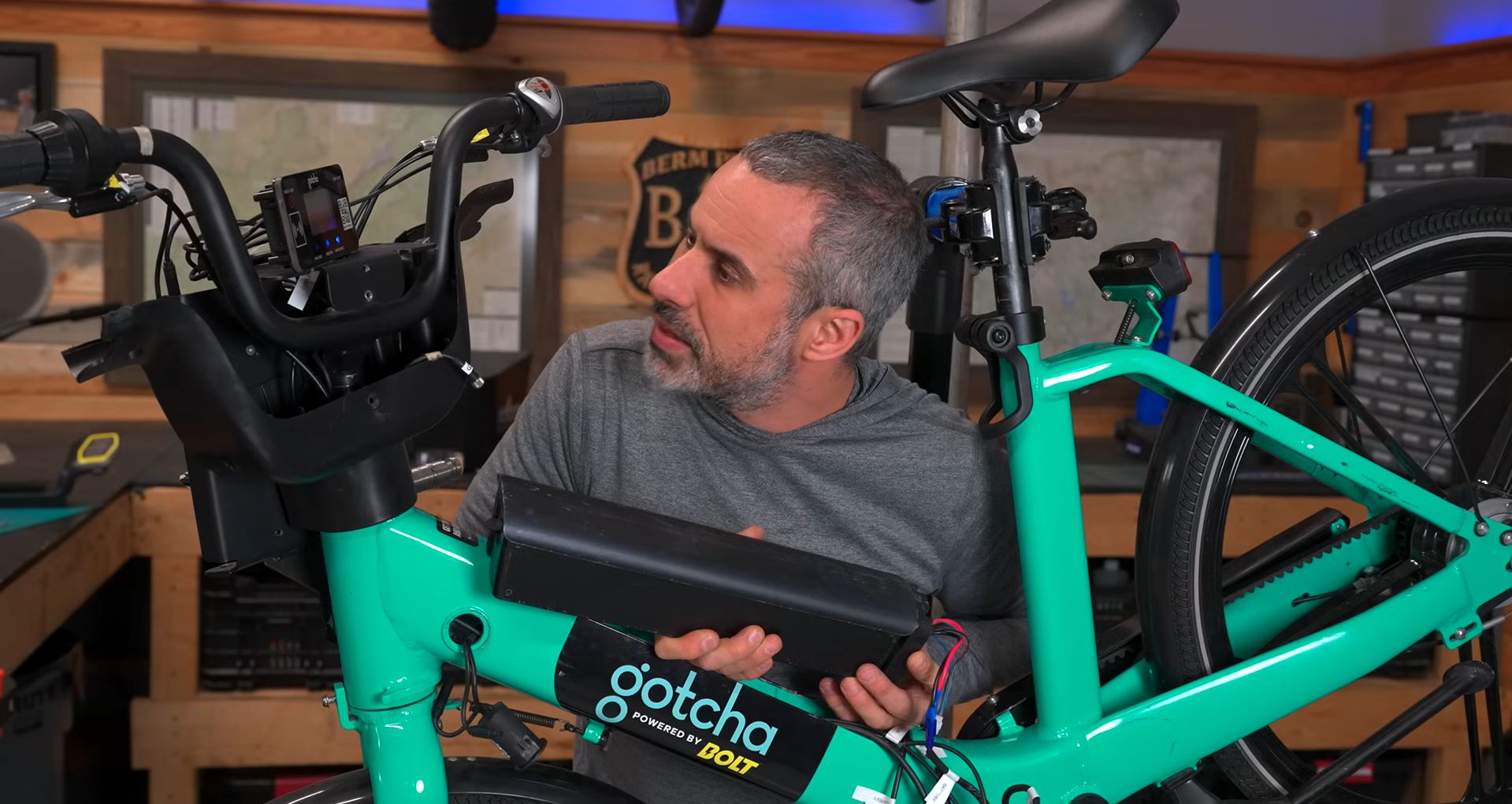
In the case of Gotcha, the situation became especially interesting because the brand was part of the boom-and-bust world of shared micromobility. Gotcha operated bikes, e-bikes, scooters, and other small electric vehicles, often in college towns and midsize cities. It was acquired by Last Mile Holdings in 2020, and Bolt Mobility later acquired assets connected to Last Mile Holdings. Then, in 2022, Bolt Mobility reportedly ceased operations in several markets, leaving behind equipment, confused city officials, unanswered emails, and a lot of yellow-and-black “now what?” energy.
To the DIY crowd, an abandoned fleet ebike can look like buried treasure. A sturdy frame! A motor! A battery! Maybe even built-in lights! But anyone who thinks converting a shared fleet bike into a normal personal ebike is as easy as removing a sticker is about to meet the villain of the story: proprietary electronics wearing a tiny cape.
What Is a Pay-To-Ride Gotcha Ebike?
A Gotcha ebike was designed for shared use, not private ownership. That matters. A regular consumer ebike is usually built around a simple promise: you bought it, you charge it, you ride it, you maintain it. A shared fleet ebike is built around a different promise: the operator owns it, the rider rents it, and the bike only works when the backend system says, “Yes, this human has paid enough money to move forward.”
That difference changes everything. A pay-to-ride ebike may include hardware and software for GPS location, remote lock control, cellular or Bluetooth communication, battery monitoring, ride-session tracking, anti-theft alerts, fleet diagnostics, and app-based access. These are useful features for a company managing hundreds or thousands of bikes. They are much less charming when the bike ends up in a garage and refuses to behave like a normal bicycle with a battery.
In other words, a Gotcha ebike is not simply an ebike with a rental sticker. It is a rolling subscription machine. Once the subscription brain is gone, the machine can become awkward, stubborn, and deeply uninterested in your weekend project dreams.
Why People Want to Jailbreak Shared Ebikes
The word “jailbreak” sounds dramatic, like the bike is wearing a tiny orange jumpsuit and digging through the garage floor with a spoon. In this context, people usually mean “turning a locked, app-controlled fleet ebike into a usable personal ebike.” The motivation is easy to understand.
First, there is the waste issue. Shared micromobility fleets can be huge, and when operators fail, cities can be left with vehicles that still contain useful parts. Throwing away batteries, motors, frames, wheels, displays, lights, and controllers is environmentally painful. Nobody wants a mountain of dead ebikes becoming the next monument to “move fast and leave hardware behind.”
Second, there is the repair issue. Many people believe that if a device is legally acquired, it should be repairable and reusable. That idea fits into the larger right-to-repair movement, which argues that consumers and independent repair shops should not be blocked by unavailable tools, secret diagnostics, glued parts, or locked software.
Third, there is the economic appeal. A new ebike can cost hundreds or thousands of dollars. A retired fleet bike may look like a bargain, at least until the owner discovers that “cheap” and “simple” are not twins. Sometimes they are not even cousins.
But there is a bright line: repairing or repurposing legally obtained hardware is one thing; bypassing payment systems, defeating anti-theft controls, or using a vehicle without authorization is another. The first belongs in a serious discussion about sustainability and consumer rights. The second belongs in the “bad idea with legal consequences” drawer, next to fake parking permits and trying to argue with airport security.
The Real Nightmare: Proprietary Everything
The hardest part of reviving a locked shared ebike is rarely the bicycle part. Chains, tires, brakes, spokes, pedals, handlebarsbike mechanics understand these things. They may grumble while fixing them, because that is the ancient song of mechanics, but the work is familiar.
The nightmare usually lives in the electronic system.
1. The Controller May Not Be a Friendly Controller
In a normal ebike, the controller manages power between the battery, motor, throttle or pedal-assist sensor, display, and brakes. It is the traffic cop of the electrical system. On a shared fleet bike, the controller may be tied into a proprietary computer module that expects approval from the rental platform. If that module refuses to cooperate, the motor may not assist even if the battery is charged and the wiring looks intact.
This is where a promising project can turn into a spaghetti investigation. Wires go everywhere. Connectors may not be labeled. The controller may communicate using signals that are not documented. The bike might contain components that are technically standard but configured in a very nonstandard way. Congratulations: your “free ebike” now requires the patience of an electronics technician and the emotional resilience of someone assembling furniture with missing instructions.
2. The Battery Is Not Just a Battery
An ebike battery pack is not a bucket of electricity with a handle. It contains cells, a battery management system, safety protections, charging rules, and communication behavior. Shared fleet batteries may be built for durability and heavy use, but they may also rely on specific chargers, docks, connectors, or fleet tools.
This matters because lithium-ion batteries deserve respect. The U.S. Consumer Product Safety Commission has repeatedly warned consumers about fire and burn hazards related to unsafe or uncertified micromobility batteries. Safety guidance generally emphasizes using certified products, charging with the proper charger, not charging while asleep, and not treating battery packs like casual science fair props.
That means any attempt to reuse an old fleet ebike should begin with caution, not confidence. A battery that “looks fine” may still be degraded, damaged, mismatched, or unsafe. The most expensive part of an ebike is often also the part least interested in forgiving mistakes.
3. The Lock Is Part of the Business Model
Pay-to-ride bikes are designed to prevent unpaid use. That is not surprising. If a rental company shipped hundreds of ebikes with a big friendly “convert me to personal mode” button, half the fleet would disappear faster than pizza at a school fundraiser.
So the lockout system is not an accident. It is central to the business model. The bike may need a valid ride session, a server response, an app command, or a fleet technician tool before it behaves normally. When the company is gone, the lock may remain like a ghost guarding an empty house.
This creates a difficult ethical problem. Anti-theft and payment controls protect operators, cities, and legitimate users. But when fleets are abandoned or liquidated, those same controls can prevent lawful reuse. The hardware survives; the permission system does not. That is the modern connected-device curse in a nutshell.
Gotcha, Bolt Mobility, and the Boom-Bust Micromobility Pattern
The Gotcha ebike story also fits a larger micromobility pattern. Over the last decade, cities have seen waves of dockless bikes, scooters, campus mobility programs, and app-based rental services. Some became useful transportation options. Others struggled with high operating costs, maintenance demands, vandalism, regulations, seasonal ridership, parking complaints, and the unforgiving math of small trips.
Shared micromobility is not a joke. In the U.S. and Canada, bike-share and scooter-share systems have delivered hundreds of millions of trips, and recent transportation reports show strong demand, especially where systems are reliable and integrated with city transportation networks. Ebikes can extend transit, replace short car trips, and help people move through cities without needing a parking space the size of a studio apartment.
But the business can be fragile. Private operators need revenue, maintenance crews, charged batteries, city permits, insurance, customer support, and enough riders paying enough money at the right times. When that system fails, the collapse is not purely digital. It leaves physical objects in the real world: bikes at racks, scooters on sidewalks, chargers in storage, and municipalities asking who is supposed to pick up the pieces.
That is why the Gotcha/Bolt story feels so frustrating. The bikes were not imaginary assets on a spreadsheet. They were transportation devices made from steel, aluminum, rubber, copper, plastic, lithium, and labor. When the company structure changed or failed, the equipment did not politely vanish. It stayed behind, blinking metaphorically, waiting for someone to decide whether it was property, waste, salvage, or opportunity.
Right to Repair vs. Anti-Theft Design
The Gotcha ebike problem sits right at the intersection of two reasonable ideas that sometimes collide.
On one side, right-to-repair advocates argue that products should be fixable. That means access to parts, manuals, diagnostics, and repair information. The Federal Trade Commission has recognized that repair restrictions can raise costs, limit independent repair, create unnecessary electronic waste, and make products harder to maintain. That point becomes very real when an ebike is mechanically sound but electronically trapped.
On the other side, fleet operators need anti-theft systems. Shared ebikes are not personal toys; they are expensive public-use assets. Without locks, tracking, and authorization systems, fleets would be easy targets. A company cannot simply trust everyone to return a $2,000 vehicle because humanity has “good vibes.” Have you seen what people do to rental umbrellas?
The better question is not whether locks should exist. They should. The better question is what happens after the fleet is retired. Could manufacturers or operators create a legal decommissioning process? Could cities require end-of-life plans in micromobility contracts? Could fleet vehicles be designed with a documented transition path so they can be safely resold, recycled, or donated after service?
That would not mean helping thieves. It would mean preventing legitimate hardware from becoming e-waste just because a server went dark.
Safety: The Part DIY Enthusiasm Likes to Skip
DIY culture is fun because it asks, “What if we tried?” Safety culture is important because it asks, “What if we tried and the garage became a cautionary tale?”
Any discussion of reviving a fleet ebike has to include electrical safety. Modern ebikes are not just bicycles with a cheerful motor. They combine high-energy batteries, charging electronics, wiring harnesses, sensors, controllers, and moving parts. Standards such as UL 2849 focus on the complete electrical system of an ebike, including the drive train, battery, and charger combination. That complete-system approach matters because a safe battery connected to an unsafe charger or mismatched controller can still create risk.
New York City’s rules around lithium-ion mobility devices show how serious the issue has become. The city has required certain electric bicycles, scooters, and batteries sold, leased, or rented in the city to meet recognized safety standards. That policy did not appear out of nowhere; it followed real fires, injuries, and public concern around uncertified or improperly used lithium-ion batteries.
For an old Gotcha ebike, the safest mindset is simple: treat unknown electronics as unknown electronics. Do not assume the battery is healthy. Do not assume the charger is correct. Do not assume the wiring is standard. Do not assume “it powered on once” means “it is ready for daily commuting.” A cautious owner should consult qualified ebike technicians, follow local laws, verify safety certification where possible, and avoid improvised electrical experiments.
The Consumer Lesson: You May Not Own What You Think You Own
The Gotcha ebike nightmare is part of a bigger trend. We increasingly buy or use products where the physical object is only half the story. Phones, tractors, printers, smart home devices, cars, scooters, and ebikes can all depend on software access, cloud services, authentication, firmware, or proprietary diagnostics.
That creates a strange kind of ownership. You may possess the object, but the manufacturer or platform may control its useful life. If the app disappears, the server shuts down, the parts become unavailable, or the diagnostic tool is restricted, the product can become less repairable than it looks.
For consumers shopping for a personal ebike, this suggests several practical questions:
- Can a local bike shop service the brand?
- Are replacement batteries, chargers, displays, tires, brakes, and controllers available?
- Does the bike use standard components where possible?
- Is the electrical system certified by a recognized testing laboratory?
- Will the bike still work if the company app disappears?
- Does the warranty depend on only one authorized repair channel?
These questions are not as exciting as top speed or range, but they matter more after year two. A bike that cannot be repaired is not a bargain. It is a future storage problem with handlebars.
What Cities Can Learn From Abandoned Ebike Fleets
Cities should not treat micromobility contracts as purely short-term transportation deals. Every fleet has a beginning, a middle, and an end. The end needs planning.
A strong city contract can require operators to explain how vehicles will be removed, recycled, repaired, sold, or transferred if service ends. It can require local contacts, response deadlines, insurance, data-sharing rules, battery safety practices, and clear disposal responsibilities. It can also encourage designs that support safe maintenance and responsible end-of-life handling.
Without that planning, the public may inherit the mess. Sidewalks, warehouses, campuses, and municipal yards become resting places for vehicles that are too useful to scrap and too locked down to reuse. That is not innovation. That is clutter with an app icon.
Why the Gotcha Ebike Story Hits a Nerve
The reason this story attracts attention is not simply that someone found a difficult ebike project. The reason is that it feels symbolic. It captures a problem many people have felt but could not always name: modern products can be designed so tightly around platforms that they become hostile to reuse.
The bike itself represents useful material. The lock represents business logic. The battery represents safety risk. The abandoned fleet represents startup failure. The frustrated repair attempt represents the right-to-repair debate. Somehow, one yellow ebike manages to carry the emotional weight of a TED Talk and a junk drawer at the same time.
There is also a funny sadness to it. A bicycle is one of humanity’s most elegant machines. Two wheels, a frame, a chain, and enough balance to make childhood magical. Then we added motors, batteries, apps, subscriptions, GPS, cellular modules, firmware, payment gateways, and corporate restructuring. Now the bike needs a backend server to decide whether your calves are allowed to participate.
Experience Section: What It Feels Like to Deal With a Locked Fleet Ebike
Anyone who has spent time around retired fleet ebikes will recognize the emotional stages. Stage one is optimism. You see the bike and think, “This thing is built like a tank. How hard could it be?” The frame looks durable, the wheels look strong, the motor is already installed, and the battery compartment appears professional. You imagine yourself cruising around town on a rescued machine, saving money and the planet at the same time. Birds sing. The garage lights glow. A heroic montage begins.
Stage two is inspection. The first screws come out. A plastic panel opens. Suddenly there are more wires than expected. Not “a few extra wires.” More like a small electronic rainforest. Some connectors are familiar. Others look custom. A module has no helpful label. Another box seems important but refuses to explain itself. You gently tug one cable, then wisely stop tugging because you enjoy not creating new problems.
Stage three is research. You search for manuals, wiring diagrams, controller information, battery specs, forum posts, old app pages, brand history, and photos from people who have attempted similar projects. Some information exists, but not enough. A shared fleet bike was never meant to be lovingly documented for home mechanics. It was meant to be serviced by fleet technicians using internal tools. You are not reading a repair manual; you are reading digital breadcrumbs left by strangers.
Stage four is the safety pause. This is the stage that separates a sensible project from an expensive mistake. The battery may charge, but is it safe? The charger may fit, but is it correct? The controller may power on, but does it communicate properly with the rest of the system? The brake sensors, lights, pedal assist, and motor cutoff all matter. An ebike is not just supposed to move; it is supposed to stop, behave predictably, and not turn charging time into a fire department visit.
Stage five is humility. This is when the project stops being “just unlock the bike” and becomes a full systems problem. Maybe the original electronics are too locked down. Maybe the safest route is professional evaluation. Maybe the best salvage value is in mechanical parts rather than a full conversion. Maybe the frame is useful, but the battery is questionable. Maybe the project is not impossible, but it is no longer cheap, quick, or beginner-friendly.
The real experience is a mix of curiosity and caution. On one hand, it is fascinating to see how much engineering goes into a shared ebike. These vehicles are built for rain, abuse, short trips, constant unlocking, rough parking, and riders who treat curbs as suggestions. On the other hand, that same fleet-grade design can make personal reuse difficult. The bike was designed to serve a system, not an individual owner.
The most valuable lesson is not “never buy a retired fleet ebike.” The better lesson is “know what you are buying.” If the bike comes through a legitimate resale channel with documentation, keys, chargers, battery information, and a clear non-rental configuration, it may be a practical project. If it comes with no paperwork, unknown electronics, locked software, and a mystery battery, the bargain may be wearing a fake mustache.
For many people, the smarter path is to buy a serviceable consumer ebike from a reputable brand, preferably one with local shop support and clear safety certification. For experienced mechanics, a retired fleet bike can be an interesting parts donor or restoration challenge. But it should be approached like a complex electrical vehicle, not like a beach cruiser that needs air in the tires.
In the end, the Gotcha ebike nightmare is not really about defeating a lock. It is about the hidden cost of locked ecosystems. When transportation becomes software-dependent, the end of software support can strand perfectly visible hardware. That is bad for riders, bad for cities, bad for repair shops, and bad for the environment. A better future would let companies protect active fleets while also planning responsible, safe, legal retirement paths for vehicles after service ends.
Conclusion: The Ebike Is Asking a Bigger Question
The nightmare of jailbreaking a pay-to-ride Gotcha ebike is a story about more than one stubborn machine. It is about what happens when transportation, software, ownership, safety, and sustainability all crash into the same bike rack.
Shared ebikes can be useful, affordable, and environmentally valuable when they are well managed. But when operators disappear or hardware becomes unsupported, proprietary design can turn usable machines into locked metal puzzles. The challenge is not to make theft easier or payment systems weaker. The challenge is to build a responsible afterlife for connected vehiclesone where legally retired bikes can be repaired, recycled, or reused without unsafe hacks or legal gray zones.
The Gotcha ebike may look like a small story, but it points to a large issue: in the age of connected products, ownership needs an exit plan. Otherwise, today’s smart mobility solution becomes tomorrow’s very expensive sidewalk decoration.