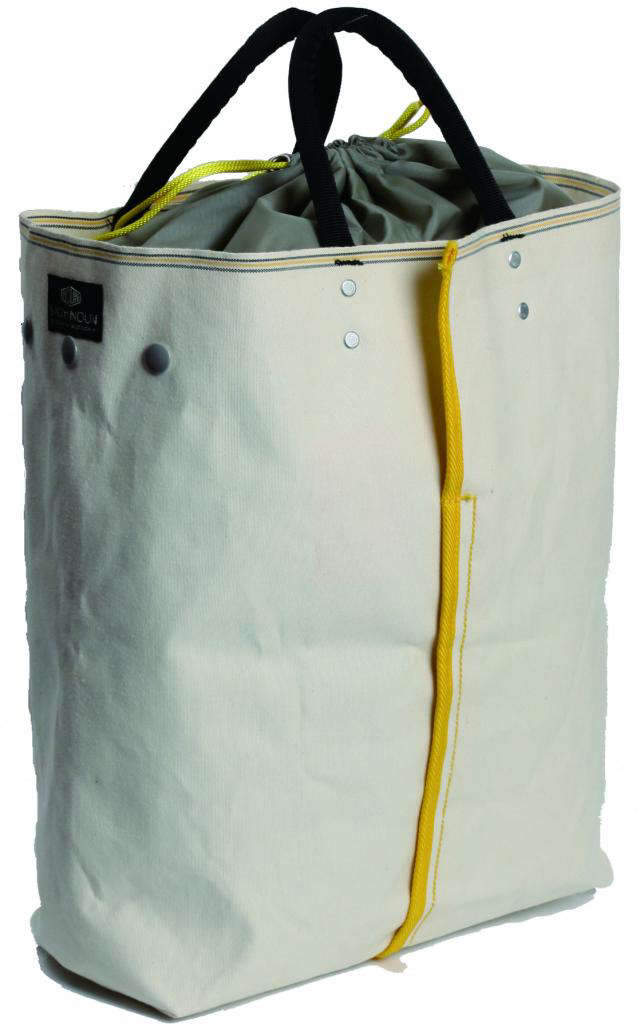
The Reverse Tote is what happens when a humble carryall looks in the mirror and says, “Actually, I have range.” It may refer to an inside-out construction, a reversible tote bag with two wearable sides, a reverse-print pattern, or a specific designer-style canvas tote built around clever flipping, snapping, layering, and utility. In plain American English: it is a tote bag that refuses to be boring on just one side.
That simple twist matters. The traditional tote has always been practical: two handles, one open compartment, enough space for a laptop, snacks, a sweater, receipts from 2019, and whatever emotional support water bottle is currently in rotation. A reverse tote takes that everyday usefulness and adds a design surprise. Sometimes the “reverse” is visual, like inverted colors or a logo pattern flipped in contrast. Sometimes it is structural, with seams, pockets, linings, or removable inner bags intentionally exposed. Sometimes it is fully reversible, offering two looks in one bag.
For shoppers, stylists, students, commuters, travelers, and anyone who has ever needed one bag to behave like three, the reverse tote is not just a fashion trick. It is a smart, flexible accessory that bridges utility and style. It is roomy without screaming “moving day,” polished without acting too fancy for a farmers market, and interesting enough to make a basic outfit look like it had a meeting with a creative director.
What Is a Reverse Tote?
A reverse tote is a tote bag designed around reversal, inversion, or dual-facing construction. Depending on the brand, that may mean a bag can be turned inside out, worn with either side facing outward, or designed to show “reverse” details such as exposed seams, contrast lining, inverted embroidery, or a reversed logo pattern.
The term is used in several ways across fashion and accessories. A canvas maker may use “reverse tote” for a bag with an inner drawstring pouch that can be moved or displayed outside. A luxury label may use it for a tote with a “reverse” print, such as a lighter motif on a darker ground. A contemporary brand may describe a tote as reversible when one side is leather and the other is canvas, nylon, cotton, or patterned fabric.
That flexibility is exactly why the keyword has become interesting. “Reverse Tote” is not locked into one tiny definition. It sits at the intersection of reversible tote bag, canvas tote, designer tote, everyday carry bag, work tote, and travel tote. In other words, it is the Swiss Army knife of bags, except less likely to confuse airport security.
Reverse Tote vs. Reversible Tote: Are They the Same?
They overlap, but they are not always identical. A reversible tote usually means the bag can be physically flipped so either side becomes the exterior. Think of a two-sided design: leather outside today, printed canvas outside tomorrow. A reverse tote can be broader. It might be reversible, but it might also feature inside-out styling, reverse embroidery, exposed construction, or a removable inner pouch that changes how the bag functions.
Reversible Tote
A reversible tote focuses on two looks in one. It is great for travel, capsule wardrobes, and anyone who wants fewer items doing more work. One side may be neutral and office-friendly; the other may be bold, patterned, or casual.
Reverse-Print Tote
A reverse-print tote uses inverted colorways or flipped motifs. This is common in luxury monogram bags and embroidered totes where the pattern is familiar, but the color relationship is turned around for a fresh effect.
Inside-Out or Deconstructed Tote
This version treats the “wrong side” as the right side. Seams, edges, lining, webbing, or utility pockets may become part of the look. It feels more architectural and fashion-forward, like the bag went to art school and came back with opinions.
Why Reverse Totes Are Popular
The reverse tote fits perfectly into modern shopping habits because people want accessories that are useful, durable, and adaptable. A bag that works for commuting, grocery runs, weekend trips, gym clothes, library books, and airport snacks is already winning. Add a reversible or reverse-detail design, and suddenly the bag also earns style points.
Fashion has also moved toward practical objects with personality. Canvas totes, boat totes, book totes, and oversized carryalls have become status pieces because they feel lived-in. They do not look like accessories kept behind glass. They look like they can survive a subway ride, a coffee spill, and a dramatic Monday.
The reverse tote taps into that same energy. It has the honesty of a working bag but the visual interest of a designed object. It can look minimal, rugged, preppy, luxury, artistic, or streetwear-inspired depending on materials and styling. That makes it easy to market, easy to wear, and easy to justify when you tell yourself, “This is not another bag. This is a practical decision.”
A Short History: From Utility Tote to Style Statement
The tote bag’s roots are deeply practical. The classic American canvas tote became famous through rugged utility designs built to carry heavy loads, including ice, groceries, beach supplies, and household gear. Over time, the tote moved from tool to fashion staple. Bookstores, museums, fashion houses, outdoor brands, and grocery stores all put their own spin on it.
That shift matters because the reverse tote is part of the tote’s natural evolution. Once the basic shape became universal, designers started experimenting with material, scale, print, proportion, personalization, closures, interior pouches, and construction. The reverse tote is one of those experiments that actually makes sense. It does not ruin the tote’s best featureeasy carrying. It simply adds another layer of function or style.
Key Features of a Good Reverse Tote
1. Strong Material
A reverse tote should be made from a material that can handle repeated use. Cotton canvas, coated canvas, leather, nylon, denim, and jacquard fabrics are common choices. Canvas gives the bag structure and casual charm. Leather adds polish. Nylon keeps weight down. Jacquard or embroidered fabric brings pattern and texture.
2. Clean Reversible Construction
If the bag is truly reversible, both sides should look intentional. That means no awkward labels, scratchy seams, weak stitching, or pocket placement that makes one side feel like an afterthought. A good reversible tote should not look like you accidentally wore your bag inside out after laundry day.
3. Useful Interior Space
The best tote bags are spacious but not chaotic. A reverse tote may include an inner pouch, snap-in drawstring compartment, zip pocket, laptop sleeve, or removable organizer. These features prevent the dreaded tote abyss, where lip balm, keys, earbuds, and dignity disappear together.
4. Comfortable Handles
Handles matter more than people admit. Short handles are great for carrying by hand or at the elbow. Long handles work better over the shoulder, especially for commuters. If the tote is large, the straps should be wide enough not to punish your shoulder for owning a water bottle and a laptop.
5. A Shape That Stands Up
A structured reverse tote is easier to pack, easier to find things in, and less likely to collapse into a sad fabric pancake. Soft totes can be beautiful, but for work, travel, and daily errands, a little structure goes a long way.
Popular Types of Reverse Tote Bags
Canvas Reverse Tote
The canvas reverse tote is the most practical version. It usually feels casual, durable, and slightly vintage. Some designs use heavy cotton canvas with exposed selvedge edges, contrast stitching, or a removable inner bag. This type works well for errands, creative work, travel, and everyday use.
Luxury Reverse Tote
Luxury reverse totes often play with monograms, leather trim, reversible panels, and high-end fabric. A reverse monogram pattern can make a familiar logo feel new without changing the bag’s recognizable shape. These totes are often designed for shoppers who want a statement piece that still has daily function.
Reversible Leather-and-Canvas Tote
This is the “two moods, one receipt” version. One side may be smooth or grained leather, while the reverse side features canvas, cotton, or a logo fabric. It can move from work meeting to weekend brunch with very little effort, which is ideal because most of us are already using all our effort finding parking.
Jacquard Reverse Tote
Jacquard reverse totes use woven patterns rather than simple printed graphics. Florals, geometric motifs, and artistic textile designs often appear in this category. The reverse effect may come from color inversion, texture contrast, or the way the woven fabric looks different on each side.
Inside-Out Designer Tote
The inside-out tote is more conceptual. It may expose construction details that are usually hidden. This creates a deconstructed, modern look. It is not for everyone, but for people who like fashion with a little wink, it can be much more interesting than another plain black bag.
How to Style a Reverse Tote
The beauty of a reverse tote is that it plays well with different wardrobes. It can make a simple outfit look considered, or it can calm down a busier look by acting as the practical anchor. The trick is to let the bag’s material and scale guide the outfit.
For Work
Choose a structured reverse tote in leather, coated canvas, or dark cotton canvas. Pair it with trousers, loafers, a button-down, and a blazer. If the bag has a reversible side, keep the cleaner side out for meetings and flip to the more casual side after hours.
For Travel
A lightweight reverse tote with a zip closure or drawstring insert is ideal for travel. Use it as a personal item, snack bag, beach bag, or sightseeing carryall. Neutral colors are easiest, but a reverse pattern helps hide small marks from airport floors, café tables, and that one overhead bin that looks like it has seen history.
For Weekend Errands
Canvas is your friend. Wear the tote with jeans, sneakers, a striped shirt, a hoodie, or a relaxed jacket. A reverse tote with a bold graphic or contrast lining adds personality without requiring you to dress like a runway model going to buy oat milk.
For Minimalist Outfits
If your wardrobe leans toward black, white, gray, navy, denim, and beige, a reverse tote can become the interesting detail. Try one with contrast trim, inverted embroidery, or a textured fabric. It keeps the outfit clean but prevents it from looking like you got dressed by a spreadsheet.
What to Look for Before Buying a Reverse Tote
Before buying a reverse tote, think about how you actually live. A beautiful bag that does not fit your laptop is not a work tote; it is a decorative emotional challenge. A giant tote that swallows your keys every day may be roomy, but it also has villain tendencies.
Start with size. A small tote is good for casual daily use, lunch, and light errands. A medium tote works for books, tablets, a sweater, and a few personal items. A large reverse tote is best for travel, beach days, gym gear, or parents carrying snacks for multiple tiny snack critics.
Next, check closure. Open-top totes are convenient but less secure. Zip-top totes are better for commuting and travel. Drawstring inserts offer a nice middle ground: easy access with extra privacy.
Then look at weight. Leather is elegant but can be heavy. Heavy canvas is durable but may feel stiff at first. Nylon is lighter and more flexible. If you plan to carry the tote all day, weight matters. Your shoulder will absolutely file a complaint.
Finally, consider care. If the bag is washable or spot-clean friendly, it will be easier to use without fear. Pale canvas looks gorgeous until it meets coffee, rain, or the bottom of a shopping cart. Darker colors, coated finishes, and patterned fabrics are more forgiving.
Reverse Tote Materials: Which One Is Best?
Cotton Canvas
Cotton canvas is sturdy, classic, and casual. It is ideal for daily use and gives a reverse tote that workwear-meets-design feel. Heavy canvas holds its shape better, while lighter canvas folds and packs more easily.
Leather
Leather reverse totes feel polished and long-lasting. They work well for offices, dinners, and travel when you want a bag that looks grown-up. The trade-off is weight and care. Leather needs more attention than canvas, especially in rain.
Nylon
Nylon is lightweight, practical, and often water-resistant. It is excellent for inner pouches, drawstring inserts, and travel-friendly totes. A canvas outer bag with a nylon inner compartment is a smart combination because it balances structure and flexibility.
Coated Canvas
Coated canvas gives the look of fabric with better wipe-clean performance. It is popular in fashion totes because it can hold patterns well while resisting everyday scuffs better than untreated cotton.
Jacquard Fabric
Jacquard is best for people who want texture and pattern. Because the design is woven, not just printed, it can feel more dimensional. A jacquard reverse tote can look artistic without being loud.
Care Tips for a Reverse Tote
Always check the care label first. That sentence is boring, yes, but it is also cheaper than ruining a bag in a washing machine and pretending the new shape is “avant-garde.”
For canvas, spot-clean with mild soap and cool water. Use a soft cloth or brush, then air-dry. Avoid harsh bleach unless the care instructions specifically allow it. For leather, wipe gently with a dry or slightly damp cloth and use leather conditioner when appropriate. For nylon, spot-cleaning usually works well, and many nylon inserts dry quickly.
If your reverse tote has a removable inner pouch, clean the pouch separately. Crumbs, pens, makeup, and mystery dust tend to gather there. A small organizer can also help protect the interior and make switching between sides easier.
Is a Reverse Tote Sustainable?
A reverse tote can be a more sustainable choice if it is used often and kept for years. The key word is “used.” Reusable bags only make environmental sense when they actually replace disposable bags and avoid becoming a closet collection of good intentions.
The smartest approach is simple: buy fewer, better bags and use them constantly. A durable reverse tote that works for groceries, work, travel, and errands can replace multiple single-purpose bags. That makes it more valuable than a dozen flimsy totes that spend their lives tangled in a pantry.
For eco-conscious shoppers, durability is the real luxury. Strong stitching, repairable handles, washable materials, and timeless design all extend the life of the bag. A reverse tote that still looks good after years of use is doing its job beautifully.
Who Should Buy a Reverse Tote?
A reverse tote is ideal for anyone who likes practical accessories with a little design intelligence. It works especially well for commuters, students, teachers, travelers, creatives, parents, freelancers, and people who leave home with “just a few things” and return carrying groceries, mail, a jacket, and a suspiciously heavy water bottle.
It is also a smart choice for capsule wardrobes. Because many reverse totes offer two looks or multiple styling options, one bag can support different outfits and occasions. A neutral side can handle work. A patterned or textured side can handle weekends. A removable pouch can keep valuables secure. That is a lot of usefulness from one rectangle with handles.
Reverse Tote Examples in Real Fashion
Several real-world designs show how flexible the reverse tote concept can be. Some Japanese canvas makers have offered reverse totes with sturdy cotton exteriors and removable nylon drawstring inserts. The insert can secure belongings while adding visual contrast. Luxury fashion houses have explored reverse ideas through inverted monograms, reversible leather-and-canvas bodies, and inside-out construction. Heritage canvas totes also continue to influence the category because they prove that a practical carryall can become iconic when the shape, material, and durability are right.
These examples show that the reverse tote is not a gimmick. It is a design language. Whether the bag costs modestly or sits in luxury territory, the appeal is the same: more function, more styling potential, and more personality than a plain tote.
500-Word Experience Section: Living With a Reverse Tote
Using a reverse tote in real life is when the design starts making sense. On a hanger or product page, the bag looks clever. In daily use, it becomes one of those objects you reach for without thinking. That is usually the highest compliment a bag can earn. It stops being “the new tote” and becomes “the bag,” as in: where are my keys, where is my phone, and where is the bag?
The first thing you notice is flexibility. A normal tote has one personality. A reverse tote has options. If one side is cleaner and more polished, it works for a meeting, lunch, or a day at the office. Flip it, reverse it, or show the more casual side, and suddenly it feels right for errands, travel, or a coffee run. That small shift can make the same outfit feel different without changing clothes. It is a low-effort style move, which is the best kind because nobody needs fashion homework before 8 a.m.
The second experience is organization, especially if the tote includes a removable pouch or drawstring insert. Open totes are convenient, but they can become portable junk drawers with straps. A reverse tote with an inner compartment makes it easier to separate valuables from bulkier items. Wallet, phone, keys, and earbuds go in the secure section. Sweater, book, lunch, and random impulse purchase go in the main body. Suddenly the tote feels less like a fabric cave and more like a system.
For travel, the reverse tote is surprisingly useful. It can sit on top of a suitcase, slide under an airplane seat, or carry the items you need within reach. The reversible or reverse-detail design also helps when you are trying to pack light. One bag can look casual during the day and a little sharper at night, depending on the material. A dark leather-and-canvas version can handle city travel, while a canvas version is better for beach towns, road trips, and outdoor markets.
Durability becomes part of the emotional attachment. A good reverse tote gets scuffed, softened, and shaped by use. Canvas may relax over time. Leather may develop character. Nylon pouches may become the unsung heroes that protect everything from spilled pens and snack crumbs. The bag starts collecting evidence of actual life, which is much more interesting than staying perfect in a closet.
The only challenge is choosing the right size. Too small, and the tote becomes decorative. Too large, and you may start carrying things simply because physics allows it. The sweet spot is usually medium to large, depending on your routine. If it fits your daily essentials without turning into a black hole, you have found the right one.
Overall, the reverse tote works because it respects real life. It knows you may go from laptop to groceries, from gym clothes to dinner plans, from organized adult to “why do I have three granola bars in here?” It adapts. It carries. It looks good doing it. That is the quiet genius of the reverse tote: it is not trying to reinvent the bag. It is just turning the idea around and making it more useful.
Conclusion
The Reverse Tote is more than a trend name. It is a practical, stylish evolution of the everyday tote bag. Whether it appears as a reversible leather-and-canvas carryall, a rugged canvas bag with a removable insert, an inside-out designer piece, or a reverse-print luxury tote, the concept offers something modern shoppers appreciate: flexibility.
A good reverse tote should be durable, comfortable, roomy, easy to style, and interesting from more than one angle. It should support real routines, not just product photos. The best versions work for commuting, travel, errands, shopping, and everyday life while giving your outfit a smarter finishing touch.
If you want one bag that can shift moods without demanding a wardrobe change, the reverse tote earns its place. It is practical, stylish, and just a little cleverthe accessory equivalent of finding an extra pocket exactly when you need it.