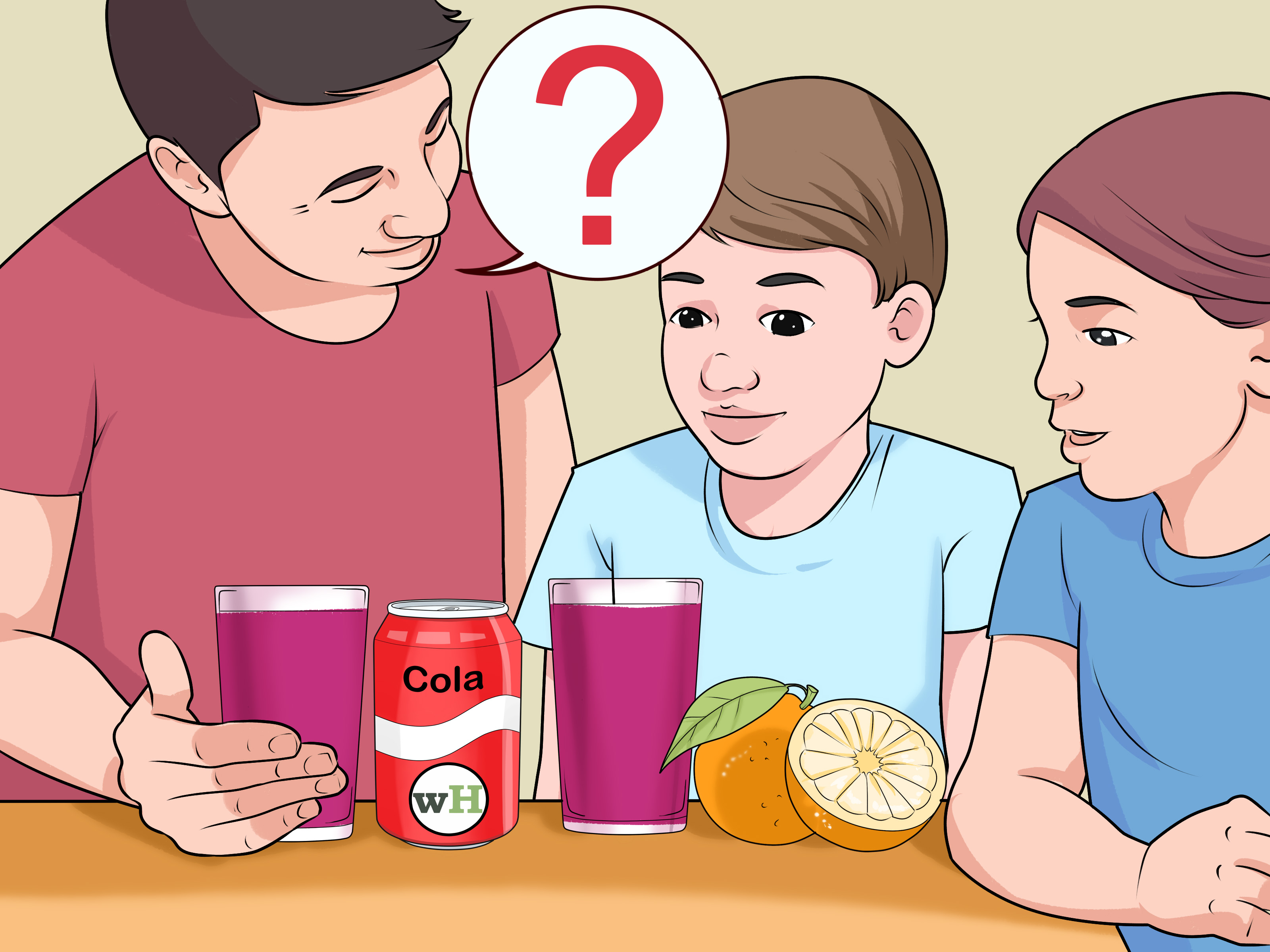
Explaining acids and bases to kids can sound like a job for a scientist wearing goggles, a lab coat, and the expression of someone who just discovered a strange smell in the refrigerator. But the truth is, acids and bases are everywhere: in orange juice, soap, baking soda, stomach medicine, rainwater, and even the bubbles in a volcano experiment that has probably threatened your kitchen table at least once.
The good news? You do not need a PhD, a chemistry lab, or a dramatic lightning storm to teach this topic. Kids learn best when science feels touchable, colorful, and connected to real life. Acids and bases are perfect for that because they can be explained with sour lemons, slippery soap, fizzy reactions, color-changing cabbage juice, and the wonderfully mysterious pH scale.
This guide breaks down how to explain acids and bases to kids in 10 easy steps. It is designed for parents, teachers, homeschoolers, and curious children who ask, “Why does vinegar smell so weird?” five seconds before lunch. You will find simple definitions, safe examples, hands-on activities, teaching tips, and a longer experience-based section at the end to help make the lesson memorable, fun, and surprisingly low-mess. Well, mostly low-mess.
What Are Acids and Bases?
In simple terms, acids are substances that often taste sour, react with certain metals, and have a pH below 7. Common kid-friendly examples include lemon juice, vinegar, orange juice, and some sodas. Bases, also called alkaline substances, often feel slippery, may taste bitter, and have a pH above 7. Examples include baking soda solution, soap, and many cleaning products. Water is usually considered neutral, with a pH close to 7.
For young children, the most useful idea is this: acids and bases are two different “teams” of chemicals. Acids are the sour team. Bases are the slippery team. Neutral substances, like clean water, are in the middle. Once kids understand that basic grouping, you can slowly introduce the pH scale, indicators, and reactions.
How to Explain Acids and Bases to Kids in 10 Steps
Step 1: Start With Things Kids Already Know
Begin with familiar items instead of textbook definitions. Ask: “What foods taste sour?” Kids will usually shout lemon, lime, pickles, oranges, or sour candy. Explain that many sour foods contain acids. Then ask: “What feels slippery when you wash your hands?” Soap is a great example of a base. Suddenly chemistry is not floating in outer space; it is sitting on the kitchen counter and hanging out by the sink.
A simple explanation might be: “Some substances are acids, some are bases, and some are neutral. Scientists use tests to figure out which is which.” This keeps the lesson friendly and prevents kids from thinking acids only exist in scary laboratory bottles labeled with skulls.
Step 2: Explain the pH Scale Like a Number Line
The pH scale measures how acidic or basic a substance is. It usually runs from 0 to 14. Numbers below 7 are acids, 7 is neutral, and numbers above 7 are bases. For kids, compare the pH scale to a thermometer or a game scoreboard. The lower numbers belong to acids; the higher numbers belong to bases.
Try this kid-friendly version: “The pH scale is like a chemical ruler. It tells us whether something is an acid, a base, or right in the middle.” Draw a line from 0 to 14. Put lemon juice near the acid side, water in the middle, and baking soda solution on the base side. Visual learners will understand the idea much faster when they can see the scale.
Step 3: Use Safe Household Examples
Children remember science better when examples are concrete. Create a simple chart with three columns: acids, neutral substances, and bases. Under acids, list lemon juice, vinegar, orange juice, and tomato juice. Under neutral, write water. Under bases, list baking soda mixed with water, hand soap, and mild dish soap.
Be clear that “common” does not always mean “safe to touch, taste, or mix.” Some strong acids and bases can burn skin or damage eyes. Household cleaners should never be part of a child-led experiment. This is a perfect moment to teach the golden science rule: never taste, smell closely, or mix unknown substances. Curiosity is wonderful; drinking mystery liquids is not.
Step 4: Introduce Indicators With Color Magic
An indicator is a substance that changes color when it meets an acid or a base. Kids love indicators because they make invisible chemical properties visible. Red cabbage juice is one of the most popular natural indicators because it contains plant pigments that change color in different pH conditions.
To make a simple red cabbage indicator, chop red cabbage, soak it in hot water with adult help, strain the purple liquid, and pour small amounts into clear cups. Add a little lemon juice to one cup and baking soda solution to another. The colors will shift, often toward pink or red for acids and blue-green for bases. To kids, this looks like magic. To science, it is chemistry politely showing off.
Step 5: Show That Acids and Bases Can React
The classic baking soda and vinegar reaction is famous for a reason. Baking soda is a base, vinegar is an acid, and when they mix, they produce carbon dioxide gas. That gas creates bubbles and foam. This is the same general idea behind many homemade “volcano” experiments.
Explain it like this: “When this acid and this base meet, they react and make a gas. The bubbles are gas escaping.” Kids do not need to memorize chemical equations at first. They need to observe, describe, and ask questions. Why did it fizz? Did it get warmer or colder? What happened when we added more vinegar? These questions build scientific thinking.
Step 6: Connect Acids and Bases to Food
Food makes chemistry delicious, but keep safety boundaries clear. Many foods contain weak acids. Citrus fruits contain citric acid. Vinegar contains acetic acid. Yogurt has lactic acid. Some sodas contain carbonic acid and other acids that contribute to their tangy taste. These acids are not automatically “bad”; they are part of flavor and food chemistry.
Baking also gives a great example. Baking soda needs an acid, such as buttermilk, vinegar, lemon juice, or cream of tartar, to produce bubbles that help pancakes, muffins, and quick breads rise. Tell kids: “Those tiny bubbles help make baked foods fluffy instead of sad and flat.” A pancake is much easier to love than a worksheet.
Step 7: Explain Neutralization in Plain English
Neutralization happens when an acid and a base react in a way that moves the mixture closer to neutral. This does not always mean the result is perfectly pH 7, but the idea is useful for kids. One everyday example is an antacid. Antacids are bases that help neutralize extra stomach acid.
Use a playground comparison: “Imagine acids and bases are pulling in opposite directions. When the right amounts meet, they can balance each other out.” This helps kids understand why acids and bases are often discussed together. They are not random chemistry neighbors; they interact in important ways.
Step 8: Talk About Acids and Bases in Nature
Acids and bases are not just kitchen science. They matter in nature, too. Soil pH affects which plants grow well. Water pH matters for fish and other aquatic life. Rain is naturally a little acidic because carbon dioxide in the air dissolves into it, but pollution can make rain more acidic, creating acid rain. Oceans can also become more acidic when they absorb extra carbon dioxide from the atmosphere.
For kids, this connection is powerful. It shows that chemistry is not just about beakers; it helps explain forests, lakes, gardens, oceans, and animals. You might say, “Scientists test pH because living things often need the right balance to stay healthy.” That one sentence turns a kitchen experiment into an environmental science lesson.
Step 9: Make It Hands-On, Not Lecture-Heavy
Children are not tiny college students who want a 45-minute lecture on hydrogen ions. They want to touch, sort, predict, observe, and announce results like they are hosting a breaking-news broadcast. Give them safe materials, simple instructions, and a science notebook.
Try a “predict and test” activity. Set out cups of safe liquids such as water, lemon juice, vinegar, and baking soda solution. Ask kids to predict whether each is an acid, base, or neutral. Then test each one with pH paper or cabbage indicator. Have them record the color change and compare it with their prediction. This teaches observation, evidence, and the very important life skill of being wrong without melting into a puddle.
Step 10: Review With Simple Language and a Mini Quiz
End the lesson by repeating the big ideas. Acids usually have pH numbers below 7. Bases usually have pH numbers above 7. Water is neutral around 7. Indicators change color to help scientists test substances. Acids and bases can react, and sometimes they neutralize each other.
Then ask a few quick questions: “Is lemon juice an acid or a base?” “What number is neutral on the pH scale?” “What happened when baking soda and vinegar mixed?” Keep it playful. If a child says vinegar is a “spicy water goblin,” you may gently correct the science while respecting the poetry.
Easy Acid and Base Experiment for Kids
Red Cabbage pH Test
This activity is colorful, memorable, and safe when supervised by an adult.
Materials: red cabbage, hot water, clear cups, spoon, strainer, lemon juice, vinegar, water, baking soda mixed with water, paper towels, and safety goggles if available.
Directions: Chop the cabbage and soak it in hot water until the water turns purple. Strain the liquid. Pour a small amount into several clear cups. Add one test liquid to each cup and watch the color change. Ask kids to record what they see.
What kids learn: The cabbage juice acts as an indicator. It changes color because acids and bases affect the pigment in the cabbage. This helps children understand that pH is not just a number; it is something scientists can test and observe.
Safety Tips Before Teaching Acids and Bases
Safety deserves its own spotlight. Use only child-safe materials such as food ingredients and mild household substances. Avoid bleach, ammonia, drain cleaner, oven cleaner, strong detergents, battery acid, and unknown liquids. Never let kids taste experiment materials, even if they are food-based. Once something enters the “science cup,” it is no longer snack time.
Adults should handle hot water, cutting tools, and cleanup. Keep experiments on a tray or washable surface. Label cups clearly. Do not mix household cleaners. Some cleaning products can produce dangerous gases when combined, especially bleach mixed with acids or ammonia. A safe science lesson is the best kind because everyone gets to learn chemistry without calling Poison Control.
Common Mistakes When Explaining Acids and Bases to Kids
Mistake 1: Making the Lesson Too Abstract
Starting with ions, equations, and advanced vocabulary can overwhelm children. Begin with lemon juice, soap, water, and color changes. Add deeper science only after the basic idea makes sense.
Mistake 2: Saying All Acids Are Dangerous
Some acids are dangerous, but many weak acids are part of everyday foods. Kids should learn that “acid” does not automatically mean “evil potion.” Strength, concentration, and context matter.
Mistake 3: Forgetting About Bases
Acids often get all the drama because they taste sour and star in volcano experiments. Bases are just as important. Soap, baking soda, and antacids are useful examples that help kids see both sides of the pH scale.
Mistake 4: Skipping the Safety Talk
Children are naturally curious, which is adorable until someone decides to combine everything under the sink. Always explain that science experiments use approved materials only, with adult supervision.
Real-Life Teaching Experience: What Actually Works With Kids
When explaining acids and bases to kids, the biggest lesson is this: children understand chemistry faster when they can see it misbehave in a controlled way. A plain definition may slide out of their brains like wet spaghetti, but a purple cabbage liquid turning pink after lemon juice? That sticks. Color change gives children a “whoa” moment, and “whoa” is often the front door to learning.
One useful approach is to begin with a mystery. Place four clear cups on a table: water, lemon juice, vinegar, and baking soda solution. Do not identify them right away. Ask kids to observe without tasting or sniffing closely. They can look at color, bubbles, and texture. Then give them pH paper or cabbage indicator and let them test. Suddenly they are not just receiving information; they are acting like investigators. This small shift makes the lesson feel like a detective story instead of a lecture.
Another experience that works well is connecting the science to meals. If kids have eaten pancakes, muffins, lemonade, yogurt, pickles, or oranges, they already have acid-base knowledge hiding in their lunchbox. Explain that acids help give foods their tangy flavor, while bases like baking soda help baked goods rise when they react with acids. When children realize chemistry helped make breakfast fluffy, they often become much more interested. Breakfast, it turns out, has excellent public relations.
It also helps to let kids make predictions before every test. Ask, “Do you think this one is an acid, a base, or neutral?” Their guesses do not need to be correct. In fact, wrong guesses are valuable because they create surprise. If a child predicts that baking soda water is an acid and then sees the indicator turn a base color, that moment teaches evidence better than a paragraph of explanation. Encourage them to say, “My prediction changed because the test showed…” That sentence builds real scientific reasoning.
For younger children, keep vocabulary light. Use “sour team,” “slippery team,” and “middle team” before introducing acid, base, and neutral. For older elementary or middle school students, add pH numbers, indicators, and neutralization. The secret is not to dump the whole chemistry toolbox on the table at once. Add one tool at a time.
Finally, humor helps. A lot. Saying, “We do not taste science liquids because our stomachs are not laboratory equipment,” gets a laugh and reinforces safety. Calling the pH scale a “chemical mood meter” helps kids remember its purpose. The goal is not to turn every child into a chemist overnight. The goal is to make them curious, careful, and confident enough to ask better questions. Once that happens, the lesson has worked.
Conclusion
Teaching kids about acids and bases does not have to be complicated. Start with familiar examples, explain the pH scale as a simple number line, use safe household materials, and let kids see the science through hands-on tests. Acids, bases, indicators, and neutralization become much easier to understand when children can connect them to lemons, soap, baking soda, water, pancakes, and nature.
The best way to explain acids and bases to kids is to keep the lesson simple, safe, and active. Let them predict, test, observe, laugh, and ask questions. Chemistry is not just something in a textbook. It is in the kitchen, the bathroom sink, the garden, the ocean, and the bubbles rising in a cup. Once kids see that, acids and bases stop sounding scary and start looking like what they really are: everyday science wearing a colorful disguise.