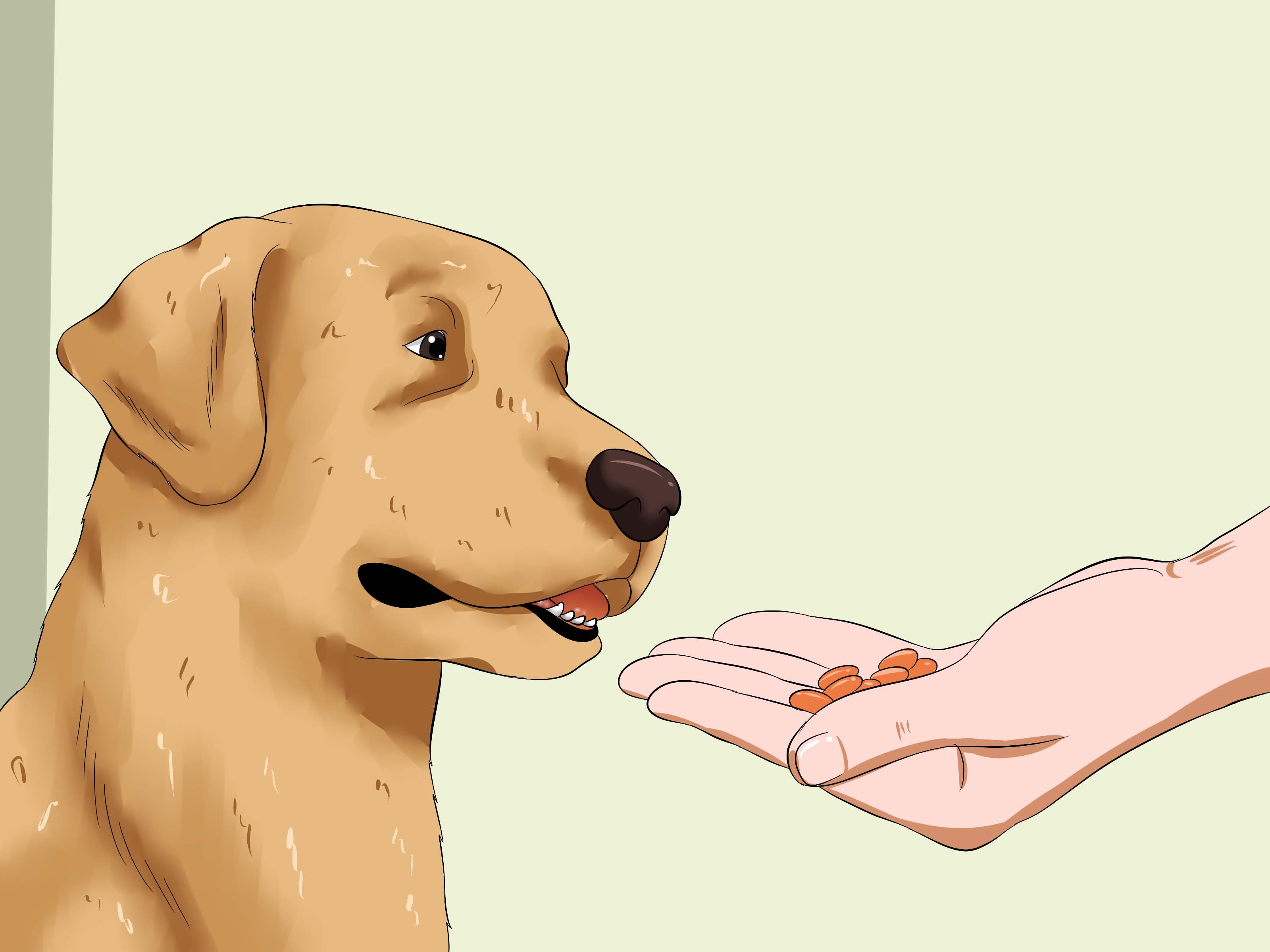
Some dogs hear kibble hit the bowl and sprint in like tiny, furry vacuum cleaners. Others stare at dry food as if you have served them a bowl of accounting homework. If your dog refuses dry food, eats around it, waits for “better offers,” or only becomes interested once you add something delicious, you are not alone. Many pet parents eventually face the classic dinner-table drama: a full bowl, a hungry-looking dog, and one very confused human.
Dry dog food can be convenient, budget-friendly, easy to store, and nutritionally complete when it carries an appropriate “complete and balanced” statement for your dog’s life stage. But even high-quality kibble can lose the popularity contest when a dog is used to wet food, table scraps, too many treats, or a daily routine where refusing food earns a five-star buffet upgrade.
The good news: you do not need to panic, bribe your dog with a steak, or write a formal apology to the kibble company. In many cases, you can encourage your dog to eat dry food by checking for health issues, transitioning gradually, making kibble more appealing, and building a consistent feeding routine. The key is to be patient, practical, and slightly more stubborn than your dog’s inner food critic.
Before trying any feeding tricks, remember this important rule: a sudden loss of appetite can be a medical warning sign. If your dog refuses food for more than 24–48 hours, acts tired, vomits, has diarrhea, loses weight, drinks much more than usual, has dental pain, or is a puppy, senior, diabetic, or medically fragile, call your veterinarian. “Picky” should be a conclusion, not the first guess.
Why Some Dogs Refuse Dry Food
A dog may turn down kibble for many reasons. Sometimes the issue is medical: dental disease, mouth pain, nausea, digestive upset, stress, or an underlying illness can reduce appetite. A dog with sore gums or a broken tooth may want to eat but avoid hard food because chewing hurts. That is not stubbornness; that is a dog saying, “My mouth has filed a complaint.”
Other times, the issue is behavioral or routine-based. Dogs are excellent pattern detectors. If refusing kibble leads to chicken, cheese, wet food, or hand-feeding, many dogs learn the system faster than we expect. The bowl becomes the opening negotiation, not dinner.
Dry food may also be unappealing because it is stale, stored poorly, too large, too hard, unfamiliar, or simply different from what your dog is used to. A sudden food switch can upset the stomach or make the new food seem suspicious. Imagine someone replaced your usual breakfast with crunchy brown pellets overnight. You might also raise an eyebrow.
Way 1: Rule Out Health Problems First
The first step is not adding broth, changing brands, or performing a motivational speech beside the food bowl. The first step is checking whether your dog can comfortably eat dry food.
Look for signs something is wrong
Watch your dog closely. A healthy picky eater usually acts normal: playful, alert, drinking normally, and interested in treats. A dog with a medical issue may show other signs, including low energy, vomiting, diarrhea, weight loss, drooling, bad breath, pawing at the mouth, chewing on one side, dropping food, or taking much longer than usual to finish meals.
Dental issues are especially important. Dogs can hide pain well, but dry kibble may expose the problem because it requires chewing. If your dog happily eats soft food but avoids crunchy kibble, schedule a veterinary dental check. Mouth pain can turn even a food-loving Labrador into a suspicious restaurant reviewer.
Check the food itself
Before blaming your dog, inspect the kibble. Is the bag expired? Does it smell rancid, sour, dusty, or unusually strong? Was it stored in a hot garage or left open too long? Dry food contains fats that can become stale when exposed to air, heat, and moisture. Keep kibble in its original bag, seal it tightly, and place the bag inside an airtight container if needed. The original bag helps preserve product details and lot numbers in case of recalls.
Also make sure the food fits your dog’s age, size, and needs. Puppies, adults, seniors, small breeds, large breeds, and dogs with medical conditions may need different formulas. Look for wording that indicates the food is complete and balanced for your dog’s life stage. If your dog has kidney disease, diabetes, food allergies, pancreatitis history, or another medical condition, ask your veterinarian before changing diets.
Way 2: Transition to Dry Food Gradually
If your dog currently eats wet food, fresh food, home-cooked meals, or another kibble, a slow transition can make dry food feel less like a shocking plot twist. Dogs often do better when the new food is introduced over several days rather than dropped into the bowl like a surprise tax bill.
Use a simple 7-day transition plan
For many healthy dogs, a gradual switch over 5–7 days works well. Start with mostly old food and a small amount of dry food, then slowly increase the kibble portion:
- Days 1–2: 75% old food, 25% dry food
- Days 3–4: 50% old food, 50% dry food
- Days 5–6: 25% old food, 75% dry food
- Day 7: 100% dry food
This schedule is not a law carved into a dog biscuit. Some dogs need more time, especially those with sensitive stomachs. If your dog develops loose stool, gas, vomiting, or refuses the mixture, slow down and return to the last ratio your dog tolerated. The goal is progress, not a race.
Keep mealtimes predictable
Dogs often eat better with structure. Offer meals at consistent times, place the bowl down for about 15–20 minutes, then pick it up if your dog walks away. This teaches that food is available at mealtime, not all day as an edible decoration.
However, do not use this approach harshly with puppies, toy breeds prone to low blood sugar, dogs with diabetes, underweight dogs, or dogs with medical problems. For those dogs, ask your veterinarian for a safe feeding plan.
During the transition, avoid turning every refusal into a better deal. If your dog skips kibble and immediately receives sausage, your dog may reasonably conclude that kibble refusal is a career path. Keep treats modest, keep table scraps off the menu, and give the new routine time to work.
Way 3: Make Dry Food More Appealing
Dry food does not have to stay completely dry. A few safe changes can make kibble smell better, feel softer, and taste more interesting without turning your dog’s diet into a nutritional circus.
Add warm water
The easiest trick is warm water. Add a small amount to the kibble, let it sit for 5–10 minutes, and serve it once it has softened slightly. Warm water releases aroma, and smell matters a lot to dogs. To a dog, dinner is not just food; it is a nose-based event.
Make sure the food is warm, not hot. Stir it and test it before serving. If your dog has dental discomfort or is transitioning from wet food, softened kibble may be easier to chew.
Use safe toppers sparingly
Toppers can help, but they should be used like seasoning, not the main course. Good options may include a spoonful of plain canned pumpkin, a little warm low-sodium broth without onion or garlic, a small amount of wet dog food, or tiny pieces of plain cooked chicken. Avoid unsafe foods such as onions, garlic, grapes, raisins, chocolate, xylitol-containing products, heavily salted foods, spicy leftovers, and fatty table scraps.
A helpful guideline is to keep treats and toppers under about 10% of your dog’s daily calories. That way, your dog still gets most nutrition from the complete-and-balanced food. Too many extras can unbalance the diet and accidentally teach your dog that plain kibble is merely the boring base layer of a snack mountain.
Try a different kibble shape or formula
Some dogs dislike the texture or size of certain kibble. A tiny senior dog may struggle with large, hard pieces. A big dog may swallow tiny kibble without much interest. If your dog seems willing to eat dry food but not that specific dry food, consider trying a different size, texture, protein source, or formula. Make changes gradually when possible.
When choosing a dry dog food, look beyond flashy packaging. Words like “premium,” “gourmet,” or “holistic” may sound impressive, but they do not automatically tell you whether the food is nutritionally appropriate. Check the nutritional adequacy statement, feeding guidelines, manufacturer reputation, and whether the formula matches your dog’s life stage.
Way 4: Make Mealtime Calm, Fun, and Rewarding
Sometimes the bowl is not the problem. The routine is. Dogs may avoid eating when the environment is noisy, stressful, competitive, or boring. A few changes to the feeding setup can make dry food more interesting and less stressful.
Create a calm eating space
Feed your dog in a quiet spot away from heavy foot traffic, other pets, and loud distractions. Some dogs feel pressured when another dog hovers nearby like a tiny food inspector. Others dislike slippery bowls, reflective metal, or tags clanking against the dish. Try a non-slip bowl, a shallow plate, or a different location.
Clean the bowl daily. Dogs have powerful noses, and a dirty bowl can hold old food odors, saliva, and bacteria. If the bowl smells bad to you, imagine what it smells like to a creature who can detect the emotional history of a sidewalk.
Use puzzle feeders or training games
For dogs who enjoy play, dry food can become part of enrichment. Use a puzzle feeder, snuffle mat, treat ball, or simple training session where kibble becomes the reward. This approach works especially well for dogs who find a plain bowl boring but love earning food.
You can ask for easy behaviors such as sit, touch, down, or eye contact, then reward with a few pieces of kibble. Scatter feeding in a clean area or using a snuffle mat can also encourage natural foraging behavior. Suddenly, kibble is not “the boring stuff in the bowl.” It is treasure.
Do not accidentally train picky eating
Many dogs become picky because the household accidentally teaches it. The pattern looks like this: dog sniffs kibble, walks away, human panics, human adds cheese, dog eats, human feels relieved, dog learns that patience produces cheese. Congratulations, the dog has trained the human.
To avoid this, decide on a reasonable plan and stick with it. Use one small topper if needed, not a rotating buffet. Keep mealtimes consistent. Praise calm eating, but do not hover anxiously. Dogs notice our energy. If dinner becomes a dramatic event, some dogs join the drama with enthusiasm.
Common Mistakes to Avoid
Mistake 1: Changing food too quickly
A sudden switch can cause stomach upset and make your dog associate the new food with discomfort. Transition gradually unless your veterinarian gives different instructions.
Mistake 2: Adding too many extras
Toppers can help, but too many extras may unbalance calories and create a dog who refuses anything plain. Keep additions small and safe.
Mistake 3: Ignoring dental pain
If your dog wants soft food but avoids hard kibble, do not assume attitude. Mouth pain, gum disease, or tooth problems may be involved.
Mistake 4: Leaving food out all day
Free-feeding works for some dogs, but for picky eaters it can make food less exciting. Scheduled meals often improve appetite and routine.
Mistake 5: Waiting too long to call the vet
If your dog stops eating, loses weight, acts sick, or has other symptoms, get veterinary advice. Appetite changes can be one of the first signs that something is wrong.
When to Call Your Veterinarian
Call your veterinarian if your dog refuses food for more than 24–48 hours, or sooner if your dog is a puppy, senior, underweight, diabetic, pregnant, nursing, or has a known health condition. Seek help quickly if appetite loss comes with vomiting, diarrhea, weakness, bloating, pain, drooling, bad breath, mouth bleeding, coughing, trouble breathing, excessive thirst, or sudden behavior changes.
Also contact your vet if your dog eats treats but refuses meals for several days, because that can still indicate pain, nausea, stress, or diet problems. A veterinary exam can rule out medical issues and help you choose a feeding strategy that is safe for your dog.
Real-Life Experience: What Actually Helps Dogs Accept Dry Food
In real homes, getting a dog to eat dry food is rarely about one magical trick. It is usually about combining small changes and staying consistent long enough for the dog to believe you mean it. One common experience goes like this: a dog eats wet food for months, then the owner tries to switch to kibble overnight. The dog sniffs the bowl, looks offended, and walks away. The owner worries, adds chicken, then adds more chicken the next day. By the end of the week, the dog has invented a new diet called “chicken with decorative kibble.”
A better approach is slower and less dramatic. Mix a small amount of dry food into the current food, soften it with warm water, and gradually increase the dry portion. Some dogs accept the change after a week. Others need two or three weeks. Dogs with sensitive stomachs often do best when the transition moves at the speed of a sleepy turtle. That is fine. The goal is not to win quickly; the goal is to build a routine that works.
Another useful experience is learning that smell matters more than we think. Many dogs become more interested when kibble is warmed slightly with water. The texture changes, the aroma increases, and the food feels less like crunchy gravel. This is especially helpful for small dogs, older dogs, or dogs that recently had dental work. Owners often report that the same food their dog ignored becomes acceptable once softened. The kibble did not become gourmet cuisine, but it at least stopped being a personal insult.
Routine also makes a huge difference. When food sits out all day, some picky dogs treat it like furniture. Scheduled meals create gentle structure. Put the food down, stay calm, give your dog a chance to eat, and remove the bowl after a short period if your dog is healthy and your vet has not advised otherwise. At the next meal, offer the same planned food again. This removes the negotiation loop. No speeches, no panic, no sudden parade of toppings.
For energetic dogs, puzzle feeders can be a game changer. Some dogs do not hate kibble; they hate boring meals. Put part of the daily portion into a food puzzle, snuffle mat, or treat ball, and the dog may suddenly become interested. Working for food can satisfy curiosity and slow fast eaters at the same time. A dog who ignores a bowl may happily search for the exact same kibble if it is hidden in a snuffle mat. Apparently, marketing matterseven in the canine dining industry.
The biggest lesson is to avoid emotional overreaction. Dogs are smart. If refusing dry food makes the whole family gather around the bowl like a crisis committee, the dog may enjoy the attention. Stay relaxed. Make reasonable improvements. Keep toppers small. Watch your dog’s health. And remember that success may look ordinary: your dog calmly eating a balanced meal without a Broadway production. That is not boring. That is victory.
Conclusion
Getting your dog to eat dry food starts with understanding why the refusal is happening. First, rule out health problems, especially dental pain or sudden appetite loss. Next, transition slowly so your dog’s stomach and taste preferences can adjust. Then, make kibble more appealing with warm water, safe toppers, or a better-suited formula. Finally, create a calm, consistent mealtime routine that does not reward picky behavior with endless upgrades.
Dry food does not have to be a battle. With patience, structure, and a little creativity, many dogs can learn to enjoy kibbleor at least stop treating it like an unpaid bill. If your dog continues refusing food or shows any signs of illness, your veterinarian is the best next step.