Note: Clean body-only HTML for web publishing; unnecessary reference artifacts removed.
Human beings love to imagine the past in sepia tones: candlelight, stone streets, dramatic cloaks, handwritten letters, and maybe a heroic breeze lifting someone’s hair on a castle wall. What we usually leave out is the smell. History, for long stretches of it, was not just dirty. It was stubbornly, aggressively, eye-wateringly fragrant in the worst possible way. If you could time-travel with your modern nose intact, you would not step into ancient Rome, medieval London, colonial New England, or an industrializing American city and say, “Ah yes, civilization.” You would say something much shorter, louder, and less printable.
That does not mean people in the past were stupid, lazy, or unaware of odor. Quite the opposite. They knew bad smells were unpleasant, they often linked them to sickness, and they spent centuries trying to fight stink with the tools they had: baths, perfumes, herbs, smoke, vinegar, fresh linen, chamber pots, privies, and eventually sewers, plumbing, disinfectants, and deodorants. The real story is not that our ancestors did not care how they smelled. It is that for most of human history, daily life made not smelling bad incredibly difficult.
Why Humans Smell in the First Place
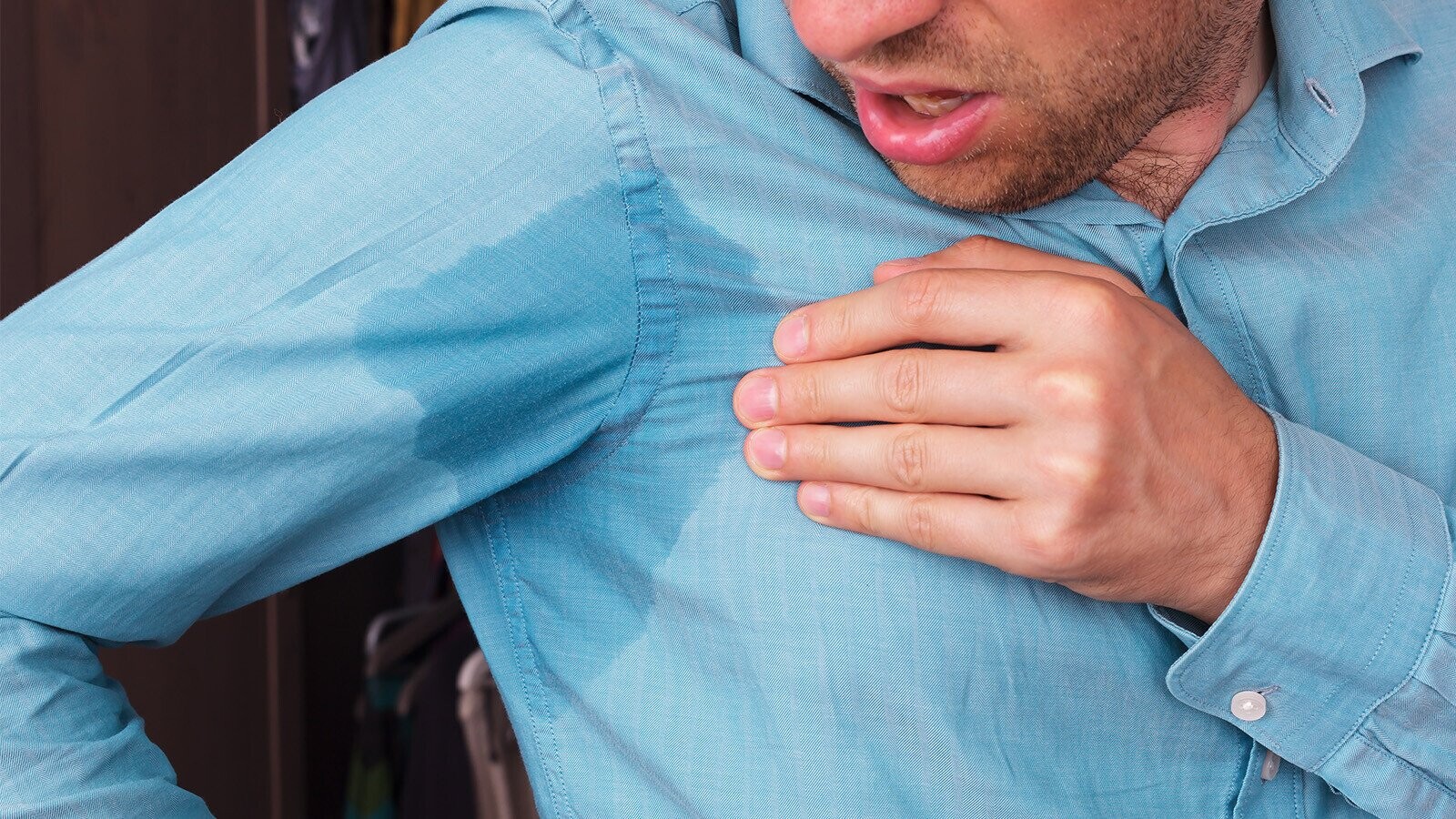
Let’s begin with an insult to sweat: sweat itself is not the real villain. Fresh sweat is mostly odorless. What usually creates body odor is the work of skin bacteria breaking down compounds in sweat, especially in warm, damp areas like the armpits and feet. The same basic rule applies to bad breath and many other human odors. In other words, your body is not a perfume factory gone wrong. It is more like a crowded apartment building where bacteria keep making questionable cooking choices.
That matters historically because humans have always been human. Ancient people sweated. Medieval people sweated. Early factory workers sweated. Farmers, soldiers, monarchs, monks, merchants, and sailors all produced the same raw materials for odor that we do today. The difference was access to clean water, laundering, soap, private toilets, sewage systems, ventilation, and the modern expectation that a person should smell vaguely like “ocean breeze” at 8:15 on a Tuesday.
The Ancient World Was Cleaner Than the Stereotype, but Not Exactly Minty
One of the biggest myths about hygiene history is that everything before modern plumbing was one long national emergency for the nose. Some ancient societies took bathing very seriously. Greek and Roman medical traditions praised bathing, exercise, diet, and bodily care. Roman elites used oils, scrapers, perfumes, and public baths, and the empire built bath complexes on a scale that would make a luxury gym chain weep with envy.
Rome: Baths Above, Latrines Below
Ancient Rome is the perfect example of civilization smelling both better and worse than the cliché. On one hand, the Romans built bathhouses, aqueducts, and a sewer system famous enough to still get name-dropped in history books. On the other hand, public and private waste disposal was far from modern. Smithsonian’s reporting on Roman toilets notes that elites often avoided connecting home cesspools directly to sewer pipes because they feared the stink and vermin would drift back inside. Even the world’s most advanced ancient infrastructure had a very clear weakness: all roads may have led to Rome, but too many smells did too.
Roman public latrines also were not exactly spa experiences. People sat side by side with little privacy, used shared sponge sticks for wiping, and depended on running water and frequent maintenance to keep conditions tolerable. Bathing culture was real, cleanliness mattered, and people absolutely tried to smell better. But if you imagine the Roman world as all marble freshness and citrus-scented air, history would like a word.
Perfume Was Old, but It Wasn’t a Miracle
Ancient cultures also used perfume, incense, oils, and scented cosmetics. That was not just vanity. Fragrance was practical, social, religious, and symbolic. It helped cover odors, signaled status, and turned “you smell like a goat shed” into something a little more temple-adjacent. Still, perfume did not eliminate the odor problem. It usually layered itself over sweat, smoke, animals, cooking fires, and city waste. The past often smelled less like one awful thing and more like twenty competing things losing an argument in the same room.
Medieval and Early Modern Cities Gave Noses a Workout
The Middle Ages are often portrayed as if nobody bathed, nobody cleaned, and everyone simply shrugged while standing knee-deep in filth. That is too simplistic. Historians of medieval sanitation have shown that towns did regulate waste, clean streets, maintain drains, and worry about foul smells. Medieval bathhouses existed, city authorities issued rules, and urban sanitation was a genuine public concern. So no, medieval people were not oblivious to stink. They were surrounded by it and trying, unevenly, to manage it.
The problem was scale. Dense towns packed together people, livestock, tanneries, butchers, cooking fires, open drains, refuse heaps, and human waste. Even where regulations existed, enforcement was inconsistent and infrastructure was limited. Add mud, rain, smoke, and a lot of organic material decomposing in public, and the smell profile becomes less “quaint market town” and more “fermented inconvenience.”
Royal Palaces Were Fancy, Not Fresh
If you think wealth solved odor, history again says: not reliably. History.com’s look at royal palaces describes how quickly a stink could build from food scraps, animal waste, vermin, smoke, overcrowding, and human waste stored in underground chambers until removal. Some rulers bathed more often than legend allows, but court life was still full of bodies, fabrics, fireplaces, laundry problems, and plumbing that was either primitive or nonexistent. A palace might glitter. It could also absolutely reek.
That gap between appearance and aroma is one of the funniest truths in hygiene history. Brocade curtains, polished silver, and jeweled goblets do not cancel out the smell of hundreds of people living, eating, sweating, and using chamber pots in a drafty building with limited sanitation. The crown, sadly, does not come with built-in deodorizing technology.
Bathing Myths Spread for a Reason
By the early modern period, parts of Europe developed deep suspicion about bathing, especially full-body immersion. Some people believed hot water opened the pores to disease. Others thought changing linen or washing exposed body parts counted as good hygiene, which, to be fair, was better than nothing and often more practical than filling a tub in a cold house. The point is not that past people loved grime. It is that their medical theories and daily realities often led them to choose methods that did not deliver modern results.
Colonial America Was Not Winning Any Fragrance Awards Either
Early American colonists brought many European attitudes about bathing with them. History.com reports that Pilgrims and Puritans often favored changing underclothes and spot-cleaning over regular bathing, while Native communities they encountered had different cleanliness practices and often bathed more frequently. That meant colonial settlements could smell strongly of unwashed wool, wood smoke, livestock, damp interiors, and human labor. Add cramped living spaces and limited winter washing, and you have a recipe for what we might politely call “heritage musk.”
This is also a useful reminder that smell is cultural as well as physical. Different societies have different expectations for what counts as clean, normal, offensive, or respectable. A person in 1620 did not wake up hoping to smell like a modern laundry commercial. They wanted comfort, health, modesty, and social acceptability within their own world. Unfortunately for our hypothetical time traveler, those standards still would not rescue the nose.
The Nineteenth Century Turned Bad Smell Into a Public Crisis
If earlier cities smelled bad, the nineteenth century industrial city often smelled bad on a larger budget. Population booms, crowded housing, horse manure, slaughterhouses, factories, coal smoke, poor drainage, overflowing privies, cesspools, and polluted rivers created an urban atmosphere that was not just unpleasant but dangerous. In both Europe and the United States, reformers began to connect filth, crowding, and wastewater with disease and mass mortality, even before germ theory was fully understood.
Library of Congress material on Jacob Riis and New York tenements underscores how closely sanitation, garbage, contaminated water, vermin, and disease were linked in overcrowded neighborhoods. The smell was not merely gross. It was a warning sign of a public health system that was failing ordinary people. Once cities grew large enough, bad odor stopped being an inconvenience and started becoming civic evidence.
The Great Stink Was History’s Most On-the-Nose Metaphor
Few events prove the point better than London’s Great Stink of 1858. As Smithsonian recounts, the Thames and city streets were so foul that the curtains in the House of Parliament were soaked in lime chloride in a desperate attempt to mask the odor. That is the kind of detail that does not need embellishment. When lawmakers have to chemically defend their drapes, infrastructure has filed a formal complaint.
But smell did something useful here: it forced action. Public health and sanitation reforms accelerated across the modern world. The CDC notes that clean water and improved sanitation dramatically reduced waterborne diseases like cholera and typhoid. EPA history explains that cities increasingly installed wastewater collection systems in the late nineteenth century as awareness of waterborne disease grew alongside indoor plumbing and flush toilets. The modern, less-stinky city was not created by etiquette alone. It was engineered.
Hospitals and Handwashing Finally Entered the Chat
During the same broad era, hygiene began changing medicine itself. PBS recounts how Ignaz Semmelweis pushed physicians to wash their hands in chlorinated lime after observing that doctors moving from autopsies to maternity wards were carrying deadly contamination. His insight did not instantly transform every hospital, but it was part of a larger shift: smell, dirt, and bodily residue were no longer just unpleasant facts of life. They were clues to transmission and preventable death.
America Cleaned Up, Slowly, and Then Started Buying Deodorant
Improved sewers, drinking water treatment, plumbing, and wastewater systems changed the daily smell of life more than almost any perfume ever could. The CDC notes that routine drinking-water disinfection spread rapidly after 1908, and EPA traces later federal water laws that pushed pollution control even further. None of this sounds glamorous, but modern civilization smells better largely because of pipes, chlorine, treatment plants, and the people who maintain them. The heroes of freshness are civil engineers, not scented candles.
Then the twentieth century added a new twist: even after cities began to smell better, people became more anxious about the smell of other people. The first commercial deodorants appeared in the 1880s, including Mum, a cream made in Philadelphia. Science History Institute explains that early deodorants targeted odor-causing bacteria rather than simply layering fragrance on top. Soon advertisers turned body odor into a social threat, and Smithsonian documents how ad campaigns taught Americans to fear offending coworkers, dates, friends, and basically anyone with nostrils.
That is when modern stink culture really took off. For most of history, the problem had been universal environmental odor: sewage, smoke, animals, rot, and crowded living. By the early twentieth century, public sanitation improvements shifted attention inward. Now the villain was your armpit, your breath, your socks, your commute after lunch. Civilization had upgraded from “the whole city smells terrible” to “I hope Janet from accounting does not notice.” Progress is beautiful, and also a little ridiculous.
Why We Still Smell, Even Now
Despite all our showers and sprays, humans remain wonderfully capable of generating smell. NIH-backed research on the skin microbiome and malodor shows that bacterial activity still shapes body odor, while Smithsonian’s reporting on bad breath notes that oral bacteria produce especially unpleasant sulfur compounds. So the modern world did not end odor; it simply reduced the giant environmental sources and gave us better tools for managing the personal ones.
That is probably the best way to understand the whole story. The past smelled bad because humans always smelled human, and because for most of history we lived close to our waste, our animals, our smoke, and one another. What changed was not the nose. It was the infrastructure around it.
A Sensory Walk Through the Smelly Past
Imagine, for a moment, a day-long walk through history guided only by your nose. You begin in an ancient city where public baths are busy, perfumes are common, and cleanliness has real cultural value. At first that sounds promising. Then you notice what else is in the air: olive oil, sweat, damp stone, smoke from fires, animals in nearby streets, and latrines doing their loud, unpoetic work. The place is not uniformly filthy, but it is intensely alive. The clean and the dirty are neighbors, not strangers.
Next you move into a medieval town at the edge of market day. Bread smells wonderful. So do herbs, ale, wool, leather, and roasting meat. Then the second wave hits: gutters, manure, fish scraps, tanning chemicals, wet clothing, and the damp funk of too many people pressed into too little space. What makes the scene memorable is not one overpowering smell but the layering. History rarely stank in a single note. It played chords.
Now step inside an early modern palace. The walls are decorated, the silver shines, and everyone is dressed as if fabric alone could defeat biology. Yet the rooms hold onto everything: smoke from fireplaces, sweat trapped in heavy garments, perfume trying heroically to perform crowd control, and waste that has to go somewhere because even royalty cannot negotiate with digestion. The whole place feels like luxury and inconvenience signed a treaty and immediately regretted it.
Then comes the industrial city, and subtlety disappears. The river smells wrong. The street smells wrong. The stable smells exactly as expected, which is somehow no comfort at all. Coal smoke settles over everything like a second weather system. Tenements are crowded, laundry is hard, drains are overmatched, and warm days turn the whole environment into a chemistry lesson nobody requested. This is the era when smell becomes political. Once stench reaches lawmakers, reform suddenly develops excellent motivation.
Finally you arrive in the modern world, where the great public odors have been pushed underground, treated, filtered, flushed, chlorinated, and regulated. The miracle of now is not that humans stopped smelling. It is that our homes, streets, and water no longer constantly remind us how fragile cleanliness once was. We still worry about body odor, bad breath, gym clothes, and suspicious leftovers in the office fridge, but those are small dramas compared with living beside an open sewer or drinking from contaminated water.
So yes, we have smelled bad throughout history. Sometimes hilariously bad. Sometimes dangerously bad. Sometimes “light a candle and open a window” bad, and sometimes “redesign the entire city” bad. But hidden inside that unpleasant story is one of humanity’s most impressive achievements: we learned, slowly and expensively, how to separate people from the worst byproducts of people. Modern freshness is not natural. It is civilization with excellent plumbing.
Conclusion
If there is a comforting lesson here, it is this: your morning shower is part of a much bigger historical victory than it seems. From Roman drains to medieval street rules, from nineteenth-century sanitation reform to twentieth-century deodorant ads, the fight against stink has always been tied to health, technology, culture, and class. We did not glide gracefully into a cleaner world. We clawed our way there with pipes, soap, science, and a growing refusal to accept that daily life should smell like a backed-up drain behind a butcher shop.
So the next time you flush a toilet, brush your teeth, wash your hands, or wrinkle your nose at a subway platform in August, remember this: compared with most of human history, you are living in the golden age of not smelling terrible.