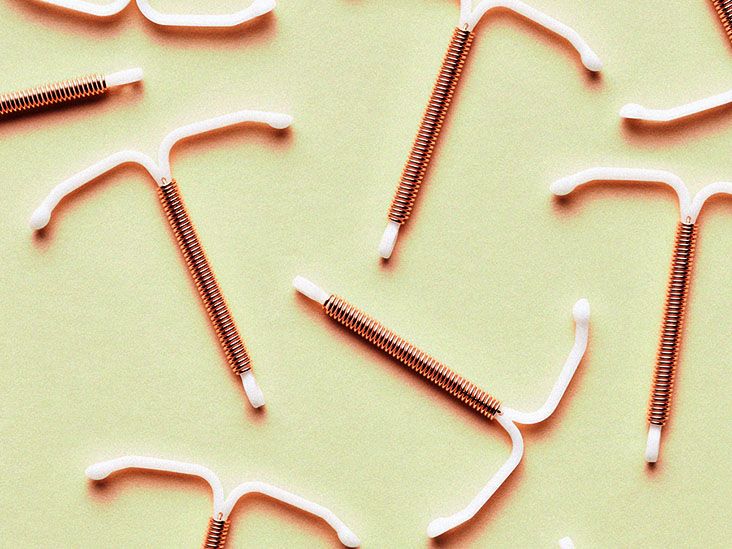
An intrauterine device, better known as an IUD, is one of those tiny medical tools with a surprisingly big reputation. It is small, T-shaped, and placed inside the uterus by a trained health care provider to help prevent pregnancy for several years. In other words, it is the “set it and don’t obsess over it every morning” option in the birth control world.
For many people, the appeal is simple: an IUD is long-lasting, highly effective, reversible, and does not require remembering a daily pill, changing a patch, or setting twelve phone alarms labeled “do not forget this again.” But an IUD is still a medical device, and choosing one should involve real informationnot rumors, not horror-story comment sections, and definitely not advice from someone’s cousin’s roommate who “heard a thing.”
This guide explains what an intrauterine device is, how hormonal and copper IUDs differ, what insertion may feel like, possible side effects, risks, benefits, costs, and what real-life users commonly wish they had known earlier.
What Is an Intrauterine Device?
An intrauterine device is a small contraceptive device that a clinician inserts into the uterus. Once placed, it stays there and helps prevent pregnancy. IUDs are considered long-acting reversible contraception, often shortened to LARC. “Long-acting” means they can work for years, and “reversible” means they can be removed if a person wants to stop using them, switch methods, or try to become pregnant.
IUDs are popular because they are low-maintenance. After insertion, there is no daily action required. You do not have to take a pill at the same time every day, bring supplies on vacation, or panic because your backpack ate your birth control pack. The device quietly does its job in the background.
Types of IUDs Available in the United States
In the United States, IUDs fall into two main categories: hormonal IUDs and the copper IUD. Both are highly effective, but they work differently and can affect periods in different ways.
Hormonal IUDs
Hormonal IUDs release a small amount of levonorgestrel, a type of progestin. This hormone mainly helps prevent pregnancy by thickening cervical mucus, making it harder for sperm to move, and by thinning the lining of the uterus. Some hormonal IUDs may also reduce ovulation in some users, although that is not their main job.
Common hormonal IUD brands in the United States include Mirena, Liletta, Kyleena, and Skyla. Their approved length of use varies by brand. Mirena and Liletta can prevent pregnancy for up to 8 years, Kyleena for up to 5 years, and Skyla for up to 3 years. Your clinician can help confirm which option fits your health history, period pattern, and future pregnancy plans.
Hormonal IUDs are often chosen by people who want lighter periods. Some users have spotting at first, then much lighter bleeding over time. Some stop having periods while the IUD is in place. For people with heavy menstrual bleeding, certain hormonal IUDs may be especially helpful.
Copper IUD
The copper IUD, sold as Paragard in the United States, does not contain hormones. Instead, it uses copper, which creates an environment that interferes with sperm movement and fertilization. It can prevent pregnancy for up to 10 years according to its FDA-approved labeling.
The copper IUD may appeal to people who want a hormone-free birth control option. It also starts working right away after placement. However, it can make periods heavier, longer, or crampier, especially during the first several months. For someone who already has very heavy periods, that detail mattersa lot.
How Effective Is an IUD?
IUDs are among the most effective reversible birth control methods available. With typical use, fewer than 1 out of 100 IUD users becomes pregnant during the first year. That is partly because there is very little room for user error. Once the device is properly placed, it works without daily attention.
This is one reason IUDs are often compared favorably with methods that require regular action. Birth control pills, for example, can be very effective when taken perfectly, but real life has a way of interrupting perfect routines. Alarms fail. Schedules change. People travel. Life becomes a circus with Wi-Fi. An IUD removes much of that daily responsibility.
Who Might Consider an IUD?
An IUD may be worth discussing with a health care provider if you want long-term birth control, prefer a low-maintenance method, want something reversible, or are looking for an option that does not require estrogen. Many people can safely use IUDs, including those who have never given birth.
A hormonal IUD may be a good match for someone who wants shorter, lighter, or less painful periods. A copper IUD may be a better fit for someone who wants to avoid hormonal contraception. Neither choice is automatically “better.” The best IUD is the one that fits your body, your health history, and your priorities.
Who May Not Be a Good Candidate?
An IUD is not right for everyone. A clinician may recommend another method if someone has certain uterine abnormalities, unexplained vaginal bleeding, an active pelvic infection, certain cancers, or a condition that makes insertion unsafe. People with a copper allergy or Wilson disease should not use the copper IUD. Those with certain hormone-sensitive conditions may need to avoid hormonal IUDs or discuss risks carefully.
This is why the appointment before insertion matters. A good provider does not simply say, “Great, pick one from the menu.” They review medical history, current symptoms, medications, pregnancy risk, infection risk, and personal preferences.
What Happens During IUD Insertion?
IUD insertion is usually done in a clinic or office visit. The provider performs a pelvic exam, cleans the cervix, measures the uterus, and places the IUD through the cervix into the uterus using a thin insertion tube. The device opens into its T shape once inside. The provider then trims the strings so they rest near the cervix.
The appointment may be short, but the experience varies. Some people describe insertion as mild pressure or a strong cramp. Others find it painful, intense, or emotionally stressful. The honest answer is that pain can range from “that was annoying” to “why did nobody warn me?” A provider should explain what to expect and discuss pain-management options in advance.
Current guidance does not recommend routine misoprostol for every IUD placement, but it may be used in selected situations, such as after a failed insertion attempt. Lidocaine, either topical or as a paracervical block, may help reduce pain for some patients. Over-the-counter pain medicine may also be discussed, depending on personal health factors.
What to Expect After Insertion
Cramping and spotting are common after IUD placement. Some people return to normal activities the same day, while others prefer to rest with a heating pad and a dramatic snack selection. Both reactions are normal. Mild cramping may last a few hours or several days.
Period changes are also common. Hormonal IUD users may notice irregular bleeding or spotting during the first few months, followed by lighter periods over time. Copper IUD users may experience heavier bleeding and stronger cramps, particularly at first.
A clinician may advise a follow-up visit or explain how to check for the IUD strings. If the strings feel much longer or shorter than before, or if the hard plastic part of the IUD can be felt, it is time to contact a provider.
Benefits of an IUD
Long-Term Pregnancy Prevention
Depending on the type, an IUD can last from 3 to 10 years. That makes it useful for people who want reliable contraception without frequent refills, replacements, or daily planning.
Reversible Fertility
An IUD can be removed by a health care provider at any time. Fertility usually returns quickly after removal. If pregnancy is not desired after removal, another birth control method should be started right away.
Low Maintenance
Once inserted, an IUD does not require daily attention. This is a major advantage for busy students, parents, workers, travelers, or anyone whose calendar already looks like a group project gone wrong.
Period Benefits With Hormonal IUDs
Hormonal IUDs can reduce menstrual bleeding and cramps for many users. Some people eventually have very light periods or no periods. For those with heavy bleeding, this can be more than convenientit can improve daily comfort and quality of life.
Hormone-Free Option With Copper
The copper IUD gives users a highly effective nonhormonal option. This can be helpful for people who cannot use estrogen or prefer to avoid hormonal birth control.
Possible Side Effects
Side effects depend on the type of IUD. Hormonal IUDs may cause irregular bleeding, spotting, headaches, acne, breast tenderness, mood changes, or pelvic cramping. These effects often improve after the first few months, but not always.
Copper IUDs may cause heavier periods, longer bleeding, and stronger cramps. For some users, this settles over time. For others, it remains bothersome enough to switch methods.
The key point: “common” does not mean “you must suffer silently.” If bleeding, pain, mood symptoms, or any other side effect disrupts daily life, a provider can help evaluate whether the IUD is still the best choice.
Risks and Warning Signs
Serious IUD complications are uncommon, but they can happen. Possible risks include expulsion, infection, uterine perforation, and pregnancy with an IUD in place. If pregnancy happens with an IUD, medical evaluation is important because of the risk of ectopic pregnancy.
Contact a health care provider promptly for severe pelvic pain, fever, unusual discharge, very heavy bleeding, a positive pregnancy test, pain that keeps getting worse, or if you think the IUD has moved or come out.
Also remember that IUDs do not protect against sexually transmitted infections. Barrier protection, such as condoms, may still be recommended depending on a person’s situation and risk.
Does IUD Removal Hurt?
IUD removal is usually faster than insertion. A clinician gently pulls the strings, and the arms of the IUD fold as it slides out. Some people feel a brief cramp. Others barely notice it. If the strings are not visible or removal is more complex, the provider may need additional tools or imaging.
Never try to remove an IUD yourself. The “DIY spirit” is wonderful for repainting a bookshelf, not for removing medical devices.
How Much Does an IUD Cost?
IUD costs vary widely depending on insurance, clinic, location, device type, insertion fees, and follow-up care. Without coverage, the total cost may be high. With many insurance plans, FDA-approved birth control methods may be covered, but billing details can differ. Community clinics, Title X family planning clinics, and public health programs may offer lower-cost options for eligible patients.
Before scheduling insertion, it is smart to ask about the device cost, insertion fee, removal fee, follow-up visit, ultrasound if needed, and what the insurance plan covers. In medical billing, “covered” is a beautiful word, but it is still worth confirming the fine print.
How to Choose Between Hormonal and Copper IUDs
Choosing an IUD is less about finding the “best” device and more about finding the best fit. Consider these questions:
- Do you prefer to avoid hormones?
- Are your periods already heavy or painful?
- Would lighter periods be a benefit?
- How long do you want pregnancy prevention?
- Do you have medical conditions that affect your options?
- How do you feel about possible spotting or menstrual changes?
A hormonal IUD may be appealing if heavy bleeding is a problem. A copper IUD may be appealing if avoiding hormones is the top priority. A provider can help compare the details without pushing a one-size-fits-all answer.
Common Myths About IUDs
Myth 1: IUDs Are Only for People Who Have Had Children
This is outdated. Many people who have never given birth can safely use an IUD.
Myth 2: IUDs Cause Infertility
IUDs are reversible. Fertility usually returns quickly after removal. Untreated pelvic infections, not IUDs themselves, are more strongly connected with fertility problems.
Myth 3: You Cannot Remove an IUD Early
You can ask for removal at any time. You do not have to keep an IUD until its expiration date if it is not working for you.
Myth 4: No Period Means Something Is Wrong
With some hormonal IUDs, very light periods or no periods can be expected. Still, anyone with pregnancy symptoms, pain, or concern should check with a provider.
Real-Life Experiences: What People Often Wish They Knew
The medical facts about IUDs are important, but real-world experience adds another layer. Many users say the biggest surprise is how different the insertion experience can be from person to person. One person may describe it as a sharp but brief cramp, while another may need the rest of the day to recover. That does not mean one person is exaggerating or another is unusually tough. Bodies respond differently, and pain is personal.
A common lesson is to plan insertion day thoughtfully. Some people schedule the appointment when they can go home afterward instead of rushing back to school, work, or errands. Having a heating pad, comfortable clothes, water, and a simple meal ready can make the day feel less chaotic. It is not because everyone will need major recovery time; it is because having options is better than discovering you want options while standing in a grocery store aisle with cramps.
Another experience many users share is the adjustment period. Hormonal IUD users may get frustrated by spotting that seems random at first. It may show up when least convenient, because apparently uteruses do not check calendars. For many people, this improves after a few months, and periods become lighter. However, the waiting period can feel longer if nobody warned them that irregular bleeding is common early on.
Copper IUD users often say they appreciated having a hormone-free method, but some were surprised by heavier periods or stronger cramps. For people who already had intense periods, this could be a deal-breaker. Others found the symptoms manageable with time and guidance from a clinician. The experience depends heavily on baseline menstrual patterns.
Some users also mention the emotional side of getting an IUD. For one person, it may feel empowering to have long-term pregnancy prevention handled. For another, the idea of a device inside the body may feel strange at first. Both reactions are valid. Feeling nervous does not mean the choice is wrong; it means the choice is personal.
Communication with the provider makes a major difference. People tend to feel more satisfied when their clinician explains each step, discusses pain control, answers questions without rushing, and takes concerns seriously. A dismissive “you’ll be fine” is not the same as informed consent. Patients deserve clear information, respectful care, and the ability to pause or ask questions.
Another practical tip from real-life experience is to track symptoms for the first few months. A simple note on bleeding days, cramps, mood changes, or unusual pain can help during follow-up. Memory is unreliable when life is busy. A symptom log gives the provider better information and helps the user notice whether things are improving, staying the same, or getting worse.
Finally, many people wish they had known that removing an IUD is allowed whenever it no longer fits their needs. You do not have to “earn” removal by suffering enough. If side effects are unacceptable, if plans change, or if another method feels better, a clinician can discuss removal and alternatives. Birth control should support your life, not turn into a tiny T-shaped landlord with a 10-year lease.
Conclusion
An intrauterine device is a small but powerful birth control option. It offers long-term, highly effective, reversible pregnancy prevention with very little daily effort. Hormonal IUDs may lighten periods and reduce cramps, while the copper IUD provides a hormone-free option that can last up to 10 years.
Still, an IUD is not perfect for everyone. Insertion can be uncomfortable, side effects vary, and rare complications require medical attention. The best decision comes from matching accurate information with personal health needs and a respectful conversation with a qualified health care provider.
If you are considering an IUD, go in prepared: know the types, ask about pain control, discuss costs, understand warning signs, and choose the option that fits your bodynot someone else’s dramatic review thread. The right birth control method should feel informed, practical, and realistic for your life.