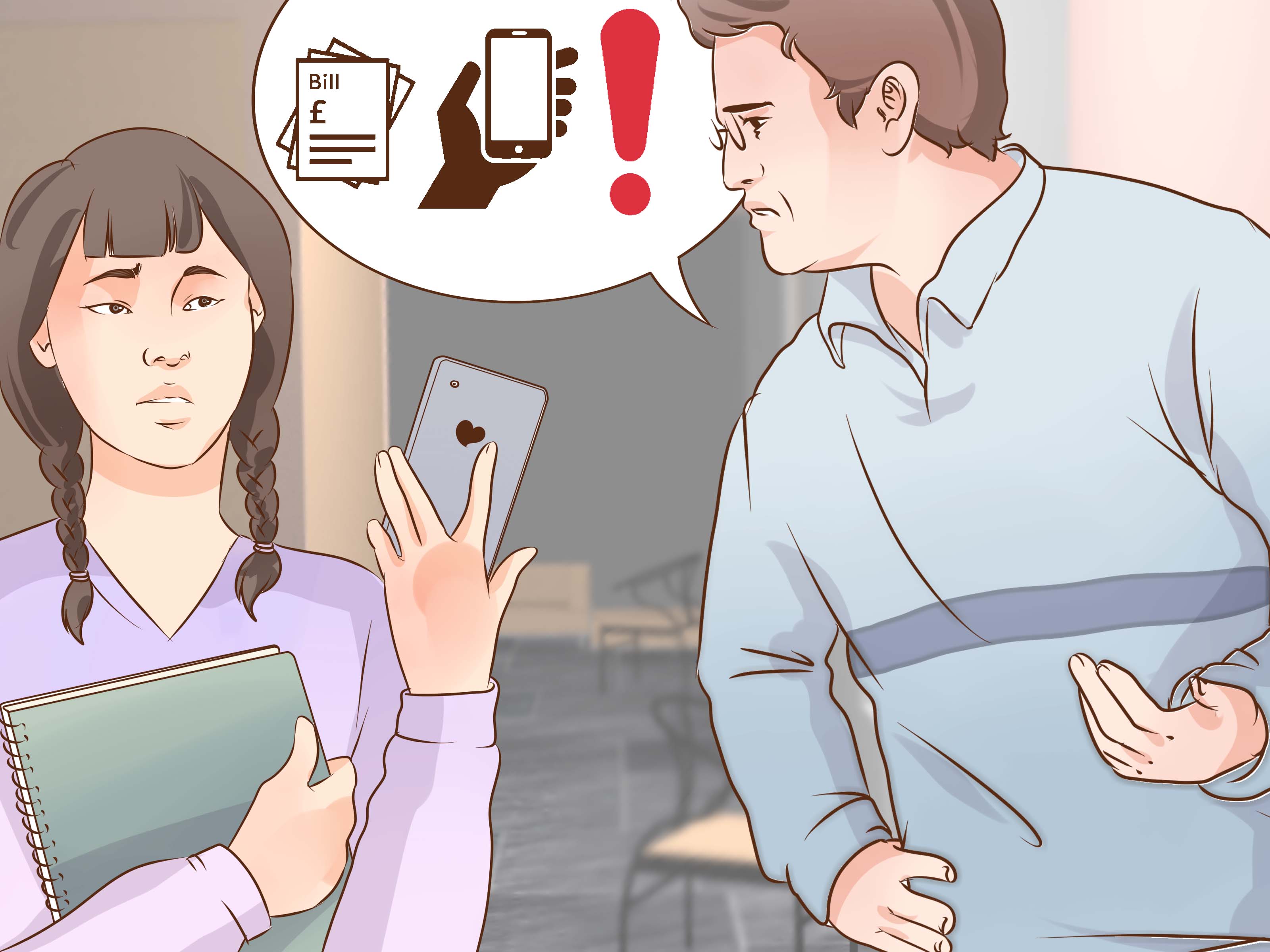
Back talk from children can make even the calmest parent feel like a cartoon kettle with steam shooting out of both ears. One minute you ask your child to put on shoes, and the next you are somehow in a courtroom debate about “fairness,” “freedom,” and why socks are apparently a form of oppression.
The good news? Back talk is not always a sign that your child is turning into a tiny villain with a juice box. Often, it is a messy mix of growing independence, frustration, tiredness, testing limits, and still-developing communication skills. Children are learning how to express disagreement, but they do not always know how to do it respectfully. That is where parents come innot as referees with whistles, but as steady guides.
This guide explains how to deal with back talk from children in 14 practical steps. You will learn how to respond without yelling, set firm boundaries without turning every moment into a power struggle, and teach your child better ways to communicate. The goal is not to raise a child who never disagrees. The goal is to raise a child who can disagree respectfully, listen, repair mistakes, and understand that tone matters.
What Is Back Talk?
Back talk is a disrespectful or argumentative response to a parent, caregiver, teacher, or another adult. It may sound like sarcasm, eye-rolling, rude comments, shouting, muttering, blaming, mocking, or refusing with attitude. Classic examples include: “You’re not the boss of me,” “Whatever,” “That’s stupid,” “I don’t care,” or the ever-popular dramatic sigh that could power a small wind turbine.
However, not every disagreement is back talk. A child saying, “I don’t think that’s fair,” in a calm tone is practicing self-expression. A child screaming, “You’re so mean, I hate this family rule!” is having a much harder time managing emotion. Parents need to separate the message from the delivery. Sometimes the child has a valid concern wrapped in a disrespectful package.
Why Children Talk Back
Children talk back for many reasons. Younger children may lack emotional regulation and language skills. School-age kids may be testing boundaries or copying what they hear from friends, siblings, shows, or adults. Tweens and teens often talk back because they are seeking more independence and want to be heard. Sometimes back talk is connected to hunger, stress, embarrassment, lack of sleep, too much screen time, or feeling powerless.
Back talk can also become a habit when it works. If a child argues long enough and the parent gives in, the child learns that resistance pays. If a parent reacts with big emotion every time, the child may also get attentioneven negative attention. This does not mean the child is “bad.” It means the family needs a better pattern.
How to Deal with Back Talk from Children: 14 Steps
1. Stay Calm Before You Respond
The first step is also the hardest: do not take the bait. When your child talks back, pause before responding. Take a slow breath, lower your voice, and keep your face neutral. Children borrow calm from adults. If you explode, the situation usually becomes a competition over who can be louder, and spoiler alert: nobody wins.
Try saying, “I want to hear you, but I will listen when you speak respectfully.” This keeps the door open while making the boundary clear. You are not ignoring your child. You are refusing to argue with disrespect.
2. Do Not Back Talk Back
It is tempting to reply with sarcasm when your child is rude. A child says, “You’re ruining my life,” and your brain instantly prepares a full TED Talk titled “Actually, I Bought You Snacks Yesterday.” Resist that urge.
Children learn communication by watching adults. If parents respond with insults, mocking, name-calling, or threats, children learn that disrespect is allowed when someone is angry. Instead, model the tone you want your child to use. Calm does not mean weak. Calm means you are still driving the parenting bus, even if someone in the back seat is yelling about screen time.
3. Name the Behavior Clearly
Children need to know exactly what went wrong. Avoid vague labels like “You’re being bad” or “You’re so disrespectful.” Be specific: “The words you used were not okay,” or “Rolling your eyes and saying ‘whatever’ is not respectful.”
This helps your child understand the difference between having feelings and expressing them in a hurtful way. You might say, “You can be upset about cleaning your room. You may not call me names.” That sentence teaches two things at once: emotions are acceptable, disrespect is not.
4. Listen for the Real Message Under the Attitude
Back talk often hides a real problem. A child who says, “You never let me do anything!” may actually mean, “I want more independence.” A child who snaps, “Leave me alone!” may be overwhelmed, embarrassed, or exhausted.
Listening does not mean surrendering the rule. It means collecting information. Try asking, “What are you trying to tell me in a better way?” or “Are you upset about the rule, the timing, or something else?” This helps children practice turning emotional reactions into actual communication.
5. Set a Respect Rule Before Conflict Happens
Rules work better when they are explained during calm moments. Choose a time when nobody is angry and talk about respectful disagreement. You can say, “In our family, it is okay to disagree. It is not okay to yell, insult, mock, or slam doors.”
Keep the rule short enough that your child can remember it. For example: “Say it respectfully, or try again.” This becomes a family phrase you can use in the moment without giving a lecture. Long lectures during conflict often turn into background noise, like a dishwasher with opinions.
6. Teach a Better Script
Many children talk back because they do not know what to say instead. Give them replacement phrases. For younger kids, try: “I’m mad,” “Can I have a minute?” or “I need help.” For older kids, teach: “Can we talk about this?” “I disagree because…” or “Can I explain my side?”
You can even practice when everyone is calm. Say, “Let’s try that again. Instead of ‘That’s stupid,’ say, ‘I don’t understand why I have to do this.’” The goal is not robotic politeness. The goal is giving your child words that work better than verbal fireworks.
7. Use the “Try Again” Method
The “try again” method is simple and powerful. When your child responds rudely, calmly say, “Try that again with respect.” Then wait. Do not add a speech. Do not chase the argument. Give your child a chance to repair the moment.
For example, your child says, “Fine, whatever, I’ll do it because you’re annoying.” You respond, “Try again.” Your child may say, “Fine, I’ll do it.” That is not perfect, but it is progress. Over time, you can raise the standard: “Thank you for trying again. Next time, use a calmer tone too.”
8. Avoid Power Struggles
Back talk loves an audience and feeds on power struggles. If you argue over every sentence, the original issue disappears. Suddenly the room still is not cleaned, homework still is not done, and everyone is emotionally exhausted.
Use short, firm statements. “The rule is homework before games.” “You may be upset. The answer is still no.” “I will talk when your voice is calm.” Then stop talking. Children often need fewer words, not more. Think of yourself as a calm road sign: clear, steady, and not interested in debating traffic law.
9. Offer Choices Within Limits
Children are more likely to cooperate when they feel some control. Instead of saying, “Clean your room now,” try, “Would you like to start with clothes or toys?” Instead of “Do your homework,” say, “Do you want to start before dinner or right after dinner?”
Choices do not mean the child controls the family. They mean the parent controls the boundary while the child gets age-appropriate input. This reduces back talk because the child feels less trapped. The key is to offer only choices you can accept.
10. Use Logical Consequences, Not Revenge
A consequence should teach, not punish out of anger. If a child talks back while refusing to turn off a video game, a logical consequence may be losing game time for the evening because they showed they could not transition respectfully. If a child is rude during a family discussion, they may need to take a break and return when ready to speak respectfully.
Avoid consequences that are huge, unrelated, or impossible to enforce. “You’re grounded for life” sounds dramatic, but your child knows the parole board will meet by Friday. Keep consequences reasonable, connected, and consistent.
11. Praise Respectful Communication
Parents often notice disrespect immediately but miss respectful effort. Catch your child doing it right. Say, “I know you were frustrated, but you asked calmly. That was mature.” Or, “Thank you for disagreeing without yelling.”
Positive attention strengthens the behavior you want to see again. Children need to know that respectful communication gets noticed. This does not mean throwing a parade because your child did not insult anyone before breakfast. A simple, specific comment is enough.
12. Watch Your Own Stress Level
Parenting while stressed is like trying to fold a fitted sheet during a tornado. When adults are overwhelmed, they are more likely to snap, lecture, threaten, or overreact. Children often mirror that emotional climate.
Build small pauses into your day. Step away for a minute when safe. Drink water. Lower your voice on purpose. Say, “I am too frustrated to talk well right now. I will come back in five minutes.” This models self-control and teaches your child that taking a break is better than saying something hurtful.
13. Repair After the Conflict
Repair is one of the most underrated parenting tools. After everyone calms down, revisit the moment briefly. You might say, “Earlier, things got heated. I did not like the way you spoke to me, and I also raised my voice. Let’s talk about how we can do better next time.”
Repair teaches accountability without shame. It also shows children that relationships can recover after conflict. This is a life skill they will need with friends, teachers, coworkers, and future roommates who leave mysterious leftovers in the fridge.
14. Know When to Get Extra Help
Most back talk is normal and improves with consistent parenting. However, extra support may be helpful if your child’s behavior is extreme, frequent, aggressive, affecting school, harming relationships, or connected with intense anger, anxiety, sadness, sleep problems, or major family stress.
Talk with your child’s pediatrician, school counselor, or a licensed family therapist if you feel stuck. Asking for support is not a parenting failure. It is maintenance. Even excellent cars need mechanics, and children are much more complicated than cars because cars do not argue about broccoli.
What Not to Do When Children Talk Back
Some responses may stop back talk in the moment but create bigger problems later. Avoid yelling, humiliating, mocking, threatening, or using physical punishment. These reactions can increase fear, resentment, and more aggressive communication. They also distract from the lesson you want your child to learn.
Do not demand instant emotional perfection. Children are still developing self-control. That does not mean you excuse rude behavior, but it does mean you teach the skill repeatedly. Think coaching, not courtroom sentencing.
Age-by-Age Tips for Handling Back Talk
Toddlers and Preschoolers
Young children often sound defiant because they are learning independence. Keep instructions short, use simple choices, and help them name feelings. Say, “You are mad because playtime is over. It is still time for bath.” Use calm repetition and predictable routines.
School-Age Children
Children ages 6 to 12 can understand rules, tone, and consequences better. Teach respectful phrases and involve them in problem-solving. Ask, “What would help mornings go more smoothly?” Children are more likely to follow plans they helped create.
Tweens and Teens
Older children need respect and boundaries at the same time. Listen to their opinions, explain the reason behind rules, and allow appropriate negotiation. However, do not accept insults or intimidation. A useful phrase is, “I am willing to discuss the rule. I am not willing to be spoken to that way.”
Helpful Phrases Parents Can Use
Sometimes parents need words ready before the drama starts. Try these calm responses:
- “I hear that you are upset. Say it respectfully.”
- “You can disagree, but you may not insult.”
- “Try that again in a calmer voice.”
- “I will talk with you when we are both calm.”
- “The rule is not changing because of rude words.”
- “Take a break, then come back and tell me what you need.”
- “I love you too much to argue with disrespect.”
Use these phrases consistently. At first, your child may test whether you really mean it. Stay steady. Consistency is what turns a phrase into a family habit.
How to Prevent Back Talk Before It Starts
Prevention is not magic, but it helps. Make sure your child gets enough sleep, food, movement, and connection. Many arguments begin when children are hungry, rushed, overstimulated, or feeling ignored. A child who receives regular positive attention is often less likely to seek attention through conflict.
Spend small pockets of focused time together. Ten minutes of undistracted attention can change the tone of the day. Let your child choose the activity when possible. Put the phone away, follow their lead, and enjoy them without correcting every tiny thing. Connection does not remove all back talk, but it gives discipline a stronger foundation.
Real-Life Experiences: What Back Talk Looks Like at Home
Experience shows that back talk rarely happens in perfect, quiet moments. It shows up when everyone is late, the dog is barking, breakfast is somehow on the floor, and one shoe has joined a witness protection program. In these moments, parents often want a fast fix. But the most effective response usually begins with slowing down.
Imagine a parent asking an eight-year-old to turn off the tablet. The child snaps, “No! You never let me do anything fun!” The parent’s first instinct may be to say, “That’s it, no tablet for a week!” But a better response might be, “You are upset. You may not yell at me. The tablet still goes off now. We can talk after dinner about when you will use it tomorrow.” This response does three important things: it names the feeling, holds the limit, and postpones the debate until everyone is calmer.
Another common situation happens with tweens. A parent says, “Please put your laundry away,” and the child replies, “Why do I have to do everything around here?” This is the kind of sentence that can make a parent mentally list every meal cooked, bill paid, ride given, and sock rescued since 2012. But instead of launching into a speech, the parent can say, “You do not have to like the chore. You do need to speak respectfully. Laundry needs to be put away before screen time.” Short. Clear. Boring in the best possible way.
With teens, back talk can sound sharper because they are practicing adult-level arguments with not-quite-adult emotional control. A teen may say, “This rule is ridiculous. None of my friends have to do this.” Instead of dismissing the teen completely, a parent can respond, “I am willing to hear your argument. Start again without calling the rule ridiculous.” This preserves the teen’s dignity while keeping the standard high.
Many parents also discover that timing matters. Trying to teach a lesson while a child is furious is like trying to install software during a power outage. Nothing loads correctly. A calm follow-up later often works better: “Earlier, you were angry about stopping the game. What could you say next time instead of yelling?” This turns the conflict into a learning moment.
Parents who handle back talk well are not perfect. They apologize when they overreact. They repeat rules more times than they ever imagined possible. They choose battles. They learn that a child’s rude tone can be addressed without turning the home into a debate club with snacks. Most importantly, they keep showing their child, “I care about what you feel, and I will still teach you how to express it respectfully.”
Over time, these small moments build emotional maturity. A child who once shouted, “You’re unfair!” may eventually learn to say, “Can I explain why I’m frustrated?” That is a big win. Not a movie-ending, slow-motion, inspirational soundtrack winbut a real parenting win. And in family life, those count.
Conclusion
Dealing with back talk from children is not about winning every argument. It is about teaching respect, emotional control, and better communication. Children need room to disagree, but they also need clear limits on how disagreement is expressed. When parents stay calm, set consistent boundaries, teach better words, and repair after conflict, back talk becomes less of a daily battle and more of a skill-building opportunity.
The next time your child responds with attitude, remember: pause first, teach second, lecture never if you can help it. Your child is learning how to handle frustration, power, disappointment, and independence. With patience and consistency, you can help them trade rude reactions for respectful communicationand maybe even put on their shoes without a constitutional debate.