Note: Clean HTML body only, ready for publishing.
Home security has a funny reputation. The phrase makes people picture giant alarm panels, dramatic camera angles, and a monthly bill that arrives looking smug. But the truth is much less cinematic and a lot more encouraging: many of the best ways to improve your home security are not expensive at all. In fact, some of them cost less than takeout for two, and one of them costs exactly zero dollars if you already own a screwdriver and the ability to remember to lock a window.
If you want a safer home without draining your bank account, the smartest approach is not to build a fortress that would impress a medieval king. It is to make your house look harder to enter, less rewarding to target, and more annoying to mess with. Most opportunistic criminals are not looking for an epic challenge. They are looking for convenience. Your job is to make your home feel profoundly inconvenient.
Below are 10 low cost ways to improve your home security, along with specific examples, practical tips, and the kind of advice that actually works in real life. No fear-mongering. No gadget worship. Just affordable, realistic upgrades that make sense.
1. Reinforce Your Front Door Before You Buy Anything Fancy
If your home security budget is small, your front door should get first dibs. A surprising number of break-ins come down to weak hardware, short screws, flimsy strike plates, or worn frames. A beautiful smart camera is nice, but a weak door is still a weak door.
Start with the basics. Check whether your strike plate is sturdy and whether the screws holding it in place are long enough to bite into the wall framing. Upgrading to longer screws and a stronger strike plate is one of the cheapest security improvements you can make. It is not glamorous, but neither is getting kicked in by your own bad hardware choices.
Budget-friendly ideas
Replace short screws with 3-inch screws, tighten loose hinges, and inspect the door frame for cracks or soft wood. If your door has visible wear, fix that first. A deadbolt mounted on a tired frame is like putting a bodyguard on a folding chair.
2. Upgrade Your Locks and Actually Use Them Consistently
There is a big difference between owning locks and using them like you mean it. One of the easiest habits to build is locking doors and windows every time you leave, even if you are “just running out for a minute.” Those are famous last words in homeowner language.
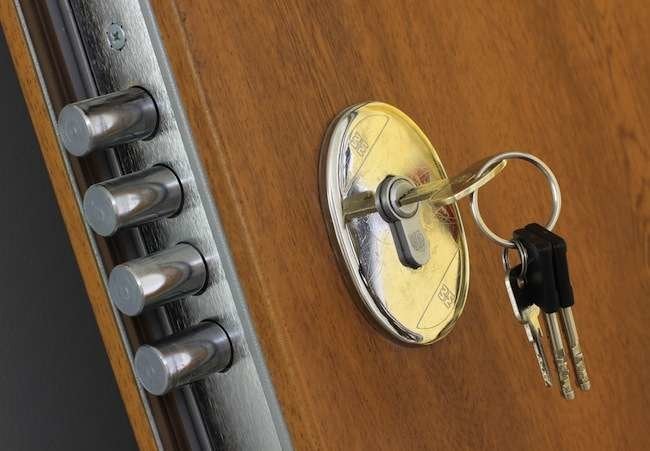
If your exterior doors still rely on weak spring-latch locks, consider upgrading to a quality deadbolt. You do not need a luxury lock with the personality of a spaceship. You need something sturdy, reliable, and properly installed. For renters, even simple permission-friendly upgrades such as better window latches or portable door security devices can add peace of mind.
Also, do not ignore side doors, back doors, basement doors, or the door between your garage and your house. Intruders are not obligated to use the front entrance like polite dinner guests.
3. Add Motion-Sensor Lighting Where It Matters Most
Motion-sensor lighting is one of the best low cost ways to improve your home security because it works on two levels. First, it improves visibility around entry points. Second, it removes the cover of darkness that makes sneaky behavior easier. Burglars generally prefer privacy, and a floodlight that suddenly says, “Hello there, criminal stranger,” tends to ruin the mood.
You do not have to light your entire property like a football stadium. Focus on high-value areas: front doors, back doors, garages, side gates, first-floor windows, and dark walkways. Many motion-sensor bulbs and fixtures are affordable, easy to install, and widely available. Some battery-powered and solar-powered options make the job even easier if wiring is not your thing.
Where to place them
Prioritize corners with poor visibility, entrances hidden by fences or shrubs, and any area where you would personally feel uneasy walking at night. If it feels creepy to you, it probably feels useful to someone with bad intentions too.
4. Secure Windows With Simple, Inexpensive Add-Ons
Doors get all the attention, but windows are often the quieter problem. First-floor windows are obvious concerns, yet second-floor windows can matter too if they are visible from the street or easily reached from a fence, ladder, porch roof, or garage.
Low-cost window security does not need to be complicated. Check that every window lock works. Add inexpensive window stops or sash pins where appropriate. Use security film on vulnerable glass if you want to make smashing through it more difficult. Even privacy film can help in certain areas by limiting what people can see from outside.
The goal is not to make every window invincible. The goal is to add delay, noise, uncertainty, and frustration. Criminals love quick wins. Your windows should be the opposite of that.
5. Don’t Forget Sliding Doors and the Garage
Sliding glass doors often look secure until you remember they sit on tracks and can be vulnerable without extra reinforcement. A simple blocking bar, security bar, or track rod is an inexpensive fix that can make a big difference. If you have a sliding door and have not secured the track, your home may be sending out “easy mode” energy.
The garage deserves equal attention. Many homeowners lock the front door carefully and then treat the garage like a free-range storage barn. That is a mistake. A garage can hold tools, bikes, equipment, and easy access to the rest of the house. Keep the main garage door closed, reinforce side doors with deadbolts, use opaque coverings or privacy film on garage windows, and make sure the interior door to your home is solid and locked.
Cheap garage wins
Install motion lights, add a basic contact sensor, cover windows, and avoid leaving expensive tools in plain sight. If your garage says “free power tools inside,” someone may RSVP without asking.
6. Trim Landscaping and Remove Hiding Spots
Landscaping can improve curb appeal, but it can also create wonderful hiding places for people who should not be hiding there. Tall shrubs under windows, overgrown hedges near entrances, and cluttered side yards make it easier for someone to work unseen.
This fix is refreshingly affordable. Trim bushes back from windows and doors. Keep pathways visible from the street. Move ladders, large bins, and spare tools out of easy reach. In other words, do not decorate your yard like you are hosting a burglary-themed obstacle course.
Visibility matters. A home that looks open, tidy, and cared for often feels less appealing to criminals than one that looks dark, cluttered, and half-abandoned by its own owners.
7. Make Your Home Look Occupied When You’re Away
A house that looks empty can attract the wrong kind of attention. The good news is that making your home appear lived-in does not have to cost much. Lamp timers, smart plugs, and a few consistent habits can go a long way.
Set lights to turn on in the evening. Vary the rooms if possible. Keep a car in the driveway when practical. Ask a trusted neighbor to keep an eye on things, especially during vacations. And please, for the love of common sense, avoid broadcasting your travel plans publicly in real time. Telling the internet you will be gone for 10 days is basically an engraved invitation with terrible boundaries.
When you leave town, think less like a vacationer and more like a stage manager. Your house should still look like the show is going on.
8. Protect Deliveries, Mail, and Packages
Home security is not only about break-ins. It is also about preventing the small, annoying thefts that make a home feel exposed. Packages left on a porch and mail piling up in a box send two messages: first, there may be valuables here; second, nobody is dealing with them.
Pick up deliveries promptly. Use delivery instructions wisely. Consider signature confirmation for important items. If you are traveling, request USPS Hold Mail or reroute deliveries when possible. Even small changes here make your property look more managed and less vulnerable.
Package theft may not be as dramatic as a smashed door frame, but it still chips away at your sense of security. Low-cost prevention is worth it.
9. Add a Budget Camera or Self-Monitored System If It Fits Your Life
Not every affordable security upgrade has to be analog. If your budget allows, a basic video doorbell, single outdoor camera, or self-monitored sensor kit can be a smart next step. The key is to buy technology you will actually use.
A camera you never check is mostly a decorative opinion. A self-monitored system that sends alerts to your phone can be useful, but only if you are willing to respond to it. Budget-friendly options now make it possible to start small with one camera or a few entry sensors and build over time.
If you go this route, place devices strategically. A front door, driveway, backyard gate, or garage entry is usually more valuable than filming a beautiful close-up of your mulch. Also pay attention to ongoing costs. Some devices work with local storage or free live viewing, while others become less useful without a subscription.
Best low-cost tech mindset
Think of cameras and sensors as support players, not magic spells. They work best when paired with stronger locks, good lighting, and smart daily habits.
10. Secure Your Wi-Fi and Smart Devices
Modern home security is no longer just physical. If you use smart cameras, smart locks, video doorbells, or connected plugs, your home network matters too. A cheap camera with a lazy password is basically asking the universe for character development.
Use a strong, unique password on your router. Change default passwords on connected devices. Keep firmware updated. Use current encryption settings on your network. If a device no longer receives updates, think carefully about whether it still belongs in your security setup.
This part sounds a little nerdy, but it matters. You do not want to spend money improving physical security while leaving the digital front door open with a password like “12345678.” That is not cybersecurity. That is performance art.
Why Low-Cost Security Works
Affordable security improvements work because they change the math for an intruder. They add time, noise, visibility, uncertainty, and risk. Most opportunistic criminals are not looking for a long, awkward struggle with reinforced hardware, bright lights, visible neighbors, package controls, and an alert homeowner who seems irritatingly organized.
That is the real goal: not perfection, but resistance. When you stack multiple low-cost improvements together, your home becomes much less attractive as a target. One upgrade helps. Five upgrades start to change behavior. Ten upgrades create a home that says, “This is going to be annoying, maybe pick another house.”
Extra Experiences: What People Learn After Making These Cheap Security Fixes
One of the most interesting things about home security is that people usually expect the biggest difference to come from the most expensive purchase. Then they actually make a few small upgrades and realize the opposite is often true. The first experience many homeowners report is not dramatic at all. It is a feeling. They sleep better. They stop replaying the “Did I lock the back door?” question at 11:47 p.m. They are less jumpy when the dog barks at a squirrel with a suspicious résumé.
A common experience is discovering that the weakest point was never what they assumed. Some people obsess over the front door and then realize the side garage door has old screws, loose trim, and a window that gives away everything inside. Others buy a camera first and only later notice that the porch light has been burned out since the previous geological era. Cheap fixes often expose how much security comes down to boring details rather than glamorous equipment.
Another real-world lesson is how powerful routines become. Homeowners who start locking windows consistently, turning on timer-based lights, and collecting packages quickly often say the house simply feels more controlled. Security is not just about hardware. It is also about reducing the number of careless little openings that build up over time. A strong system is usually a stack of ordinary habits done well.
People also learn that visibility changes behavior. Trim a hedge, add a motion-sensor light, and suddenly the side yard stops feeling like a mystery zone from a detective show. Reinforce a sliding door and you stop glancing at it like it personally betrayed you. Cover garage windows and you no longer advertise your expensive tools to every curious passerby. These changes are small, but the psychological effect is huge because the home starts to feel less exposed.
For budget-conscious families, the biggest relief is often realizing that “better security” does not have to mean “ongoing financial commitment forever.” A stronger strike plate, longer screws, window stops, timers, privacy film, and smarter delivery habits can create meaningful improvement without monthly fees. Even when homeowners later decide to add a camera or sensor kit, they usually make better choices because the cheap foundational work is already done.
There is also a surprisingly social side to home security. Neighbors who once only exchanged polite nods from a distance sometimes become part of the solution. Asking someone to grab a package, notice an unusual car, or keep an eye on the place during a weekend trip sounds simple because it is simple. But that kind of low-cost, low-drama awareness can be incredibly valuable. Homes do better when they are not isolated islands.
And perhaps the most honest lesson is this: no single product makes anyone invulnerable. That realization is not depressing. It is freeing. It means you do not have to chase some perfect, impossible version of security. You just have to make your home smarter, stronger, brighter, more visible, and less convenient to target. Most people who make these low-cost changes end up feeling the same thing: not paranoid, not obsessed, just more prepared. That is the sweet spot. Your home does not need to feel like a bunker. It just needs to stop feeling like an easy opportunity.
Conclusion
If you have been putting off home security because you assumed it would be expensive, take that as your sign to stop waiting. The most effective low-cost improvements are practical, realistic, and available right now. Start with your front door, tighten your routines, improve visibility, protect deliveries, and secure the overlooked spots like windows, sliding doors, garages, and Wi-Fi-connected devices.
You do not need to do everything in one weekend. Pick two or three upgrades, finish them well, and build from there. Home security works best when it becomes part of everyday life rather than a one-time panic purchase. Small improvements add up fast, and the payoff is not just better protection. It is peace of mind that does not require a luxury budget.