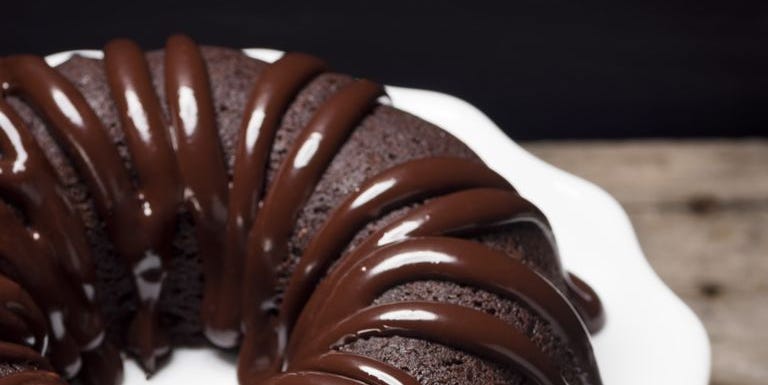
Chocolate ganache sounds like something a pastry chef whispers dramatically in a French bakery while holding a copper saucepan. In reality, it is one of the easiest, most useful, and most delicious things you can make with two everyday ingredients: chocolate and heavy cream. That is the good news. The even better news? Once you understand the basic chocolate ganache recipe, you can use it as a glossy cake glaze, a thick cupcake frosting, a silky tart filling, a truffle base, a brownie upgrade, or the kind of emergency spoon dessert nobody needs to know about.
The best chocolate ganache is rich but not greasy, smooth but not runny, glossy but not suspiciously shiny like it has been laminated. It should taste deeply chocolatey, spread beautifully, and behave exactly the way you need it to behave. The secret is not complicated. It comes down to the right ratio, good chocolate, warm cream, gentle mixing, and a little patience. Ganache is not needy, but it does appreciate being treated with respect.
This guide walks you through how to make chocolate ganache step by step, including the best ratio for glazing, frosting, filling, piping, and truffles. You will also learn how to fix ganache that turns grainy, oily, too thin, or too thick. Basically, we are giving ganache a full personality profile.
What Is Chocolate Ganache?
Chocolate ganache is a smooth mixture of chocolate and warm cream. At its simplest, that is all it is. The hot cream melts the chocolate, and as the two combine, they create a stable, creamy emulsion with a luxurious texture. It is one of those kitchen miracles that looks fancy but requires fewer ingredients than a bowl of cereal.
Ganache can be poured while warm, spread once slightly cooled, whipped after chilling, or rolled into truffles when firm. That versatility is why bakers love it. One bowl of ganache can go from “elegant cake glaze” to “thick frosting” to “midnight refrigerator snack” depending on temperature and ratio.
The Best Chocolate Ganache Recipe
Ingredients
- 8 ounces semisweet or bittersweet chocolate, finely chopped
- 1 cup heavy cream
- 1 tablespoon unsalted butter, optional, for extra shine and richness
- 1 teaspoon vanilla extract, optional
- 1 small pinch fine sea salt, optional but highly recommended
- 1 teaspoon light corn syrup, optional, for a glossier finish
Best Chocolate to Use
For the best chocolate ganache recipe, use chocolate you would happily eat on its own. Semisweet chocolate gives a balanced flavor that works for cakes, cupcakes, and cookies. Bittersweet chocolate creates a more intense, less sweet ganache that pairs beautifully with rich desserts. Milk chocolate can be used, but because it contains more sugar and milk solids, it usually needs less cream to set properly. White chocolate also needs special handling because it is softer and sweeter than dark chocolate.
Chocolate bars or baking wafers usually melt more smoothly than standard chocolate chips because many chips are designed to hold their shape during baking. That said, good-quality chocolate chips can still work in a home kitchen. Finely chopping the chocolate helps it melt evenly, which means fewer lumps and less whisking drama.
How to Make Chocolate Ganache
Step 1: Chop the Chocolate
Place finely chopped chocolate in a heatproof bowl. The smaller the pieces, the faster and more evenly they melt. Large chunks of chocolate are like people who arrive late to a party and then ask what they missed. Do not let them ruin the vibe.
Step 2: Heat the Cream
Pour the heavy cream into a small saucepan and heat it over medium heat until it just begins to simmer around the edges. Do not boil it aggressively. You want hot cream, not a dairy volcano. If the cream gets too hot, it can make the chocolate separate or turn grainy.
Step 3: Pour and Pause
Pour the hot cream over the chopped chocolate. Make sure most of the chocolate is covered. Let the mixture sit undisturbed for 3 to 5 minutes. This resting time allows the chocolate to soften gently, which makes stirring easier and helps create a smoother ganache.
Step 4: Stir Until Smooth
Starting in the center of the bowl, stir slowly with a rubber spatula or whisk. At first, it may look streaky and slightly suspicious. Keep stirring gently. Soon the mixture will turn glossy, dark, and smooth. Add the butter, vanilla, salt, or corn syrup if using, and stir until fully incorporated.
Step 5: Use It at the Right Temperature
Warm ganache is pourable and perfect for glazing cakes, cheesecakes, brownies, and bundt cakes. Room-temperature ganache is thicker and spreadable, making it ideal for frosting or filling layer cakes. Chilled ganache becomes firm enough to scoop into truffles. Temperature changes everything, so do not judge your ganache too early. It may simply need time to cool and get its life together.
Chocolate Ganache Ratios: The Secret to Perfect Texture
The most important part of learning how to make chocolate ganache is understanding ratios. A small change in the amount of chocolate or cream can completely change the final texture. For accuracy, weigh ingredients whenever possible.
1:1 Ratio – Best for Glazes, Fillings, and Whipped Ganache
A 1:1 ratio means equal parts chocolate and cream by weight. For example, use 8 ounces of chocolate and 8 ounces of cream. This is the most popular all-purpose ganache ratio. When warm, it pours beautifully over cakes. When cooled, it thickens into a pudding-like texture that can be spread between cake layers. Once chilled and whipped, it becomes a fluffy chocolate frosting.
2:1 Ratio – Best for Truffles and Piping
A 2:1 ratio means two parts chocolate to one part cream. For example, use 8 ounces of chocolate and 4 ounces of cream. This creates a much firmer ganache that holds its shape well. It is ideal for chocolate truffles, tart fillings, and decorative piping. If you want ganache that can be rolled, molded, or sliced cleanly, this is the ratio to remember.
1:2 Ratio – Best for Sauces and Thin Glazes
A softer ganache uses more cream than chocolate. This creates a loose, pourable sauce that works well over ice cream, pancakes, pound cake, fresh fruit, or profiteroles. It will not set as firmly, but it will deliver that glossy chocolate waterfall effect everyone secretly wants.
How to Use Chocolate Ganache
As a Cake Glaze
Let the ganache cool until it is still pourable but no longer hot. Place your cake on a wire rack over a sheet pan, then pour the ganache from the center and let it flow naturally over the sides. Use an offset spatula only if needed. Too much fussing can make the surface dull.
As a Frosting
Allow ganache to cool at room temperature until thick and spreadable. It should hold soft peaks on a spoon. Spread it over cupcakes, sheet cakes, brownies, or layer cakes. For a lighter frosting, chill the ganache until firm but not rock-hard, then whip it with a mixer until fluffy.
As a Filling
Ganache makes an excellent filling for layer cakes, sandwich cookies, macarons, tart shells, and pastries. For cake layers, use a 1:1 ratio and let it cool until thick enough that it will not slide out like chocolate lava with poor boundaries.
As Truffles
Use a firmer 2:1 ganache. Chill until scoopable, roll into small balls, then coat with cocoa powder, chopped nuts, sprinkles, crushed cookies, or melted chocolate. Homemade truffles look impressive, even if you made them while wearing pajama pants.
Flavor Variations for Chocolate Ganache
Classic chocolate ganache is beautiful on its own, but it also loves flavor. Add a tiny pinch of espresso powder to deepen the chocolate flavor without making the ganache taste like coffee. Stir in orange zest for a bright citrus note, peppermint extract for holiday desserts, almond extract for a nutty bakery flavor, or a spoonful of peanut butter for a candy-bar mood.
You can also infuse the cream before mixing. Warm the cream with cinnamon sticks, tea bags, crushed coffee beans, or fresh mint, then strain before pouring it over the chocolate. This method gives ganache a more elegant flavor without changing the texture too much.
Common Chocolate Ganache Mistakes
Using Chocolate Pieces That Are Too Large
If the chocolate is not chopped finely enough, the cream may cool before everything melts. This leaves lumps. To fix it, place the bowl over a pan of barely simmering water and stir gently until smooth.
Boiling the Cream Too Hard
Heavy cream should be hot enough to melt chocolate, but it should not be violently boiling. Overheated cream can affect the texture and may cause the ganache to separate.
Stirring Too Aggressively
Ganache likes gentle mixing. Whisking like you are trying to win a kitchen arm-wrestling contest can add air bubbles and make the finish less glossy. Start slowly in the center and widen your circles as the chocolate and cream come together.
Using the Wrong Ratio
If your ganache is too runny for frosting, it may not be wrong; it may just be the wrong ratio or too warm. Let it cool first. If it is still too thin, add more melted chocolate. If it is too thick, stir in a little warm cream.
How to Fix Broken, Grainy, or Oily Ganache
Ganache can occasionally break, which means the fat separates and the mixture looks oily, grainy, or curdled. It is annoying, but it is not the end of dessert. Most broken ganache can be rescued.
If the ganache looks greasy, stir in a tablespoon of warm cream or warm milk at a time until it comes back together. If it is grainy because the chocolate did not melt fully, warm it gently over a double boiler while stirring slowly. If it is too thick, add warm cream in small amounts. If it is too thin, let it cool longer or add more melted chocolate.
The key is to avoid panic. Ganache can sense fear. More accurately, ganache responds better to gentle heat and gradual adjustments than frantic whisking.
How to Store Chocolate Ganache
Chocolate ganache can be stored in an airtight container in the refrigerator. Before using, bring it back to room temperature or warm it gently in short bursts in the microwave, stirring between each burst. For a freshly glossy glaze, reheat slowly until pourable. For frosting, let it soften and stir until smooth.
You can also freeze ganache. Place it in a freezer-safe container, press plastic wrap directly against the surface, and freeze. Thaw overnight in the refrigerator, then bring to room temperature and stir before using. The texture may need a little refreshing with gentle heat, but it usually comes back beautifully.
Best Desserts to Make With Chocolate Ganache
Once you know how to make chocolate ganache, you will start looking for excuses to use it. Pour it over chocolate cake for a dramatic bakery-style finish. Spoon it over cheesecake for contrast. Spread it over brownies to make them look intentionally fancy. Use it as a tart filling with fresh raspberries. Dip strawberries into warm ganache. Drizzle it over vanilla ice cream. Layer it into trifles. Pipe it onto cupcakes. Add it to crepes. Hide it in the center of thumbprint cookies.
Ganache is the little black dress of dessert: classic, flexible, and always appropriate unless you are making salad, and even then, someone has probably tried.
Best Chocolate Ganache Recipe Tips
- Use a kitchen scale for the most accurate ratio.
- Choose chocolate with a flavor you enjoy eating plain.
- Chop chocolate finely so it melts evenly.
- Heat cream until just simmering, not boiling hard.
- Let hot cream sit on the chocolate before stirring.
- Stir gently to avoid air bubbles.
- Cool ganache to the right consistency before using.
- Add salt to make the chocolate flavor pop.
Experience Notes: What Making Chocolate Ganache Teaches You
Making chocolate ganache is one of those baking experiences that quietly upgrades your kitchen confidence. The first time you pour hot cream over chopped chocolate, it may not look like much. In fact, it may look like a bowl of chocolate pieces taking a very expensive bath. Then you stir, and suddenly everything transforms into a shiny, silky mixture that looks like it belongs on the cover of a dessert magazine. It feels like a magic trick, except the rabbit is chocolate and everyone wants seconds.
One useful experience is learning that ganache changes as it cools. Many beginners think they made it too thin because warm ganache runs easily from a spoon. But after 20 to 30 minutes, the same ganache becomes thicker, smoother, and more spreadable. Wait longer, and it may turn into a frosting-like texture. Chill it, and it becomes firm enough for truffles. This teaches an important baking lesson: texture is not only about ingredients; it is also about temperature and timing.
Another lesson is that better chocolate really does make a difference. Ganache has nowhere to hide. There is no flour, no egg, no mountain of sugar, and no dramatic swirl of buttercream to cover up bland chocolate. If the chocolate tastes flat, the ganache will taste flat. If the chocolate tastes rich and complex, the ganache will taste like something from a bakery where the display case is polished hourly and the staff uses words like “mouthfeel.”
Experience also teaches you when to stop stirring. At first, it is tempting to keep whisking because smooth ganache is so satisfying to watch. But overmixing can add tiny air bubbles, especially if you are making a glaze. A slow, steady stir gives a cleaner, shinier finish. This is where ganache becomes a tiny lesson in restraint. Not everything in the kitchen needs maximum effort. Sometimes dessert improves when you calm down and let the chocolate do its job.
Ganache is also forgiving in a way that many baking projects are not. A cake can sink. Cookies can spread. Caramel can go from golden to smoky regret in seconds. But ganache usually gives you a second chance. Too thick? Add warm cream. Too thin? Add more chocolate or let it cool. Slightly grainy? Warm gently and stir. Broken? Add a spoonful of warm liquid and bring it back together. It is one of the rare recipes that rewards problem-solving instead of punishing imperfection.
Perhaps the best experience is discovering how many desserts can be improved with a simple bowl of ganache. A plain chocolate cake becomes elegant. Store-bought pound cake becomes dinner-party worthy. Brownies become richer. Strawberries become romantic. Ice cream becomes suspiciously fancy. Even a spoon becomes a serving utensil, though that is between you and your refrigerator light.
After making ganache a few times, you stop seeing it as a recipe and start seeing it as a technique. You learn how warm it should be for dripping, how thick it should be for spreading, and how firm it should feel for truffles. That kind of instinct is what makes home baking more enjoyable. You are not just following instructions anymore; you are understanding what is happening in the bowl. And when the result is glossy chocolate, education has never tasted better.
Conclusion
The best chocolate ganache recipe is simple, flexible, and endlessly useful. With just chocolate and heavy cream, you can create a glossy glaze, smooth cake filling, rich frosting, elegant tart layer, or decadent truffle center. The most important things to remember are ratio, temperature, and technique. Use equal parts chocolate and cream for an all-purpose ganache, more chocolate for a firmer truffle-style ganache, and more cream for a pourable sauce. Chop the chocolate finely, heat the cream gently, stir slowly, and let the ganache cool to the texture you need.
Once you master chocolate ganache, you have one of the most powerful dessert upgrades in your kitchen. It is simple enough for beginners, impressive enough for holidays, and delicious enough to make even a basic cake feel like it has hired a publicist.