Giving a dog a pill sounds simple until your furry little detective sniffs the treat, performs a full forensic inspection, eats the snack, and leaves the medication on the floor like a tiny rejected pebble. If that scene feels familiar, welcome to the club. The good news is that homemade pill pockets can turn medicine time from a wrestling match into a snack break.
Homemade pill pockets for dogs are soft, moldable treats designed to hide tablets or capsules. They work best when they are small, tasty, and just sticky enough to seal around the medication. Even better, making them at home allows you to control the ingredients, avoid unnecessary additives, and adjust the texture for your dog’s size, chewing style, and royal snack preferences.
Before grabbing the peanut butter jar like a hero in an apron, remember one important rule: always check with your veterinarian before changing how your dog takes medication. Some pills should not be crushed, split, hidden in dairy, or given with certain foods. Also, any peanut butter or packaged ingredient must be free from xylitol, also called birch sugar, because it is dangerous for dogs.
Why Homemade Pill Pockets Are Worth Making
Store-bought pill pockets are convenient, but homemade versions have several advantages. They can be less expensive, especially if your dog takes daily medication. They can also be customized for dogs with picky taste buds, sensitive stomachs, or food allergies. Most importantly, homemade dog pill pockets let you keep the treat small enough that your dog swallows it quickly instead of chewing slowly and discovering the hidden “surprise.”
A good pill pocket should do three jobs: cover the smell of the medication, hold its shape around the pill, and taste exciting enough that your dog does not pause to write a review. Soft ingredients like pumpkin, peanut butter, cream cheese, sweet potato, or canned dog food can help create that moldable texture. Dry binders like oat flour or finely ground oats help thicken the mixture without making it crumbly.
Safety First: What to Know Before Making Dog Pill Pockets
Use Only Dog-Safe Ingredients
The safest homemade pill pockets are simple. Avoid chocolate, raisins, grapes, onions, garlic, macadamia nuts, alcohol, caffeine, and anything labeled sugar-free unless your veterinarian confirms it is safe. Peanut butter is popular for dog pill pockets, but the label must be checked carefully. Choose plain, unsalted peanut butter with no xylitol or birch sugar.
Keep the Treat Small
The goal is not to serve a luxury truffle the size of a tennis ball. Use just enough mixture to cover the pill. Oversized pill pockets encourage chewing, and chewing gives your dog time to discover the medication. Smaller pockets also help keep extra calories under control, especially for dogs taking medicine every day.
Ask Before Crushing Medication
Some medications taste bitter when crushed. Others are designed to dissolve slowly, so crushing them can change how they work. If your dog refuses a whole tablet, call your veterinarian before grinding it into powder or mixing it directly into food. Your vet may recommend a different form, flavor, or dosing method.
Way 1: Peanut Butter and Oat Homemade Pill Pockets
This is the classic version because peanut butter has a strong smell, a sticky texture, and a fan club made almost entirely of dogs. Oats help firm the mixture so it can be rolled into small pockets. This recipe is best for dogs who tolerate peanuts well and do not need a low-fat diet.
Ingredients
- 2 tablespoons plain, xylitol-free peanut butter
- 2 tablespoons oat flour or finely ground plain oats
- 1 to 2 teaspoons warm water, added slowly
Instructions
- Add the peanut butter and oat flour to a small bowl.
- Mix with a spoon until the dough becomes thick and slightly sticky.
- Add warm water a few drops at a time if the mixture is too dry.
- Roll the dough into small balls, about the size of a large marble for medium dogs.
- Press a hole in the center of each ball with your finger or the end of a spoon.
- Place the pill inside, pinch the opening closed, and roll gently to seal.
For small dogs, make tiny pockets and use only enough dough to hide the medication. For large dogs, resist the temptation to go huge. A compact pocket is more likely to be swallowed quickly. If the dough sticks to your fingers, chill it for 10 minutes before shaping.
Storage Tip
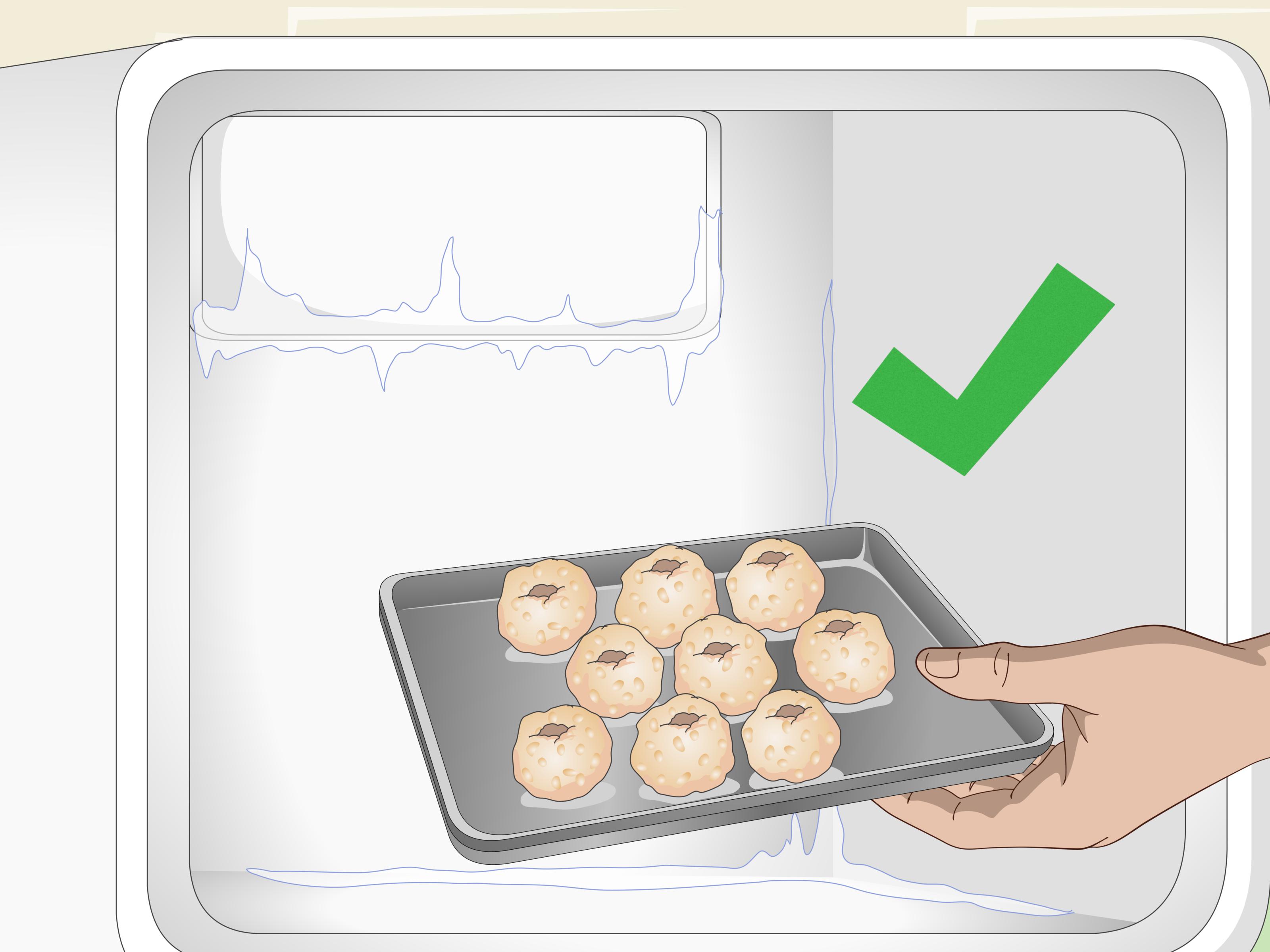
Store peanut butter oat pill pockets in an airtight container in the refrigerator for up to five days. You can also freeze small portions for later. Thaw one or two in the fridge before medicine time so they are soft enough to mold around the pill.
Way 2: Pumpkin and Cream Cheese Pill Pockets
This version is smooth, soft, and ideal for dogs who prefer creamy treats. Pumpkin adds moisture and fiber, while cream cheese gives the pocket a strong flavor and moldable texture. Use plain canned pumpkin, not pumpkin pie filling. Pumpkin pie filling often contains sugar and spices that do not belong in your dog’s medication snack.
Ingredients
- 1 tablespoon plain canned pumpkin
- 1 tablespoon plain cream cheese
- 2 to 3 tablespoons oat flour, rice flour, or finely crushed plain dog kibble
Instructions
- Mix pumpkin and cream cheese in a bowl until smooth.
- Add oat flour or crushed kibble one spoonful at a time.
- Stir until the mixture becomes thick enough to hold its shape.
- Scoop small portions and roll them into soft balls.
- Create a small pocket, insert the pill, then pinch and smooth the opening closed.
This homemade dog pill pocket recipe works especially well for tablets with a noticeable smell because the cream cheese helps mask the scent. However, dairy does not agree with every dog. If your dog gets gas, loose stool, or stomach upset after dairy, skip this version and try the sweet potato recipe below.
Texture Fixes
If the mixture is too wet, add more oat flour or crushed kibble. If it is too dry, add a tiny bit more pumpkin. The texture should feel like soft cookie dough: flexible, not runny, and easy to seal around medication.
Way 3: Chicken and Sweet Potato Pill Pockets
For dogs who look at peanut butter like it personally offended them, chicken and sweet potato can save the day. This savory version smells like real food and works well for dogs that prefer meat-based treats. It is also a good option when you want a pill pocket without dairy.
Ingredients
- 2 tablespoons cooked, plain mashed sweet potato
- 1 tablespoon finely shredded plain cooked chicken
- 1 to 2 tablespoons oat flour or crushed plain kibble
Instructions
- Cook the sweet potato until soft, then mash it completely.
- Add finely shredded plain chicken with no seasoning, skin, bones, onion, or garlic.
- Mix in oat flour or crushed kibble until the texture becomes thick and moldable.
- Roll into small balls and press a shallow hole in the center.
- Place the pill inside and seal the mixture around it.
This recipe is a favorite for dogs who get suspicious of sweet smells. The chicken aroma can make the pill pocket more exciting, while sweet potato gives the mixture structure. Just keep the chicken plain. Seasonings that taste great to humans can be a problem for dogs, especially garlic and onion powder.
Best Use
Chicken and sweet potato pill pockets are best made in small batches because fresh cooked chicken does not last as long as dry treats. Store them in the refrigerator and use them within three days. If you want to freeze them, freeze without the pill and add medication only when serving.
How to Give Your Dog a Pill Pocket Without Getting Outsmarted
Dogs are brilliant when snacks are involved. Some can separate a pill from a treat with the precision of a tiny surgeon wearing fur. The trick is to move quickly, stay calm, and avoid making medicine time feel like a suspicious ceremony.
Use the Three-Treat Method
Prepare three small treats. The first treat has no pill. The second contains the medication. The third has no pill. Give the first treat quickly, then the pill pocket, then the final treat right away. This encourages your dog to swallow and move on instead of stopping to examine the middle snack like a food critic.
Do Not Let the Pill Touch the Outside
Medication can leave a smell or bitter taste on your fingers. After placing the pill inside the pocket, wash your hands or use one hand for the pill and the other hand to seal and serve the treat. This small detail can make a big difference for picky dogs.
Offer It When Your Dog Is Hungry
A dog who just finished dinner may not be motivated by a tiny snack. When your veterinarian says it is okay, give the pill pocket before a meal or when your dog is naturally interested in food. A hungry dog is less likely to negotiate terms.
Common Mistakes to Avoid
Making the Pill Pocket Too Big
Large treats invite chewing. Chewing invites discovery. Discovery invites betrayal. Keep the pocket small enough that your dog can swallow it in one or two bites. If your dog must chew due to size or dental issues, ask your vet for a different medication strategy.
Using Sticky Ingredients Without Checking Labels
Peanut butter, yogurt, baby food, and other soft foods can be helpful, but only if the ingredients are safe. Always check labels for xylitol, birch sugar, onion powder, garlic powder, excessive salt, and added sweeteners. When in doubt, do not use it.
Mixing Medication Into a Full Meal
If you hide a pill in a whole bowl of food and your dog eats only half, you may not know whether the full dose was taken. A small pill pocket is easier to monitor. Once your dog swallows the medication, you can give the regular meal afterward if that fits the dosing instructions.
Homemade Pill Pocket Flavor Variations
Once you understand the basic formula, you can adjust flavors. Use one soft ingredient, one thickener, and one high-value smell. Soft ingredients include pumpkin, sweet potato, banana, cream cheese, plain yogurt, or canned dog food. Thickeners include oat flour, crushed kibble, rice flour, or a small amount of plain cooked rice. High-value smells include chicken, turkey, tuna water packed in water, or a tiny amount of dog-safe peanut butter.
For sensitive dogs, keep the ingredient list short. A two-ingredient pocket made from canned dog food and crushed kibble may be enough. For picky dogs, rotate flavors every few days so the pocket remains exciting. Dogs may not understand calendars, but they absolutely understand snack boredom.
How Many Homemade Pill Pockets Can a Dog Have?
Pill pockets are treats, not a second breakfast. If your dog takes several medications daily, the calories can add up quickly. As a general habit, keep treats to a small portion of your dog’s daily food intake and adjust meals if your veterinarian recommends it. This matters even more for small dogs, seniors, and dogs managing weight, diabetes, pancreatitis, kidney disease, or food allergies.
If your dog is on a prescription diet, ask your veterinarian before using homemade pill pockets. In many cases, you may be able to make a pocket from the prescription canned food or softened prescription kibble, keeping the medication routine aligned with the diet plan.
When Homemade Pill Pockets Are Not Enough
Some dogs simply refuse hidden pills. That does not mean you failed. It means your dog has promoted themselves to Chief Snack Inspector. If homemade pill pockets do not work, ask your veterinarian about flavored medication, liquid forms, compounded prescriptions, pill devices, or safe pilling techniques. Never skip doses or double up medication without veterinary guidance.
Also call your vet if your dog spits out part of a pill, vomits after taking medication, develops side effects, or refuses food entirely. Medicine routines should be safe, calm, and effective. A homemade treat is useful only when it helps your dog take the correct dose in the correct way.
Real-Life Experience: What Actually Works at Medicine Time
After making homemade pill pockets for dogs, one lesson becomes obvious fast: texture matters as much as flavor. A pocket that tastes great but crumbles in your hand is not helpful. A pocket that is too wet becomes a paste-covered disaster. The sweet spot is a soft dough that can be pressed, sealed, and handed over without falling apart. Peanut butter and oats usually create the most reliable beginner-friendly texture, while pumpkin needs extra thickener to avoid becoming orange soup in a bowl.
Another practical experience is that dogs respond to confidence. If you act nervous, hover over them, and stare like you are waiting for a magic trick, many dogs become suspicious. Prepare the pill pocket out of sight, keep your body language casual, and treat it like any other snack. Dogs are excellent readers of human weirdness. If you suddenly behave like a spy in a kitchen apron, they will notice.
The three-treat method is also surprisingly effective. Give a plain treat first, then the medicated pill pocket, then another plain treat quickly. This creates momentum. The dog thinks, “Snack, snack, snack,” instead of “Why is snack number two shaped like a pharmaceutical secret?” For fast eaters, this method can work beautifully. For slow, careful chewers, make the pill pocket smaller and use a stronger-smelling ingredient such as chicken or a tiny amount of xylitol-free peanut butter.
One of the biggest mistakes people make is using too much food. It feels generous, but it can backfire. A giant pill pocket gives the dog time to chew, separate the pill, and leave it behind. Smaller is better. The pocket should hide the medication, not host a banquet. If the pill is large, ask your veterinarian whether it can be split or whether another form is available. Do not assume, because some medications must stay whole.
Storage is another real-world issue. Homemade pill pockets do not contain commercial preservatives, so they should be treated like fresh food. Keep small batches in the refrigerator and label the container with the date. If you make multiple flavors, freeze plain portions without medication. Then thaw a few as needed. This keeps the routine easy without turning your fridge into a mysterious museum of dog snacks.
Finally, the best homemade pill pocket is the one your dog will actually swallow safely. Some dogs love peanut butter. Others prefer pumpkin, chicken, sweet potato, or canned food. Start with a tiny test portion before hiding medication. If your dog eats the plain sample happily, you have a winner. If they sniff it and walk away dramatically, try another flavor. Dogs may not speak English, but they are very clear restaurant critics.
Conclusion
Homemade pill pockets can make giving medication to your dog easier, cheaper, and less stressful. The best recipes use simple dog-safe ingredients, a soft moldable texture, and enough flavor to hide the smell of medicine. Peanut butter and oat pockets are classic and easy. Pumpkin and cream cheese pockets are smooth and rich. Chicken and sweet potato pockets are savory and helpful for dogs who prefer real-food aromas.
Just remember the golden rules: check ingredient labels, avoid xylitol and unsafe foods, keep portions small, and ask your veterinarian before crushing or changing medication. With the right recipe and a little snack-time strategy, pill time can go from “absolutely not, human” to “oh yes, I will accept this mysterious meatball.” That is progress worth wagging about.