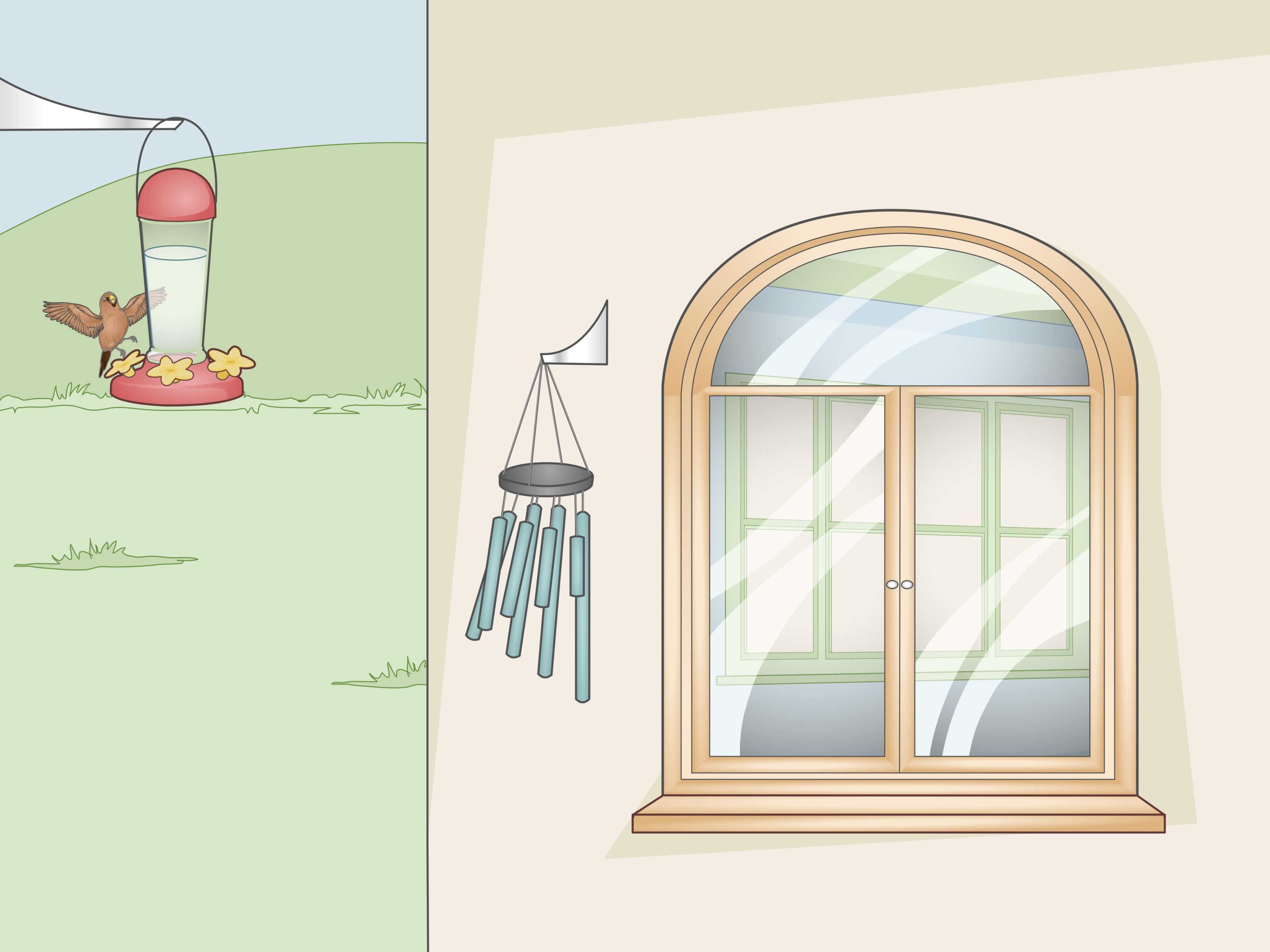
A bird attacking your window can feel like nature has personally chosen your living room for a tiny boxing match. Tap, flap, peck, repeat. Whether it is a robin, cardinal, bluebird, mockingbird, or another feathered neighbor, the behavior is usually not random. Most birds are not trying to break into your house to critique your curtains. They are reacting to what they see in the glass: a reflection that looks like another bird invading their territory.
The good news is that you can stop birds from attacking windows without harming them, scaring every living creature off your property, or turning your home into a fortress of cardboard. The trick is to make the glass less mirror-like, less confusing, and more obviously “not sky.” Below are 13 simple, humane hacks that actually make sense for real homes, apartments, porches, sunrooms, and even car mirrors.
Why Do Birds Attack Windows?
Birds commonly attack windows during breeding season, especially in spring and early summer. When hormones rise, many species become territorial. A shiny window reflects the bird’s own image, but the bird reads it as a rival. To the bird, that reflection is not “me looking fabulous.” It is “some suspicious intruder standing way too close to my nest.”
Window attacks are different from window collisions, although the solutions overlap. A bird attacking a window usually returns again and again, pecking, fluttering, or striking the glass from close range. A collision often happens when a bird sees reflected trees, sky, or open space and flies into the glass at speed. Both problems happen because glass is visually confusing to birds.
13 Simple Hacks to Stop Birds from Attacking Windows
1. Break Up the Reflection on the Outside of the Glass
The most important rule is simple: treat the outside surface whenever possible. Birds react to the reflection on the exterior side of the window, so outside treatments are usually more effective than decorations placed indoors.
You can use bird-safe window decals, tape, paint markers, dots, stripes, or temporary film. The pattern matters more than the product. A single cute sticker in the corner will not do much, even if it is shaped like a dramatic hawk with strong opinions. Birds may simply fly around it or continue attacking the reflective areas.
2. Use the 2-by-2-Inch Spacing Rule
For decals, dots, tape, or other visible markers, spacing is everything. A reliable guideline is to place markings no more than 2 inches apart vertically and horizontally. This creates a pattern dense enough that birds recognize the surface as a barrier instead of open territory.
Think of it as writing “this is glass” in bird language. Sparse decorations whisper. Proper spacing shouts politely.
3. Try Vertical Cords or BirdSavers
Hanging cords on the outside of a window can be a neat, low-maintenance fix. BirdSavers-style cords, sometimes called “zen curtains,” hang vertically in front of the glass and interrupt the reflection. They are often spaced about 4 inches apart and can work well for large windows, patio doors, and glass railings.
The benefit is that they do not block the whole view. From inside, many people barely notice them after a while. From outside, birds notice them enough to stop challenging the mysterious “rival” in the glass.
4. Install Exterior Screens
Exterior insect screens are one of the simplest bird-friendly window solutions. They reduce reflectivity, make the window surface more visible, and provide a softer barrier if a bird bumps into it. Screens are especially useful for windows that face trees, shrubs, bird feeders, or open sky.
If you already have removable screens sitting in storage, congratulations: your bird solution may be hiding in the garage next to the mystery extension cord collection.
5. Use Lightweight Netting, but Keep It Taut and Safe
Netting can help when installed correctly on the outside of a window. The goal is to create a visible, springy barrier in front of the glass. It should be placed several inches away from the window and kept taut so birds do not become tangled.
Avoid loose, sagging, or poorly secured netting. If a material can trap feet, wings, or heads, it is not a good solution. Choose bird-safe netting and inspect it regularly.
6. Cover the Window Temporarily During Breeding Season
If one bird is obsessively attacking one specific window, temporary coverage may solve the problem fast. Use cardboard, kraft paper, cloth, shade fabric, or an exterior cover to block the reflection for a few days or weeks. Once nesting season passes, the behavior usually fades.
This is not the most elegant option, but it is effective. Sometimes the best home improvement tool is not fancy. Sometimes it is a piece of cardboard doing honest work.
7. Apply Soap, Tempera Paint, or Window Markers
For a quick DIY fix, draw a dense pattern on the outside of the window using bar soap, washable tempera paint, or weather-safe window markers. Lines, dots, grids, waves, or simple doodles can all work if the spacing is close enough.
This is a great short-term solution for renters, busy families, or anyone who needs relief today. It is also surprisingly fun. Your anti-bird-attack window can double as a seasonal art project, minus the glitter explosion.
8. Add Bird-Safe Window Film
Exterior bird-safe film can reduce reflection and make glass easier for birds to detect. Some films create visible patterns, while others use subtle designs that are less noticeable to people. For best results, choose products designed specifically for bird collision prevention or reflection reduction.
Regular decorative film may help if it visibly breaks up the reflection, but clear or lightly tinted film may not be enough. The bird needs to see a pattern, not admire your minimalist design choices.
9. Close Blinds or Curtains When Exterior Fixes Are Not Possible
Indoor blinds and curtains are usually not as effective as exterior treatments because the reflection forms on the outer surface of the glass. Still, if you live in an apartment, have upper-floor windows, or cannot safely reach the outside, closing blinds or curtains can reduce the depth and darkness behind the glass.
This may not completely stop a determined cardinal with a personal vendetta, but it can help reduce the mirror effect, especially when paired with other visible treatments.
10. Move Feeders and Birdbaths to Safer Spots
Bird feeders and birdbaths can increase bird activity near windows. A common safety guideline is to place feeders very close to windows, within about 3 feet, or much farther away, around 30 feet or more. When feeders are very close, birds usually cannot build up much speed before reaching the glass. When feeders are far away, birds are less likely to launch directly toward reflections.
Avoid placing feeders at medium distances from highly reflective windows, especially if nearby shrubs or trees are mirrored in the glass. That setup can create a confusing flight path and a very busy bird traffic jam.
11. Reduce Night Lighting During Migration
Turning off unnecessary lights at night helps reduce bird collisions, especially during spring and fall migration. While territorial window attacks mostly happen during the day, bird-safe lighting is still part of a safer home environment. Close curtains after dark, turn off decorative exterior lighting when not needed, and use motion sensors instead of all-night brightness.
Bonus: your electricity bill may also calm down. Everyone wins, including the birds and your wallet.
12. Cover Car Mirrors and Reflective Surfaces
Birds do not limit their “rival bird” drama to house windows. They may also attack car mirrors, chrome bumpers, shiny patio furniture, or glass doors. If a bird keeps attacking your vehicle mirror, cover the mirror with a cloth, bag, sock, or mirror cover when parked.
This is especially useful during nesting season. The bird is not angry at your car model. It is arguing with itself, and somehow your mirror got cast as the villain.
13. Be Patient and Avoid Harmful Deterrents
Most window-attacking behavior is temporary. Once the breeding season passes or the bird’s territory shifts, the attacks usually stop. In the meantime, avoid sticky substances, traps, poisons, fake injuries, or anything that could harm birds. Do not remove active nests or disturb eggs. Native birds are often protected, and the humane approach is also the most practical one.
If a bird appears injured after hitting a window, contact a licensed wildlife rehabilitator or local wildlife agency for advice. Keep pets away, reduce noise, and do not repeatedly handle the bird.
Which Birds Commonly Attack Windows?
Several territorial species may attack reflective glass, including American robins, Northern cardinals, bluebirds, mockingbirds, wild turkeys, and sometimes sparrows or wrens. The exact species depends on your region, habitat, and season.
Cardinals are famous for this behavior because males are strongly territorial and brightly colored. Robins are also frequent repeat offenders. A robin attacking a window may return every morning like it has a tiny appointment with destiny. The bird is not “crazy.” It is responding to a perceived threat in the only way its bird brain knows how.
What Not to Do When Birds Attack Windows
Do Not Rely on One Hawk Decal
One large predator-shaped sticker is not enough. Birds do not automatically interpret a hawk silhouette as danger, especially if the rest of the glass still reflects trees, sky, and rival birds. Dense, evenly spaced patterns work better than one lonely sticker trying to carry the whole team.
Do Not Wait Too Long
A bird that attacks a window repeatedly can become stressed and exhausted. The sooner you reduce the reflection, the sooner the behavior usually stops. Even a temporary fix, such as paper taped outside, can give the bird a break while you plan a better-looking solution.
Do Not Use Loud or Aggressive Scare Tactics
Loud noises, fake predators, and constant chasing may scare the bird briefly, but they rarely solve the reflection problem. The bird may return as soon as the threat disappears. Solve what the bird sees, not just what the bird does.
Best Window Treatments for Different Situations
For a Single Problem Window
Use temporary exterior paper, washable paint, soap lines, or a tight grid of decals. This is the fastest path to peace when one bird has chosen one window as its daily battlefield.
For Large Picture Windows
Consider bird-safe film, dot tape, vertical cords, or exterior screens. Large windows reflect more sky and vegetation, so they often need a full-surface treatment rather than a few decorations.
For Renters
Try removable decals, washable soap patterns, temporary mesh, or suction-cup exterior screens if allowed. Always check lease rules before installing permanent materials.
For Hard-to-Reach Upper Windows
Close blinds, use interior shades, or hire a professional to install exterior film or screens safely. Do not climb dangerously just to outsmart a robin. The robin is not paying your medical bill.
Real-Life Experiences and Practical Lessons from Window-Attacking Birds
In many homes, the first sign of the problem is not visual. It is sound. A sharp tap at breakfast. A flutter during a work call. A repeated thump that makes everyone freeze and ask, “What was that?” At first, people often assume the bird made a mistake. Then it happens again. And again. By day three, the household has given the bird a nickname, usually something dramatic like “Captain Peck” or “The Window Goblin.”
One common experience is that the bird targets only one window. This can seem strange until you stand outside and look at the glass from the bird’s angle. That particular window may reflect a tree, nesting shrub, fence line, or open patch of sky. During breeding season, it may also produce a crisp reflection of the bird itself. From inside the house, the window looks harmless. From outside, it looks like another bird is standing in the territory, refusing to leave, and possibly being very rude about it.
Homeowners often try the easiest fix first: closing curtains. Sometimes it helps a little, especially if the room behind the window becomes darker or less mirror-like. But many people discover that the bird keeps attacking because the reflection is still on the outer surface. That is the “aha” moment. The solution needs to interrupt what the bird sees outside. Once people add soap lines, exterior decals, paper, or a temporary cover, the behavior often drops quickly.
Another lesson is that neatness matters less than coverage. A few beautiful decals placed far apart may look lovely to humans and nearly useless to birds. A simple grid of dots, tape strips, or washable marker lines can work better because it covers the whole reflective area. The window does not need to become ugly. It needs to become readable. Birds are not judging your design style; they are trying to understand whether the space is open, occupied, or blocked.
People with bird feeders near windows often notice two problems at once: birds attacking reflections and birds flying into glass. Moving feeders can make a big difference. Placing them very close to the window may reduce dangerous speed, while moving them far away can reduce risky flight paths. The worst setup is often a feeder or birdbath at a middle distance from a reflective window, especially when shrubs or trees appear in the glass.
Car mirrors create their own comedy. A cardinal may attack the side mirror every morning, leaving marks and looking personally offended by the vehicle. Covering the mirror when parked is usually enough. It is not glamorous, but neither is a bird arguing with a Toyota at 6:15 a.m.
The biggest practical takeaway is to act quickly, stay humane, and remember that the behavior is seasonal. A bird attacking a window is not being malicious. It is confused, territorial, and persistent because nature gave it courage but not a mirror safety manual. Once the reflection disappears, the “rival” disappears too. Peace returns, your window survives, and the bird can go back to more normal bird activities, such as singing, nesting, and judging your lawn from a branch.
Conclusion
Learning how to stop birds from attacking windows comes down to one main idea: remove or break up the reflection. The most effective solutions are visible from the outside, cover the full problem area, and use close spacing so birds understand that the glass is a barrier. Exterior decals, screens, netting, cords, washable paint, soap patterns, temporary covers, feeder adjustments, and mirror covers can all help.
You do not need to panic, and you definitely do not need to harm the bird. With a few simple changes, you can protect your windows, reduce stress for wildlife, and finally enjoy your morning coffee without a feathered neighbor challenging its own reflection to round seven.