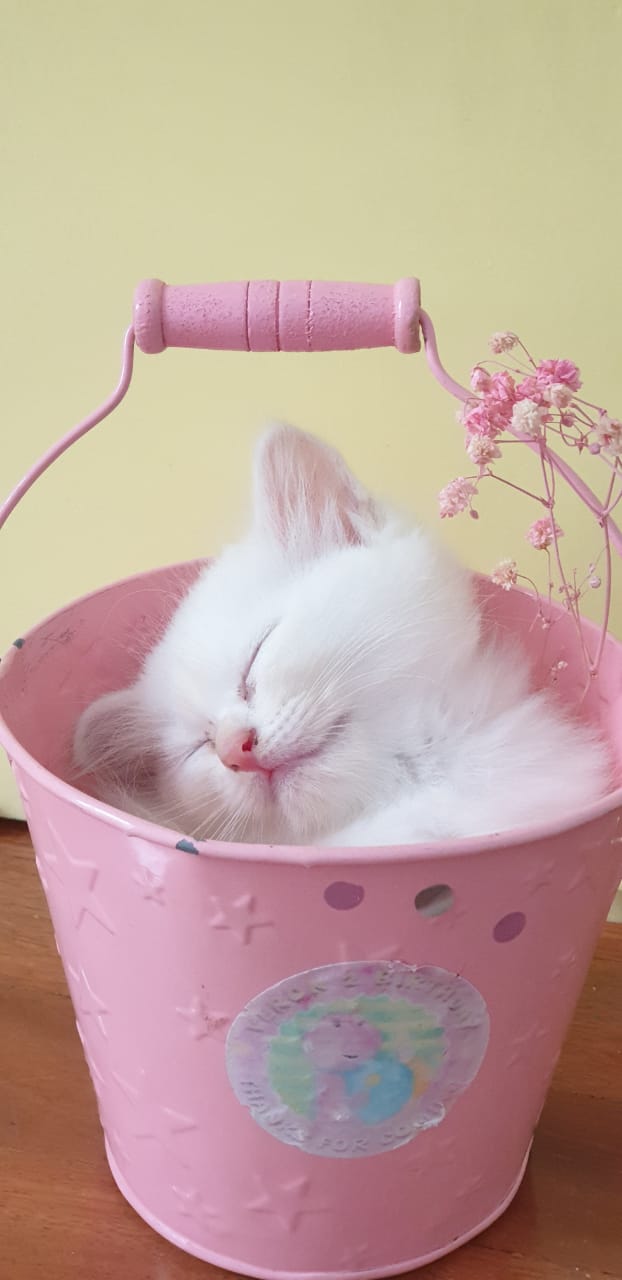
Somewhere on your phone, buried between screenshots, grocery lists, accidental pocket photos, and 47 nearly identical pictures of the moon, there is the one. The pet photo. The masterpiece. The image that perfectly captures your dog’s goofy grin, your cat’s royal disapproval, your rabbit’s suspiciously serious expression, or your bird looking like it has just discovered a major accounting irregularity.
So, hey Pandas: show us your best photo of your pet.
Not necessarily the sharpest photo. Not the one with perfect lighting, professional editing, or an expensive camera. We are talking about the picture that makes you stop scrolling. The photo that instantly reminds you why this animal has such a ridiculously large place in your heart.
Community pet-photo challenges work because they combine two things the internet genuinely does well: sharing stories and celebrating animals. Similar community prompts have invited people to post funny, smiling, wholesome, and wonderfully “derpy” pet pictures, often proving that the most memorable images are not flawless portraits but tiny windows into an animal’s personality.
What Makes a Pet Photo the “Best” Photo?
The word best is wonderfully subjective. One person might choose a perfectly composed portrait of a golden retriever sitting in autumn leaves. Another might proudly submit a blurry image of a cat falling off a cardboard box while attempting a jump that was, frankly, never approved by physics.
Both can be excellent.
The best pet photography often captures something recognizable about the animal. Professional photography guidance consistently emphasizes personality, comfort, patience, and adaptability over forcing a pet into a rigid pose. A familiar place, favorite toy, normal activity, or beloved treat can help an animal behave naturally, which is often when the photograph becomes memorable rather than merely technically correct.
Personality Beats Perfection
Think about the habits that make your pet unmistakably your pet.
Maybe your dog sleeps upside down with all four paws pointing toward the ceiling. Perhaps your cat sits inside containers clearly designed for objects one-third its size. Maybe your guinea pig can hear a refrigerator door opening from another dimension. Perhaps your parrot has mastered the facial expression of a middle manager who has just received a disappointing quarterly report.
Those quirks are photographic gold.
A polished portrait can show what an animal looks like. A great candid photo can show who that animal is. That is why off-the-cuff images often become family favorites. The tilted head, the flying ears, the muddy paws, the dramatic yawn, and the “I absolutely did not destroy that pillow” expression can tell an entire story in a single frame.
Why We Love Sharing Photos of Our Pets
Pet photos are rarely just pictures of animals. They are records of relationships.
People photograph pets during ordinary routines because those routines matter: morning walks, afternoon naps, backyard games, couch cuddles, birthday celebrations, road trips, and the nightly ritual in which a 12-pound cat somehow occupies 82 percent of a queen-size bed.
Research and public-health guidance recognize that pets can contribute to companionship, opportunities for activity, outdoor time, and social interaction. Dogs and cats, in particular, are often important sources of emotional connection in their households. That helps explain why an apparently simple pet photo can carry so much meaning: the image represents not only an animal but also a shared life.
A Photo Can Preserve an Ordinary Moment
Major milestones are easy to remember. The quieter details are more fragile.
You may remember adopting your pet, but years later you might treasure a photograph of the exact corner where your puppy used to fall asleep. You may remember that your cat loved windows, but one particular image might preserve the afternoon sunlight, the shape of the ears, and the tiny paw resting against the glass.
These pictures become more valuable with time because pets change. Puppies grow into dogs. Kittens become dignified adults who continue knocking objects off shelves for reasons known only to them. Senior pets develop white fur around their faces and new routines. A photograph quietly records each version.
How to Take a Better Pet Photo Without Buying Fancy Gear
You do not need a professional camera to create a memorable pet portrait. Modern phones are more than capable of producing excellent results, especially when you pay attention to light, timing, perspective, and your pet’s comfort.
The real challenge is that the subject has not read your creative brief.
Your dog may leave halfway through the shoot. Your cat may refuse to look at the camera until the exact moment you lower it. Your rabbit may turn around and present you with a photograph that is technically adorable but perhaps not what you originally envisioned.
That unpredictability is part of the fun.
1. Start With Good Light
Natural light is one of the easiest ways to improve pet photos. A bright window, shaded porch, cloudy day, or outdoor setting can create softer and more flattering illumination than a harsh direct flash.
Try positioning yourself so that light falls onto your pet’s face rather than placing the brightest window or sky directly behind the animal. This is especially helpful when photographing pets with very dark fur, where facial details and eyes can otherwise disappear into shadow.
Photography guidance from major camera and creative-imaging companies also emphasizes adapting to movement, using available light thoughtfully, and preparing for an animal that may not stay perfectly still.
2. Get Down to Your Pet’s Level
Most people photograph pets while standing up because, conveniently, that is where humans usually keep their heads. The result can be a familiar top-down view.
Try lowering the camera to your pet’s eye level instead.
Suddenly, the photograph feels more intimate. A tiny dog becomes heroic. A cat becomes even more convinced that it owns the property. A rabbit appears to inhabit an enormous jungle of carpet fibers.
Changing perspective can transform an ordinary snapshot without requiring any new equipment. Sit on the floor, kneel, or safely place the camera lower. Just remember that getting onto the floor is easier than getting back up for some of us, so conduct your artistic ambitions responsibly.
3. Focus on the Eyes
When possible, make the eyes the visual anchor of the image. Viewers naturally connect with faces, and sharp, well-lit eyes can give a portrait an immediate sense of personality.
Many modern cameras and phones offer face or subject-detection features, but technology is not magic. Take several frames, especially when your pet is moving. The difference between a perfect expression and a photo of one closed eye, half an ear, and an escaping tail can be approximately 0.3 seconds.
4. Use Treats and Toys, but Keep It Fun
A favorite toy, familiar sound, or small appropriate reward can help attract attention. The goal, however, is not to turn photography into a hostage negotiation.
Keep sessions brief. Let your pet move around. Take breaks. Stop when the animal loses interest or appears uncomfortable. Animal-welfare guidance emphasizes minimizing fear and stress, and veterinary behavior resources note that signs of anxiety can include behaviors such as trembling, retreating, panting, lip licking, turning away, stiffening, excessive vocalization, or hiding, depending on the animal and situation.
No photograph is worth frightening an animal for a few social-media likes.
The Secret Weapon: Take More Photos Than You Think You Need
Professional-looking pet photography often depends on persistence disguised as luck.
Take several photographs rather than expecting one perfect shot. Animals blink, turn, shake, jump, sneeze, lick the lens, and suddenly decide that something happening three rooms away is more important than your entire project.
Burst mode can be particularly helpful for action. Photograph the dog running toward a ball, the cat leaping toward a toy, or the bird interacting safely with a familiar object. Among dozens of ordinary frames, you may find one spectacular fraction of a second.
And sometimes the “failed” image wins.
A photo with ears flying in opposite directions may reveal more personality than the beautifully posed frame you originally wanted.
Do Not Overlook the Background
Before taking the picture, scan the edges of your frame.
Is there a laundry basket growing out of your dog’s head? Is a bright television stealing attention from your cat? Has a mysterious collection of charging cables entered the composition?
A simple background helps the pet stand out. You do not need a studio. A plain wall, couch, blanket, patch of grass, doorway, or uncluttered corner can work beautifully.
That said, context can also tell a story. A dog covered in sand at the beach, a cat curled beside a stack of books, or a rabbit investigating a carefully pet-safe play area can reveal something about daily life. The question is not whether the background is perfectly empty. The question is whether it helps or distracts.
Funny Pet Photos Deserve Their Own Hall of Fame
Some animals are elegant.
Some animals look elegant for approximately six minutes per year.
The rest of the time, they are sleeping with their tongue hanging out, getting surprised by their own tail, sitting in sinks, staring into empty corners, or making facial expressions that suggest they have accidentally remembered something embarrassing from 2019.
These are the images that often bring online communities together. Pet-photo challenges built around funny, smiling, wholesome, or awkward moments thrive because viewers immediately recognize the universal comedy of living with animals. Different species and breeds may behave differently, but almost every pet owner knows the experience of urgently grabbing a phone because the animal is doing something so strange that witnesses will otherwise assume you invented the story.
So do not automatically delete the weird photos. A technically imperfect image can be emotionally perfect.
Safety Comes Before the Shot
Cute photographs should never require unsafe costumes, stressful restraints, dangerous heights, toxic plants, unsecured outdoor locations, or props an animal could swallow.
Use pet-safe environments and supervise unfamiliar setups. Avoid forcing animals into positions that seem uncomfortable. Respect species-specific needs, and remember that a pet who appears calm to an inexperienced observer may still be communicating discomfort through subtle body language.
This matters especially when photographing animals around children, unfamiliar people, other pets, or busy environments. The safest image is one created with patience, appropriate supervision, and respect for the animal’s boundaries.
In other words: if the photo concept requires a 14-step emergency plan and someone saying, “I saw this on the internet,” perhaps reconsider.
What Should You Share With the Panda Community?
Anything that makes you smile.
You could share a carefully planned portrait with beautiful natural light. You could post the first photograph you took after bringing your pet home. You could choose a dramatic action shot, a peaceful senior-pet portrait, or a picture of your cat looking deeply offended by a cucumber that is simply existing in the same room.
Ideas for Choosing Your Best Pet Photo
Consider the image that best captures one of these moments:
- Your pet’s funniest expression.
- A favorite sleeping position.
- An outdoor adventure or playful action shot.
- A quiet moment between your pet and someone they love.
- A photo from the day your pet joined the family.
- A senior-pet portrait that shows years of personality.
- A completely unplanned moment that could never be recreated.
Then add a little context. Tell people the pet’s name. Share the story behind the photograph. Explain what happened five seconds before or after the shutter clicked.
Often, the story turns a cute image into an unforgettable one.
The Experience Behind the Camera: What Pet Photography Really Teaches Us
There is a familiar experience that begins whenever a pet owner decides, with dangerous confidence, “I’m going to take one nice photo.”
At first, the plan seems simple. The light is good. The room is reasonably clean. The pet is sitting peacefully. The phone is within reach.
Then the camera appears.
The dog who has maintained eye contact for the previous 45 minutes suddenly becomes fascinated by a wall. The cat, previously arranged in a perfect patch of sunlight, stands up and leaves. The bird begins grooming one feather with the concentration of a surgeon. The rabbit turns around.
You try again.
After several attempts, something changes. You stop trying to control the scene and start watching the animal. That is usually when the better photographs begin.
You notice the small signals that predict what will happen next. The dog’s ears lift before someone enters the room. The cat’s eyes widen just before a playful jump. The rabbit pauses for half a second between movements. You learn when to raise the camera and when to simply enjoy the moment.
That is one of the most rewarding parts of photographing a pet: the process can make you more observant.
You begin noticing details that routine sometimes hides. The white hairs appearing around an older dog’s muzzle. The exact way a cat folds one paw beneath its chest. The ridiculous intensity with which a small animal approaches a snack. The familiar expression your pet makes when it hears your voice.
Over time, the photo collection becomes an accidental biography.
There are the early pictures, perhaps poorly framed but full of excitement. There are images from new homes, new seasons, vacations, birthdays, recoveries, lazy Sundays, and ordinary Tuesdays. The background changes. Furniture moves. People grow older. The pet changes too.
Some photographs become funny family legends. Maybe there is a picture of the dog stealing food at exactly the wrong moment. Perhaps the cat appears unexpectedly in the background of an otherwise serious family photo. Maybe your pet ruined a planned holiday portrait so completely that the disaster became the only version anyone wanted to keep.
Other images become meaningful in quieter ways.
A sleeping pet on an old couch might not seem important when the photo is taken. Years later, that picture can bring back the entire room: the afternoon light, the familiar routine, the sound of paws on the floor, and the feeling of having that animal nearby.
This is why choosing a “best” pet photo can be surprisingly difficult. The best-looking image is not always the most important. A blurry photograph may hold a stronger memory than a flawless portrait. A silly expression may reveal more character than a formal pose. A snapshot that seemed ordinary when taken may eventually become priceless.
Sharing those photographs adds another layer to the experience. One person posts a senior dog sleeping in a favorite chair. Someone else recognizes the same tenderness. A cat owner shares a ridiculous box obsession, and hundreds of other people silently think, “Yes, mine does that too.” A tiny personal moment becomes universal.
That is the charm of a good community pet-photo thread. There is no serious competition. The unofficial judging system is hopelessly biased because every animal is clearly the best animal.
And perhaps that is exactly the point.
Conclusion: Your Camera Roll Is Ready
Your best pet photo does not need studio lighting, expensive equipment, or perfect technique. It needs a moment worth remembering.
Maybe that moment is beautiful. Maybe it is hilarious. Maybe it captures a once-in-a-lifetime expression. Maybe it simply shows your pet being completely, unmistakably themselves.
So scroll through your camera roll. Find the photograph that always makes you pause. Show us the dog with the legendary smile, the cat with the judgmental stare, the bird with superstar confidence, the rabbit with impeccable timing, or the beloved companion whose photo carries a story only you can fully tell.
Hey Pandas, show your best photo of your pet 🙂