Note: This article is based on expert laundry etiquette, cleaning, appliance-care, fire-safety, and public-health guidance from reputable U.S. sources, rewritten in original language for web publication.
Shared laundry is one of civilization’s greatest tests. Forget traffic jams, group projects, or assembling flat-pack furniture with someone you love. The true measure of community spirit is what happens when four apartments, three overstuffed hampers, two working dryers, and one mystery sock all meet in the same basement laundry room.
The good news? You do not need a law degree, a whistle, or a clipboard labeled “Laundry Police” to survive. You simply need to understand the unwritten rules of shared laundry. These rules are not complicated. They are mostly about timing, cleanliness, respect, and not behaving as though the dryer is your personal storage unit.
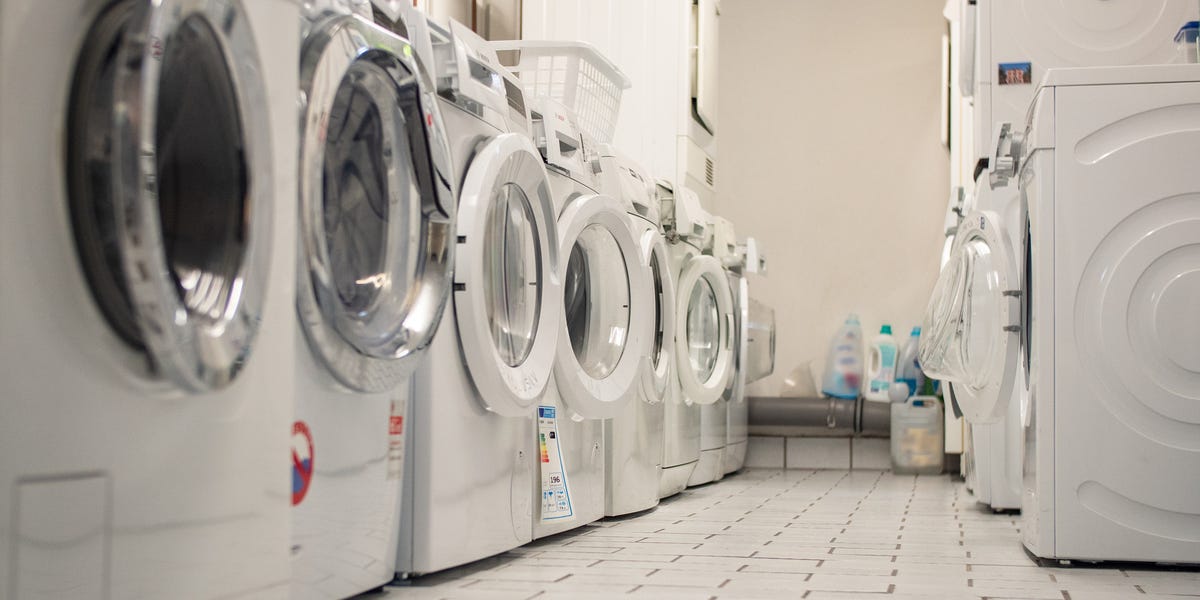
Whether you live in an apartment building, dorm, condo, co-op, or use a neighborhood laundromat, shared laundry etiquette keeps the peace. It also protects clothes, prevents appliance problems, reduces fire risks, and saves everyone from the awkward moment when a stranger has to decide whether touching your wet towels is a social crime.
Below is an expert-inspired guide to the unspoken laundry room rules every considerate person should know. Your clothes will be cleaner, your neighbors will be less annoyed, and your building group chat may finally stop sounding like a courtroom transcript.
Why Shared Laundry Etiquette Matters More Than People Think
Shared laundry rooms are tiny ecosystems. Everyone brings their own schedule, habits, detergent preferences, and emotional baggage, sometimes literally in a laundry basket. When one person leaves clothes sitting for an hour, overloads a washer, spills detergent, or forgets to clean the lint trap, the inconvenience spreads quickly.
Good shared laundry etiquette is not about being fancy. Nobody expects you to fold fitted sheets into origami swans. It is about making sure everyone gets fair access to the machines and that the room stays safe, usable, and reasonably pleasant.
A clean, efficient communal laundry room also helps machines last longer. Overloaded washers strain motors and suspension systems. Too much detergent can leave residue in machines and on clothing. Neglected lint traps reduce dryer performance and can become a fire hazard. In other words, laundry manners are not just social niceties. They are practical maintenance.
The Golden Rule: Do Not Abandon Your Laundry
The number one rule of shared laundry is simple: set a timer and return promptly. If your wash cycle ends at 3:42, your clothes should not still be marinating in the machine at 5:15 like a forgotten soup.
Most washers and dryers display cycle times. Use that information. Set a phone alarm, smart watch reminder, oven timer, or whatever device keeps you from becoming the person everyone secretly discusses in the elevator.
How Long Is Too Long?
In many shared laundry rooms, a grace period of about 5 to 15 minutes is considered polite. Life happens. Someone may be on a work call, changing a baby, walking a dog, or trying to find the other sock that vanished into another dimension. But after a reasonable wait, especially during busy hours, leaving clothes in a machine becomes unfair to others.
The best habit is to return before the cycle ends. Arrive a few minutes early, bring your basket, and be ready to move your laundry along. This one habit solves most shared laundry drama before it has time to grow legs and start posting passive-aggressive signs.
Is It Ever Okay to Move Someone Else’s Laundry?
This is the spicy question of laundry etiquette. Is it okay to remove someone else’s clothes from a washer or dryer? The expert answer is: sometimes, but carefully.
If machines are available, leave other people’s laundry alone. There is no need to touch someone’s jeans just because you are feeling efficient. But if every machine is full, a cycle has clearly ended, and the owner has not returned after a reasonable grace period, you may need to move the load.
The Polite Way to Move Laundry
If you must move someone else’s laundry, do it like a decent human being. Place it in a clean basket, on a clean folding table, or in the owner’s own basket if one is nearby. Never put clean or wet laundry on the floor. Never toss it dramatically. Never separate, inspect, fold, comment on, or judge the items. You are not hosting a forensic textile investigation.
Wet laundry should be handled with extra care because it can mildew if abandoned for too long, but it is also more personal and vulnerable to damage. If there is a sign-in board, text system, or building chat, use that first. A short message like “Washer 2 finished about 15 minutes agomoving clothes to the table so others can use it” is neutral and helpful.
Use One or Two Machines, Not the Entire Fleet
Shared laundry is not a conquest. If there are six washers and you occupy five of them during peak hours, you may technically be doing laundry, but socially you are doing villainy.
Using multiple machines can be fine when the room is empty or during off-peak hours. But if people are waiting, limit yourself. A good rule is to leave at least one washer and one dryer open when possible. If the building is busy on Sunday afternoon, do not treat it like your personal laundry marathon.
Choose Off-Peak Hours When You Can
Peak laundry times often include evenings, weekends, and the day before the workweek starts. If your schedule allows, try early mornings, weekday afternoons, or later non-quiet hours. You will finish faster, avoid awkward competition, and enjoy the rare luxury of folding clothes without someone hovering nearby like a detergent-scented hawk.
Clean Up After Yourself Every Time
Shared laundry rooms become unpleasant quickly when everyone assumes “someone else” will clean up. Spoiler: someone else is usually no one.
Wipe up spilled detergent, remove used dryer sheets, throw away lint, pick up dropped socks, and take empty bottles or packaging with you. If detergent leaks onto a machine, clean it immediately. Sticky soap puddles collect dust, lint, and resentment.
Do Not Leave Personal Items Behind
Do not store detergent, baskets, hangers, or laundry bags in the shared room unless your building specifically allows it. A communal laundry room is not a free storage unit with spin cycles. Leaving items behind creates clutter and makes it harder for others to use folding surfaces and machines.
Clean the Lint Trap Like It Is a Sacred Duty
Few laundry room habits are as important as cleaning the dryer lint trap. Lint buildup makes dryers work harder, slows drying time, wastes energy, and can increase fire risk. Cleaning the lint screen before or after every load is a small task with a big payoff.
In shared laundry rooms, this matters even more because you are not just maintaining your own appliance. You are helping preserve a machine everyone depends on. If you open the dryer and find a lint blanket thick enough to knit into a scarf, remove it. Then silently send good thoughts to humanity and proceed.
Check the Dryer Before You Load
Before adding clothes, look inside the dryer. Check for crayons, pens, gum, tissue shreds, pet hair, forgotten socks, or anything else that could damage your clothes. A ten-second inspection can save an entire load from becoming modern art.
Do Not Overload the Washer or Dryer
Overloading machines is one of the most common shared laundry mistakes. It seems efficient at first: one huge load, fewer trips, more time for snacks. Unfortunately, overloaded washers cannot clean properly because clothes need room to move through water and detergent. Overstuffed dryers also take longer and dry unevenly.
As a practical rule, fill the washer loosely and leave enough space for clothes to tumble. If you have to use your shoulder to close the door, you have gone too far. This is laundry, not a wrestling match.
Why Overloading Hurts Everyone
Overloading does more than leave your clothes dirty. It strains machines, causes extra vibration, increases drying time, and can create maintenance problems that affect the whole building. If a shared washer breaks because people keep stuffing it like a Thanksgiving turkey, everyone pays in inconvenience.
Use the Right Amount of Detergent
More detergent does not mean cleaner clothes. In fact, too much detergent can leave residue on fabric, trap odors, irritate skin, and build up inside machines. Many people use more than they need because measuring caps can be confusing and “a little extra” feels harmless.
Follow the detergent label and adjust based on load size, soil level, and washer type. High-efficiency machines need high-efficiency detergent, and usually less of it than people expect. If your clothes come out stiff, slimy, overly scented, or still soapy, you may be using too much.
Pods, Powders, and Liquids: Be Considerate
Laundry pods are convenient, but they should be stored safely and used as directed. Do not leave pods loose on machines or folding tables, especially in buildings where children may enter. Liquid detergent should be capped tightly. Powder detergent should not be scattered across the floor like laundry room confetti.
Sort Before You Enter the Laundry Room
One of the easiest ways to be a better shared laundry neighbor is to sort your clothes at home. Separate lights, darks, towels, delicates, heavily soiled items, and anything likely to shed. This makes your time in the laundry room shorter and keeps folding tables available for people who need them.
Sorting is not just about color. Fabric weight matters too. Heavy towels and jeans should not always tumble with thin shirts or delicate fabrics. Heavy items can cause lighter clothes to dry unevenly or wear out faster. Treat your clothes like they have different personalities. Towels are loud extroverts. Silk blouses are sensitive poets.
Respect Quiet Hours and Neighboring Apartments
Many shared laundry rooms are near apartments, hallways, or common areas. Late-night laundry may seem harmless until someone’s spin cycle starts roaring under a neighbor’s bedroom at 11:48 p.m.
If your building has posted laundry hours, follow them. If there are no posted rules, use common sense. Avoid starting noisy loads late at night, especially if the machines are close to living spaces. Finishing laundry earlier in the evening is usually more considerate than trying to dry sneakers at midnight.
Do Not Slam Doors or Shake Machines
Washer and dryer doors do not need a dramatic farewell. Close them firmly but gently. Do not kick machines, yank doors, force coin slots, or punch buttons repeatedly because the display is taking three seconds to respond. Appliances, like people, do not perform better when bullied.
Leave the Washer Door Open When Appropriate
After removing your clothes, it is often helpful to leave the washer door or lid slightly open if building rules allow it. This lets moisture evaporate and can help reduce musty odors, especially in front-loading machines where rubber seals trap water.
However, follow posted rules and use judgment. If the machine is in a tight walkway, do not leave the door wide open where someone can bump into it. A small opening is usually enough. The goal is fresh air, not an obstacle course.
Keep Pet Hair, Mud, and Heavy Messes Under Control
Shared laundry machines are not ideal for extremely muddy gear, pet beds caked with fur, greasy rags, or items that could leave debris behind. If you must wash pet items or heavily soiled materials, shake them out first, remove excess hair, and clean the machine afterward.
Never wash items that could damage the machine, such as hard plastic pieces, shoes with loose parts, rubber-backed rugs that are already crumbling, or anything labeled dry-clean only unless you enjoy expensive lessons.
Be Honest About Odors
Workout clothes, towels, bedding, and pet blankets may need warmer water, proper detergent, or extra rinsing depending on care labels and soil level. Do not simply add half a bottle of fragrance booster and hope for the best. Perfume over mildew is not freshness. It is a cover-up with ambition.
Use Folding Tables Efficiently
Folding tables are shared workspace, not a long-term clothing exhibit. Fold your clothes, pack them up, and clear the area. If the room is busy, avoid spreading one load across the entire table like you are curating a museum show called “Socks Through Time.”
If you prefer to fold carefully at home, that is perfectly fine. Move your clean clothes into your basket and free the table for someone else. Shared space works best when people use what they need and move along.
Report Broken Machines Instead of Creating Laundry Folklore
If a washer leaks, a dryer does not heat, a coin slot jams, or a machine makes a sound like a raccoon learning drums, report it. Do not simply tell three neighbors and hope the story reaches management through oral tradition.
Use the posted maintenance number, app, landlord contact, or property manager email. Add a note to the machine if appropriate: “Out of orderreported at 2 p.m.” This prevents other people from losing money, time, or their will to live.
Do Not Keep Using a Bad Machine
If a dryer smells like burning, a washer shakes violently, or a machine leaks water onto the floor, stop using it and report it. Continuing to use a malfunctioning appliance can damage clothes, worsen the problem, or create safety risks.
Be Careful With Notes and Messages
Laundry room notes can be helpful or horrifying. A polite note can solve a problem. A rude note can launch a building-wide cold war.
Keep messages short, neutral, and specific. Instead of writing, “Whoever keeps leaving lint everywhere is disgusting,” try, “Please clean the lint trap after each dryer use so the machine works safely for everyone.” Same point. Less emotional shrapnel.
Do Not Police Everyone’s Laundry Choices
Yes, shared laundry requires rules. No, it does not require you to become a detergent detective. Unless someone is creating a mess, damaging machines, violating posted rules, or blocking access, let people wash their clothes in peace.
Some people use cold water. Some use warm. Some separate colors with military precision. Some toss everything together and believe in destiny. Shared laundry etiquette is about community impact, not personal perfection.
Shared Laundry Rules for Laundromats
Laundromats add another layer because customers may not know one another at all. The same etiquette applies, but preparation becomes even more important.
Arrive Ready
Sort clothes before you go. Bring detergent, payment, dryer sheets or wool dryer balls if you use them, and enough bags or baskets to carry everything home. Check machines before loading. Stay nearby if possible, especially during busy times.
Respect Staff and Other Customers
If the laundromat has attendants, follow their instructions. Do not leave trash behind, hog carts, occupy folding tables while texting for twenty minutes, or let children climb on machines. A laundromat is a business, not an indoor playground with rinse cycles.
Shared Laundry Rules for Apartment Buildings and Dorms
Apartment and dorm laundry rooms require extra neighborly awareness because you will probably see the same people again. Maybe tomorrow. Maybe in the elevator while holding the sock they left behind. Choose peace early.
Follow posted rules, keep the room tidy, and learn the building rhythm. If everyone does laundry Sunday evening, try Saturday morning. If there is a sign-up sheet, honor it. If there is no sign-up sheet, do not invent one unless management approves it.
Expert Checklist: The Best Shared Laundry Habits
Here is the simple version of shared laundry etiquette:
- Set a timer and return before your cycle ends.
- Give others a reasonable grace period before moving laundry.
- Move abandoned laundry only to a clean, safe surface.
- Do not monopolize machines during busy times.
- Clean the lint trap every time you use the dryer.
- Wipe spills and remove trash.
- Do not overload washers or dryers.
- Use the correct amount of detergent.
- Sort clothes before entering the laundry room.
- Report broken machines promptly.
- Respect quiet hours and posted rules.
- Keep notes polite and useful.
Common Shared Laundry Mistakes to Avoid
Leaving Wet Clothes Too Long
Wet laundry left in a washer can develop odors and inconvenience others. If you forget a load, move it as soon as possible and consider rewashing if it smells musty.
Using Too Much Fragrance
Strong scents can bother neighbors with allergies, asthma, migraines, or fragrance sensitivity. You do not need your hoodie to announce itself from across the hallway.
Taking Someone Else’s Basket
Even if baskets look similar, do not borrow one without permission. Bring your own. The laundry room is already full of mysteries; basket theft should not be one of them.
Ignoring Posted Instructions
If a machine says “high-efficiency detergent only,” believe it. If the room closes at 10 p.m., do not start a 90-minute cycle at 9:55. Rules are easier to follow than angry emails from management.
of Real-Life Shared Laundry Experience
Anyone who has used shared laundry long enough eventually develops a personal code. Mine begins with this: never enter the laundry room unprepared. The fastest way to annoy yourself and everyone else is to arrive with unsorted clothes, no detergent, no payment method, and the vague hope that everything will somehow work out. Shared laundry rewards the organized. It punishes the dreamy.
The best experience comes from treating laundry like a small appointment. I sort clothes before leaving home, check pockets, pre-treat stains, and bring only what I need. That means detergent measured in advance, a basket or bag, and a phone timer ready to go. This sounds boring, but boring is beautiful when the alternative is sprinting downstairs because your towels have been sitting in Washer 3 for thirty-seven minutes and someone named Mark is glaring at them.
Another lesson: the laundry room feels less stressful when you assume good intentions. People forget. Timers fail. Kids cry. Elevators get slow. A neighbor who left clothes in the dryer may not be trying to ruin your day. That said, good intentions do not reserve a machine forever. A reasonable grace period is kind; endless waiting is not required. When I have had to move someone’s laundry, I have always used a clean surface and avoided making a production of it. No sighing, no dramatic folding, no public trial.
Cleanliness also changes the whole mood of a shared laundry space. A room with empty detergent bottles, dryer sheets on the floor, and lint everywhere makes people act more carelessly. A tidy room encourages better behavior. It is the broken-window theory, but with socks. When you wipe a spill or toss lint, you are not just cleaning up after yourself. You are quietly voting for a better room.
The biggest practical tip is to avoid peak laundry hours whenever possible. Sunday evening is the emotional support animal of laundry time: everyone wants it. If you can wash during a weekday morning, late afternoon, or another quieter window, the entire chore becomes easier. Machines are open, folding tables are clear, and nobody is hovering behind you holding a basket with the intensity of a courtroom witness.
Finally, shared laundry teaches humility. At some point, you will drop underwear in front of a neighbor, discover a tissue exploded across your black clothes, or realize you washed one clean shirt with a pen. Laugh, clean up, and move on. The unwritten rules of shared laundry are not about being perfect. They are about being considerate, alert, and just organized enough that your laundry does not become someone else’s problem.
Conclusion: The Laundry Room Is Shared, So Act Like It
The unwritten rules of shared laundry all come down to one idea: your laundry habits affect other people. Prompt pickup, clean machines, reasonable detergent use, lint-trap care, and respectful communication make the space better for everyone.
You do not have to be a laundry expert to be a good neighbor. Set a timer. Clean up your mess. Do not hog machines. Handle other people’s belongings only when necessary and with care. Report broken equipment. Respect quiet hours. And please, for the love of fresh towels, clean the lint trap.
Shared laundry may never be glamorous, but it can be peaceful. With a little courtesy and a little planning, the laundry room can remain what it was always meant to be: a place where clothes get clean, neighbors stay civil, and nobody has to write an angry note in all caps.