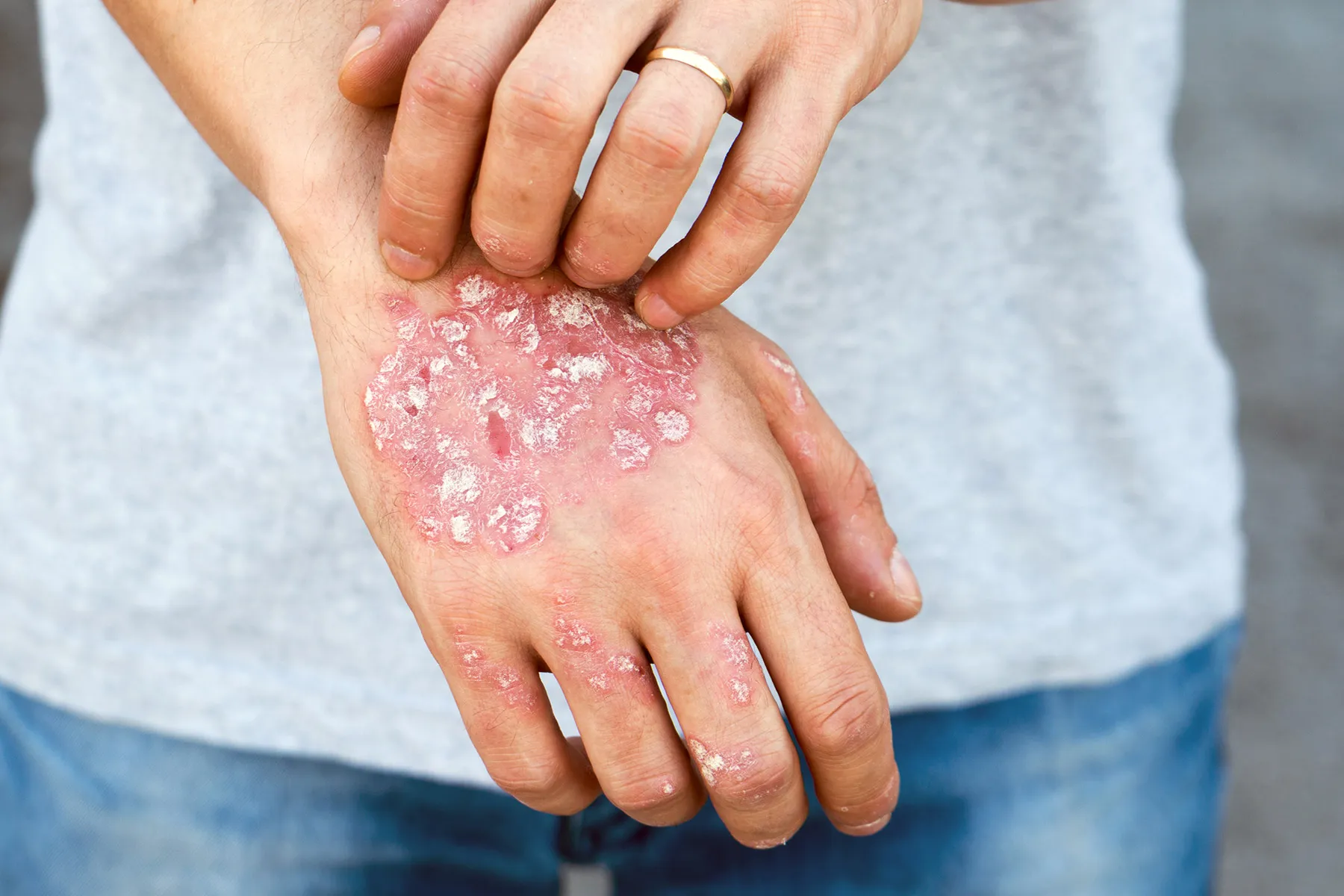
Psoriasis is not simply “dry skin with ambition.” It is a chronic, immune-mediated condition that can produce thick plaques, tiny drop-shaped spots, smooth patches in skin folds, pus-filled bumps, nail changes, or widespread inflammation. Symptoms may disappear for a while, return without much warning, and behave differently from one personor one body areato another.
Understanding the different types of psoriasis matters because a treatment that works beautifully on a thick elbow plaque may be too strong for the groin, awkward on the scalp, or nowhere near powerful enough for a medical emergency such as erythrodermic psoriasis. This guide explains the major psoriasis types, common symptoms and triggers, and the treatments clinicians may recommend.
What Is Psoriasis?
Psoriasis develops when an overactive immune response speeds up the production of skin cells. Instead of maturing and shedding on a normal schedule, cells accumulate on the skin’s surface. The result may be scaling, inflammation, discoloration, itching, burning, tenderness, or cracking.
Psoriasis is chronic and noncontagious. You cannot catch it by touching someone, sharing towels, swimming in the same pool, or sitting next to a person who has visible plaques. Genetics influence susceptibility, but environmental factors often help determine when symptoms first appear or flare.
On lighter skin, psoriasis may look pink or red with silvery-white scale. On brown or Black skin, affected areas may appear purple, violet, gray, dark brown, or deeper than the surrounding skin. After a flare improves, temporary lighter or darker marks can remain. These differences sometimes cause psoriasis to be overlooked or confused with eczema, fungal infections, or other rashes.
The Main Types of Psoriasis
Clinicians generally recognize five major forms: plaque, guttate, inverse, pustular, and erythrodermic psoriasis. A person can experience more than one form, and one type can sometimes evolve into another. Scalp, nail, genital, and palmoplantar psoriasis describe important locations or patterns that often require specialized treatment.
1. Plaque Psoriasis
Plaque psoriasis is the most common type. It causes raised, well-defined areas of inflamed skin covered by dry scale. Plaques frequently develop on the elbows, knees, scalp, lower back, and trunk, although psoriasis has never been famous for respecting boundaries.
Symptoms may include itching, burning, soreness, cracking, and bleeding. Some people have only a few small plaques, while others develop extensive disease that interferes with sleep, concentration, exercise, clothing choices, or work.
Common treatments include moisturizers, topical corticosteroids, vitamin D analogs, nonsteroidal prescription creams, salicylic acid products, and coal tar. Widespread or stubborn plaque psoriasis may require narrowband UVB phototherapy, oral medication, an injectable biologic, or a combination approach.
2. Guttate Psoriasis
Guttate psoriasis produces many small, round or teardrop-shaped spots. They often appear suddenly across the torso, arms, or legs and may have a fine layer of scale rather than the thick buildup associated with plaque psoriasis.
This form is particularly common in children, teenagers, and younger adults. A streptococcal throat infection is a classic trigger, although other infections, stress, skin injury, and medications may contribute. A healthcare professional may perform a throat culture or other testing when symptoms follow a sore throat.
Mild outbreaks may respond to topical treatments. Phototherapy can be useful when numerous spots make applying cream feel like painting a house with a cotton swab. Antibiotics may be prescribed for a confirmed bacterial infection, but they do not automatically clear the psoriasis itself. Some cases resolve, while others recur or develop into chronic plaque psoriasis.
3. Inverse Psoriasis
Inverse psoriasis appears in skin folds, including the armpits, groin, buttock crease, beneath the breasts, and around the genitals. Unlike classic plaques, these patches are often smooth, shiny, and minimally scaly because moisture and friction prevent dry scale from accumulating.
Symptoms may include deep-red, purple, brown, or darker patches accompanied by tenderness, splitting, itching, and burning. Heat, sweating, rubbing, tight clothing, and skin infections can worsen the area.
Treatment must account for the thinner, more sensitive skin in body folds. A clinician may recommend a low-potency corticosteroid for brief use, a topical calcineurin inhibitor, a vitamin D medication, or a nonsteroidal prescription cream. Strong steroids used repeatedly in folds can thin the skin, so “more powerful” does not always mean “more sensible.” Yeast or bacterial infections may require separate treatment.
4. Pustular Psoriasis
Pustular psoriasis causes sterile, pus-filled bumps surrounded by inflamed skin. The fluid is made largely of white blood cells and is not automatically evidence of a contagious infection.
Localized forms can affect the palms and soles, causing painful pustules, scale, cracks, and difficulty walking or using the hands. Generalized pustular psoriasis, or GPP, can spread rapidly and may be accompanied by fever, chills, exhaustion, dehydration, muscle weakness, or a rapid pulse.
Localized disease may be treated with topical medication, phototherapy, oral retinoids, or other systemic treatments. Generalized disease requires prompt specialist care and sometimes hospitalization. Treatment may include cyclosporine, retinoids, methotrexate, biologic therapy, or medication that targets the IL-36 inflammatory pathway. Fever and widespread pustules should never be treated as a “wait and see what happens” weekend project.
5. Erythrodermic Psoriasis
Erythrodermic psoriasis is rare but potentially life-threatening. It produces intense inflammation, discoloration, and peeling across most of the body. The skin may shed in large sheets rather than small flakes.
Because the skin helps regulate temperature and fluid balance, this condition can cause chills, swelling, dehydration, infection, changes in heart rate, and severe weakness. It may develop from poorly controlled psoriasis or be triggered by severe sunburn, infection, a drug reaction, or the abrupt withdrawal of certain medications.
Anyone with rapidly spreading redness, extensive peeling, fever, chills, swelling, dehydration, or a racing heartbeat needs immediate medical evaluation. Hospital care may include fluid replacement, temperature management, infection monitoring, wound care, and fast-acting systemic psoriasis treatment.
Psoriasis in Specific Body Areas
Scalp Psoriasis
Scalp psoriasis can range from light flaking to thick plaques that extend beyond the hairline. It may itch, burn, feel sore, or temporarily contribute to hair loss when aggressive scratching and scale removal damage the hair.
Treatment options include medicated shampoos, corticosteroid solutions or foams, scale-softening products, vitamin D medicines, phototherapy, and systemic therapy. Picking off thick scale may provide five seconds of satisfaction followed by several days of irritation.
Nail Psoriasis
Nail involvement may cause tiny pits, yellow-brown discoloration, crumbling, thickening, buildup beneath the nail, or separation of the nail from its bed. Fungal infections can look similar and may occur at the same time, so accurate diagnosis matters.
Topical steroids, vitamin D derivatives, retinoids, medication injections, systemic drugs, and biologics may be considered. Nails grow slowly, so improvement commonly takes months rather than days. Nail psoriasis is also associated with a higher likelihood of psoriatic arthritis and deserves more attention than “my manicure is having a difficult season.”
Genital and Palmoplantar Psoriasis
Genital psoriasis may appear smooth and intensely uncomfortable, with little visible scale. Treatments must be chosen carefully because genital skin absorbs medication more readily.
Palmoplantar psoriasis affects the hands or feet. Even a small area can be functionally severe when cracks make walking, gripping tools, typing, or washing dishes painful. Location matters: disease covering two percent of the body can still have an enormous impact when that two percent includes both soles.
Common Psoriasis Triggers
A trigger does not cause every case of psoriasis, and the same trigger will not affect everyone. Still, recognizing patterns can reduce preventable flares.
- Stress: Emotional stress can worsen inflammation and itching. Unfortunately, an itchy flare can then create more stress, forming a feedback loop nobody requested.
- Infections: Strep throat is strongly associated with guttate psoriasis, while other illnesses may trigger additional forms.
- Skin injury: Cuts, burns, tattoos, insect bites, repeated friction, and severe sunburn can cause lesions to form at injured sites, a response known as the Koebner phenomenon.
- Weather: Cold, dry conditions often worsen plaques. Heat and sweating may aggravate inverse psoriasis.
- Medications: Lithium, certain antimalarial drugs, some blood-pressure medicines, and starting or abruptly stopping certain corticosteroids can provoke flares in susceptible people.
- Smoking and heavy alcohol use: Both are associated with more difficult-to-control disease in some patients.
- Missed treatment: Stopping medication suddenly or using it inconsistently may allow inflammation to rebound.
A symptom diary can help connect flares with infections, stress, weather, medication changes, sleep, alcohol use, or skin injuries. Change prescribed medication only with guidance from the clinician managing it.
How Psoriasis Is Diagnosed
A dermatologist can often diagnose psoriasis by examining the skin, scalp, and nails and discussing symptoms, family history, illnesses, medications, and joint problems. A small skin biopsy may be used when the appearance overlaps with eczema, ringworm, seborrheic dermatitis, lichen planus, or another condition.
Diagnosis should evaluate more than the percentage of skin involved. Pain, itching, sleep loss, sensitive locations, mental health, work limitations, and treatment history all influence severity. Someone with a small but painful hand or genital flare may need more aggressive care than a body-surface calculation suggests.
Psoriasis Treatment Options
Topical Treatments
Topical therapy is commonly used for mild or localized psoriasis. Options include corticosteroids, vitamin D analogs, topical retinoids, salicylic acid, coal tar, moisturizers, calcineurin inhibitors, and newer nonsteroidal medicines. The correct strength and formulation depend on the location. An ointment may help a thick elbow plaque but be inconvenient in hair, where a foam, solution, or shampoo makes more sense.
Phototherapy
Narrowband UVB phototherapy exposes affected skin to controlled ultraviolet light. It can reduce inflammation and slow excessive skin-cell growth. Treatment usually requires repeated sessions in a clinic or with an appropriate prescription home unit. Tanning beds are not bargain-bin phototherapy; their light output is less controlled and raises the risk of burns and skin cancer.
Oral and Injectable Medication
Moderate, severe, widespread, or functionally disabling psoriasis may require treatment throughout the body. Traditional systemic options include methotrexate, cyclosporine, and acitretin. Targeted oral medicines affect specific inflammatory pathways, while biologics may target tumor necrosis factor, interleukin-17, interleukin-12/23, interleukin-23, or other immune signals.
These treatments can produce substantial improvement, but selection depends on the psoriasis type, joint symptoms, pregnancy plans, infection history, other medical conditions, insurance coverage, and personal preferences. Screening and laboratory monitoring may be required. FDA-approved biologics and biosimilars must meet standards for safety, effectiveness, and quality, but they should still be used under medical supervision.
Daily Skin Care and Lifestyle Support
Regular use of a thick, fragrance-free moisturizer can reduce dryness, scaling, and cracking. Short, lukewarm showers are generally kinder to irritated skin than long, hot ones. Gentle cleansers, soft clothing, careful nail care, and avoidance of scratching can also help protect the skin barrier.
No single “psoriasis diet” cures the condition. A balanced eating pattern rich in vegetables, fruit, whole grains, legumes, lean protein, and healthy fats supports general health. Maintaining a healthy weight, limiting heavy alcohol use, avoiding tobacco, exercising appropriately, and managing stress may improve overall disease management. Supplements and restrictive diets can interact with medications or create nutritional problems, so discuss major changes with a healthcare professional.
Watch for Psoriatic Arthritis
Psoriasis can affect more than the skin. Contact a healthcare professional about persistent joint pain, morning stiffness, swelling, heel pain, a swollen finger or toe, or reduced range of motion. Psoriatic arthritis can occur before or after visible skin disease and may cause permanent joint damage when left untreated.
Coordinated care from a dermatologist and rheumatologist can address both skin and joint inflammation. Effective treatment is not merely cosmetic; it can protect movement, sleep, work, and long-term quality of life.
Real-World Experiences With Different Types of Psoriasis
The physical description of psoriasis rarely captures the full experience. A textbook may say “itchy plaques,” while the person living with them may say, “I woke up three times, changed my sheets because of flakes, and spent the morning deciding whether a dark shirt was worth the risk.” Both descriptions are true, but only one explains why treatment can transform daily life.
When Plaque Psoriasis Shapes the Morning Routine
A common plaque psoriasis routine begins before breakfast: checking whether a patch cracked overnight, applying medication, waiting for it to absorb, and choosing clothes that will not rub the area. Scalp plaques may create visible flakes on collars or furniture. That can lead to embarrassment even though psoriasis has nothing to do with poor hygiene.
People often learn practical tricks, such as keeping moisturizer in more than one room, using older sleepwear after applying ointment, or taking photographs under similar lighting to track changes. These habits are not glamorous, but neither is brushing your teeth, and both can prevent bigger problems.
The Surprise of a Guttate Outbreak
Guttate psoriasis can feel especially alarming because dozens of spots may appear quickly after an infection. Someone who has never had psoriasis may initially assume the eruption is an allergy, a contagious disease, or a reaction to laundry detergent. The sudden change can prompt frantic internet searching, which is rarely known for improving anyone’s blood pressure.
Professional evaluation provides clarity. When guttate psoriasis follows strep throat, treating the infection and managing the skin inflammation become separate parts of care. Some people improve within weeks or months, while others need ongoing follow-up because plaques later develop.
Inverse Psoriasis and Invisible Discomfort
Inverse psoriasis may be hidden beneath clothing, yet it can be among the most uncomfortable forms. Sweat can sting. Walking, exercise, sexual activity, and tight waistbands may create friction. Because the rash lacks obvious scale, it may be mistaken for a fungal infection, leading to repeated use of products that do not address the underlying inflammation.
Relief often comes from combining the right prescription treatment with practical measures: breathable clothing, gentle drying, reduced friction, and medical evaluation for infection. The lesson is simple but importantvisibility does not determine severity.
When Hands, Feet, or Nails Turn Small Lesions Into Big Obstacles
Palmoplantar psoriasis may cover limited skin but disrupt nearly everything involving pressure or movement. Cracked soles can make a short walk feel much longer. Painful fingertips can complicate cooking, typing, childcare, or opening a stubborn jar that was already winning the argument.
Nail psoriasis requires patience. A medication may control inflammation before the damaged portion of the nail has grown out, so visual improvement lags behind biological improvement. Taking monthly photos can reveal progress that is difficult to notice day by day.
The Trial-and-Adjustment Phase of Treatment
Finding an effective psoriasis treatment is often a process rather than a single appointment. One topical product may work well but feel greasy. Another may be convenient but irritate sensitive skin. Phototherapy may help, yet transportation or scheduling can be difficult. A systemic medication may clear the skin but require screening, monitoring, insurance authorization, or a change because of side effects.
This does not mean treatment has failed as a concept. It means the plan needs adjustment. Useful follow-up conversations include specific details: where symptoms remain, how much they itch, whether treatment is practical, what doses were missed, and how the condition affects sleep or daily tasks. “It’s a little better” is helpful; “the plaques are thinner, but the itching still wakes me four nights a week” is even more useful.
The Emotional Experience Matters Too
Visible psoriasis may attract staring, unwanted advice, or questions about contagion. Hidden psoriasis can create pain that other people underestimate. Both experiences can contribute to anxiety, low mood, avoidance of social activities, or frustration with a body that seems to change the rules midgame.
Support groups, counseling, honest conversations with trusted people, and an informed healthcare team can reduce isolation. Clearer skin is an important goal, but so are better sleep, comfortable movement, confidence, and the freedom to wear a black shirt without conducting a risk assessment first.
Conclusion
The major types of psoriasis share an inflammatory foundation, but they do not look, feel, or behave exactly alike. Plaque psoriasis forms raised, scaly areas; guttate psoriasis creates numerous small spots; inverse psoriasis affects skin folds; pustular psoriasis produces sterile pustules; and erythrodermic psoriasis causes dangerous, widespread inflammation.
Modern treatment can include topical medication, phototherapy, oral therapy, biologics, careful skin care, and trigger management. The best plan is individualized according to psoriasis type, location, severity, joint involvement, medical history, and daily-life impact. Persistent or painful symptoms deserve professional evaluation, while widespread redness, peeling, fever, chills, or pustules require urgent care.