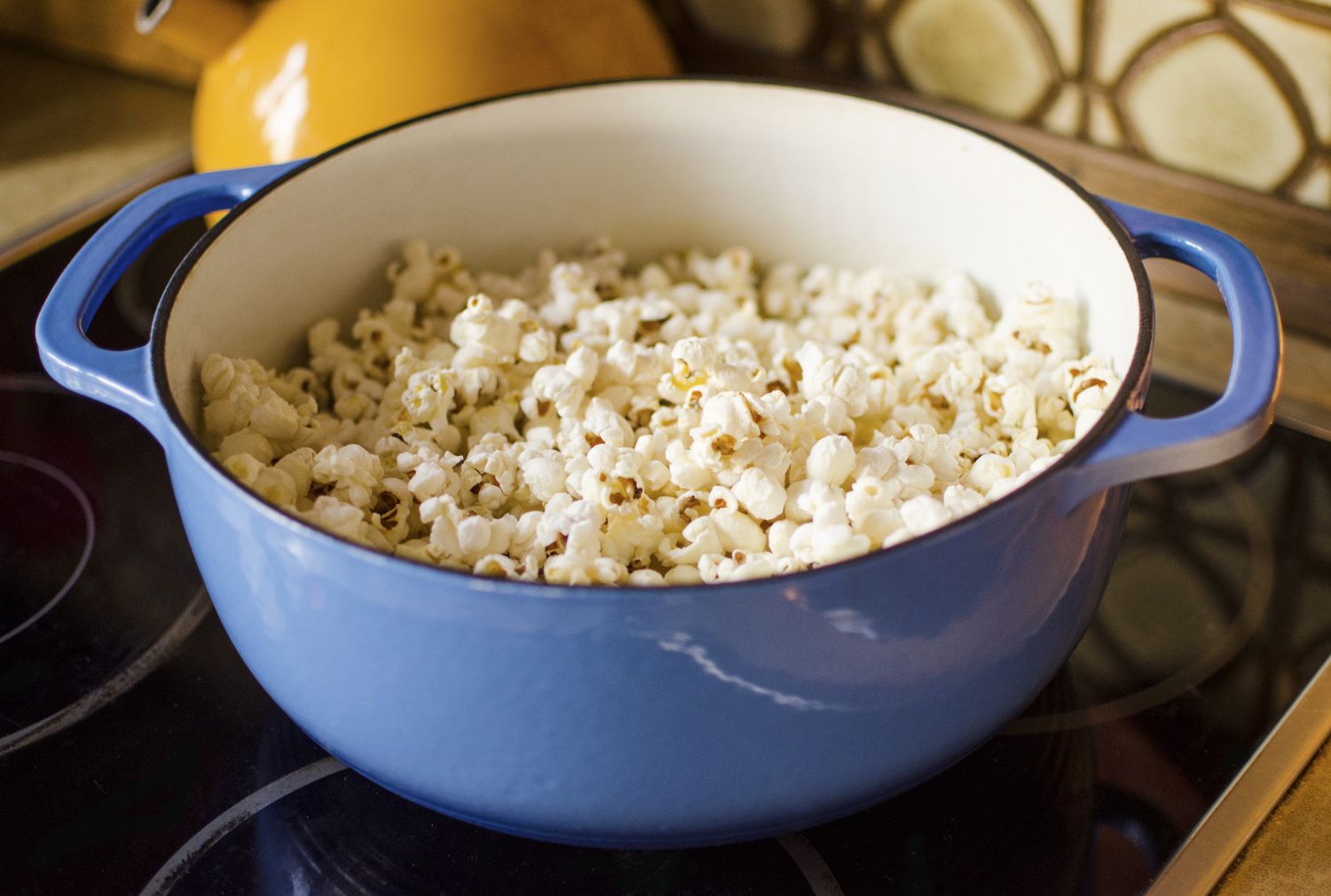
There are snacks, and then there is stovetop popcorn: the dramatic little kitchen performance where hard kernels transform into fluffy, crunchy clouds while you stand nearby feeling like a snack wizard. This stovetop popcorn with olive oil recipe is simple, affordable, fast, and wildly more satisfying than tearing open a microwave bag and hoping it does not taste like cardboard wearing butter perfume.
Using olive oil gives homemade popcorn a light, savory flavor with a subtle fruity richness. It also helps seasonings cling to every popped kernel, which is important because nobody wants all the salt sulking at the bottom of the bowl. The key is using the right heat, the right pot, and a tiny bit of patience. Not much patience, thankfully. Popcorn is not sourdough.
This guide will walk you through the best ingredients, exact stovetop method, flavor ideas, storage tips, troubleshooting, and real kitchen experience so you can make crisp, fluffy, never-boring olive oil popcorn at home.
Why Make Popcorn on the Stove With Olive Oil?
Stovetop popcorn has a fresher flavor and better texture than most packaged microwave versions. You control the oil, the salt, the toppings, and the final crunch. Olive oil is especially useful because it adds flavor without needing a heavy blanket of butter. It gives popcorn a more grown-up taste, though kids will still inhale it like tiny snack-powered vacuum cleaners.
Popcorn itself is a whole-grain snack, and when it is made with a moderate amount of oil and sensible seasoning, it can be a lighter alternative to many crunchy packaged snacks. The trick is not turning it into a salt-and-butter swimming pool. A little olive oil goes a long way.
Ingredients for Stovetop Popcorn With Olive Oil
This recipe keeps things simple because popcorn does not need a complicated personality. You only need a few pantry ingredients.
Main Ingredients
- 1/2 cup popcorn kernels
- 3 tablespoons olive oil, extra virgin or regular olive oil
- 1/2 teaspoon fine sea salt, plus more to taste
- 1 tablespoon extra virgin olive oil for finishing, optional but delicious
Optional Seasonings
- Garlic powder
- Smoked paprika
- Black pepper
- Nutritional yeast
- Grated Parmesan cheese
- Italian seasoning
- Crushed red pepper flakes
- Lemon zest
For classic flavor, salt alone is enough. For “I accidentally made the best snack of my week” flavor, add garlic powder, nutritional yeast, and a tiny drizzle of olive oil after popping.
Best Pot for Making Stovetop Popcorn
The best pot for stovetop popcorn is a heavy-bottomed pot with a tight-fitting lid. A Dutch oven, stainless steel stockpot, or heavy saucepan works well. The heavy base spreads heat more evenly, reducing the chance of scorched kernels. Thin pots can create hot spots, and hot spots are where popcorn dreams go to burn.
A 4- to 6-quart pot is ideal for 1/2 cup of kernels. The popcorn needs room to expand. Do not use a tiny saucepan unless you want your lid to rise like a haunted kitchen prop.
How to Make Stovetop Popcorn With Olive Oil
This method uses the “test kernel” technique, which helps you know when the oil is hot enough before adding the full batch of kernels.
Step 1: Heat the Olive Oil
Place a heavy-bottomed pot over medium heat. Add 3 tablespoons of olive oil and 3 popcorn kernels. Cover the pot with the lid.
Those three kernels are your little kitchen scouts. When they pop, the oil is ready.
Step 2: Add the Rest of the Kernels
Once the test kernels pop, remove the pot from the heat. Add the remaining 1/2 cup popcorn kernels in an even layer. Cover the pot again and let it sit off the heat for about 30 seconds.
This short pause helps the kernels warm evenly, which means more kernels pop around the same time. It is a small step, but it makes a big difference.
Step 3: Pop the Corn
Return the pot to medium heat. As the kernels begin popping, gently shake the pot back and forth every few seconds. Keep the lid slightly ajar if your lid does not vent steam. This allows moisture to escape, helping the popcorn stay crisp instead of chewy.
Listen carefully. When the popping slows to about 2 seconds between pops, remove the pot from the heat immediately. Popcorn can go from perfect to “campfire souvenir” very quickly.
Step 4: Season While Hot
Pour the popcorn into a large bowl. Drizzle with 1 tablespoon extra virgin olive oil if desired, then sprinkle with salt and any seasonings you like. Toss well so every piece gets some attention.
Step 5: Serve Right Away
Stovetop popcorn is best eaten fresh while it is warm, crisp, and making you feel proud of yourself for cooking something that costs very little but tastes like movie night upgraded to VIP.
Complete Stovetop Popcorn With Olive Oil Recipe
Recipe Details
- Prep time: 2 minutes
- Cook time: 5 minutes
- Total time: 7 minutes
- Servings: 4
- Yield: About 10 to 12 cups popped popcorn
Ingredients
- 3 tablespoons olive oil
- 1/2 cup popcorn kernels
- 1/2 teaspoon fine sea salt, or to taste
- 1 tablespoon extra virgin olive oil, optional for finishing
- Optional seasonings: garlic powder, nutritional yeast, Parmesan, paprika, black pepper, or herbs
Instructions
- Add olive oil and 3 popcorn kernels to a heavy-bottomed pot.
- Cover and heat over medium heat until the test kernels pop.
- Remove the pot from the heat and add the remaining kernels in an even layer.
- Cover and wait 30 seconds.
- Return the pot to medium heat and gently shake as the kernels pop.
- Keep the lid slightly vented to release steam if needed.
- When popping slows to about 2 seconds between pops, remove from heat.
- Transfer popcorn to a large bowl.
- Season immediately with salt, optional olive oil, and desired toppings.
- Toss and serve warm.
Can You Use Extra Virgin Olive Oil for Popcorn?
Yes, you can use extra virgin olive oil for stovetop popcorn as long as you cook over medium heat and avoid letting the oil smoke. Extra virgin olive oil adds a deeper, fruitier flavor, while regular or light olive oil has a milder taste and can be a good choice if you want the seasonings to stand out more.
The important thing is heat control. Popcorn does not need aggressive high heat. Medium heat gives the kernels enough energy to pop without scorching the oil or the bottom layer of corn. If you see smoke before the kernels pop, the pan is too hot. Lower the heat, start again if necessary, and remind yourself that popcorn is cheap but smoke alarms are loud.
Why This Recipe Works
Olive Oil Coats the Kernels Evenly
Oil helps transfer heat from the pan to the kernels. When the kernels are coated evenly, they pop more consistently. Olive oil also gives the finished popcorn a pleasant savory flavor, making it taste polished without requiring much else.
The 30-Second Pause Improves Popping
Taking the pot off the heat after the test kernels pop allows the remaining kernels to warm up together. When the pot goes back on the burner, they pop more evenly, which helps reduce burnt pieces and unpopped kernels.
Venting Steam Keeps Popcorn Crisp
Steam builds as the kernels pop. If too much steam stays trapped under the lid, the popcorn can turn soft. Leaving the lid slightly cracked or using a vented lid helps moisture escape while still keeping the popcorn inside the pot, where it belongs.
Best Seasoning Ideas for Olive Oil Popcorn
One of the best things about homemade popcorn with olive oil is how flexible it is. You can make it salty, cheesy, spicy, herby, or even slightly sweet.
Classic Sea Salt Popcorn
Use fine sea salt because it clings better than large flakes. Add it while the popcorn is still warm so it sticks to the light coating of oil.
Garlic Parmesan Popcorn
Toss warm popcorn with olive oil, garlic powder, grated Parmesan, and black pepper. This tastes like garlic bread and popcorn had a very successful meeting.
Mediterranean Herb Popcorn
Add dried oregano, dried basil, lemon zest, and a pinch of salt. This version is bright, savory, and excellent with sparkling water or iced tea.
Smoky Paprika Popcorn
Mix smoked paprika, salt, and a small pinch of cayenne. This gives the popcorn a warm, smoky flavor without needing butter.
Nutritional Yeast Popcorn
Nutritional yeast adds a cheesy, nutty flavor and pairs beautifully with olive oil. It is a favorite option for dairy-free snackers.
Common Mistakes to Avoid
Using Heat That Is Too High
High heat may seem faster, but it often burns the oil and scorches the kernels before they have time to pop properly. Medium heat is the sweet spot.
Adding Too Many Kernels
Overcrowding the pot leads to uneven popping. Stick with 1/2 cup kernels for a 4- to 6-quart pot.
Forgetting to Shake the Pot
A gentle shake moves unpopped kernels toward the heat and prevents popped kernels from sitting too long on the bottom.
Seasoning Too Late
Salt and seasonings stick best when the popcorn is hot and lightly coated with oil. Waiting too long means the flavor falls to the bottom of the bowl like snack confetti.
How to Store Leftover Popcorn
Homemade popcorn is best the same day, but leftovers can be stored in an airtight container at room temperature for 1 to 2 days. Let the popcorn cool completely before sealing it. If you trap steam in the container, it may lose its crunch.
Avoid refrigerating popcorn. The refrigerator adds moisture, and moisture is the enemy of crisp popcorn. Store it in a pantry or on the counter instead.
How to Make Popcorn Taste Like Movie Theater Popcorn
If you want a movie-theater-style flavor using olive oil, finish the popcorn with a small drizzle of extra virgin olive oil and a sprinkle of very fine salt. For a buttery taste, add 1 to 2 tablespoons of melted butter after popping, but use it lightly. You want glossy popcorn, not popcorn doing laps in a dairy pool.
For extra flavor, try adding a little nutritional yeast or finely grated Parmesan. Both bring a savory note that makes the popcorn taste fuller and more satisfying.
Is Stovetop Popcorn With Olive Oil Healthy?
Stovetop popcorn with olive oil can be a smart snack when portions and toppings are reasonable. Popcorn is a whole grain, and olive oil contains mostly unsaturated fat. Compared with heavily buttered or candy-coated popcorn, this homemade version gives you more control over calories, sodium, and ingredients.
That said, “healthy” depends on how you prepare it. A bowl of olive oil popcorn with a sensible amount of salt is very different from popcorn buried under butter, cheese powder, caramel, and enough salt to preserve a snowman. Keep the toppings balanced, and this snack can easily fit into everyday eating.
of Kitchen Experience: What I Learned Making Olive Oil Popcorn Again and Again
After making stovetop popcorn with olive oil more times than I can reasonably defend in public, I can say this: the recipe is easy, but the small details matter. The first lesson is that medium heat is not a suggestion; it is the boss. Whenever I rushed and cranked the burner too high, the first few kernels popped dramatically, and then the bottom layer started smelling suspiciously like regret. When I kept the heat at medium and gave the pot time to warm evenly, the popcorn came out lighter, fluffier, and much less dramatic in the bad way.
The second lesson is that the pot matters more than people think. A heavy pot makes the process calmer. Thin pans heat too quickly in some spots and not enough in others, which leads to burned kernels mixed with stubborn unpopped ones. That combination is especially annoying because it feels like the popcorn is personally judging your cooking skills. A Dutch oven or heavy stainless steel pot gives the kernels a better environment to pop evenly.
I also learned that the lid should not be clamped down like a bank vault. Popcorn releases steam, and if that steam gets trapped, the finished popcorn can taste slightly chewy. Leaving the lid just a little cracked helps the steam escape while keeping the popcorn from launching itself across the stove. A glass lid is fun because you can watch the action, but it is not required. Listening is actually more important than watching. When the popping slows down, trust your ears and pull the pot off the heat.
Another experience-based tip: season immediately. Warm popcorn grabs flavor better. If you wait until it cools, the salt and spices slide right off. I like tossing the popcorn in a huge bowl, not a polite little bowl. Popcorn needs space to move. A large mixing bowl lets you drizzle olive oil, sprinkle seasoning, and toss everything without creating a crunchy landslide on the counter.
Extra virgin olive oil works beautifully as a finishing oil. Even if you use regular olive oil for popping, a small drizzle of extra virgin olive oil at the end gives the popcorn a richer aroma. It makes the snack taste intentional, like something you would serve to guests instead of something you made because dinner is still 40 minutes away and your stomach has started filing complaints.
My favorite seasoning combination is fine sea salt, garlic powder, nutritional yeast, and black pepper. It is savory, slightly cheesy, and bold enough to feel special without being fussy. For a lighter version, lemon zest and dried oregano are excellent. For movie night, Parmesan and smoked paprika are hard to beat.
The biggest takeaway is that stovetop popcorn rewards attention, not perfection. You do not need fancy equipment, gourmet kernels, or a cinematic popcorn machine. You need a sturdy pot, decent olive oil, fresh kernels, and the willingness to stand near the stove for a few minutes. That is it. Once you get the rhythm, this recipe becomes one of those reliable kitchen tricks you keep returning to because it is fast, flexible, and honestly more fun than a snack has any right to be.
Final Thoughts
This stovetop popcorn with olive oil recipe proves that the best snacks do not need a long ingredient list or complicated technique. With popcorn kernels, olive oil, salt, and a sturdy pot, you can make a fresh, crunchy, flavorful snack in under 10 minutes. The method is easy enough for a weeknight and tasty enough for movie night, game night, after-school snacking, or those mysterious evenings when you are not hungry for dinner but somehow very hungry for popcorn.
Use medium heat, vent the steam, season while hot, and do not walk away from the stove. Popcorn may be simple, but it appreciates your attention. Treat it well, and it will reward you with a bowl of golden, olive-oil-kissed crunch that disappears faster than you expected.
Note: This article is written as original, publication-ready web content based on established cooking methods, popcorn preparation guidance, and practical kitchen experience. Source links are intentionally omitted as requested.