Plant-based eating has acquired the kind of reputation usually reserved for yoga, reusable water bottles, and peoplossibly complicated, and suspiciously likely to involve kale. In reality, a healthy plant-based diet is much more flexible than its internet image suggests. You do not have to become vegan, memorize the amino-acid profile of quinoa, or apologize to a cheeseburger before eating it.
Harvard Health and other major U.S. health organizations generally describe plant-based eating as a pattern that puts vegetables, fruits, whole grains, legumes, nuts, seeds, and healthy plant oils at the center of meals. Some versions exclude animal foods, while others include modest amounts of fish, poultry, eggs, or dairy. The important word is “based”: plants form the foundation, but the plan can be adapted to your health needs, culture, budget, and willingness to negotiate with tofu. >
What Does Plant-Based Eating Actually Mean?
Plant-based is an umbrella term, not a single rulebook. A vegan diet excludes all animal-derived foods. A vegetarian diet may include eggs or dairy. A pescatarian pattern includes seafood, while a flexitarian approach emphasizes plants but leaves room for occasional meat. Mediterranean and DASH-style diets are also plant-forward because they rely heavily on produce, whole grains, beans, nuts, and unsaturated fats.
This flexibility matters because sustainable eating patterns are rarely built through dramatic food declarations made on Sunday night. They are built through repeatable choices: lentil soup instead of processed lunch meat, oatmeal instead of a frosted pastry, or a bean-and-vegetable burrito instead of a burrito large enough to require structural engineering.
“Plant-Based” Does Not Automatically Mean Healthy
French fries, sugary cereal, soda, refined white bread, and some highly processed meat substitutes can all be technically plant-based. That does not turn them into health foods. Harvard researchers have repeatedly emphasized the difference between healthful plant foodssuch as vegetables, fruits, whole grains, nuts, and legumesand less healthful choices dominated by refined starches, added sugars, and ultra-processed products. Diet quality matters more than the label printed on the package. n>
Why Plant-Based Eating May Improve Health
It Can Support Heart Health
Whole plant foods tend to provide fiber, potassium, antioxidants, and unsaturated fats while containing little or no dietary cholesterol. Replacing red and processed meats with beans, lentils, nuts, seeds, tofu, or other minimally processed plant proteins can also reduce saturated fat intake. These shifts may help improve LDL cholesterol, blood pressure, body weight, and other cardiovascular risk factors. The American Heart Association recommends regularly choosing plant proteins and minimizing processed meat. t May Help With Blood Sugar Management
Fiber-rich foods digest more slowly than many refined carbohydrates and can help create steadier meals. Beans are especially useful because they combine complex carbohydrates, protein, and fiber in one inexpensive package. For people with diabetes, however, legumes still contain carbohydrates, so portions and medications may need to be considered. The American Diabetes Association encourages plant-based protein choices while advising individualized meal planning. t Can Make Weight Management Less Miserable
Vegetables, fruits, beans, and intact whole grains generally offer substantial volume and fiber for a moderate number of calories. That combination can improve fullness without requiring you to stare sadly at three lettuce leaves and call them dinner. Nuts, seeds, oils, and avocado are nutritious but calorie-dense, so a plant-based diet is not magically immune to portion sizes. Still, emphasizing whole foods can make it easier to build satisfying meals with a lower overall energy density.
It Supports Digestive Health
Dietary fiber adds bulk, supports regularity, and feeds beneficial gut microbes. The best approach is to increase fiber gradually and drink adequate fluids. Jumping from a low-fiber diet to three bowls of bean chili in one day may be nutritionally ambitious but socially complicated. A slower transition gives the digestive system time to adjust.
It Fits Cancer-Prevention Guidance
No single food prevents cancer, and broccoli does not wear a superhero cape. Even so, the American Cancer Society recommends a dietary pattern rich in vegetables, fruits, whole grains, and beans while limiting red meat, processed meat, sugary drinks, and highly processed foods. Plant foods provide fiber and a wide range of nutrients and phytochemicals, while healthy eating can also support weight managementan important part of reducing risk for several cancers. n>
How to Build a Balanced Plant-Based Plate
A practical starting point is the Harvard Healthy Eating Plate. Fill roughly half the plate with vegetables and fruits, favoring vegetables. Use about one-quarter for whole grains and one-quarter for healthy protein. Add a small amount of healthy fat and choose water, coffee, or tea with little or no added sugar. This framework is not a food prison; it is a visual shortcut that helps meals become balanced without a spreadsheet. hoose a Protein Anchor
Start each main meal with a clear protein source. Good options include beans, lentils, chickpeas, tofu, tempeh, edamame, peas, nuts, seeds, and unsweetened soy milk. Quinoa and whole grains contribute some protein too, although they are usually better treated as supporting actors rather than the star of the show.
Most adults can meet protein needs through varied plant foods if they eat enough total calories. You also do not need to combine specific proteins at every meal. Eating a varied diet across the day supplies the essential amino acids the body needs. The more practical question is not “Where do you get your protein?” but “Did you remember to put beans on the grocery list?” ake Whole Grains the Default
Oats, brown rice, barley, farro, quinoa, bulgur, whole-wheat pasta, and true whole-grain bread provide more fiber and nutrients than refined grains. Check ingredient lists rather than trusting bread that is brown because someone waved molasses near it. “Whole” should appear before the grain near the beginning of the list.
Use Produce for Variety, Not Decoration
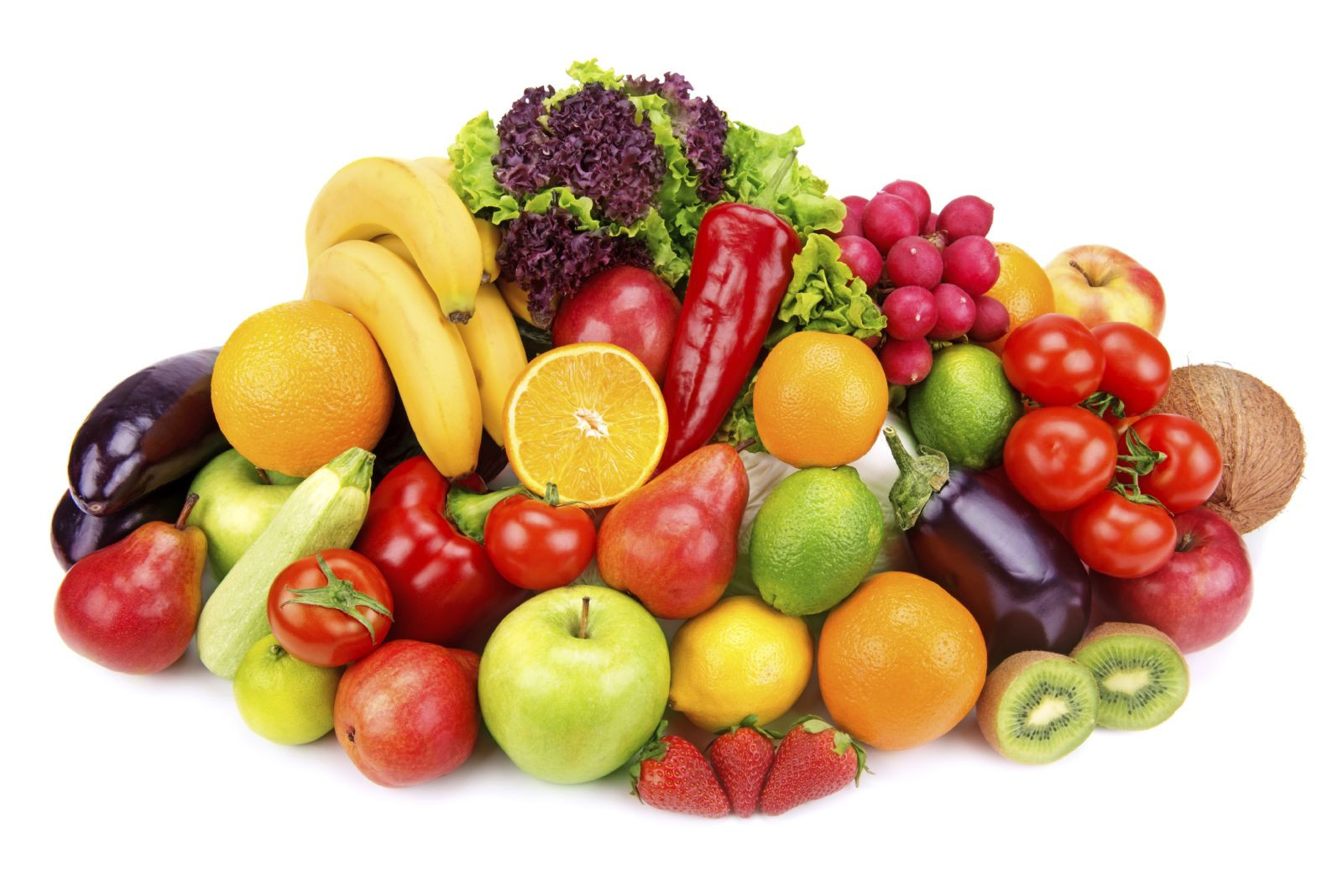
A parsley sprig beside a mountain of pasta does not constitute a vegetable serving. Build meals around multiple colors and textures: leafy greens, tomatoes, peppers, carrots, mushrooms, cabbage, berries, citrus, apples, and whatever seasonal produce fits the budget. Frozen vegetables and fruits are practical, nutritious, and less likely to stage a slow tragedy in the refrigerator drawer.
Include Healthy Fats
Nuts, seeds, avocado, olives, and oils such as olive or canola oil add flavor and help meals feel satisfying. Ground flaxseed, chia seeds, walnuts, and canola oil provide alpha-linolenic acid, a plant-based omega-3 fat. People who avoid seafood may want individualized advice about long-chain omega-3s, especially during pregnancy or when medical conditions affect nutrient needs. n>
Nutrients That Deserve Extra Attention
A well-planned plant-based diet can be nutritionally complete, but “well-planned” is doing important work in that sentence. Variety, fortified foods, and appropriate supplements matter, particularly for fully vegan diets.
Vitamin B12
Vitamin B12 is naturally found primarily in animal-derived foods, so people eating a vegan diet need a dependable source from fortified foods or a supplement. Waiting for a symptom is not a sensible monitoring strategy because deficiency can damage blood cells and nerves. Discuss dosage and testing with a clinician, especially if you take medications or have digestive conditions that reduce absorption. ron and Zinc
Beans, lentils, tofu, pumpkin seeds, cashews, fortified cereals, and whole grains provide iron and zinc. Plant iron is absorbed less efficiently than iron from meat, but vitamin C improves absorption. Pair lentils with tomatoes, tofu with broccoli, or fortified cereal with berries. Tea and coffee can reduce iron absorption when consumed with meals, which matters most for people at risk of deficiency.
Calcium and Vitamin D
Calcium sources include fortified plant milks, calcium-set tofu, certain leafy greens, tahini, and beans. Vitamin D is naturally present in relatively few foods, so fortified foods and supplements may be useful depending on sun exposure, age, laboratory results, and medical guidance. Shake fortified plant milk before pouring; added calcium has an annoying habit of settling at the bottom like a tenant avoiding rent. odine and Omega-3 Fats
Iodized salt can provide iodine, but specialty salts are not always iodized. Seaweed contains iodine in highly variable amounts, so more is not necessarily better. For omega-3 fats, include flaxseed, chia seeds, walnuts, hemp seeds, or canola oil; people avoiding fish may discuss algae-derived DHA and EPA with a clinician or dietitian.
A Simple 7-Step Transition Plan
- Change breakfast first. Try oatmeal with fruit and walnuts, whole-grain toast with peanut butter, or tofu scramble with vegetables.
- Schedule two meatless dinners. Bean chili, lentil curry, vegetable stir-fry with tofu, and chickpea pasta are forgiving beginner meals.
- Use the “add before subtract” rule. Add beans to tacos, vegetables to pasta, or fruit to breakfast before worrying about removing everything else.
- Batch-cook one foundation. Prepare a pot of grains, lentils, or beans and reuse it in bowls, soups, salads, and wraps.
- Keep emergency foods. Stock frozen vegetables, canned no-salt-added beans, microwaveable brown rice, hummus, nuts, and low-sodium soup.
- Flavor aggressively. Use herbs, citrus, garlic, ginger, vinegar, spices, salsa, tahini, and modest amounts of healthy oils. Blandness is not a nutritional requirement.
- Aim for progress. A plant-forward lunch five days a week is more useful than a flawless vegan Tuesday followed by three days of drive-through rebellion.
Common Mistakes to Avoid
Replacing Meat With Refined Carbohydrates
A plate of white pasta and garlic bread may be meatless, but it lacks the protein, fiber, and produce that make a meal balanced. Add lentils, white beans, tofu, vegetables, and a whole-grain base.
Relying on Packaged Vegan Foods
Plant-based burgers, nuggets, cheeses, and desserts can be convenient, but some are high in sodium, saturated fat, or refined starch. Use them as optional convenience foods rather than the architectural foundation of the diet.
Eating Too Little
Whole plant foods can be filling. New plant-based eaters sometimes reduce calories too sharply and then wonder why they are hungry enough to consider eating the furniture. Include adequate portions of grains, legumes, starchy vegetables, nuts, seeds, and healthy fats.
Ignoring Medical Context
People who are pregnant, older, growing, recovering from illness, managing diabetes, living with kidney disease, taking certain medications, or coping with a history of disordered eating may need tailored guidance. A registered dietitian nutritionist can help adapt plant-based eating without turning meals into a chemistry exam. n>
A Realistic Plant-Based Eating Experience: The First 30 Days
The following is a composite, practical example based on common beginner experiences rather than a claim that every person will respond the same way.
Week One: The Grocery Cart Gets Ambitious
The first week often begins with optimism and an alarming quantity of produce. Breakfast is easy: oatmeal, berries, and peanut butter require no culinary enlightenment. Lunch is more challenging because the old default sandwich may suddenly feel off-limits. A better strategy is to modify familiar foods rather than invent a new personality. A turkey sandwich becomes hummus, cucumber, tomato, and avocado on whole-grain bread. Beef tacos become black bean tacos with cabbage, salsa, and corn.
Digestive changes may appear as fiber intake rises. This is usually a reminder to proceed gradually, drink water, and cook beans thoroughlynot evidence that legumes have launched a personal attack.
Week Two: Flavor Becomes the Main Project
By the second week, the novelty fades and taste determines whether the experiment survives. Plain steamed vegetables and unseasoned tofu are technically food, but so is cardboard if your standards are sufficiently low. Roasting vegetables, browning mushrooms, marinating tofu, and using sauces changes everything. A basic bowl of brown rice, edamame, broccoli, shredded carrots, and sesame-ginger sauce can feel like dinner instead of a nutritional assignment.
Meal preparation also becomes more efficient. One batch of lentils can become lentil soup, taco filling, and a topping for baked sweet potatoes. The refrigerator begins to look less like a produce museum and more like a working kitchen.
Week Three: Social Situations Test the Plan
Restaurants, family dinners, and busy workdays reveal whether the approach is flexible. The most sustainable response is usually not perfection. At a restaurant, a person might choose a vegetable-heavy entrée, request beans instead of meat, or eat a plant-forward side dish with fish. At a family meal, filling most of the plate with vegetables, grains, and beans can preserve the overall pattern without turning dinner into a debate.
Hunger is another useful signal. If lunch consists of a small salad with no beans, grains, nuts, or tofu, afternoon hunger is not a moral failure; it is predictable biology. Adding a protein source and a substantial carbohydrate usually fixes the problem better than pretending herbal tea is a sandwich.
Week Four: The Pattern Starts Feeling Normal
After several weeks, the biggest benefit may be reduced decision fatigue. Breakfast options are known, freezer staples are available, and a few favorite dinners have earned repeat status. Some people notice improved regularity, greater meal satisfaction, or easier weight management; others notice little immediately. Health improvements are not guaranteed on a 30-day schedule, and meaningful changes in cholesterol, blood pressure, or blood sugar should be assessed with appropriate clinical follow-up rather than guesswork.
The lasting lesson is that plant-based eating works best as a flexible operating system, not a temporary cleanse. A person may continue with fully vegan meals, a Mediterranean pattern, or simply more beans and fewer processed meats. The successful version is the one that remains nutritionally sound, enjoyable, affordable, and realistic on a tired Wednesday.
Conclusion: Make Plants the Default, Not a Punishment
Plant-based eating is less about banning foods and more about changing the center of gravity on the plate. Vegetables, fruits, whole grains, legumes, nuts, seeds, and healthy plant oils become the regular cast; animal foods, when included, play smaller supporting roles. This approach aligns with guidance from Harvard Health and major U.S. health organizations because it can increase fiber and nutrient intake while reducing reliance on red meat, processed meat, refined grains, and sugary foods.
The healthiest plan is not defined by a trendy label. It is defined by food quality, balance, adequate nutrition, and consistency. Start with one breakfast, one bean-based dinner, or one grocery-store swap. Your diet does not need a dramatic origin story. It just needs a next meal.