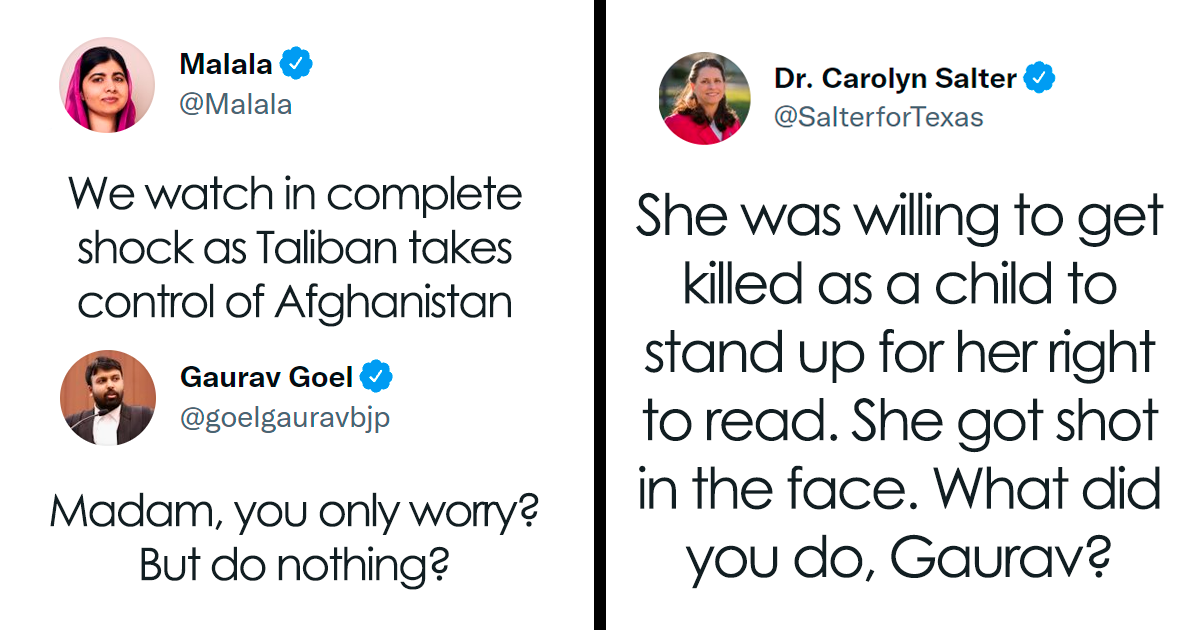
There is a special kind of satisfaction in watching an obnoxious person confidently march into a conversation, plant a flag on Mount Nonsense, and get removed with one perfectly timed sentence. No shouting. No furniture thrown. Just a sharp comeback followed by the conversational equivalent of Windows shutting down.
That is the appeal behind “Murdered By Words” moments: witty replies, devastating counterarguments, and verbal reversals that expose arrogance without requiring a 47-part social media thread. The finest epic comebacks do more than insult someone. They identify the weakness in a rude remark and hand it back with a tiny decorative bow.
There is also a serious reason these exchanges resonate. Pew Research Center found that roughly four in ten American adults had experienced online harassment, while a separate survey showed that nearly half of U.S. teens had encountered cyberbullying or harassment. Verbal bullying can include taunting, name-calling, threats, and public humiliation, whether it occurs face-to-face or through a screen.
A clever response cannot solve every form of harassment, but it can reclaim the rhythm of a conversation. Sometimes the most effective response is funny. Sometimes it is calmly assertive. Sometimes it is simply, “We’re done here.” The goal is not to become a bigger jerk. It is to stop providing free seating in your head to someone who arrived without a reservation.
What Makes an Epic Comeback Actually Work?
It targets the behavior, not someone’s humanity
A weak insult attacks appearance, identity, or vulnerability. A strong comeback exposes hypocrisy, bad logic, entitlement, or unnecessary cruelty. It answers what the person did rather than declaring that the person has no value.
It is shorter than the original offense
If your response requires footnotes, a projector, and an intermission, it is no longer a comeback. It is a conference. The most memorable verbal takedowns are compact enough to land before the other person has time to move the goalposts.
It sounds controlled
Assertiveness means expressing a position clearly while respecting the rights of others. Mayo Clinic and the Association for Behavioral and Cognitive Therapies distinguish that approach from aggression, which attempts to dominate or injure. In other words, confidence does not need to arrive swinging a folding chair.
It knows when silence is stronger
Not every troll deserves your finest material. Workplace guidance from Harvard Business Review recommends pausing, checking your emotions, and deciding whether a rude remark should be challenged, clarified, documented, or ignored. That decision is part of the skill. A comeback is a tool, not a subscription service you must provide to every passing fool.
50 Epic Comebacks for Rude, Arrogant, and Exhausting People
Comebacks for Arrogant Know-It-Alls
-
When someone delivers an opinion as unquestionable truth:
“That was a lot of certainty carrying very little evidence.” -
When they try to win by speaking louder:
“Your volume is doing unpaid labor for your argument.” -
When confidence is their only supporting source:
“Confidence is impressive. Evidence would be a fun sequel.” -
When they keep interrupting everyone:
“You’re mistaking interruption for leadership.” -
When they call cruelty ‘brutal honesty’:
“That wasn’t brutal honesty. It was ordinary rudeness wearing a name tag.” -
When they invent a ridiculous version of your position:
“Congratulations on defeating the argument you wrote for me.” -
When they demand the final word:
“You don’t need the last word. You still need a first point.” -
When they constantly advertise their intelligence:
“You keep announcing your brilliance like a store with no customers.” -
When the room goes silent after their rant:
“Nobody is speechless. We’re checking whether you’re finished.” -
When they confuse condescension with expertise:
“You sound like the final draft of a thought that is still in spellcheck.”
Comebacks for Unsolicited Comments About Your Appearance
-
When someone criticizes your outfit:
“My clothes weren’t accepting public comments, but thanks for stopping by.” -
When they think your appearance requires their approval:
“You’re reviewing me as though your opinion came with a warranty.” -
When they make a rude comment about your body:
“Imagine having every possible topic available and choosing my body.” -
When they insult your personal style:
“Your taste can be private. Your manners should be public.” -
When they say they would never wear what you are wearing:
“That makes two of us who prefer you not wearing it.” -
When they disguise criticism as helpful advice:
“Advice becomes more useful after someone requests it.” -
When they say your look is ‘too much’:
“Then feel free to experience less of it from farther away.” -
When they claim they are only trying to help:
“Help usually arrives with kindness. This sounded more like surveillance.” -
When they ask why you cannot look more ‘normal’:
“I didn’t realize confidence required a permit from your office.” -
When they keep offering negative feedback:
“I’m not accepting reviews from someone who mistakes cruelty for charisma.”
Epic Workplace and School Comebacks
-
When a coworker repeats your idea and receives the credit:
“Thanks for repeating my point with a deeper voice.” -
When someone criticizes work they never examined:
“Which section did you reviewthe title or your imagination?” -
When a colleague denies something they clearly said:
“Let’s put it in writing so the facts can attend the next meeting.” -
When a chronic procrastinator complains about a deadline:
“The deadline wasn’t sudden. Your calendar simply refused to testify.” -
When someone disappears and calls it delegation:
“You’re confusing delegation with leaving the scene.” -
When a classmate mocks you for asking a question:
“Questions are how people learn. That reaction explains your situation.” -
When a manager says disrespect is motivational:
“Fear may produce movement, but it rarely produces good work.” -
When someone says your success was just luck:
“Luck opened the door. Preparation was the one who walked through it.” -
When a teammate blames everyone else:
“Interesting how every problem has one thing in common and it isn’t us.” -
When someone makes a passive-aggressive remark during a meeting:
“You can say what you mean. We have enough time and apparently plenty of tension.”
Epic Comebacks for Online Trolls
-
When a self-described free thinker repeats a tired talking point:
“Your bio says ‘independent thinker,’ but that comment arrived factory-sealed.” -
When someone posts a huge rant without making a point:
“That is an impressive paragraph for a thought that never left the driveway.” -
When they substitute emojis for evidence:
“You brought twelve emojis and no facts. The court is dazzled.” -
When someone types entirely in capital letters:
“Your caps lock is working harder than your reasoning.” -
When a troll completely misses the subject:
“I would answer your point, but it appears to have missed the upload.” -
When they repeat the same false claim more loudly:
“Being wrong in surround sound does not make it true.” -
When an angry commenter boosts your post:
“Thanks for the engagement. The algorithm appreciates your sacrifice.” -
When a stranger sends a generic insult:
“That arrived without postage, so I’m returning it to the sender.” -
When they act as if blocking them violates free speech:
“Muting you is not censorship. It is housekeeping.” -
When they refuse to stop arguing:
“You seem determined to win a conversation nobody scheduled.”
Online counterattacks require extra judgment because an exchange can be copied, shared, misrepresented, or amplified indefinitely. Anti-harassment guidance generally recommends documenting serious abuse, using reporting and blocking tools, protecting personal information, and avoiding retaliatory harassment. A clever sentence is optional; personal safety is not.
Comebacks That Set Firm Personal Boundaries
-
When someone claims their insult was only a joke:
“A joke usually has more than one person laughing. You currently have a solo act.” -
When they criticize your reaction to their disrespect:
“You don’t get to insult me and then grade my response.” -
When someone refuses to accept your answer:
“No is a complete sentence. The sequel is also no.” -
When a relative treats your life like a committee project:
“My life is not a group assignment, and you were not appointed team leader.” -
When familiarity becomes an excuse for disrespect:
“You’re confusing knowing me with having permission.” -
When someone pressures you after you decline:
“Repetition does not turn pressure into consent.” -
When a person demands an explanation for your boundary:
“You’re entitled to your opinion, not control over my decision.” -
When a family member says disrespect is tradition:
“Interesting tradition. I’m starting a new one called minding our business.” -
When someone uses love to excuse harmful behavior:
“I can care about you and still decline this conversation.” -
When the interaction is no longer productive:
“We can continue when this conversation stops wearing steel-toed boots.”
Why Humor Can Defuse a Jerk Without Starting a War
Humor changes the balance of an uncomfortable exchange. A bully often expects embarrassment, anger, or nervous silence. An unexpected line interrupts that script. It can show observers that the target is not powerless while releasing some of the tension in the room.
Research discussed by the Greater Good Science Center suggests that shared laughter can strengthen social connection, while playful communication can sometimes help people navigate conflict. However, aggressive humor is less constructive than humor that challenges behavior without attacking someone’s basic worth. Even an excellent joke becomes ugly when it punches at trauma, disability, race, religion, sexuality, or another vulnerable characteristic.
Government anti-bullying guidance has also noted that humor may sometimes help young people respond to bullying. At the same time, it advises calm, clear communication and warns against retaliating during cyberbullying incidents. Context matters. A sarcastic reply to a mildly rude acquaintance is different from responding to threats, stalking, repeated workplace harassment, or an abusive relationship.
When Not to Use a Savage Comeback
Some moments call for wit. Others call for screenshots, witnesses, supervisors, moderators, teachers, human resources, security personnel, or law enforcement. Skip the clever line when someone is threatening violence, revealing private information, stalking you, escalating unpredictably, or holding serious power over your safety.
You should also reconsider the roast when the person made an innocent mistake, misunderstood your meaning, or is genuinely trying to repair the situation. Curiosity can prevent an ordinary disagreement from turning into a competitive festival of wounded pride. Speaking up matters, but so does recognizing when a conversation can still be rescued.
One useful rule is to ask what result you want. Do you want the behavior to stop? Do you want to correct misinformation? Are you protecting another person? Are you entertaining an audience? If the only goal is humiliation, you may be preparing to become the sequel to the jerk you disliked.
Real-Life Experiences Behind the Perfect Comeback
The brilliant response that arrives six hours late
Nearly everyone knows the experience. Someone says something unbelievably rude, and your brain responds by displaying a loading symbol. You mumble, “Okay,” leave the room, make dinner, brush your teeth, and suddenly produce a sentence so perfect that historians should preserve it. Unfortunately, your opponent is now asleep, three zip codes away, and entirely unaware that they have been demolished in your bathroom mirror.
This delayed reaction is not proof that you are weak. Surprise and stress can temporarily narrow your thinking. Preparing a few simple boundary phrases“That was unnecessary,” “What did you mean by that?” or “Please don’t speak to me that way”is often more useful than waiting for spontaneous comedy lightning.
The meeting where somebody borrows your idea
A familiar workplace scene begins when one person presents a suggestion and receives silence. Ten minutes later, another employee repackages the same idea, adds the phrase “strategic alignment,” and is congratulated for reinventing civilization.
The satisfying fantasy is a devastating roast. The more practical comeback is calmly reclaiming the contribution: “Yes, that builds on the recommendation I shared earlier. Let me explain the next step.” It corrects the record without creating a second meeting titled “Concerns About Professionalism.” When the behavior becomes a pattern, documenting your work is even stronger than sarcasm.
The relative who treats dinner like a performance review
Family gatherings can produce remarkable food and even more remarkable violations of privacy. Someone asks about your weight, salary, relationship status, reproductive plans, or career choices before you have finished passing the potatoes.
A humorous response may reset the room: “I came for dinner, not my quarterly evaluation.” A direct boundary may work better: “I’m not discussing that.” The important experience is realizing that closeness does not eliminate consent. You do not owe sensitive information merely because the person asking once changed your diapers or remembers your unfortunate middle-school haircut.
The troll who wants attention more than truth
Online arguments often feel like debates but function more like arcade games. The troll earns points every time you return. Facts are ignored, questions are dodged, and the subject changes whenever the original claim collapses. You may write a beautifully sourced response only to receive a laughing emoji from an account whose profile picture is a truck wearing sunglasses.
In that experience, the strongest comeback may be no comeback. Correct misinformation once for the benefit of reasonable readers, then disengage. Blocking someone does not mean they defeated you. It means you stopped volunteering as an unpaid cast member in their one-person reality show.
The “joke” that everyone expects you to tolerate
Sometimes a friend or coworker repeatedly targets one person and insists it is harmless because the group laughs. The target may smile simply to escape further attention. When challenged, the joker retreats behind, “You’re too sensitive.”
A useful response focuses on impact: “It stopped being a joke when you were the only person enjoying it.” Bystanders can help by refusing to reward the behavior, changing the tone, checking privately on the person targeted, or stating clearly that the comment was not acceptable. Official anti-bullying guidance emphasizes that bystanders can become upstanders, helping the target while signaling that cruelty is not the group’s standard.
Conclusion: The Best Comeback Leaves Your Dignity Intact
The internet celebrates verbal destruction, but the smartest epic comebacks are not really about destroying people. They destroy a bad argument, expose an entitled attitude, interrupt bullying, or make a boundary impossible to misunderstand.
Timing helps. Humor helps. Confidence certainly helps. Yet the most powerful ingredient is self-respect. You are not obligated to absorb every insult, explain every choice, or debate every stranger who wanders into your notifications carrying a megaphone and half a thought.
Deliver the line when it serves a purpose. Walk away when engagement would reward the behavior. Report serious harassment when safety is involved. And remember: sometimes the most devastating response is letting a jerk finish speaking and then continuing your day as though their audition was unsuccessful.