Some tools are obviously necessary. A screwdriver, a flashlight, a tape measure, a decent knifethese are the responsible adults of the drawer. Then there are the tools and gadgets that feel optional until the exact moment they save dinner, rescue a weekend project, prevent a minor plumbing opera, or make you feel like the main character in a very practical movie.
This article is a celebration of those “not essential, but extremely nice to have” items: the smart plug that turns an old lamp into a civilized piece of technology, the instant-read thermometer that stops chicken from becoming poultry roulette, the magnetic tray that keeps screws from entering another dimension, and the mini vacuum that makes crumbs fear your name.
The best everyday gadgets are not gimmicks. They solve small problems repeatedly. They reduce friction. They make chores less annoying, cooking more accurate, repairs less dramatic, and your home feel slightly more under control. Do you absolutely need all of them? No. Should you have a few anyway? Absolutely. Welcome to the charming gray area between “necessary” and “I regret nothing.”
What Makes a Tool or Gadget Worth Having?
A good gadget earns its drawer space. It should do at least one of four things: save time, improve safety, reduce mess, or make a task noticeably easier. Bonus points if it makes you say, “Why didn’t I buy this five years ago?” while standing in your kitchen holding a lemon squeezer like it is ancient technology from a smarter civilization.
The biggest mistake people make with clever tools is buying things that solve imaginary problems. A banana slicer, for example, may be fun, but nature already invented fingers. A good tool solves a recurring problem. A great tool solves it so smoothly that you stop thinking about the problem altogether.
The “Use It Three Times” Rule
Before buying any household tool, ask yourself: will I use this at least three times a year? If the answer is yes, it may be worth owning. If the answer is “only if I start making homemade ravioli every Sunday,” pause. Ambition is beautiful, but storage space is finite.
Small Tools Beat Big Promises
The most useful gadgets are often humble. A stud finder, a quality flashlight, a compact bit driver, a kitchen scale, or a smart plug will usually beat some giant countertop appliance that requires its own zip code. Practicality wins. Flashy packaging does not hang shelves, unclog drains, or keep your leftovers from tasting like refrigerator air.
Home Repair Tools You May Not NeedUntil You Really Do
Home repair has a funny way of becoming urgent at 9:47 p.m. on a Sunday. That is when you discover the difference between “I own a few tools” and “I am prepared for civilization.” You do not need a contractor-level workshop, but a few smart extras can make basic repairs easier and less chaotic.
1. A Multi-Bit Screwdriver
A multi-bit screwdriver is one of the most underrated tools in the home. Instead of digging through a drawer full of mismatched screwdrivers, you get one handle with interchangeable bits for different screw heads. It is ideal for furniture assembly, outlet covers, cabinet hardware, toys, battery compartments, and the mysterious tiny screws that appear when you buy anything labeled “some assembly required.”
Look for a comfortable handle, magnetic bit retention, and a mix of Phillips, flathead, Torx, and hex bits. This is the kind of tool that seems boring until it saves you from using a butter knife as a screwdriver, which is how both cutlery and dignity are lost.
2. A Stud Finder
Can you hang something without a stud finder? Sure. Can you also guess where the studs are by knocking on the wall like you are trying to communicate with a ghost? Also yes. But a stud finder gives you a much better chance of mounting shelves, mirrors, and TVs safely.
A basic electronic stud finder is enough for most homeowners. More advanced models can detect metal or live wires, which adds a layer of safety. It is not glamorous, but neither is watching a floating shelf become a falling shelf.
3. A Magnetic Parts Tray
A magnetic tray is one of those small garage gadgets that feels unnecessary until you use it once. It holds screws, bolts, washers, and tiny parts while you work. Instead of placing hardware “somewhere safe” and then never seeing it again, you can keep everything together.
It is especially useful for furniture assembly, appliance repair, bike maintenance, and electronics work. Tiny screws are naturally mischievous. A magnetic tray keeps them from rolling under the refrigerator and starting a new life.
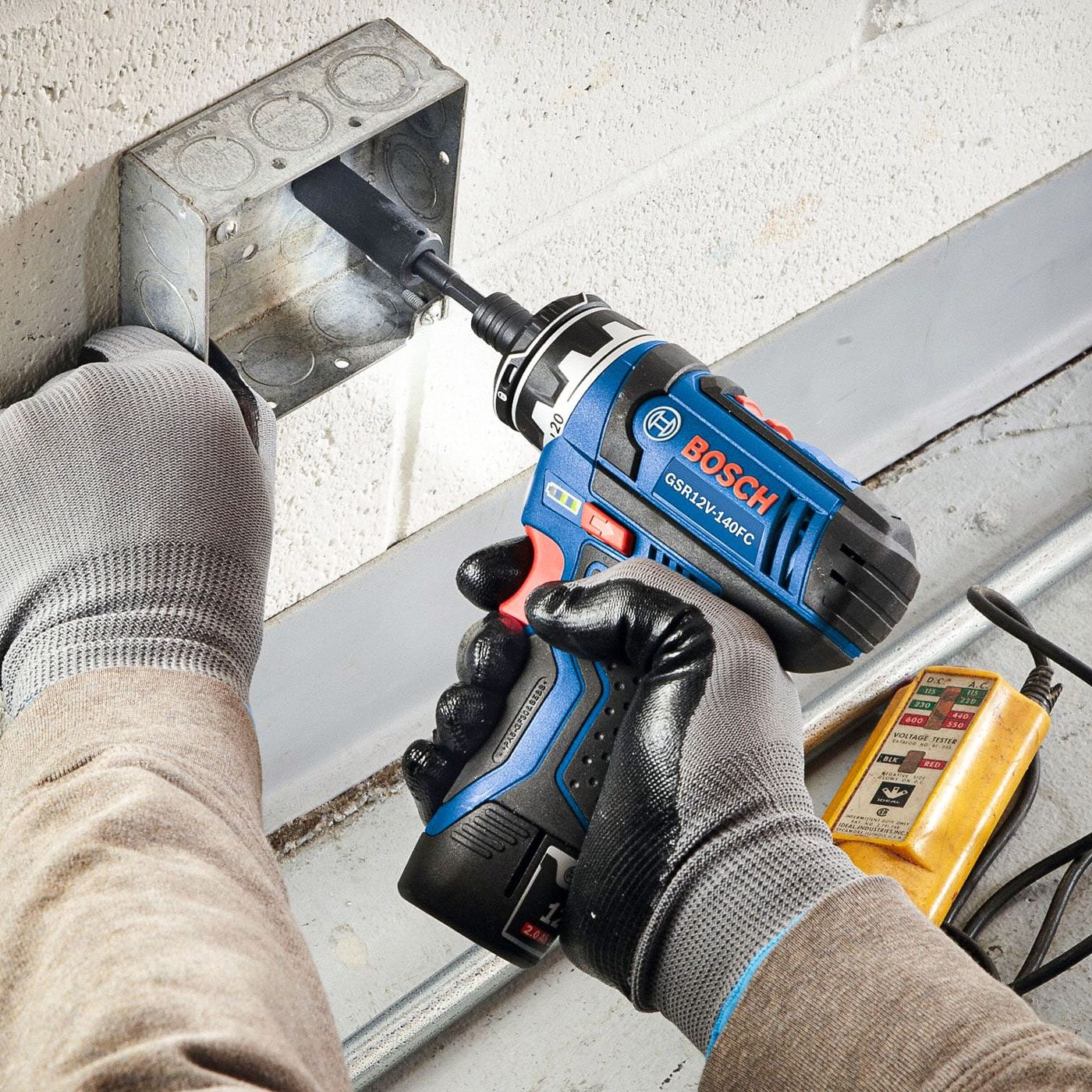
4. A Compact Cordless Drill
A full-size drill is excellent for serious projects, but a compact cordless drill or electric screwdriver is perfect for everyday tasks. It helps assemble furniture, install curtain rods, mount hooks, and handle repeated screws without turning your wrist into a protest movement.
For apartments and small homes, a lightweight model is usually better than a huge professional drill. You want something easy to grab, not something that makes you feel like you are auditioning for a construction crew.
5. A Small Hardware Organizer
Every home has a random collection of screws, wall anchors, picture hooks, nails, felt pads, and mystery brackets. A small hardware organizer turns that chaos into a system. It does not need to be fancy. Clear compartments and labels are enough.
This gadget saves emergency trips to the store for one tiny wall anchor. It also prevents the classic household ritual of opening a junk drawer, sighing heavily, and muttering, “I know we have one somewhere.”
Kitchen Gadgets That Earn Their Keep
The kitchen is where unnecessary gadgets go to either become legends or clutter. The difference is usefulness. The right kitchen tools make cooking faster, cleaner, safer, and more consistent. The wrong ones become archaeological artifacts behind the slow cooker.
6. An Instant-Read Thermometer
An instant-read thermometer may not look exciting, but it is one of the best kitchen gadgets you can own. It removes guesswork from cooking meat, fish, bread, oil, and leftovers. Instead of slicing into chicken and hoping for the best, you get a clear temperature reading in seconds.
This is not just about food safety. It is about better texture. Overcooked steak, dry turkey, and underbaked bread are often temperature problems. A thermometer turns cooking from “vibes and prayers” into something closer to science, without making you wear goggles.
7. A Microplane Zester
A Microplane-style zester is small, inexpensive, and surprisingly powerful. It turns citrus zest, garlic, ginger, Parmesan, nutmeg, and chocolate into fine shavings with minimal effort. It can brighten pasta, salads, desserts, cocktails, marinades, and sauces.
It is one of those tools that makes food taste more intentional. Suddenly your lemon pasta has sparkle. Your pancakes have orange zest. Your boxed brownie mix looks like it went to culinary school for a semester.
8. A Digital Kitchen Scale
A digital kitchen scale is especially useful for baking, meal prep, coffee brewing, and portioning leftovers. Measuring by weight is more accurate than measuring by volume, particularly with flour, sugar, and other ingredients that can vary wildly depending on how they are scooped.
It also reduces dishwashing. Instead of dirtying several measuring cups, you can place a bowl on the scale, zero it out, and add ingredients directly. That is efficiency. That is maturity. That is also fewer spoons in the sink judging you.
9. A Handheld Milk Frother
Do you need a handheld milk frother? No. Does it make coffee, matcha, hot chocolate, protein shakes, salad dressings, and small sauces more fun? Yes. It is small, affordable, and easy to store, which makes it the rare “treat yourself” gadget that does not demand counter space.
It can turn an ordinary morning drink into something that feels slightly café-level. Is it a lifestyle transformation? Probably not. But sometimes a little foam is enough to convince your brain that the day is under control.
10. A Citrus Squeezer
A handheld citrus squeezer seems unnecessary until you are chasing lemon seeds around a cutting board. It extracts juice efficiently, catches many seeds, and keeps your hands from smelling like lemon for the next three hours.
Use it for salad dressings, marinades, cocktails, tea, seafood, guacamole, and roasted vegetables. It is simple, low-tech, and deeply satisfying. The citrus squeezer has one job, and unlike many people in group projects, it does that job well.
Cleaning Gadgets That Make Chores Less Personal
Cleaning is rarely anyone’s hobby. The best cleaning tools do not make chores magical, but they can make them faster and less gross. That is enough. We are not asking a grout brush to heal society; we are asking it to stop the bathroom from looking haunted.
11. A Mini Handheld Vacuum
A handheld vacuum is perfect for crumbs, pet hair, car seats, drawers, couch cushions, stairs, and the mysterious debris that gathers near baseboards. It is faster than dragging out a full-size vacuum and more dignified than brushing crumbs into your hand.
For families, pet owners, and snack enthusiasts, a compact vacuum is a daily peacekeeper. Keep it charged and visible. If it is buried in a closet, it becomes theoretical.
12. A Silicone Scraper Set
Silicone scrapers are excellent for removing stuck-on food, cleaning pans, scraping counters, wiping bowls, and dealing with messes that should not be attacked with metal. They are flexible, durable, and safe for many surfaces.
They also help reduce waste in the kitchen. A good scraper can get the last bit of sauce, batter, peanut butter, or frosting from a container. That may not sound heroic, but frosting conservation is a noble cause.
13. A Drill Brush Attachment
A drill brush attachment turns a cordless drill into a power scrubber. It can help clean tubs, tile, grout, outdoor furniture, wheels, and stubborn surfaces. It is not for delicate finishes, and you should always test first, but for tough grime it can save time and elbow grease.
This is the gadget for anyone who has ever scrubbed a bathtub and thought, “There must be a more mechanical way to be angry at soap scum.” There is.
Smart Home Gadgets That Actually Make Sense
Not every smart home device is necessary. Some add convenience; others add another app, another password, and another reason to reset Wi-Fi. The best smart gadgets are the quiet ones. They help without turning your home into a customer support ticket.
14. Smart Plugs
Smart plugs are one of the easiest ways to automate ordinary devices. Plug in a lamp, fan, holiday lights, coffee station, or air purifier, then control it with an app, schedule, or voice assistant. You do not need to replace your whole home system. You can simply make one outlet smarter.
They are especially useful for hard-to-reach plugs and routines. A lamp that turns on automatically at sunset feels fancy. A fan that shuts off on schedule feels responsible. A smart plug is tiny domestic luxury.
15. A Smart Bulb or Two
Smart bulbs are helpful in bedrooms, entryways, living rooms, and home offices. You can dim them, schedule them, change their color temperature, and turn them off without leaving bed. That last feature alone has probably improved humanity by at least 3%.
Start small. One or two bulbs are enough to see whether smart lighting fits your routine. You do not need your entire house glowing purple unless you are hosting a very specific kind of party.
16. A Bluetooth Tracker
A Bluetooth tracker is excellent for keys, wallets, backpacks, luggage, remote controls, and anything else that enjoys hiding in plain sight. The best versions integrate with major phone ecosystems and can help you locate items through sound alerts or location networks.
This gadget is particularly valuable for people who are always “just about to leave” but somehow missing their keys. It does not fix forgetfulness, but it does give forgetfulness a search function.
Desk and Everyday Carry Gadgets Worth Owning
Some useful gadgets live at your desk, in your bag, or beside your bed. They are small upgrades that smooth out daily annoyances. Individually, they are minor. Together, they make life feel less like a series of preventable inconveniences.
17. A Cable Organizer
Cables multiply in darkness. A simple cable organizerclips, wraps, sleeves, or a small boxcan tame chargers, USB cords, HDMI cables, and power strips. It makes your desk cleaner and your brain calmer.
Good cable management also helps prevent damage. Cords that are bent, twisted, or yanked around tend to fail sooner. Organizing them is not just aesthetic; it is practical. It is also cheaper than buying the same charger again because the old one “mysteriously died.”
18. A Portable Power Bank
A power bank is one of those items you forget about until your phone hits 4% battery while you are navigating, traveling, or waiting for a rideshare. Then it becomes the most important object in your bag.
Look for one with enough capacity for at least one full phone charge, USB-C support, and a size you will actually carry. A giant power bank that never leaves your drawer is not preparedness; it is a paperweight with ambitions.
19. A Rechargeable Flashlight
Phone flashlights are useful, but they are not a replacement for a dedicated flashlight. A rechargeable flashlight is brighter, easier to grip, and safer during power outages, car trouble, attic searches, or late-night mystery noises that are definitely just the ice maker. Probably.
Keep one near the bed, one in the garage, or one in an emergency kit. The best flashlight is the one you can find quickly. The worst flashlight is the one with dead batteries from 2018.
20. A Label Maker
A label maker may sound like peak organizational enthusiasm, but it is surprisingly useful. Label storage bins, pantry containers, cables, tool drawers, cleaning supplies, and seasonal decorations. It makes systems easier to maintain because everyone can see where things belong.
Labels are especially helpful in shared households. Without labels, “put it back where it goes” becomes a philosophical debate. With labels, the bin says “Batteries,” and the debate ends.
How to Buy Clever Gadgets Without Creating Clutter
The danger of useful gadgets is that they are still stuff. The goal is not to own every clever item on the internet. The goal is to build a personal collection of tools that match your home, habits, cooking style, and tolerance for instruction manuals.
Buy for Problems, Not Possibilities
Buy tools for problems you already have, not fantasy versions of yourself. If you cook often, kitchen gadgets make sense. If you rent and do basic repairs, compact hand tools are smart. If you lose your keys twice a week, a tracker is cheaper than being late forever.
Prioritize Multi-Use Items
Multi-use items usually deserve space before single-purpose gadgets. A kitchen scale, immersion blender, screwdriver set, smart plug, power bank, and flashlight can solve many different problems. Single-purpose tools can still be worth owning, but they should be excellent at their job.
Use the “Home Base” Rule
Every tool needs a home base. If you do not know where a gadget will live, you probably do not need it yet. Organization is part of usefulness. A tool you cannot find is not a tool; it is a rumor.
Personal Experience: The Gadgets I Thought Were Extra Until They Became Essential
I used to believe that most “clever” tools were just clutter wearing a confident smile. Then life began presenting small, annoying problems with the timing of a stand-up comedian. A chair leg loosened right before guests arrived. A smoke alarm battery chirped at 2 a.m. A recipe asked for lemon zest, and I attacked a lemon with a vegetable peeler like I had personal issues with citrus.
The first gadget that changed my mind was a magnetic parts tray. I bought it almost as a joke, because how dramatic could screw organization really be? Very dramatic, apparently. While assembling a bookshelf, I dropped several tiny screws into the tray and watched them stay put instead of rolling across the floor like escape artists. It felt like cheating. It also prevented the classic “one missing screw” ending, where the furniture is technically assembled but emotionally unstable.
Next came the instant-read thermometer. Before that, I cooked chicken based on color, time, and a vague sense of optimism. The thermometer made meals more consistent immediately. Chicken stayed juicy. Pork stopped being overcooked out of fear. Leftovers reheated properly. It was not flashy, but it made dinner better. Sometimes the most exciting gadget is the one that prevents you from serving sadness with a side salad.
The smart plug was another surprise. I set one up for a living room lamp, mostly because I wanted to feel futuristic without buying a robot butler. Now the lamp turns on automatically in the evening, and the room feels welcoming before anyone touches a switch. During the holidays, the same plug controls string lights. It is a tiny convenience, but tiny conveniences add up. A home becomes more comfortable not because everything is automated, but because the right little things happen without effort.
The label maker was my final surrender. I resisted it because labeling things felt like something done by people with matching storage bins and emotional control. Then I labeled a box of batteries, a drawer of cables, and a shelf of cleaning supplies. Suddenly, everyone in the house could find things and put them back correctly. It was not about perfection; it was about reducing repeated questions. “Where are the batteries?” became a problem solved by a sticker. Civilization advanced.
What these tools taught me is that useful gadgets are not about showing off. They are about removing tiny irritations from daily life. The best ones disappear into your routine. They do not demand attention. They simply make common tasks easier, cleaner, safer, or more pleasant. That is why a gadget you “may not need” can still be worth having. It may not change your life in a dramatic movie-trailer way, but it can absolutely change your Tuesday.
Start with one or two tools that solve real problems in your home. Maybe it is a handheld vacuum for crumbs, a drill brush for the bathroom, a Bluetooth tracker for your keys, or a kitchen scale for better baking. Use them. Notice whether they earn their place. The right gadgets do not create more work. They quietly remove it.
Conclusion
Tools and gadgets that you may not need but should have anyway are the unsung heroes of everyday living. They are not always essential in the strictest sense, but they make life smoother in ways that become obvious only after you use them. A smart plug saves a few steps. A thermometer saves dinner. A stud finder saves your wall. A magnetic tray saves your sanity.
The secret is choosing practical, repeat-use items that fit your actual routines. Avoid novelty clutter. Choose tools that solve real problems, store easily, and make common tasks easier. The right gadget does not need to be expensive, complicated, or trendy. It just needs to work when life gives you a loose screw, a dead phone, a dark hallway, a messy car seat, or a lemon that needs squeezing.
In the end, these tools are not about owning more stuff. They are about owning smarter stuff. And if that smarter stuff makes you feel a little more prepared, a little more capable, and a little less likely to use a butter knife as a screwdriver, that is a win worth making room for.
Note: This article is written in original American English for web publication and synthesizes real consumer guidance, expert testing themes, and practical household examples without inserting source links or unnecessary citation placeholders.