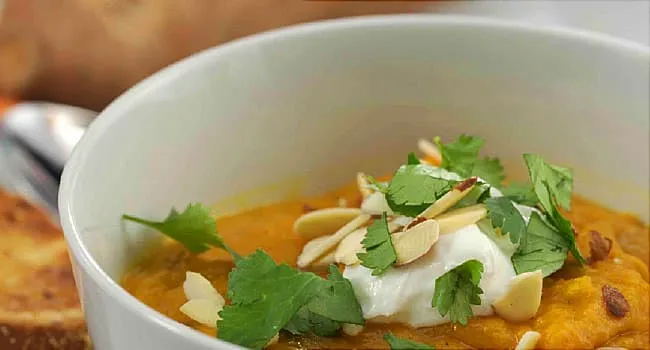
Some recipes enter the kitchen with fireworks, twelve specialty ingredients, and a sink full of dishes. Curried sweet potato and carrot soup takes a quieter route. It combines two humble root vegetables with fragrant curry, ginger, garlic, and creamy coconut milk, then blends everything into a golden bowl that looks far more sophisticated than the effort required.
A good recipe video makes the process even easier. You can see how large to cut the vegetables, how the spices should look when they bloom in the pot, and exactly when the soup is smooth enough to pour. There is no mystery, no advanced culinary acrobatics, and no need to balance a flaming skillet while whispering encouragement to a soufflé.
This guide walks through the complete recipe, explains the important visual cues to highlight in a cooking video, and offers practical solutions for adjusting flavor, thickness, heat, and texture.
Why Curried Sweet Potato and Carrot Soup Works
Sweet potatoes and carrots are natural partners because both develop a mellow sweetness when cooked. Carrots contribute a clean, earthy flavor, while sweet potatoes add body and a soft, almost buttery texture. Curry powder prevents the soup from becoming one-dimensional by introducing warm, savory, peppery, and aromatic notes.
Ginger and garlic provide freshness beneath the sweetness. Onion creates a savory foundation, and coconut milk rounds out the spices without burying them under heavy dairy. A final squeeze of lime or lemon adds acidity, making the finished soup taste brighter rather than merely sweet.
Similar combinations appear throughout reputable American recipe publications, where carrots, sweet potatoes, ginger, curry spices, broth, citrus, and coconut milk are frequently paired in puréed soups and vegetable curries. Roasting can deepen the flavor, while stovetop simmering offers speed and simplicity.
Curried Sweet Potato and Carrot Soup Recipe
Ingredients
- 1 tablespoon olive oil or coconut oil
- 1 medium yellow onion, roughly chopped
- 3 garlic cloves, minced
- 1 tablespoon freshly grated ginger
- 1 1/2 tablespoons mild curry powder
- 1/2 teaspoon ground cumin
- 1/4 teaspoon ground cinnamon
- 1/4 teaspoon crushed red pepper or cayenne, optional
- 1 1/2 pounds orange-fleshed sweet potatoes, peeled and cubed
- 1 pound carrots, peeled and sliced
- 4 cups low-sodium vegetable broth
- 1 can, about 13.5 ounces, unsweetened coconut milk
- 3/4 teaspoon kosher salt, plus more to taste
- 1/4 teaspoon freshly ground black pepper
- 1 to 2 tablespoons fresh lime or lemon juice
- Chopped cilantro, toasted pumpkin seeds, yogurt, or coconut cream for serving
Recommended Equipment
- Large Dutch oven or heavy-bottomed soup pot
- Chef’s knife and cutting board
- Wooden spoon or heat-resistant spatula
- Immersion blender or countertop blender
- Ladle
How to Make the Soup
Step 1: Prepare the Vegetables
Peel the sweet potatoes and carrots. Cut the sweet potatoes into approximately 1-inch cubes and slice the carrots into pieces of similar thickness. Uniform pieces cook at roughly the same rate, which means fewer crunchy carrot surprises hiding in an otherwise silky soup.
The cuts do not need to be camera-ready. Since everything will eventually be blended, rustic chopping is perfectly acceptable. The goal is consistency, not vegetable sculpture.
Step 2: Build the Aromatic Base
Heat the oil in a large pot over medium heat. Add the onion and cook for 5 to 6 minutes, stirring occasionally, until softened and translucent. Avoid aggressive browning. A little golden color is welcome, but deeply browned onion can dominate the gentle sweetness of the vegetables.
Add the garlic and ginger. Cook for about 30 seconds, just until fragrant. This is an excellent moment for a close-up in the recipe video because the mixture should look glossy and active without appearing scorched.
Step 3: Bloom the Spices
Add the curry powder, cumin, cinnamon, and optional crushed red pepper. Stir continuously for 30 to 60 seconds.
Heating spices briefly in oil helps distribute their fat-soluble flavor compounds and reduces the dusty, raw taste that can remain when curry powder is dumped directly into broth. The spices should become noticeably fragrant, but they should not blacken or stick to the bottom of the pot.
Recipes from Bon Appétit, Epicurious, Food Network, and The Kitchn commonly cook curry paste or ground spices with aromatics before adding liquid, creating a more developed base for soups and curries.
Step 4: Simmer Until Tender
Add the sweet potatoes, carrots, vegetable broth, salt, and black pepper. Stir well and bring the mixture to a gentle boil. Reduce the heat, partially cover the pot, and simmer for 20 to 25 minutes.
The vegetables are ready when a fork slides into both the carrots and sweet potatoes without resistance. Do not blend too early. A blender can make undercooked vegetables smaller, but it cannot persuade them to become luxuriously creamy.
Step 5: Add Coconut Milk
Pour in the coconut milk and stir. Allow the soup to warm for another 2 to 3 minutes without vigorously boiling it.
Coconut milk gives the soup a velvety finish and complements curry, ginger, and sweet vegetables. Other puréed carrot soup recipes use ingredients such as yogurt, cream, nut butter, or coconut milk to create body and soften sharper spices.
Step 6: Blend Until Smooth
Remove the pot from the heat. Use an immersion blender to purée the soup directly in the pot until smooth. Move the blender slowly around the pot, keeping the blade submerged to avoid decorating the backsplash with orange polka dots.
When using a countertop blender, work in small batches. Allow steam to escape according to the manufacturer’s directions, keep the lid secure, and avoid filling the blender jar too high. Hot liquid expands and produces steam, so patience is preferable to an unexpected soup fountain.
Continue blending until the soup looks glossy and pours from a ladle in a smooth ribbon. For an especially refined texture, pass it through a fine-mesh strainer, although this step is optional.
Step 7: Balance the Flavor
Stir in 1 tablespoon of lime or lemon juice. Taste the soup, then adjust the salt, acidity, heat, and thickness.
If it tastes flat, add a small pinch of salt or another squeeze of citrus. If it is too sweet, increase the lime juice, black pepper, or curry powder slightly. If it is too spicy, add more coconut milk. If it is too thick, stir in warm broth a few tablespoons at a time.
Citrus is especially effective in rich vegetable soups because acidity sharpens the individual flavors without requiring more salt or spice. The Kitchn and Epicurious use lime, lemon, or orange to bring contrast to carrot-based soups.
What the Recipe Video Should Show
The most useful cooking videos do more than display ingredients falling gracefully into a pot. They show the details viewers cannot easily understand from written directions.
Show the Size of the Vegetable Pieces
Include an overhead shot of the chopped carrots and sweet potatoes. Viewers should be able to see that the pieces are similar in size. This explains why the vegetables soften at approximately the same time.
Capture the Spices Blooming
Film a close-up when the curry powder hits the onion, garlic, and ginger. The oil should turn golden, and the spices should form a fragrant paste around the aromatics. This visual cue tells viewers when to add the broth.
Demonstrate Vegetable Tenderness
Before blending, press a carrot slice and sweet potato cube with a fork. They should break easily. This simple shot is more helpful than telling viewers to cook the vegetables until “done,” a word that has caused many dinners to file formal complaints.
Show the Texture Before and After Blending
Include a few seconds of the chunky soup followed by the finished purée. A ladle shot should demonstrate the ideal consistency: thick enough to coat the spoon but loose enough to flow smoothly into a bowl.
Finish With Contrasting Garnishes
Orange soup becomes more visually appealing when topped with green cilantro, white coconut cream, toasted seeds, black pepper, or thin slices of red chile. Garnishes should also contribute flavor or texture rather than simply posing for the thumbnail.
Optional Roasted-Vegetable Method
For a deeper, slightly caramelized flavor, roast the sweet potatoes and carrots before adding them to the soup.
- Heat the oven to 425°F.
- Toss the vegetables with 1 tablespoon of oil and a pinch of salt.
- Spread them on a large sheet pan without crowding.
- Roast for 25 to 35 minutes, turning once, until tender and browned around the edges.
- Add the roasted vegetables to the cooked onion and spice mixture.
- Pour in the broth, simmer for 10 minutes, add coconut milk, and blend.
Roasting removes some moisture and encourages browning, producing a more concentrated flavor. Epicurious and Serious Eats both use roasting to deepen sweet potato soup before blending it with aromatics and broth.
Variations and Substitutions
Make It Spicier
Use Madras curry powder, add cayenne, or sauté a chopped jalapeño with the onion. Thai red curry paste can replace the curry powder, but begin with 1 tablespoon because brands vary considerably in salt and heat.
Make It Richer
Use full-fat coconut milk and finish each bowl with coconut cream. For a non-vegan version, substitute heavy cream or add a spoonful of plain Greek yogurt after the soup has cooled slightly.
Add More Protein
Blend in a drained can of white beans or cooked red lentils. Peanut or almond butter also adds richness and a gentle nutty flavor. Several carrot and sweet potato soup recipes use chickpeas, lentils, peanuts, or nut butter to make the dish more substantial.
Use What Is Available
Butternut squash can replace some or all of the sweet potato. Parsnips can substitute for a portion of the carrots, though they create a more herbal flavor. Chicken broth works in place of vegetable broth when a vegetarian soup is not required.
Turn It Into a Meal
Serve the soup with warm naan, toasted sourdough, grilled cheese, a chickpea salad, or roasted cauliflower. A scoop of cooked rice or quinoa added to each bowl makes the soup more filling without changing the base recipe.
Common Problems and Easy Fixes
The Soup Is Too Thick
Add warm broth, water, or coconut milk in small amounts. Blend again after each addition. Remember that the soup will thicken further as it cools.
The Soup Is Too Thin
Simmer it uncovered over medium-low heat until some liquid evaporates. Alternatively, blend in additional cooked sweet potato, carrots, white beans, or a small spoonful of nut butter.
The Curry Flavor Is Weak
Warm a teaspoon of oil in a small skillet, add another teaspoon of curry powder, and cook for 20 to 30 seconds. Stir this mixture into the soup. Adding uncooked curry powder directly at the end can leave a chalky flavor.
The Soup Tastes Too Sweet
Add lime juice, salt, black pepper, cayenne, or a small amount of grated ginger. Avoid adding all of them enthusiastically at once. Soup repair is best performed with a teaspoon, not a catapult.
The Texture Is Slightly Grainy
Blend longer than seems necessary, especially when using fibrous carrots. A splash of coconut milk can help the mixture circulate. For restaurant-style smoothness, strain the soup before serving.
Nutrition and Ingredient Benefits
Carrots and orange-fleshed sweet potatoes contain beta-carotene, which the body can convert into vitamin A. Vitamin A supports normal vision, immune function, growth, and the maintenance of organs and tissues. The National Institutes of Health lists carrots and sweet potatoes among notable food sources of provitamin A carotenoids, while USDA research identifies orange-fleshed sweet potatoes as a particularly rich source.
The soup also provides carbohydrates, fiber, and several plant-based ingredients in one serving. Its precise nutritional content depends on portion size, the amount of coconut milk, the sodium level of the broth, and any toppings. It should be enjoyed as a versatile meal rather than treated as a magical orange potion with a medical degree.
Storage and Reheating
Allow the soup to stop steaming heavily, transfer it to shallow airtight containers, and refrigerate it promptly. The FDA advises refrigerating prepared foods and leftovers within two hours, or within one hour when the surrounding temperature is above 90°F.
For best quality, eat refrigerated soup within 3 to 4 days. Reheat it gently on the stovetop, stirring frequently and adding broth if it has thickened. The soup can also be frozen in portion-size containers. Leave a little empty space for expansion and thaw it in the refrigerator before reheating.
Coconut milk may separate slightly after freezing, but vigorous stirring or a brief pass with an immersion blender usually restores the texture. Frozen foods maintained continuously at 0°F remain safe indefinitely, although flavor and texture are best when the soup is used within a few months.
Experiences Related to Curried Sweet Potato and Carrot Soup
The first surprise many cooks experience with this soup is how quickly an ordinary pile of vegetables becomes something that looks restaurant-ready. At the beginning, the pot contains pale onion, orange chunks, and a dusting of spices. It is wholesome, certainly, but not yet thrilling. Once the curry powder warms in the oil, the kitchen changes. Ginger, garlic, cumin, and turmeric announce themselves with the confidence of guests who have decided they are staying for dinner.
The chopping stage is forgiving. Sweet potatoes can be stubborn and occasionally behave as though they have personal objections to the knife, but perfect cubes are unnecessary. The practical lesson is to create pieces of similar thickness. Large sweet potato chunks beside thin carrot coins can lead to one vegetable collapsing while the other remains determinedly crunchy.
Filming the recipe brings attention to details that are easy to overlook during ordinary cooking. The most visually satisfying moment is often not the final garnish but the addition of broth. The dark golden spice mixture loosens, orange vegetables rise through the liquid, and the entire pot suddenly looks like soup rather than a vegetable meeting that has gone badly off schedule.
The blending stage creates the biggest transformation. An immersion blender initially produces a mixture that appears uneven and slightly suspicious. After another minute, the surface becomes glossy and smooth. This is where many cooks stop too soon. Continuing to blend for an extra 30 to 60 seconds can make the difference between acceptable purée and a silky soup that flows cleanly from the ladle.
Tasting before adding citrus is another useful experience. Without lime or lemon, the soup may seem rich, warm, and pleasant but slightly sleepy. A small amount of acid wakes up the ginger, clarifies the curry spices, and reduces the impression of sweetness. The change can be dramatic even when only a teaspoon is added.
Serving the soup to different people reveals how adaptable it is. Someone who prefers gentle flavors may enjoy it with coconut cream and bread. A heat enthusiast may add chile crisp or cayenne. Children may prefer a mild curry blend and a swirl of yogurt. Guests who initially regard orange puréed soup with caution often become more interested once toasted pumpkin seeds, herbs, or crunchy chickpeas appear on top.
The leftovers offer another advantage. After a night in the refrigerator, the flavors usually seem more integrated, although the texture becomes thicker. A splash of broth returns it to a pourable consistency. The soup can become lunch with toasted bread, a starter before roasted chicken, or a quick dinner topped with chickpeas and cilantro.
The broader lesson is that curried sweet potato and carrot soup rewards adjustment rather than rigid obedience. Different carrots have different sweetness levels. Curry blends vary in heat and complexity. Coconut milk ranges from light and fluid to exceptionally rich. Tasting throughout the process matters more than following every measurement with courtroom-level precision.
For a recipe video, that flexibility is worth emphasizing. Viewers benefit from seeing not only what goes right but how to make corrections. Showing a soup being thinned with broth, brightened with lime, or made creamier with coconut milk turns the video from a performance into a genuinely useful cooking lesson.
Conclusion
Curried sweet potato and carrot soup proves that a short ingredient list can still produce layers of flavor. Sweet vegetables form the creamy foundation, aromatics add freshness, curry spices provide warmth, and citrus keeps the finished bowl lively.
The recipe is easy enough for a weeknight, attractive enough for entertaining, and flexible enough to accommodate different diets and spice preferences. It can be simmered entirely on the stovetop, made with roasted vegetables, enriched with coconut milk, or expanded with lentils, beans, and crunchy toppings.
Note: Seasoning strength, cooking time, and final thickness may vary according to the size of the vegetable pieces, the curry blend used, and the richness of the coconut milk. Taste and adjust before serving.