Gout has a flair for drama. One minute your foot is minding its own business; the next, your big toe feels like it joined a tiny medieval battle and lost. The pain can be sudden, sharp, hot, swollen, and oddly personal. The good news: while gout is a medical condition that deserves proper care, many smart at-home steps can help calm a flare, reduce discomfort, and lower the odds of future attacks.
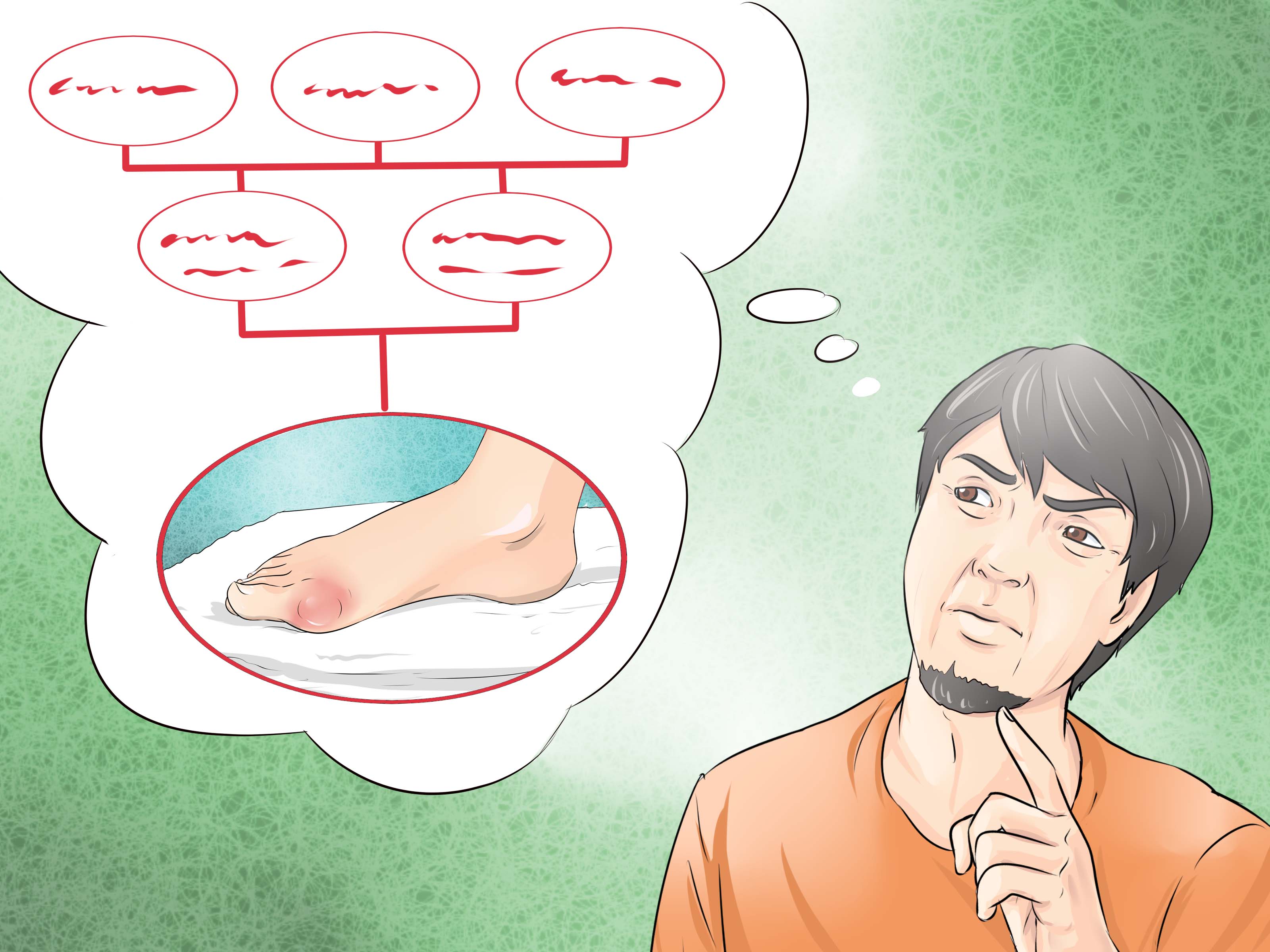
Gout happens when uric acid builds up in the body and forms sharp urate crystals in or around a joint. Those crystals can trigger intense inflammation, often in the big toe, ankle, foot, knee, wrist, or fingers. At-home gout relief is not about “curing” gout overnight. It is about acting quickly, protecting the joint, avoiding common triggers, and knowing when to call a healthcare professional.
Medical note: This article is for educational purposes only and is not a substitute for diagnosis or treatment. It synthesizes guidance from reputable U.S. medical sources, including federal health agencies, academic medical centers, rheumatology organizations, kidney health organizations, and major clinical health publishers. If this is your first gout flare, if symptoms are severe, or if you have kidney disease, diabetes, ulcers, heart disease, take blood thinners, or are pregnant, speak with a healthcare professional before using medication at home.
What Gout Relief at Home Really Means
Home care for gout has two goals: reduce pain during a flare and prevent the next one from crashing your schedule like an unwanted party guest. During an attack, the priorities are rest, inflammation control, hydration, and joint protection. Between attacks, the focus shifts to lowering uric acid levels through medical treatment when needed, diet changes, weight management, and better daily habits.
Many people try to “tough it out,” but gout is not a character-building exercise. Early action matters. The sooner you respond to a flare, the better chance you have of reducing the intensity and duration of symptoms.
How to Get Gout Relief at Home: 14 Steps
1. Start treatment as soon as symptoms appear
A gout flare often begins suddenly, sometimes at night. The affected joint may become hot, red, swollen, stiff, and painfully sensitive. Even a bedsheet can feel like a bowling ball. When you notice the first signs, do not wait to see whether your toe is “just being dramatic.” Begin your doctor-approved flare plan right away.
If you already have prescribed gout medication, such as colchicine, corticosteroids, or an anti-inflammatory plan, follow your healthcare provider’s instructions exactly. Timing matters because flare medications often work best when taken early.
2. Use safe anti-inflammatory medicine if appropriate
Over-the-counter nonsteroidal anti-inflammatory drugs, commonly called NSAIDs, such as ibuprofen or naproxen, may help reduce gout pain and swelling for some people. However, they are not safe for everyone. Avoid NSAIDs unless your doctor says they are appropriate if you have kidney disease, stomach ulcers, bleeding risks, uncontrolled high blood pressure, heart disease, liver disease, or if you take blood thinners.
Do not use aspirin as a gout pain reliever unless your doctor specifically tells you to. Aspirin can affect uric acid handling in the body. If you take low-dose aspirin for your heart, do not stop it on your own; ask your healthcare provider what to do.
3. Rest the painful joint
During a flare, your joint is inflamed and irritated. This is not the moment to “walk it off,” reorganize the garage, or prove that sandals are a personality trait. Rest the affected joint as much as possible for the first day or two. If the gout is in your foot, ankle, or knee, limit standing and walking.
Use a cane, crutch, or supportive shoe if needed. Reducing pressure on the joint can lower pain and help prevent extra irritation. Think of rest as giving the joint a quiet room and a “do not disturb” sign.
4. Apply ice for short periods
Cold therapy can help numb pain and reduce swelling. Wrap an ice pack, bag of frozen peas, or cold gel pack in a thin towel and place it on the affected joint for about 15 to 20 minutes at a time. Repeat several times a day as tolerated.
Do not put ice directly on the skin, and do not leave it on for too long. Frostbite is not the glow-up anyone requested. If cold makes your pain worse, stop and try elevation and rest instead.
5. Elevate the affected area
If gout affects your foot, ankle, or knee, elevate the joint above heart level when possible. Use pillows to support the area comfortably. Elevation can help reduce swelling and throbbing, especially when paired with rest and short icing sessions.
The key is comfort. Do not twist yourself into a living-room yoga sculpture. A simple pillow stack on the couch or bed is enough for most people.
6. Drink plenty of water
Hydration supports kidney function and helps the body process uric acid. During a flare, choose water as your main drink. If plain water bores you, add lemon slices, cucumber, mint, or berries. Your water does not need to become a spa commercial, but a little flavor can help you drink more consistently.
People with heart failure, advanced kidney disease, or fluid restrictions should ask a healthcare provider how much water is safe. For everyone else, pale-yellow urine is a practical sign that hydration is generally on track.
7. Avoid alcohol during a flare
Alcohol can raise uric acid levels and may worsen or trigger gout flares. Beer is especially known for being a common gout trigger, but liquor and wine can also be problematic for some people. During an active flare, skip alcohol completely.
Long term, some people with gout may need to limit alcohol strongly or avoid it. If your flare seems to arrive after beer, cocktails, or big celebratory meals, your body is not being subtle. It is sending a memo in bold font.
8. Cut back on sugary drinks and high-fructose foods
Sodas, sweetened juices, energy drinks, and foods high in added fructose can increase uric acid production. During a flare, replace sugary drinks with water, unsweetened tea, or other nonalcoholic, low-sugar beverages.
Fruit is generally part of a healthy diet, but fruit juice and sweetened fruit drinks are easier to overconsume and can deliver a lot of sugar quickly. Whole fruit is usually a better choice because it includes fiber and is more filling.
9. Choose low-purine meals while symptoms calm down
Purines are natural substances found in the body and in some foods. When purines break down, they create uric acid. During a flare, keep meals simple and gout-friendly. Good options include low-fat yogurt, skim or low-fat milk, eggs, whole grains, vegetables, potatoes, rice, oatmeal, nuts, and most fruits.
A sample flare-friendly day might include oatmeal with berries for breakfast, low-fat yogurt as a snack, vegetable soup with whole-grain toast for lunch, and a simple dinner of brown rice, roasted vegetables, and a small portion of lean protein. It may not win a cooking competition, but your inflamed joint will appreciate the lack of drama.
10. Avoid high-purine trigger foods
Some foods are more likely to raise uric acid levels. During a flare, avoid organ meats such as liver, large servings of red meat, game meats, and certain seafood such as anchovies, sardines, mussels, scallops, trout, and tuna. Rich gravies and meat-heavy meals can also be a problem.
This does not mean you must live forever on lettuce and sadness. Many people with gout can still enjoy a varied diet. The goal is moderation, pattern recognition, and fewer high-purine “greatest hits” on your plate.
11. Add low-fat dairy if it agrees with you
Low-fat dairy foods, such as milk, yogurt, and cottage cheese, may be helpful for people managing gout. They provide protein without the same purine load as red meat or certain seafood. They may also support uric acid excretion in some people.
If you are lactose intolerant, look for lactose-free low-fat options or talk with a dietitian about alternatives. Avoid turning this advice into an ice cream loophole. Low-fat dairy and sugar-loaded desserts are not the same nutritional neighborhood.
12. Keep moving gently after the flare improves
During the worst pain, rest is best. Once symptoms improve, gentle movement can help restore flexibility and reduce stiffness. Start with easy range-of-motion exercises or light walking, depending on which joint was affected.
Do not rush back into intense workouts while the joint is still hot, swollen, or tender. A gout flare is not the time for heroic lunges. When you resume exercise, choose low-impact activities such as walking, swimming, cycling, or stretching.
13. Aim for gradual weight management, not crash dieting
Excess body weight can increase gout risk, and gradual weight loss may help lower uric acid levels and reduce flares. The word “gradual” is important. Crash diets, fasting, and extreme low-carb plans may temporarily raise uric acid and trigger gout in some people.
A sustainable plan works better: more vegetables, fruits, whole grains, low-fat dairy, lean proteins, beans or lentils in sensible portions, and fewer sugary drinks, alcohol-heavy nights, and oversized meat portions. Your body prefers steady progress over nutritional jump scares.
14. Track your triggers and talk to your doctor about prevention
Keep a simple gout journal. Note what you ate, how much alcohol you drank, your hydration, stress level, sleep, exercise, medications, and when symptoms started. Patterns often appear after a few weeks or months.
If you have frequent flares, kidney stones, very high uric acid, tophi, or joint damage, at-home care is not enough. You may need urate-lowering medication such as allopurinol or another prescription treatment. These medicines are used to prevent future flares by lowering uric acid over time. They should be managed by a healthcare professional and usually require monitoring.
When to Call a Healthcare Professional
Call a doctor if this is your first suspected gout attack. Gout can look like other conditions, including infection, which may need urgent treatment. Also seek medical care if you have fever, chills, spreading redness, severe swelling, pain after an injury, symptoms in multiple joints, or pain that does not improve with your usual plan.
People with kidney disease, diabetes, immune system problems, ulcers, heart disease, or complex medication lists should be especially careful. Home remedies can help, but they should not delay needed medical care.
Common Home Remedies: What Helps and What Is Hype?
Some home strategies are sensible: rest, ice, hydration, elevation, trigger avoidance, and doctor-approved anti-inflammatory medication. Others deserve a raised eyebrow. Apple cider vinegar, celery juice, baking soda drinks, and miracle detoxes are often promoted online, but strong evidence for treating gout flares is limited. Some can also cause side effects or interact with health conditions.
Cherries and cherry juice are often discussed in gout circles. They may be helpful for some people as part of an overall gout-friendly diet, but they are not an instant cure. If you use cherry juice, choose unsweetened versions and watch portion sizes because sugar can work against your goals.
A Simple Gout-Friendly Meal Framework
For everyday prevention, think “heart-healthy with gout awareness.” Build meals around vegetables, fruits, whole grains, low-fat dairy, nuts, seeds, and moderate portions of lean protein. Limit organ meats, large servings of red meat, certain seafood, alcohol, and sugary drinks. DASH-style and Mediterranean-style eating patterns are often good starting points because they emphasize plants, fiber, and balanced nutrition.
Here is a practical plate idea: fill half your plate with vegetables, one quarter with whole grains or starchy vegetables, and one quarter with a lean protein. Add low-fat dairy or fruit if it fits your needs. This approach feels less like a punishment and more like normal eating with better steering.
Experience-Based Tips: What Home Gout Relief Looks Like in Real Life
In real life, gout relief at home is rarely one perfect trick. It is usually a small routine that you can repeat when symptoms strike. Imagine someone waking at 2 a.m. with a toe that feels hot, swollen, and furious. The first useful move is not panic-Googling every terrifying possibility. It is pausing, recognizing the familiar signs, and starting the plan already approved by a healthcare provider.
A practical home setup can make a flare much easier to handle. Keep a reusable ice pack in the freezer, a soft towel nearby, a water bottle on the nightstand, and comfortable footwear that does not squeeze the toes. If your flares affect the foot, a wide slipper or sandal can feel like a luxury item. During a flare, even a tight sock can become a villain.
Many people learn that their gout triggers are not random. A flare may follow a weekend of beer, steak, dehydration, and poor sleep. Another may appear after a holiday meal with rich gravy, shellfish, and sugary drinks. The point is not to feel guilty. Gout does not require shame; it requires pattern recognition. A simple note in your phone can reveal connections faster than memory alone.
One helpful habit is planning “flare-safe” meals before you need them. When pain hits, nobody wants to stand in the kitchen debating purines like a nutrition professor. Keep easy options around: oatmeal, low-fat yogurt, eggs, frozen vegetables, brown rice, whole-grain bread, fruit, soup ingredients, and plenty of water. These choices make it easier to avoid panic-ordering a giant meat-heavy dinner because cooking feels impossible.
Another real-world lesson: communicate with family or roommates. Tell them what helps during a flare. Maybe you need ice refills, fewer errands, or the heroic removal of the blanket from your throbbing toe. Gout pain can look invisible to other people, but it is very real. A short explanation can prevent misunderstandings and unnecessary pressure.
Work can also require planning. If flares affect your feet, standing all day may be brutal. Consider whether you can temporarily sit more, wear roomier shoes, work from home, or adjust duties during the worst symptoms. If flares are frequent, this is another sign to talk with a doctor about long-term prevention rather than simply surviving each attack.
The emotional side matters too. Gout can be frustrating, especially when people joke about it as an “old-fashioned rich-food disease.” In reality, gout is a complex inflammatory condition influenced by genetics, kidney function, medications, diet, weight, and other health factors. You are not a punchline. You are a person with a painful joint who deserves practical relief and good care.
The best home gout relief routine is boring in the most beautiful way: act early, rest, ice, hydrate, eat simply, avoid alcohol, protect the joint, and call your doctor when symptoms are unusual or severe. Boring works. Boring gets you back into shoes. Boring lets your toe stop acting like it owns the entire household.
Conclusion
Gout relief at home starts with fast, sensible action. Rest the joint, apply ice, elevate the area, drink water, avoid alcohol and sugary drinks, and use only doctor-approved medication. Then zoom out: identify triggers, build a low-purine eating pattern, manage weight gradually, and ask your healthcare provider whether long-term uric acid control is needed.
Home care can make a major difference, but gout is not something to ignore. Frequent flares can damage joints and may be linked with kidney and heart health concerns. Treat the flare in front of you, then make a plan to prevent the next one. Your future feet will thank you, preferably by walking pain-free and not demanding an emergency ice pack at midnight.