Nylon is one of those wonderfully practical fabrics that quietly does a lot of heavy lifting in daily life. It shows up in windbreakers, backpacks, activewear, swimsuits, hosiery, tote bags, rain jackets, travel accessories, dog leashes, and that mysterious “tech fabric” item you bought because it promised to survive weather, sweat, and possibly a minor apocalypse. Good news: nylon is generally easy to clean. Better news: you do not need a laundry PhD, a cabinet full of potions, or a dramatic soundtrack.
The secret to cleaning nylon is simple: use cool or warm water, choose a mild detergent, avoid high heat, pretreat stains early, and let the fabric dry gently. Nylon is strong, lightweight, quick-drying, and fairly resistant to mildew and abrasion, but it can still stretch, wrinkle, discolor, melt, or lose performance finishes if handled carelessly. In other words, nylon is toughbut it still appreciates manners.
This guide explains how to wash nylon clothes, clean nylon bags and jackets, remove stains from nylon fabric, and avoid the common laundry mistakes that turn a perfectly good item into a sad, crinkly science experiment.
What Is Nylon, and Why Does It Need Special Care?
Nylon is a synthetic fabric made from polyamide fibers. It was designed to be durable, elastic, lightweight, and resistant to everyday wear. That is why nylon is popular in performance clothing, outdoor gear, hosiery, backpacks, umbrellas, luggage, swimwear, and athletic apparel.
Compared with natural fibers like cotton or wool, nylon dries faster and usually does not absorb stains as deeply. However, nylon can attract oily stains, hold odors in tight-weave performance garments, and react poorly to excessive heat. Hot dryers, hot irons, chlorine bleach, and aggressive scrubbing are the main villains in the nylon laundry universe. They do not wear capes, but they do cause damage.
Before You Wash Nylon: Check the Care Label First
Before cleaning nylon, look at the care label. Yes, it is tiny. Yes, it may require the eyesight of a hawk and the patience of a monk. Still, that little tag tells you whether the item can be machine washed, hand washed, tumble dried, dry cleaned, or ironed.
Many nylon garments are machine washable, but some nylon items include coatings, linings, waterproof membranes, trims, zippers, adhesives, padding, or elastic blends that need gentler treatment. A nylon rain jacket, for example, may need a technical fabric cleaner instead of regular detergent. A nylon backpack may need spot cleaning instead of a full machine wash. Nylon stockings should be treated far more delicately than a nylon gym short.
Quick Nylon Care Rules
- Use cold or warm water, not hot water.
- Choose a mild liquid detergent.
- Wash delicate nylon items in a mesh laundry bag.
- Use a gentle, delicate, or permanent press cycle.
- Avoid chlorine bleach unless the care label clearly allows it.
- Skip high dryer heat.
- Air dry when possible.
- Do not iron nylon on high heat.
How to Wash Nylon Clothes in the Washing Machine
Machine washing nylon is usually safe when the garment care label allows it. This method works well for nylon shirts, shorts, activewear, lightweight jackets, swimsuits, and many nylon blends.
Step 1: Sort by Color and Fabric Weight
Wash dark nylon with dark colors and light nylon with light colors. Nylon itself is fairly resilient, but it can pick up dye transfer from other garments. Also, avoid washing lightweight nylon with heavy towels, jeans, or hoodies. Heavy fabrics create friction, and friction can cause pilling, snagging, or surface wear.
Step 2: Turn Items Inside Out
Turning nylon clothes inside out helps protect the outer surface from abrasion. This is especially helpful for activewear, printed nylon, dark-colored garments, and pieces with logos or decorative finishes. It also lets detergent work directly on sweat and body oils inside the garment. Glamorous? Not exactly. Effective? Absolutely.
Step 3: Pretreat Stains
If you see a stain, treat it before washing. Apply a small amount of liquid laundry detergent or an enzyme-based stain remover to the affected area. Gently work it in with your fingers or a soft cloth. Let it sit for 5 to 15 minutes, but do not let the product dry completely on the fabric.
Step 4: Choose Cold or Warm Water
Cold water is best for most nylon clothing because it helps protect color, shape, and elasticity. Warm water can be useful for heavily soiled items, but hot water is usually unnecessary and may damage nylon or nylon blends. If the item contains spandex, elastic, waterproof coating, or adhesive details, stay with cold water.
Step 5: Use a Gentle Cycle
Select a gentle, delicate, or permanent press cycle. These cycles reduce agitation and spinning, which helps prevent stretching, wrinkles, and fabric stress. For small nylon items such as lingerie, hosiery, or thin activewear, place them in a mesh laundry bag before washing.
Step 6: Use the Right Amount of Detergent
A little detergent goes a long way. Too much detergent can leave residue, trap odors, and make nylon feel stiff or sticky. Use a mild liquid detergent, preferably one that works well in cold water. Avoid fabric softener on performance nylon because it can coat fibers and reduce moisture-wicking or water-repellent properties.
How to Hand Wash Nylon
Hand washing is the safest method for delicate nylon garments, nylon stockings, lingerie, embellished pieces, and items that feel too fragile for the washer. It is also excellent for nylon bags, small accessories, and anything you would rather not gamble with during laundry night.
Step-by-Step Hand Washing Method
- Fill a clean sink or basin with cool water.
- Add a small amount of mild detergent and mix it into the water.
- Submerge the nylon item and gently swish it around.
- Let it soak for 10 to 30 minutes, depending on soil level.
- Gently rub stained or sweaty areas with your fingers.
- Drain the soapy water.
- Rinse with cool water until no detergent remains.
- Press out excess water without wringing.
- Lay flat on a clean towel or hang to air dry.
Never twist nylon aggressively to remove water. Wringing can stretch the fabric, stress seams, or deform delicate items. Instead, press the water out like you are calmly convincing the fabric to cooperate.
How to Dry Nylon Safely
Nylon dries quickly, which is one of its best qualities. In most cases, air drying is the safest choice. Hang the garment on a plastic hanger, lay it flat on a towel, or place it on a drying rack in a well-ventilated area.
If the care label allows machine drying, use low heat or air dry settings. Remove the item while it is still slightly damp to prevent wrinkles and heat stress. Avoid high heat because nylon can shrink, warp, melt, or develop shiny marks. A hot dryer is not a shortcut; it is a tiny laundry dragon.
How to Remove Stains from Nylon
Nylon stain removal is easiest when you act quickly. Fresh stains are usually easier to remove than old stains that have bonded with the fibers. The golden rule is simple: blot, pretreat, wash, check, and only dry when the stain is gone.
Oil and Grease Stains
Oil stains can cling to nylon, especially on jackets, bags, and activewear. Start by blotting away excess oil with a paper towel. Do not rub, because rubbing spreads the stain and gives it a larger territory to rule.
Apply a small amount of liquid dish soap or heavy-duty liquid laundry detergent directly to the stain. Gently work it in with your fingers or a soft brush. Let it sit for 10 to 15 minutes, then wash in the warmest water allowed by the care label. Check the stain before drying. If it remains, repeat the treatment.
Sweat and Body Odor
Nylon activewear can trap body oils and odors, especially when detergent residue or fabric softener builds up. Pretreat sweaty areas with liquid detergent or an enzyme laundry product. Wash in cold water on a gentle cycle. For persistent odor, soak the garment in cool water with a small amount of detergent before washing.
Avoid overloading the washer. Nylon activewear needs room to move so water and detergent can reach the fibers. If your gym clothes come out smelling like they negotiated a ceasefire rather than got cleaned, your washer may be too full.
Food and Sauce Stains
Remove any solids with a spoon or dull knife. Blot the stain with a clean cloth. Rinse from the back of the fabric under cool water to push the stain out instead of deeper in. Apply liquid detergent or stain remover, wait 10 minutes, then wash as usual.
Ink Stains
Ink can be tricky, especially on light nylon. Place a clean towel behind the stain. Dab the mark with rubbing alcohol using a cotton swab or white cloth. Blotdo not scrub. As the ink transfers, move to a clean part of the towel. Rinse, pretreat with detergent, and wash. Always test rubbing alcohol on a hidden area first to make sure it does not affect color.
Mud and Dirt
Let mud dry before cleaning. This sounds wrong, but wet mud spreads like gossip. Once dry, brush off as much as possible. Rinse with cool water, pretreat with detergent, and wash. For nylon shoes, bags, or gear, use a damp cloth and mild soap instead of soaking unless the care label says it is safe.
Blood Stains
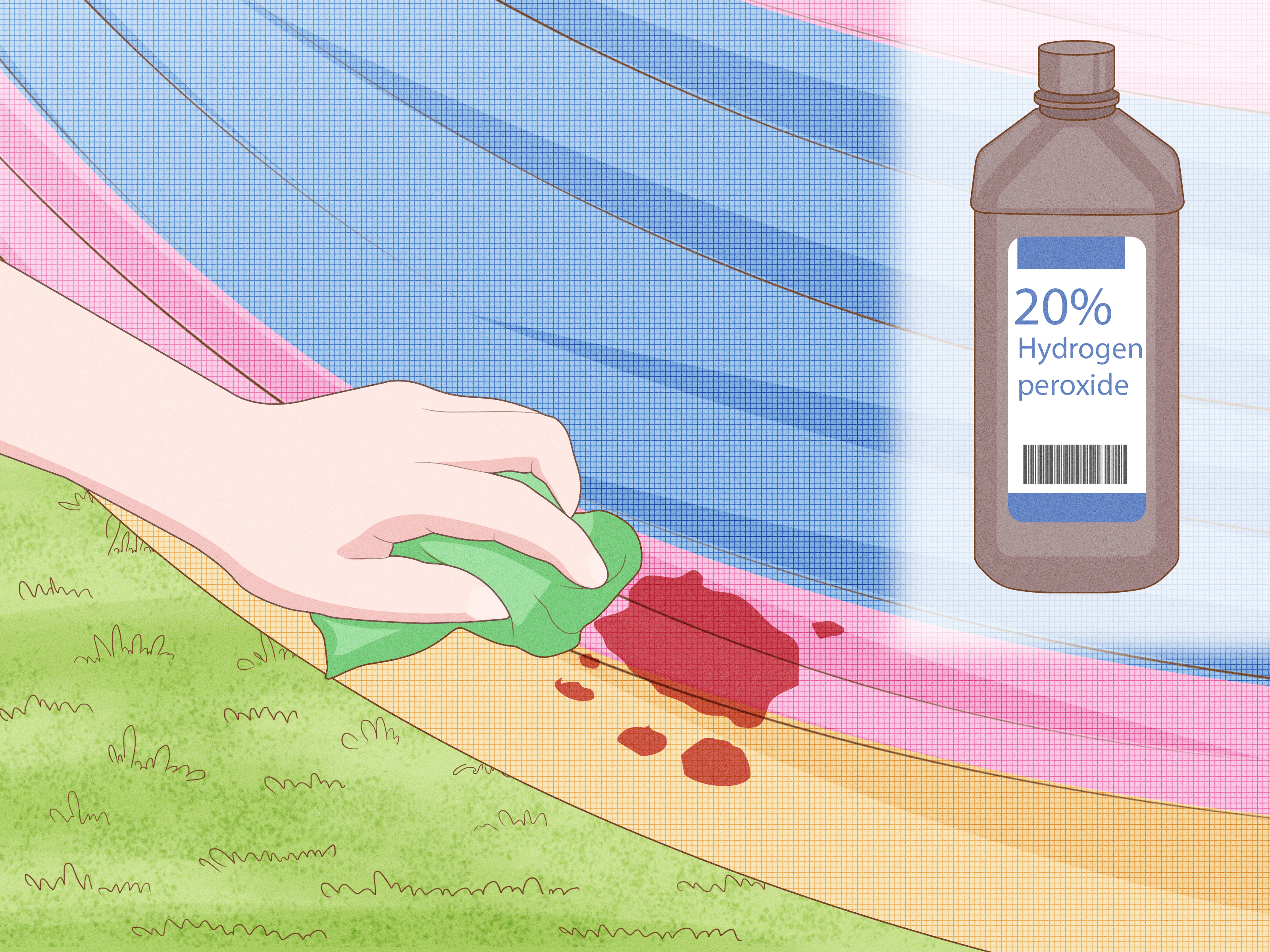
Use cold water only. Hot water can set protein stains such as blood. Rinse from the back of the fabric, apply enzyme stain remover or liquid detergent, soak briefly in cold water, then wash. Check carefully before drying.
Can You Bleach Nylon?
In most cases, avoid chlorine bleach on nylon. Chlorine bleach can weaken synthetic fibers, cause yellowing, or damage finishes. If whitening or brightening is needed, use oxygen bleach only if the care label allows it. Dissolve oxygen bleach fully in water before adding the garment, and test on a hidden area first.
For white nylon that looks dull, the problem may be detergent residue, hard water minerals, deodorant buildup, or washing with darker fabrics. Try a proper rinse, a gentle soak, or a detergent designed for synthetics before reaching for harsh chemicals.
How to Clean Nylon Bags and Backpacks
Nylon bags need a slightly different approach than nylon clothing. Many backpacks and totes include foam padding, leather trim, waterproof coatings, glued seams, metal hardware, or structured panels. Machine washing can damage these features.
Basic Nylon Bag Cleaning Method
- Empty every pocket. Check twice. Snacks hide.
- Shake out crumbs, dirt, and mystery debris.
- Vacuum the inside if needed.
- Mix cool water with a small amount of mild detergent.
- Dip a soft cloth or sponge into the solution.
- Wipe the exterior and interior lining.
- Use a soft toothbrush for seams and corners.
- Wipe again with clean water to remove soap.
- Air dry completely before storing or using.
Do not put a structured nylon backpack in the dryer. Heat can warp padding, damage coatings, and make the bag smell like regret. Let it air dry with pockets open in a well-ventilated area.
How to Clean Nylon Jackets and Rainwear
Nylon jackets often include special finishes such as durable water repellent coatings or waterproof-breathable membranes. These finishes can lose performance when coated with dirt, body oils, smoke, sunscreen, or detergent residue.
For regular nylon jackets, wash with mild liquid detergent on a gentle cycle using cold or warm water. Rinse well and air dry. For technical rainwear, follow the manufacturer’s instructions. Many outdoor brands recommend using a technical wash instead of standard detergent, avoiding fabric softener, and rinsing thoroughly. Some water-repellent finishes can be revived with low heat, but only when the care label allows it.
How to Wash Nylon Blends
Nylon is often blended with spandex, cotton, rayon, polyester, or elastane. The safest rule is to care for the most delicate fiber in the blend. If your leggings are nylon-spandex, treat them gently: cold water, mild detergent, no fabric softener, no high heat. If your jacket has nylon with a waterproof coating, care for the coating as much as the fabric.
Blends can also change how stains behave. Spandex can be sensitive to heat and chlorine bleach. Cotton blends may hold water longer. Performance blends may trap odor more than plain woven nylon. When in doubt, go cool, gentle, and patient.
Common Nylon Cleaning Mistakes to Avoid
Using Too Much Heat
High heat is the fastest way to damage nylon. Avoid hot water, high dryer settings, and hot irons. If ironing is allowed, use the lowest synthetic setting and place a pressing cloth between the iron and fabric.
Skipping the Stain Check Before Drying
Never dry stained nylon until the stain is gone. Dryer heat can set stains, making them much harder to remove. Check the garment in good light after washing. If the stain remains, pretreat and wash again.
Using Fabric Softener on Performance Nylon
Fabric softener may make towels feel fluffy, but it can reduce moisture-wicking, breathability, and water repellency in nylon activewear and outerwear. For athletic and technical fabrics, skip it.
Scrubbing Too Hard
Nylon is durable, but aggressive scrubbing can roughen the surface or damage coatings. Use gentle pressure and repeat treatments if needed. Stain removal is more like persuasion than wrestling.
How Often Should You Wash Nylon?
Wash nylon activewear after each sweaty use. Wash nylon underwear, hosiery, and socks after every wear. Nylon jackets, windbreakers, and bags do not need washing after every use unless they are visibly dirty or smelly. Overwashing can shorten the life of coatings, elastic, and trims, so clean lightly used nylon only when needed.
For nylon rainwear and outdoor gear, clean it when dirt, sweat, or oils start affecting performance. If water no longer beads on the surface, the item may need washing and possibly a water-repellent treatment.
Real-Life Experience: What Actually Works When Cleaning Nylon
After cleaning plenty of nylon itemsfrom gym shorts that smelled like they had survived a heroic battle to backpacks carrying the emotional history of several road tripsthe most reliable lesson is this: simple cleaning works best. Nylon rarely needs drama. It needs cool water, mild detergent, patience, and a firm boundary with high heat.
One of the most common nylon cleaning situations is the oily jacket cuff. Jacket cuffs collect hand lotion, sunscreen, cooking oil, steering wheel grime, and whatever mysterious substance lives near public door handles. The best approach is to pretreat the cuff with a drop of liquid detergent, gently rub the fabric against itself, wait about 10 minutes, and wash on a gentle cycle. If the mark remains, repeat before drying. The mistake people make is tossing the jacket into a hot dryer “just to finish it.” That heat can lock in the stain and leave the fabric looking shiny.
Another frequent nylon problem is odor in activewear. A nylon workout shirt may look clean but still smell questionable once body heat wakes it up. That usually means body oil or detergent residue is still trapped in the fabric. A cool pre-soak with a small amount of detergent can help loosen buildup before washing. Using less detergentnot moreoften improves results because excess soap can cling to synthetic fibers. Laundry is strange that way: sometimes the solution is to stop trying so hard.
Nylon backpacks also teach a valuable lesson: do not soak everything just because it is dirty. A nylon backpack may have foam, cardboard-like stiffeners, coatings, or glued seams inside. Spot cleaning with a damp cloth is usually safer than full submersion. For stubborn grime near zippers, a soft toothbrush works beautifully. The key is to rinse away soap with a clean damp cloth and let the bag dry fully with every compartment open. If you close a damp backpack too early, it may develop odors that make you question your life choices.
For nylon hosiery, the best experience-based advice is to use a mesh bag or hand wash. Thin nylon snags easily on zippers, hooks, rough fabrics, and even the tiny metal edges inside some washers. Hand washing in cool water takes only a few minutes and can extend the life of delicate pieces. Press water out with a towel instead of twisting. Twisting hosiery is basically an invitation for stretching, runs, and disappointment.
With nylon rain jackets, cleaning can actually improve performance. Dirt and body oils can stop water from beading properly. Many people assume the jacket has “lost waterproofing,” when it may simply be dirty. Washing according to the care label, rinsing thoroughly, and drying correctly can restore some water repellency. If water still soaks into the face fabric, a DWR refresh product may be needed. The big lesson: clean gear works better than neglected gear, even if neglected gear looks rugged and adventurous in the closet.
Finally, stain removal success depends on timing. Fresh stains usually respond well to cool water and pretreatment. Old stains require patience and sometimes multiple rounds. The dryer should be treated as the final checkpoint, not part of the cleaning process. Once a stain goes through heat, it becomes much more stubborn. So before drying nylon, hold it up to the light, inspect it like a detective, and only proceed when the stain is truly gone.
Final Thoughts: Nylon Is Easy When You Keep It Cool
Cleaning nylon does not have to be complicated. Whether you are washing nylon clothes, freshening up a backpack, removing stains from activewear, or caring for a rain jacket, the same principles apply: read the care label, use cool or warm water, choose mild detergent, pretreat stains, rinse well, and avoid high heat.
Nylon is strong, practical, and surprisingly forgiving, but it rewards gentle care. Treat it well and it will stay bright, smooth, flexible, and ready for whatever your day throws at itsweat, rain, coffee splashes, trail dust, or that one suspicious lunch stain nobody wants to identify.
Note: Always follow the specific care label on your garment or gear. Nylon items with waterproof coatings, leather trim, padding, adhesives, or delicate blends may need special treatment beyond general fabric-care advice.