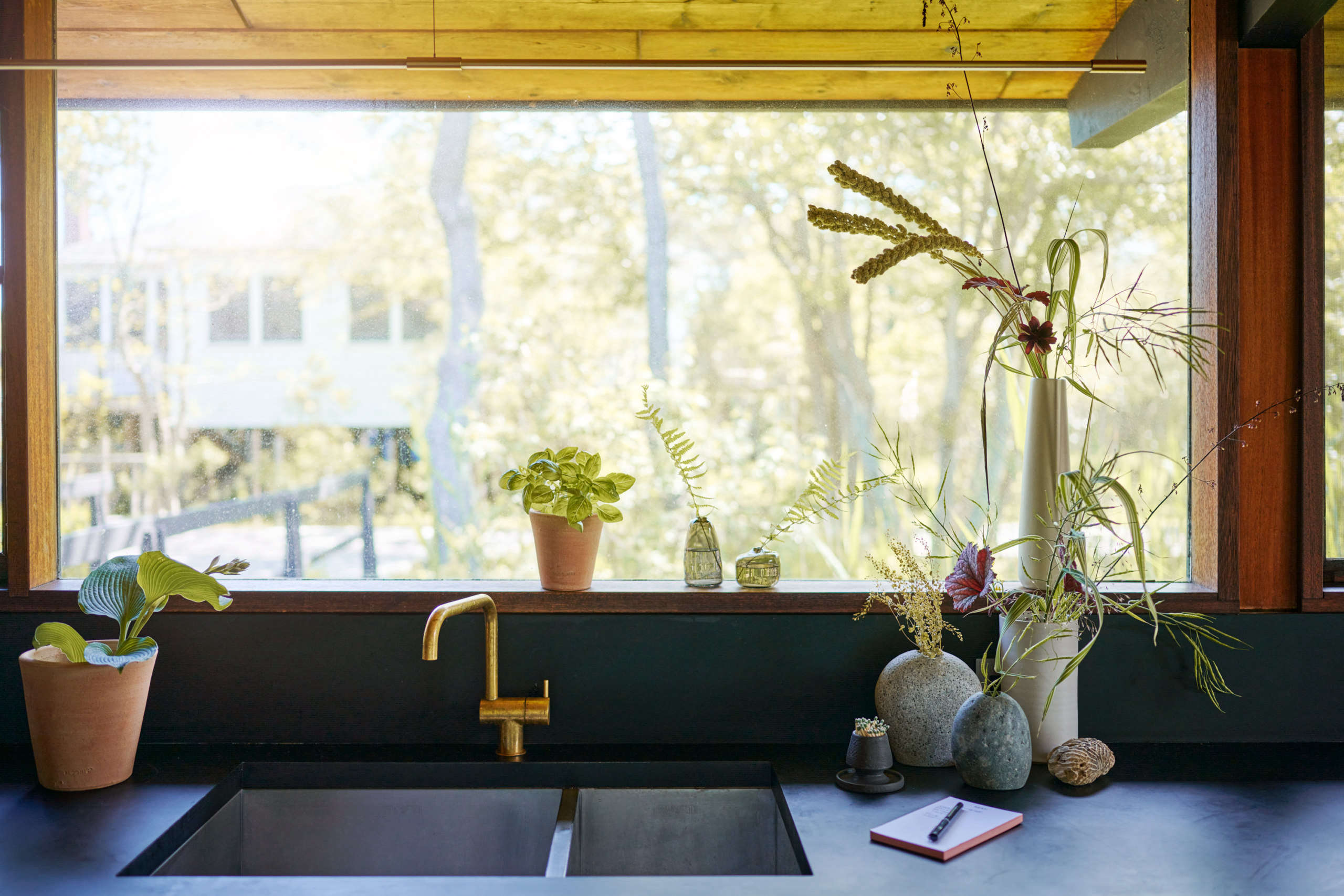
Creating a peaceful home does not require installing a living wall, adopting seventeen ferns, or turning the bathtub into a koi pond. A nature-inspired indoor refuge can begin with much smaller decisions: a sculptural branch in a handmade vess the sun, or a quiet corner reserved for morning coffee.
This understated approach is central to the visual world associated with Bloomist, the nature-focused home and garden brand known for pairing living greenery with weathered pottery, organic textiles, preserved botanicals, and artisan-made objects. The goal is not to make a room look like a greenhouse gift shop. It is to create a calm, layered environment that feels connected to the outdoors without sacrificing comfort, practicality, or floor space.
Nature-inspired interior design is often described as biophilic design, but the idea is broader than adding potted plants. It includes natural light, tactile materials, organic forms, outdoor views, botanical patterns, changing shadows, fresh air, and rituals that help us notice the passing seasons. Done well, these elements make a home feel grounded rather than themed. Done poorly, they create a jungle of thirsty plants waiting to file a formal complaint.
Why Nature-Inspired Interiors Feel So Restorative
People tend to respond positively to natural environments because they provide variety without visual chaos. A tree contains countless shapes, shades, and textures, yet it still looks coherent. Nature-inspired rooms borrow that balance. They combine irregular surfaces, subdued colors, gentle contrasts, and objects that appear to have a history.
Research on outdoor nature exposure has associated time in green spaces with improved mood and lower stress. An indoor room cannot fully reproduce a forest, beach, or garden, but it can provide reminders of those environments. Sunlight moving across a wall, leaves shifting beside an open window, and the grain of an unfinished wood table all offer subtle sensory changes that prevent a space from feeling sterile.
The most successful refuge is also personal. One person may feel restored by lush foliage and deep green walls. Another may prefer pale wood, a bowl of stones, and one wonderfully crooked branch. Nature has many moods, from misty meadow to windswept coast, so there is no requirement to decorate as though you live inside a botanical conservatory.
The Bloomist Approach: Curate Nature Instead of Crowding It
Bloomist-inspired styling favors restraint. A few expressive objects are given enough room to be noticed. Handmade ceramics may show fingerprints or variations in glaze. Wooden pieces are allowed to reveal knots and grain. Botanicals may be fresh, dried, preserved, or sculptural rather than conventionally floral.
This approach works particularly well in smaller homes because it does not depend on buying large furniture or completing a full renovation. The emphasis is on atmosphere. A plain shelf can become a focal point with a rough clay vessel, two stacked books, and a trailing plant. A forgotten windowsill can become a miniature garden. A bedroom chair can hold a wool throw instead of the traditional mountain of clothes that everyone insists is “still clean enough.”
The guiding question is simple: does this object bring texture, life, usefulness, or meaning to the room? When the answer is no, it may be visual noise wearing an expensive hat.
Small Ways to Build a Green and Serene Indoor Refuge
1. Begin With One Living Focal Point
Instead of scattering small plants across every available surface, start with one healthy specimen that suits the room. A tall rubber plant can soften an empty corner. A pothos can trail from a shelf. A snake plant can add strong vertical lines without demanding constant attention.
Choose according to actual conditions, not wishful thinking. A dark hallway will not become tropical sunlight because a plant tag described the species as “adaptable.” Observe the room at different times of day, identify where indirect light falls, and select greenery accordingly.
Scale matters, too. A single larger plant often creates more impact and less clutter than twelve tiny pots. It also reduces the number of watering decisions required each week, which is excellent news for anyone whose current horticultural strategy is apologizing to crispy leaves.
2. Add Honest Natural Materials
Natural materials make a room feel connected to the landscape even when living plants are limited. Look for wood, stone, clay, cork, linen, wool, jute, rattan, and woven grasses. These materials contain subtle variations that manufactured surfaces often try very hard to erase.
You do not need to replace every piece of furniture. Introduce texture through smaller elements:
- A linen table runner or pair of pillow covers
- A hand-thrown ceramic bowl
- A wooden tray with visible grain
- A woven basket for blankets or magazines
- A stone or terracotta planter
- A wool rug beside the bed
Mix smooth and rough surfaces so the room does not become flat. A polished table looks richer beside a craggy vessel. Crisp cotton bedding feels warmer with a nubby woven blanket. Contrast is what gives neutral interiors their personality.
3. Use Branches as Living Sculpture
Branches are one of the easiest ways to introduce height, movement, and seasonal character. Bare winter branches feel graphic and architectural. Flowering spring cuttings add color. Leafy summer stems bring freshness, while dried seed heads and grasses suit fall.
Place one or two branches in a vessel with enough weight to keep them stable. Resist the urge to arrange every twig symmetrically. Natural forms look most convincing when they are allowed to lean, twist, and behave like themselves.
Foraging should be responsible and legal. Use trimmings from your own garden, purchase stems from a florist, or collect fallen material where local rules permit. Never remove plants from protected land or private property. “Biophilic design” is not a defense that park rangers generally find charming.
4. Make Better Use of Daylight
Natural light changes the appearance of every other element in a room. It reveals texture, strengthens color, supports plant growth, and creates shifting patterns throughout the day.
Begin by removing obstacles. Keep tall furniture from blocking windows. Wash the glass, which is less glamorous than buying decor but surprisingly effective. Use sheer curtains where privacy allows, and position mirrors so they reflect light without creating harsh glare.
Arrange a chair, desk, or breakfast table near a window with an outdoor view. Even a modest view of clouds, rooftops, or a single tree can provide a visual pause. At night, replace bright overhead lighting with several softer sources positioned at different heights. Table lamps, shaded sconces, and rechargeable accent lights can create a gentler transition from daytime activity to evening rest.
5. Borrow Colors From a Specific Landscape
“Nature-inspired” does not automatically mean painting everything sage green. Choose a landscape you genuinely enjoy and build a limited palette from it.
A woodland scheme might combine moss, bark brown, mushroom gray, and muted gold. A coastal room could use chalky white, sand, weathered wood, sea-glass green, and deep blue. A desert-inspired interior might feature clay, sun-bleached beige, dusty rose, and charcoal.
Use quieter colors across larger surfaces and stronger shades in smaller doses. This keeps the room restful while preventing it from looking like an oatmeal convention. Plants, books, art, pottery, and textiles can supply the richer notes.
6. Introduce Organic Shapes
Rooms are naturally full of rectangles: walls, windows, cabinets, rugs, screens, and furniture. Organic shapes soften that geometry. Try a round side table, an irregular mirror, a curved lamp, a pebble-shaped tray, or pottery with an asymmetric profile.
Botanical silhouettes can accomplish the same task. Arching stems, feathery foliage, and trailing vines break up rigid lines without requiring major changes. Keep the arrangement intentional by repeating curves in two or three locations rather than filling the room with objects that all appear to be melting.
7. Display Dried and Preserved Botanicals
Fresh flowers are lovely, but they are not the only botanical option. Dried grasses, preserved moss, sculptural seed pods, and long-lasting branches provide texture with minimal maintenance.
Use these materials sparingly so they look collected rather than forgotten. A handful of dried stems in a tall vessel may be enough for a mantel or entry table. Dust them gently and replace pieces that become brittle, faded, or difficult to clean.
Dried arrangements are especially practical in rooms with insufficient light for plants. They create a natural reference without asking a living organism to survive in what is essentially a stylish cave.
8. Create a Daily Nature Ritual
A refuge is shaped by behavior as much as decoration. Build a small ritual that helps you interact with the space. Open the curtains each morning. Check plant soil before reaching for the watering can. Arrange herbs in a kitchen jar. Sit near the window for five quiet minutes. Rotate seasonal branches or collect fallen leaves for a simple display.
These actions turn nature-inspired decor into an experience. They also encourage slower observation. You begin to notice new growth, changing light, dry soil, and the first signs that a plant may need attention.
9. Let Natural Fragrance Remain Subtle
Scent can influence atmosphere, but more fragrance does not automatically create more serenity. Strong air fresheners, heavily scented candles, incense, and diffusers may irritate sensitive household members and can affect indoor air quality.
Try lower-impact options such as fresh ventilation, fragrant herbs, cedar blocks, naturally scented flowers, or citrus peel used briefly while cooking. When using candles, keep them occasional, ventilate the room, and never leave them unattended.
A peaceful home should smell clean and familiar, not as though a pine forest and a vanilla cupcake are fighting for custody of the living room.
10. Leave Some Space Empty
Negative space is one of the most important ingredients in serene design. It allows the eye to rest and gives meaningful objects more presence. Avoid decorating every shelf, corner, tabletop, and wall simply because the surface exists.
Edit in stages. Remove several objects from a crowded area, live with the change for a few days, and return only what contributes to the room. Empty space is not unfinished space. It is visual breathing room.
Room-by-Room Nature-Inspired Ideas
Living Room
Anchor the living room with one substantial plant, a natural-fiber rug, and a mix of linen and wool textiles. Place a low ceramic bowl on the coffee table and fill it with pinecones, smooth stones, or seasonal fruit. Keep the arrangement low enough that people can still speak to one another without peering through an ornamental shrub.
A landscape photograph, botanical drawing, or abstract work in earth tones can provide a view where architecture does not. Choose imagery that creates depth rather than filling the wall with tiny unrelated prints.
Bedroom
The bedroom benefits from restraint. Use breathable bedding, softened neutral colors, warm bedside lighting, and one or two natural accents. A small branch, simple plant, wooden stool, or woven basket may be sufficient.
Keep plants away from heating vents and cold drafts. Avoid crowding the sleeping area with damp soil, strong fragrance, or hard-to-clean arrangements. Calm is easier to achieve when the room also functions well.
Kitchen and Dining Area
Herbs provide greenery with a practical purpose when adequate light is available. Display produce in a wooden or ceramic bowl, use linen napkins, and bring out cutting boards with attractive grain instead of hiding every useful object behind cabinet doors.
A dining table can hold a low arrangement of clipped foliage rather than a formal bouquet. Keeping the centerpiece simple allows it to remain in place during meals, which is much better than relocating a floral skyscraper every evening.
Bathroom
Bathrooms may support humidity-loving plants when they also receive adequate light and ventilation. Without a suitable window or grow light, choose dried botanicals, wood accents, stone accessories, and nature-inspired artwork instead.
Control moisture carefully. A plant should never be used to disguise a ventilation problem, leak, or mold issue. Nature-inspired design includes respecting natural processes, and mold is a natural process nobody invited to the spa.
Keep the Refuge Healthy, Not Just Photogenic
Houseplants add beauty and a sense of life, but they should not be marketed as replacements for ventilation, filtration, or pollution control. Laboratory studies have shown that plants can interact with certain airborne compounds under controlled conditions, yet an ordinary number of houseplants does not function like a household air-cleaning system.
Healthy plant care is more useful than miracle claims. Use containers with drainage holes, match species to available light, and water according to soil conditions rather than a rigid calendar. Constantly wet potting mix can contribute to root problems, fungus gnats, and microbial growth.
Inspect new plants before bringing them home and keep them separate briefly when practical. Check leaf undersides, stems, and soil for pests. Wipe dust from foliage, remove damaged leaves, and rotate containers periodically for balanced growth.
Pet owners should also research toxicity before choosing plants. Several familiar indoor species can be harmful when chewed by cats or dogs. Place questionable plants securely out of reach or select pet-friendlier alternatives.
Creating the Look on a Realistic Budget
A nature-inspired refuge should not require replacing everything you own with artisanal objects carved by a mysterious person in the mountains. Start by rearranging, editing, and repurposing.
Move a healthy plant into a more prominent location. Gather similar pottery into a small collection. Use a basket you already own for blankets. Frame a pressed leaf or botanical print. Sand and oil a secondhand wooden stool. Replace one synthetic pillow cover with linen instead of purchasing an entirely new sofa.
Thrift stores, estate sales, flea markets, and local craft fairs can be excellent sources for solid wood, woven baskets, pottery, and vintage glass. Look for good proportions and useful materials rather than perfect condition. Patina often adds the exact character that nature-inspired rooms need.
Buy slowly. A serene interior is difficult to create through panic shopping. Let the room develop as you discover objects that feel useful, tactile, and connected to your chosen landscape.
An Experience-Led Transformation: What the Changes Feel Like
Imagine beginning with a small apartment living room that is perfectly functional but emotionally flat. The furniture is pushed against the walls, the overhead light is painfully bright, and several decorative objects compete for attention on every surface. A struggling plant leans toward the window like it is attempting an escape.
The first improvement costs nothing. The curtains are opened fully, the glass is cleaned, and the chair is moved closer to the daylight. The plant is relocated to a position with bright, indirect light. Half the objects on the coffee table and shelves are temporarily boxed up. The room immediately feels larger, although not a single wall has moved. This is the strange power of removing seven things nobody particularly liked.
Next comes a tall branch collected from responsible garden pruning. It goes into a heavy ceramic vessel already stored in a kitchen cabinet. Its irregular shape adds more energy than a group of small accessories because it occupies vertical space and casts changing shadows during the afternoon.
A synthetic throw is exchanged for a secondhand wool blanket. Two pillow covers in muted green and warm beige connect the sofa to the plant and wooden furniture. The palette begins to feel coherent, but not overly coordinated. Nothing matches perfectly, which is precisely why it works.
During the first week, the biggest change is not visual. The chair near the window starts being used. Morning coffee is taken there instead of beside a glowing phone charger on the kitchen counter. The plant is checked with a finger in the soil rather than watered automatically every Sunday. Some weeks it needs moisture; other weeks it does not. Its leaves stop yellowing, an achievement that feels wildly disproportionate to the effort involved.
In the evening, the overhead fixture stays off. A floor lamp and small table lamp provide pools of warmer light. The rough surface of the ceramic vessel becomes more noticeable, as does the wood grain on the side table. The room now changes character throughout the day instead of maintaining the atmosphere of a waiting room at all hours.
After a month, the refuge is not finished because a good home rarely is. The branch has dried and been replaced with leafy cuttings. A woven basket has appeared beside the sofa. One framed landscape hangs where a collection of undersized prints once created visual static. The room contains fewer objects, yet each one contributes more.
The experience also reveals what does not work. A delicate fern placed too far from the window declines and is moved to a brighter location. A scented candle proves overwhelming in the small room and is reserved for occasional outdoor use. A decorative planter without drainage becomes a cover pot rather than a direct planting container.
These corrections are part of the process. Nature-inspired design is not a frozen photograph. Plants grow, branches change, fabrics wear, daylight shifts, and personal routines evolve. The room feels serene because it can adapt, not because it has reached decorative perfection.
Most importantly, the space begins to invite different behavior. It encourages sitting, reading, noticing, and caring. That is the difference between a room that merely contains natural objects and a room that functions as a genuine refuge.
Conclusion: Build Your Refuge One Natural Detail at a Time
The Bloomist-inspired path to a green and serene home is refreshingly achievable. Start with what the room already offers: daylight, a view, useful furniture, and space that can be cleared. Add one healthy plant, one tactile material, one organic form, and one small ritual that helps you slow down.
A nature-inspired indoor refuge does not depend on a large budget or a dramatic renovation. Its power comes from thoughtful layersliving greenery, honest materials, subdued colors, changing light, handmade objects, and enough empty space for them to breathe.
Let the room remain slightly imperfect. A crooked branch, irregular glaze, weathered basket, or leaf turned toward the window brings more natural character than flawless coordination ever could. The goal is not to recreate nature as decoration. It is to make daily life feel a little more connected to it.
Note: Plant requirements vary by species and household conditions. Confirm light, drainage, pet-safety, humidity, and care needs before introducing new plants or botanical materials into your home.