Note: This article is for general health education and is based on established public-health guidance from reputable U.S. medical and food-safety organizations.
Introduction: Your Hands Are Tiny Germ Taxis
Your hands are impressive. They type emails, open doors, chop onions, pet dogs, shake hands, scroll phones, and occasionally fish snacks out of a bag with the confidence of a raccoon in a pantry. But when you do all that without washing them, your hands can become a highly efficient transportation system for germs.
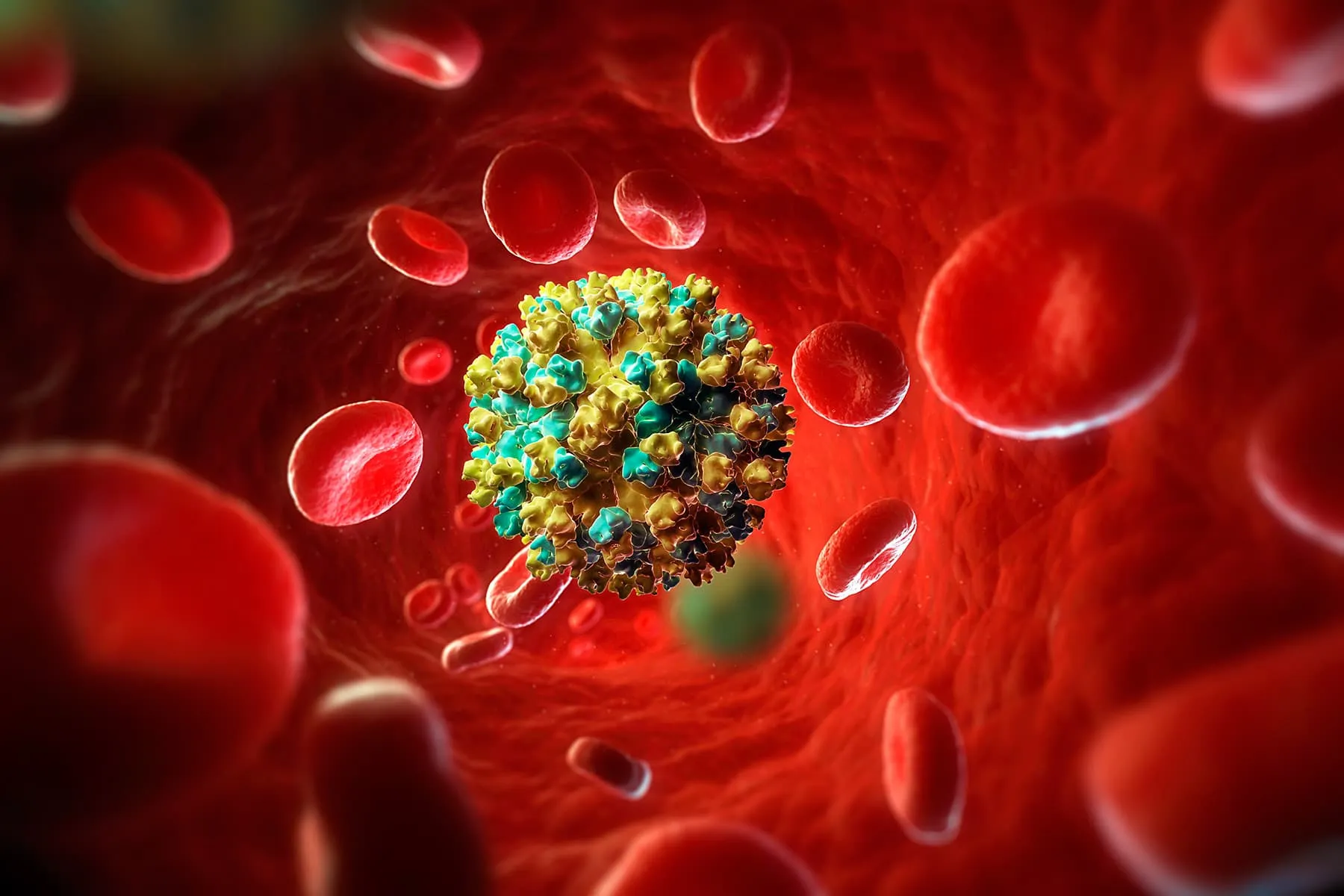
So, what happens when you don’t wash your hands? In simple terms, germs hitch a ride. Bacteria, viruses, and other microscopic troublemakers can move from surfaces to your fingers, from your fingers to your face, from your hands to food, and from you to other people. You may not see the problem right away. Germs do not usually arrive wearing tiny villain capes. But over time, poor hand hygiene can increase the risk of colds, flu-like illnesses, diarrhea, food poisoning, eye infections, skin infections, and outbreaks in homes, schools, workplaces, restaurants, and healthcare settings.
The good news is that proper handwashing is one of the easiest, cheapest, and most effective ways to reduce the spread of illness. Soap, water, friction, and 20 seconds of attention can do more than a drawer full of fancy wellness gadgets. No subscription required. No app update needed.
Why Handwashing Matters More Than People Think
Many people underestimate handwashing because the danger is invisible. A countertop may look clean. A shopping cart handle may look harmless. A phone screen may look innocent, even though it has spent the day traveling between your pocket, your desk, your car, and possibly the bathroom. Germs can survive on surfaces long enough to be picked up by your hands, especially in busy shared spaces.
Once germs land on your hands, they can enter your body when you touch your eyes, nose, or mouth. Most people touch their faces without noticing. It happens while thinking, reading, driving, cooking, or pretending to listen during a meeting. If your hands are contaminated, each face-touch becomes a tiny invitation.
Handwashing also protects other people. You might carry germs before you feel sick, after you feel better, or without ever developing strong symptoms. This is especially important around babies, older adults, pregnant people, people with weakened immune systems, and anyone recovering from illness. Clean hands are not just personal hygiene; they are community manners.
What Actually Gets on Your Hands?
Bacteria
Bacteria are everywhere. Some are harmless, and some are even helpful. But others can cause stomach illness, skin infections, or foodborne disease. Germs such as Salmonella and certain strains of E. coli can spread through contaminated food, animal contact, bathroom surfaces, and poor kitchen hygiene. If you skip washing your hands after using the bathroom or handling raw meat, you can move bacteria onto food, utensils, doorknobs, towels, and other people.
Viruses
Viruses that cause respiratory infections and stomach bugs can spread through hands, surfaces, droplets, and close contact. If someone coughs into their hand and then touches a shared keyboard, elevator button, or refrigerator handle, the next person may pick up those germs. When that person rubs an eye or grabs lunch, the germ highway continues.
Parasites and Other Microbes
Some parasites and hardy microbes can also spread through contaminated hands, especially when sanitation is poor or when people handle contaminated soil, diapers, bathroom surfaces, or certain foods. While this is less common in everyday U.S. settings than ordinary cold and stomach viruses, it is another reason handwashing matters after bathroom use, outdoor work, pet cleanup, and food preparation.
Chemicals and Dirt
Handwashing is not only about germs. Soap and water can help remove dirt, grease, pesticides, heavy metals, and other substances that hand sanitizer may not remove well. If your hands are visibly dirty, sticky, greasy, or covered in mystery residue, sanitizer is not the hero. Soap and running water should take the lead.
What Happens When You Don’t Wash Your Hands?
1. You Increase Your Risk of Getting Sick
Skipping handwashing raises your chances of transferring germs into your body. Respiratory infections, stomach bugs, and foodborne illnesses are among the biggest concerns. You might touch a contaminated surface, then eat chips, rub your eye, or bite a fingernail. Congratulations, you have just built a germ delivery system with free shipping.
Handwashing is especially important before eating, before cooking, after using the bathroom, after coughing or sneezing, after changing diapers, after touching garbage, after handling pets or pet waste, and after caring for someone who is sick. These are the moments when hands are most likely to carry germs that can make you or others ill.
2. You Can Spread Illness to Other People
One person with poor hand hygiene can spread germs across a household, classroom, office, restaurant, or gym. Shared surfaces make this easy. Think light switches, faucet handles, phones, remote controls, touchscreens, pens, stair rails, coffee machines, and the office microwave buttons that have seen things no button should see.
This is why hand hygiene is a major part of infection prevention in hospitals and clinics. In healthcare settings, clean hands help protect patients who may already be vulnerable. But the same principle applies at home. If one family member has a stomach bug and everyone forgets to wash their hands properly, the illness may move through the house like a bad group text.
3. Food Can Become Contaminated
Not washing your hands before cooking or eating can turn a normal meal into a microbial potluck. Raw poultry, meat, seafood, eggs, unwashed produce, and contaminated surfaces can all introduce harmful germs. If you touch raw chicken and then grab lettuce without washing your hands, bacteria can travel from the raw food to the ready-to-eat food.
Food safety depends on clean hands at several points: before cooking, after handling raw meat, after touching trash, after using the bathroom, after touching your face, and after switching tasks in the kitchen. Washing hands with soap and water for at least 20 seconds is a simple step that helps prevent foodborne illness. Your dinner guests may never applaud you for it, but their digestive systems will quietly appreciate the effort.
4. Stomach Bugs Spread More Easily
Diarrhea-causing germs often spread through the fecal-oral route, which sounds unpleasant because it is. Tiny amounts of fecal matter can end up on hands after bathroom use, diaper changes, or contact with contaminated surfaces. If hands are not washed well, those germs can move to food, drinks, faces, and shared objects.
Norovirus is a classic example. It spreads easily, causes vomiting and diarrhea, and can move quickly through schools, cruise ships, restaurants, nursing homes, and families. Soap and water are especially important because hand sanitizer does not work equally well against every germ. For certain stomach-bug germs, proper handwashing is the better defense.
5. Colds and Respiratory Infections Can Travel Faster
Respiratory germs do not only spread through the air. They can also spread when droplets land on hands or surfaces. If you cough into your hand, touch a door handle, and someone else touches that handle before touching their nose, germs may keep moving.
Washing your hands after coughing, sneezing, blowing your nose, or touching used tissues helps interrupt this chain. It is not a magic shield against every cold, flu, or respiratory virus, but it lowers the odds. Think of handwashing as closing one of the doors germs use to enter the party.
6. Eye and Skin Problems Can Become More Likely
Unwashed hands can transfer germs to the eyes, increasing the risk of irritation or infections such as conjunctivitis, often called pink eye. Touching your eyes with dirty hands is never a great plan, even if your eyelash feels like it is auditioning for a disaster movie.
Skin can also be affected. Small cuts, hangnails, cracked skin, or irritated areas may become infected if exposed to harmful bacteria. Clean hands help reduce that risk. This matters even more for people who work with food, care for children, care for patients, handle animals, garden, or have frequent skin irritation.
7. You May Use More Medicine Than Necessary
When poor hand hygiene leads to more infections, people may seek more medical care and may receive more medications. Some illnesses are viral and do not need antibiotics, but antibiotics are still sometimes used unnecessarily. Reducing preventable infections helps reduce unnecessary antibiotic use, which matters because antibiotic resistance is a serious public-health problem.
In other words, washing your hands does not only help you avoid a miserable weekend on the couch. It also supports smarter medicine use across the community.
Why Soap and Water Work So Well
Soap does not need to be fancy to be effective. Regular soap and water work because they loosen dirt, oils, and microbes from the skin. The rubbing action creates friction, which helps lift germs from the surface of your hands. Running water then rinses them away.
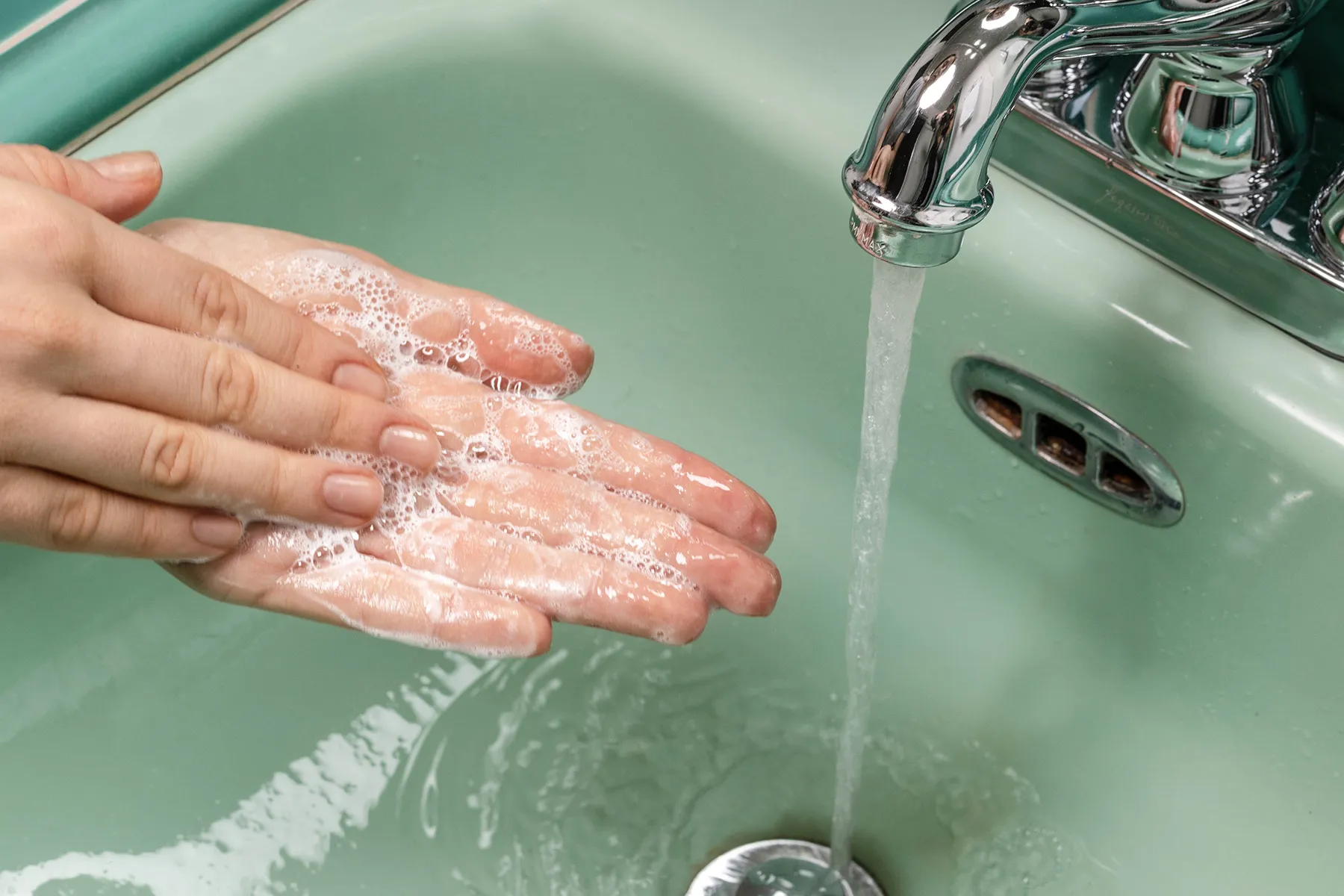
The most important part is technique. A two-second fingertip splash does not count, even if performed with confidence. Proper handwashing means wetting your hands, applying soap, lathering all surfaces, scrubbing for at least 20 seconds, rinsing thoroughly, and drying with a clean towel or air dryer.
Do not forget the usual missed zones: backs of hands, between fingers, thumbs, fingertips, under nails, and wrists. Germs are not polite enough to stay on your palms.
Hand Sanitizer: Helpful Backup, Not a Full Replacement
Alcohol-based hand sanitizer can be useful when soap and water are not available. Choose one with at least 60% alcohol, apply enough to cover all hand surfaces, and rub until your hands feel dry. Used correctly, sanitizer can reduce many germs quickly.
However, sanitizer has limits. It may not work well when hands are visibly dirty or greasy. It may not remove harmful chemicals. It may also be less effective against certain germs, including norovirus, Cryptosporidium, and C. difficile. That is why soap and water remain the preferred option after using the bathroom, before eating, before preparing food, after handling raw foods, after cleaning up vomit or diarrhea, and whenever hands look dirty.
Sanitizer is the emergency umbrella. Soap and water are the roof.
When Should You Wash Your Hands?
Handwashing works best when it becomes automatic. You do not need to wash every three minutes like a nervous surgeon in a soap opera, but you should wash at key times when germs are likely to spread.
Wash Before:
- Preparing food
- Eating
- Touching your face, eyes, or contact lenses
- Caring for someone who is sick
- Treating a cut, scrape, or wound
Wash After:
- Using the bathroom
- Changing diapers or helping a child use the toilet
- Blowing your nose, coughing, or sneezing
- Touching raw meat, poultry, seafood, or eggs
- Handling garbage
- Touching animals, pet food, or pet waste
- Cleaning up vomit, diarrhea, or bodily fluids
- Visiting public places or touching shared surfaces
How to Wash Your Hands the Right Way
- Wet your hands with clean, running water. Warm or cold is fine.
- Apply soap and build a good lather.
- Scrub for at least 20 seconds. Clean palms, backs of hands, fingers, thumbs, nails, and wrists.
- Rinse well under running water.
- Dry completely with a clean towel or air dryer.
Drying matters because germs can transfer more easily from wet hands than dry hands. If you use a towel at home, replace it regularly. A damp, overworked towel near the sink can become less of a hygiene tool and more of a tiny swamp with fabric ambitions.
Common Handwashing Mistakes
Rushing the Process
Many people wash for only a few seconds. That is better than nothing, but it is not enough for proper cleaning. Aim for 20 seconds of scrubbing. You can hum a short song, count slowly, or simply accept that your hands deserve a brief spa moment.
Skipping Soap
Water alone may remove some visible dirt, but soap improves the process by loosening oils and germs. If you are serious about clean hands, soap is not optional.
Ignoring Fingertips and Thumbs
Fingertips touch phones, food, faces, keyboards, and handles all day. Thumbs are also easy to miss. Scrub them intentionally.
Using a Dirty Towel
Drying clean hands on a dirty towel is like washing your car and then drying it with a muddy sock. Use a clean towel, paper towel, or air dryer.
Depending Only on Sanitizer
Hand sanitizer is convenient, but it is not perfect. When hands are dirty, greasy, or exposed to bathroom germs, soap and water are the better choice.
Who Is Most at Risk When Hand Hygiene Is Poor?
Poor handwashing can affect anyone, but some people face higher risks from infections. Babies and young children are vulnerable because their immune systems are still developing and because they explore the world with their hands, mouths, and an alarming lack of concern for cleanliness. Older adults may have weaker immune responses. People with chronic illnesses or weakened immune systems may become seriously ill from infections that others recover from quickly.
Food workers, healthcare workers, teachers, caregivers, and parents also have extra responsibility because their hands can affect many people. A single missed handwash in a kitchen, daycare, clinic, or nursing home can matter more than people realize.
Real-Life Examples: How Germs Move When Hands Stay Dirty
The Office Snack Bowl
Someone uses the bathroom, skips proper handwashing, and reaches into the communal candy bowl. Later, five coworkers grab candy. Nobody sees the germ transfer, but the bowl has become a tiny social experiment no one consented to join.
The Kitchen Cross-Contamination Chain
A home cook handles raw chicken, rinses fingertips for two seconds, then slices cucumbers for a salad. The salad is not cooked, so any transferred bacteria may survive. Proper handwashing between raw meat and ready-to-eat foods helps break this chain.
The Childcare Domino Effect
A child with a stomach bug touches toys, tables, and door handles. If caregivers and children do not wash hands after bathroom trips and diaper changes, germs can spread quickly. This is one reason handwashing routines are so important in schools and daycares.
The Phone Problem
Your phone goes everywhere. You touch it after grocery carts, gas pumps, gym equipment, and public doors. Then you touch your phone while eating. Cleaning your hands and wiping your phone regularly can reduce this everyday germ loop.
of Practical Experience: What You Notice When People Do Not Wash Their Hands
Anyone who has worked in a busy office, restaurant, school, clinic, gym, or family kitchen has probably seen the same pattern: people are not always careless because they do not care. Often, they are rushed. They are juggling tasks, answering messages, helping children, carrying groceries, or trying to finish lunch before the next meeting. Handwashing gets treated like a tiny chore that can be skipped “just this once.” The problem is that germs love “just this once.”
In a shared kitchen, the difference between good and bad hand hygiene becomes obvious fast. One person cracks eggs, wipes their hands on a towel, checks their phone, opens the refrigerator, and grabs vegetables. Another person pauses, washes properly, dries with a clean towel, and then moves to the next task. The second person may take an extra 20 seconds, but those seconds create a cleaner boundary between raw food and ready-to-eat food. That boundary can be the difference between a normal dinner and a night spent becoming deeply spiritual beside the bathroom floor.
Parents notice the same thing with children. A child can touch playground equipment, pick up rocks, pet a dog, sneeze into a palm, and then ask for crackers as if nothing has happened. Teaching children to wash before eating and after the bathroom is not about being fussy. It is about building a habit before germs become a family group project. The trick is consistency. Children do better when adults make handwashing routine, visible, and even a little fun. A silly 20-second song may be annoying, but it is less annoying than a household stomach bug.
In offices, poor hand hygiene often shows up during cold season. Someone comes in coughing, touches the coffee machine, uses shared keyboards, opens conference-room doors, and passes documents around. By the end of the week, three more people are sniffling. Handwashing cannot solve every workplace illness, but it helps reduce the chances that shared surfaces become germ relay stations. Adding sanitizer near entrances and sinks helps, but nothing replaces people actually using soap and water at the right times.
Restaurants and food businesses understand this better than almost anyone. Customers may never see the handwashing sink, but it is one of the most important tools in the building. Clean hands protect salads, sandwiches, fruit, drinks, utensils, and every meal that is touched after cooking. A spotless dining room means very little if hands are not clean behind the scenes.
The biggest lesson from everyday experience is simple: handwashing works best when it is boring. It should not require drama, fear, or a public-health emergency. It should be as automatic as locking the door or brushing your teeth. You wash after the bathroom. You wash before food. You wash after coughing, cleaning, pets, trash, diapers, raw meat, and public surfaces. Do it often enough and it stops feeling like an interruption. It becomes part of moving through the world like a considerate human being with clean fingers and fewer regrets.
Conclusion: Clean Hands Are a Small Habit With Big Results
Not washing your hands may seem harmless in the moment, but it can increase the spread of germs that cause respiratory infections, diarrhea, food poisoning, skin infections, eye irritation, and outbreaks in shared spaces. Your hands connect you to nearly everything around you, which means they can either spread germs or stop them.
The solution is refreshingly simple: wash with soap and running water for at least 20 seconds, especially at key moments. Use hand sanitizer when soap and water are not available, but do not rely on it when hands are dirty, greasy, or exposed to bathroom and stomach-bug germs. Good hand hygiene is not about being paranoid. It is about being practical.
Clean hands protect your health, your family, your coworkers, your customers, and strangers you may never meet. That is a lot of power for something that costs less than a cup of coffee and takes less time than reading a dramatic text message.