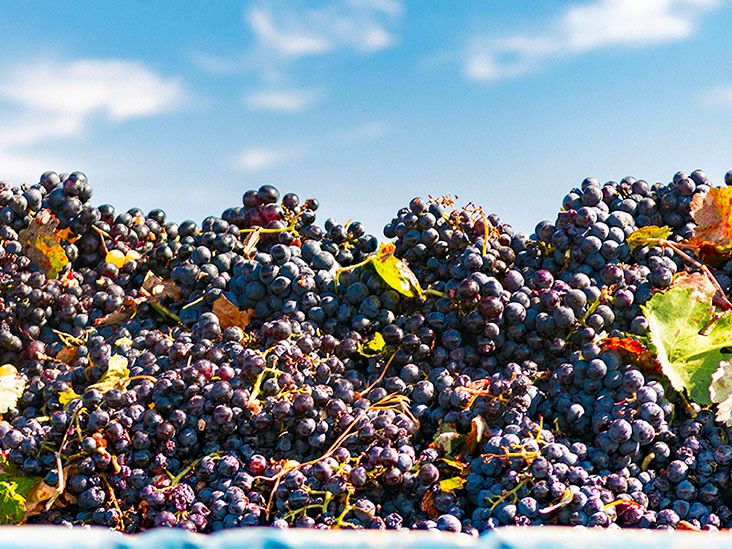
Grapes have a sneaky-good reputation. They look like candy, pop like candy, and disappear from the bowl like candy, but nutritionally, they are still fruit. That makes them one of the more interesting foods in the weight-loss conversation. People often ask whether grapes are “too sugary,” whether frozen grapes are a smart snack, or whether red grapes somehow hold mystical fat-burning powers. Spoiler alert: grapes are not magic. They will not cancel out late-night pizza, erase weekend takeout, or reward you for buying new workout shoes. But they can be a useful part of a balanced, calorie-conscious eating plan.
If you are trying to lose weight, the real question is not whether grapes are a miracle food. It is whether they help you stay satisfied, control portions, satisfy a sweet craving, and stick with healthier habits long enough to see results. That is where grapes become interesting. They are naturally sweet, easy to portion, hydrating, and flexible enough to fit into snacks, breakfasts, salads, and desserts without a lot of fuss. In other words, they are practical. And in the world of healthy weight loss, practical often beats perfect.
Are Grapes Good for Weight Loss?
Yes, grapes can support weight loss, but not because they flip some secret metabolic switch. They help in much more ordinary, useful ways. Grapes are a whole fruit, and whole fruits generally work well in weight-management plans because they bring water, nutrients, and some fiber to the table while also satisfying a craving for something sweet. That matters more than flashy claims ever will.
A cup of grapes is relatively modest in calories compared with many packaged snack foods and desserts. It also delivers natural sweetness without added sugar. That means a bowl of grapes can often replace higher-calorie options such as cookies, candy, pastries, or snack bars that are easier to overeat and less filling for the calorie cost.
Still, grapes are not a free-for-all food. They contain natural sugars and calories like all fruit. If you mindlessly eat half a bag while scrolling on your phone, your “healthy snack” can quietly become a large calorie add-on. So the smart answer is this: grapes are weight-loss friendly when they are eaten in reasonable portions and as part of an overall eating pattern that keeps you in a calorie deficit.
What Makes Grapes Helpful in a Weight-Loss Plan?
1. They are naturally sweet
One of the toughest parts of losing weight is dealing with the daily “I need dessert immediately” moment. Grapes can help because they taste sweet enough to feel like a treat, especially when chilled or frozen. For many people, that makes them easier to stick with than plain carrots or celery. There is no prize for choosing the blandest snack on earth. The best healthy snack is the one you will actually eat instead of raiding the cookie jar.
2. They have a high water content
Foods that contain a lot of water tend to feel more filling for fewer calories. Grapes fit that category. Their juicy texture adds volume to a snack or meal, which can help you feel like you ate something substantial instead of nibbling on a tiny portion of a calorie-dense food that leaves you emotionally and nutritionally betrayed.
3. They offer some fiber
Grapes are not the highest-fiber fruit on the planet, so let us not give them a superhero cape they did not ask for. But they do contain fiber, and fiber can help with fullness, digestion, and steadier eating patterns. When grapes are part of a diet that already includes vegetables, beans, oats, nuts, seeds, and other fruits, that fiber contribution becomes more meaningful.
4. They are easy to portion
Portioning grapes is simple. A measured cup works well, and about 32 seedless grapes counts as roughly 1 cup of fruit. That is convenient if you are trying to eat more intentionally. Compare that with peanut butter, chips, or trail mix, where portion sizes can go from “reasonable” to “how did this happen?” in about 14 seconds.
5. They can replace more calorie-dense snacks
This is where grapes really shine. Weight loss usually works better when you swap foods than when you simply try to white-knuckle hunger. If grapes replace candy, sugary baked treats, or high-calorie snack foods, they can absolutely help reduce overall calorie intake. If grapes are merely added on top of those foods, the benefit disappears faster than a fresh bunch at a family picnic.
Nutrition Highlights of Grapes
Grapes are more than little sugar balloons. They provide vitamins, minerals, and plant compounds that support general health. Depending on the type and serving size, grapes are naturally low in fat and sodium and provide vitamin C, vitamin K, and various antioxidants. Red and purple grapes are especially known for polyphenols, including resveratrol, which has been studied for potential health effects.
That said, this is where nutrition headlines often get a little dramatic. Polyphenols are interesting, and grapes are a nutritious food, but eating grapes is not the same thing as taking a pharmaceutical treatment or a high-dose supplement. Whole grapes belong in the “healthy foods” category, not the “miracle cure” category. It is better to think of them as one helpful player on your plate, not the entire coaching staff.
Do Grapes Burn Fat?
No. Grapes do not directly burn fat. Neither do grapefruit, lemon water, celery juice, or any other food that gets dragged into internet weight-loss folklore every few months. Fat loss happens when your body consistently uses more energy than it takes in. That is the core principle.
Where grapes can help is by making that process easier to stick with. If grapes help you control cravings, choose a lighter dessert, build a healthier snack routine, or avoid overeating later in the day, then they indirectly support fat loss. But the credit belongs to your overall calorie balance and eating pattern, not to a magical grape metabolism spell.
Are Grapes Too High in Sugar for Weight Loss?
This concern comes up all the time, and it is understandable because grapes taste very sweet. But sweetness alone does not make a food bad for weight loss. Grapes contain naturally occurring sugars, not added sugars. That distinction matters. Whole fruit also brings water, fiber, and nutrients that candy and soda do not.
Even so, portion size still counts. Grapes are easy to eat quickly, which means they can sneak past your fullness signals if you are distracted. If you are actively trying to lose weight, it is wise to portion them into a bowl instead of eating straight from the bag. This is not because grapes are unhealthy. It is because your hand has no known respect for portion control when television is involved.
For people who monitor carbohydrate intake, including some people with diabetes, grapes can still fit into a meal plan, but serving size matters more. Pairing grapes with protein or healthy fat, such as Greek yogurt, cottage cheese, nuts, or a slice of cheese, may help make the snack more filling and slow you down a bit.
Best Ways to Eat Grapes for Weight Loss
Use grapes as a structured snack
A measured serving of grapes between meals can prevent the kind of raging hunger that leads to questionable choices later. Try 1 cup of grapes with a protein source. Good pairings include plain Greek yogurt, a boiled egg, string cheese, or a small handful of nuts.
Freeze them for a dessert alternative
Frozen grapes are a classic healthy snack for a reason. They take longer to eat, feel more dessert-like, and can help satisfy an evening sweet tooth without turning your kitchen into a crime scene of wrappers. Red grapes tend to work especially well for this because of their richer sweetness.
Add them to meals, not just snacks
Grapes can make meals more satisfying and interesting. Toss halved grapes into chicken salad, grain bowls, spinach salads, or yogurt bowls. The sweetness can reduce the urge to chase a meal with dessert, which is an underrated weight-loss tactic.
Pair grapes with high-protein foods
Grapes alone are fine, but grapes paired with protein usually work better for satiety. A snack of grapes and Greek yogurt is more likely to keep you full than grapes by themselves. Think of grapes as the sweet sidekick, not necessarily the entire meal.
Choose whole grapes over juice
If weight loss is your goal, whole grapes beat grape juice almost every time. Juice is easier to drink quickly, contains less fiber, and does not provide the same chewing satisfaction. Whole fruit usually does a better job of helping you feel full and stay aware of how much you consumed.
When Grapes Might Not Be the Best Choice
Grapes are healthy, but context matters. If you are someone who tends to overeat very sweet foods, grapes may be one of those “healthy” foods that still gets out of hand. If that sounds familiar, portion them before eating and pair them with protein.
Also, dried grapes, also known as raisins, are a very different experience from fresh grapes. Raisins are more concentrated in sugar and calories by volume because the water has been removed. That does not make raisins bad, but it does make them easier to overeat. A tiny box can disappear in a blink and does not feel as filling as a bowl of fresh grapes.
Some people with digestive sensitivities may also find that large portions of grapes do not sit especially well. And if you have a medical condition that requires a specific eating plan, it makes sense to follow guidance from your healthcare team instead of treating social media nutrition advice like sacred text.
Grapes vs. Other Popular Weight-Loss Snacks
Grapes vs. chips
Grapes win easily if the goal is a more nutrient-dense, lower-calorie snack with hydration and natural sweetness. Chips are delicious, but nutritionally they are often more “crunchy event” than satisfying fuel.
Grapes vs. cookies
Grapes usually come out ahead for everyday snacking because they contain no added sugar and are less calorie-dense. Cookies still have a place in real life, but grapes make a stronger routine snack if you are trying to manage weight.
Grapes vs. apples
Apples usually contain more fiber and often keep people full longer. Grapes, however, may feel more fun to eat and easier to use as a sweet snack. The better choice is the one that fits your habits and helps you avoid overeating later.
Grapes vs. berries
Berries are often lower in sugar and higher in fiber, which gives them an edge for fullness. But grapes are still a healthy option, especially if berries are expensive, out of season, or simply not your favorite.
A Smart Portion Strategy for Grapes
If you want a simple rule, start with about 1 cup of grapes. Eat them slowly, ideally with a source of protein or alongside a meal. Pay attention to whether that portion actually satisfies you. If you find yourself eating multiple cups at a time, the issue is probably not that grapes are unhealthy. It is that your snack needs more staying power, which usually means more protein, fiber, or structure in the rest of your day.
A practical example: instead of grabbing a huge bag of grapes and snacking straight from the fridge, portion 1 cup into a bowl and pair it with plain Greek yogurt. Now you have sweetness, chewing satisfaction, protein, and a much better chance of feeling full for longer. That is what a weight-loss-friendly snack looks like in real life.
Common Experiences With Grapes and Weight Loss
People often describe grapes as one of the easiest “healthy swaps” they have made while trying to lose weight. Not because grapes are revolutionary, but because they are convenient. Many say that when they keep washed grapes at eye level in the fridge, they are much more likely to reach for them instead of something packaged. Convenience quietly wins a lot of nutrition battles.
Another common experience is that frozen grapes feel surprisingly indulgent. People who normally want ice cream or candy at night often find that frozen grapes slow them down and scratch the dessert itch well enough to keep the evening from turning into a snack marathon. They are cold, sweet, and take time to eat. That combination can be oddly powerful.
Some people also notice that grapes work better for them earlier in the day than late at night. A bowl of grapes with yogurt at breakfast or as an afternoon snack may feel energizing and refreshing, while eating large amounts in the evening can turn into mindless munching. That does not mean there is a magic clock for fruit. It simply means habits matter. If grapes are your nightly “accidental unlimited snack,” your solution is probably structure, not grape avoidance.
There are also people who discover that grapes alone do not keep them full for long. They eat a bowl, feel virtuous for about 20 minutes, and then find themselves rummaging through the pantry like they are on a survival mission. In those cases, grapes are usually more effective when paired with protein or healthy fat. A combo snack tends to feel much more satisfying than fruit by itself.
Many weight-loss journeys also involve learning that “healthy” does not mean “endless.” Grapes are one of those foods that can teach portion awareness in a useful way. People may start by eating them straight from the bag, realize they are going through far more than expected, and then switch to pre-portioned containers. That small change often makes the food feel more intentional and helps them enjoy it without overdoing it.
Another experience people report is that grapes help them transition away from highly processed sweets. If someone is used to eating candy after lunch or cookies after dinner, grapes can serve as a middle step. They may not completely replace dessert forever, and they do not need to. But they can reduce how often richer sweets show up in the routine, which can make a meaningful difference over time.
Finally, some people simply enjoy grapes because they feel light, refreshing, and easy to add to meals. They can brighten up a boring salad, make a lunch feel less restrictive, and add sweetness to a snack without much effort. That matters. A weight-loss plan that feels punishing usually does not last. One that includes foods you genuinely enjoy has a much better chance of sticking around long enough to work.
The Bottom Line
Grapes can absolutely fit into a weight-loss plan. They are hydrating, naturally sweet, easy to portion, and useful as a replacement for more calorie-dense snacks and desserts. They also provide nutrients and plant compounds that support overall health. But the keyword here is fit. Grapes do not melt fat, erase overeating, or bypass the basic math of energy balance.
If you enjoy grapes, the smartest move is not to fear them or worship them. Just use them well. Keep portions reasonable, choose whole grapes over juice when possible, and pair them with protein if you want better staying power. In a world full of nutrition drama, grapes are refreshingly simple: a healthy fruit that can make weight loss easier, as long as you treat them like part of the plan instead of the entire plan.