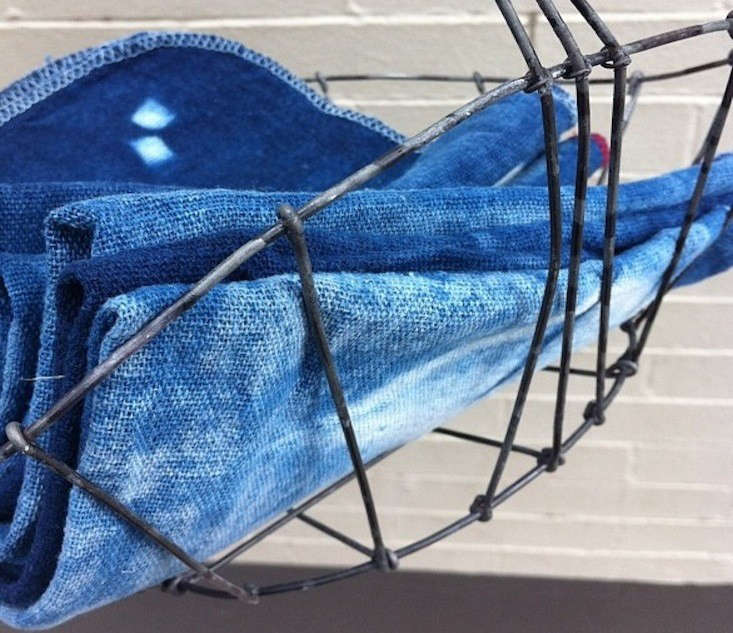
Some home textiles sit quietly in a room. Others walk in wearing deep indigo, handmade patterning, and the kind of relaxed confidence that makes a plain table look like it suddenly got an art degree. The Lookout and Wonderland Indigo Hand Dyed Shibori Linen Textile belongs firmly in the second group. It is not just a piece of fabric; it is a functional artwork made from natural linen, dyed by hand with indigo, and shaped by the beautiful unpredictability of shibori.
At first glance, the textile feels simple: blue and white, soft yet structured, organic yet intentional. Look closer, and the details begin to speak. The markings are not printed by a machine. They come from folds, pressure, dye, patience, and chance. That is the charm of hand dyed shibori linen. No two pieces are exactly alike, which means your tablecloth, throw, wall textile, or layered sofa accent will not look like it came from a warehouse conveyor belt having a very repetitive Tuesday.
This article explores what makes the Lookout and Wonderland indigo shibori linen textile special, how it fits into modern interiors, why natural indigo continues to fascinate designers, and how to style and care for a textile that deserves more than being shoved into a linen closet next to mismatched napkins.
What Is the Lookout and Wonderland Indigo Hand Dyed Shibori Linen Textile?
The Lookout and Wonderland Indigo Hand Dyed Shibori Linen Textile is a one-of-a-kind home textile created by Los Angeles-based Lookout & Wonderland. It has been described as a hand dyed linen textile suitable for use as a tablecloth or throw, with an approximate size of 85 inches by 54 inches. That generous proportion makes it flexible enough for several design uses without feeling oversized or awkward.
Lookout & Wonderland’s work is rooted in natural fibers, plant-based dyes, and studio-made processes. Their textile practice includes hand dyeing, cutting, sewing, and weaving, often with an emphasis on the symbolic and sensory qualities of color. In the case of this indigo shibori linen piece, the result is both practical and poetic: a textile that can serve dinner guests on Friday night and look like gallery-worthy fiber art by Saturday morning.
A Textile That Refuses to Be Ordinary
The biggest appeal of this piece is its handmade nature. Machine-printed patterns can be lovely, but they often have a polished sameness. Shibori goes in a different direction. It allows irregularity. It celebrates the small surprises that happen when dye meets folded fabric. Slight variations, soft bleeding, cloudy edges, and unexpected marks are not flaws. They are the whole point.
In a world filled with fast décor and copy-paste trends, a hand dyed shibori linen textile brings back the feeling of touch, craft, and time. It reminds us that fabric can have a storyand possibly a better personality than half the throw pillows on the market.
Understanding Shibori: The Art Behind the Pattern
Shibori is a Japanese resist-dyeing technique that creates patterns by manipulating fabric before it enters the dye bath. The maker may fold, bind, stitch, twist, clamp, compress, or wrap the textile so certain areas resist the dye. When the cloth is opened, the pattern appears like a quiet little magic trick, except the magician is fabric physics.
Some of the earliest examples of shibori in Japan date back to the Nara period, and the technique later became especially popular during the Edo period. Traditionally, indigo was a common dye used with shibori, producing the rich blue-and-white contrast that remains iconic today.
Unlike ordinary tie-dye, shibori is often more architectural and intentional. The pattern can be bold and geometric, soft and cloudlike, or delicate and stitched. The final design depends on how the fabric is prepared and how the dye moves through the fibers. Even when the artist controls the process carefully, shibori leaves room for chance. That is why the Lookout and Wonderland indigo shibori textile feels alive rather than manufactured.
Popular Shibori Methods That Inspire Modern Textiles
Several traditional shibori techniques influence contemporary textile design. Itajime shibori uses folding and clamping to create geometric shapes. Arashi shibori, sometimes called pole-wrapping shibori, produces diagonal, storm-like lines. Nui shibori uses stitching to gather the cloth before dyeing, resulting in more intricate marks. Kanoko shibori involves binding small sections of fabric, creating dotted or circular patterns.
A handmade linen textile may not announce which exact method was used, but the visual language is clear: compression, resistance, indigo, release. That rhythm gives shibori textiles their depth and emotional texture.
Why Indigo Still Feels So Timeless
Indigo is one of the most famous natural dyes in the world, and for good reason. It produces a blue that can feel earthy, elegant, moody, coastal, rustic, or refined depending on the textile and setting. In interiors, indigo has a rare ability to behave like a neutral while still bringing color into a room.
Historically, indigo has been valued across cultures for thousands of years. In the United States, indigo also has a complicated but important place in material history, especially in colonial South Carolina, where it became a major cash crop. Today, many designers and artisans are returning to natural indigo because of its depth, variation, and connection to slow craft.
On linen, indigo looks especially beautiful. The color does not sit flat. It settles into the texture of the fabric, emphasizing slubs, weave, wrinkles, and movement. The result is not a perfect blue surface but a layered one. It feels less like a color choice and more like atmosphere.
The Beauty of Natural Imperfection
Natural indigo rarely behaves like a synthetic, perfectly locked-in dye. It can shift, fade, soften, and develop character over time. That evolution is part of its appeal. Much like denim, an indigo textile may become more personal with use. The blue can relax slightly, the linen can soften, and the piece can take on the lived-in elegance that design magazines like to call “effortless,” even though we all know effortless usually takes at least three mood boards.
Why Linen Is the Perfect Base Fabric
Linen is made from flax fibers and is loved for its durability, breathability, absorbency, and natural texture. It is one of those materials that looks better when it is not trying too hard. A little wrinkle? Great. A relaxed drape? Even better. Linen does not need to be ironed into submission to look beautiful.
For a shibori textile, linen offers structure and softness at the same time. It can hold dye in a nuanced way, creating a surface that feels tactile and visually rich. As a tablecloth, it brings casual sophistication. As a throw, it adds texture without bulk. As a wall hanging, it introduces pattern while staying organic and calm.
Linen in Modern Home Design
Linen works across many interior styles. In a minimalist room, it adds warmth. In a rustic room, it feels authentic. In a coastal room, indigo linen looks right at home with wood, ceramic, woven baskets, and white walls. In a modern apartment, it softens hard lines and gives the space a handmade anchor.
The Lookout and Wonderland indigo hand dyed shibori linen textile is especially versatile because its palette is classic. Blue and white pair easily with natural wood, black metal, cream upholstery, clay pottery, glass, brass, rattan, and stone. It can look relaxed at breakfast and dramatic at dinner. Not every textile can do brunch and candlelight equally well.
How to Style the Lookout and Wonderland Indigo Shibori Linen Textile
The magic of a multi-use textile is that it gives you options. You are not locked into one purpose. The same piece can move from dining table to sofa to bedroom to wall depending on the season, mood, or how dramatically you are avoiding buying new furniture.
Use It as a Tablecloth
As a tablecloth, this indigo shibori linen textile creates an instant focal point. Pair it with simple white plates, matte black flatware, and clear glassware for a clean modern table. For a warmer look, add handmade ceramic dishes, wooden serving boards, linen napkins, and small bowls of citrus or olives.
Because the pattern is already expressive, the table setting does not need to shout. Let the textile be the star. A low arrangement of greenery or a few small bud vases will do more than a towering centerpiece that blocks everyone’s face and forces guests to communicate through interpretive leaning.
Use It as a Throw
Draped over a sofa, bench, or lounge chair, the textile brings softness and pattern without looking overly decorated. Try it on a neutral linen sofa for a layered, editorial feel. On a leather chair, it adds contrast and casual comfort. At the foot of a bed, it can break up solid bedding and introduce a handcrafted note.
The 85-by-54-inch size makes it large enough to have presence but not so massive that it swallows furniture whole. It is the kind of throw that looks intentional even when casually placed, which is helpful because “casually placed” is often designer code for “I adjusted this twelve times.”
Use It as Wall Art
A hand dyed shibori linen textile can also work beautifully as wall art. Hanging it on a simple wooden dowel or textile rail allows the pattern to be appreciated as a fiber artwork. This approach is especially effective in rooms that need softness, sound absorption, or a large visual statement without the weight of framed art.
In a bedroom, it can serve as a soft headboard alternative. In a hallway, it can create movement and visual interest. In a dining room, it can echo the materiality of the table while adding depth to a plain wall.
Color Pairings That Work Beautifully With Indigo Shibori
Indigo is surprisingly easy to style. It carries the calm of navy, the freshness of denim, and the artistic edge of hand dyed textiles. For a clean look, pair it with white, ivory, oatmeal, pale gray, and natural wood. For a richer palette, combine it with rust, camel, olive, tobacco brown, or deep charcoal.
If you prefer a brighter interior, indigo can balance sunny colors like ocher, marigold, coral, and terracotta. The blue grounds the palette so the room feels collected rather than chaotic. Think of indigo as the friend who lets everyone else be dramatic but still gets everyone home safely.
Materials That Complement Indigo Linen
This textile looks especially good with materials that share its natural character. Try pairing it with stoneware, unglazed ceramics, reclaimed wood, woven cane, rattan, seagrass, raw silk, wool, and brushed brass. These materials create a room that feels layered and human instead of showroom-perfect.
Avoid pairing it with too many glossy synthetic finishes. A little contrast is fine, but the beauty of hand dyed linen is best supported by textures that feel equally honest.
How to Care for an Indigo Hand Dyed Linen Textile
Natural indigo and hand dyed fabrics require thoughtful care. The original product guidance recommends caution near light-colored garments because color may bleed, and it suggests washing separately in cool water. That advice is worth taking seriously, especially during the first few washes.
Wash the textile gently, using cool water and a mild detergent. Avoid bleach, harsh stain removers, and hot water. If possible, air dry the piece away from direct sunlight, since prolonged sun exposure may fade natural dyes. When storing it, make sure the textile is clean and completely dry.
Care Tips for Long-Term Beauty
Treat the textile like a piece that has been made by hands, not a disposable table covering. Blot spills quickly instead of rubbing aggressively. Wash only when needed. If using it on a dining table, consider placing trivets under hot dishes and using napkins or placemats when serving foods that stain easily.
Over time, the fabric may soften and the indigo may mellow. That is not necessarily damage. It is part of the natural life of the textile. With good care, the piece can become more beautiful as it gathers use, memory, and maybe one tiny pasta sauce scare that everyone agrees never to discuss again.
Why Handmade Textiles Matter in a Fast Décor World
Handmade textiles bring a sense of place and process into the home. They remind us that design is not only about how things look but also about how they are made. The Lookout and Wonderland indigo hand dyed shibori linen textile reflects time, skill, material knowledge, and a willingness to let nature participate in the outcome.
In fast décor, objects are often designed to be replaced quickly. A handmade linen textile asks for a different relationship. It invites care. It rewards attention. It becomes part of the room rather than just another seasonal accessory. That makes it a meaningful choice for anyone interested in slow design, artisan home goods, natural textiles, and sustainable interiors.
Buying and Collecting Indigo Shibori Linen Textiles
When shopping for an indigo shibori linen textile, look for details that point to authenticity: natural fibers, hand dyeing, visible variation, and clear care instructions. A true handmade piece should not look perfectly repeated from corner to corner. Its irregularities are evidence of the process.
Also consider how you plan to use it. If you want a tablecloth, check the dimensions against your dining table. If you want a throw, think about weight and drape. If you want wall art, look for a pattern that reads well from a distance. The Lookout and Wonderland piece is appealing because it is multi-functional, generous in size, and visually strong without feeling loud.
Is It Worth the Investment?
For people who love artisan textiles, the answer is likely yes. A handmade indigo shibori linen textile offers more than decoration. It brings heritage technique, natural material, and flexible use into the home. Instead of buying several ordinary pieces, one strong textile can shift the mood of a room in multiple ways.
It is especially worthwhile if your home leans toward natural materials, relaxed elegance, Japanese-inspired design, California craft, wabi-sabi interiors, or modern rustic style. It is also a smart choice for anyone who likes objects that can move around the house instead of being assigned one job forever.
Experience Notes: Living With a Lookout and Wonderland Indigo Hand Dyed Shibori Linen Textile
Living with a textile like this is different from owning a standard tablecloth or throw. The first thing you notice is how quickly it changes the mood of a space. Place it over a plain wood table, and suddenly the room feels considered. Drape it over a sofa, and the seating area looks layered rather than leftover. Hang it on a wall, and it becomes a quiet conversation piece, especially for guests who like interiors but are too polite to say your blank wall was previously giving “rental waiting room.”
One of the best experiences with an indigo hand dyed shibori linen textile is using it for an informal dinner. Imagine a simple meal: roasted vegetables, a big salad, bread, cheese, maybe a bowl of lemons on the table for color. The indigo textile provides enough pattern that you do not need elaborate decoration. White plates look crisp against it. Wooden boards feel warmer. Candles reflect softly on glassware, and the blue creates a calm, grounded base for everything else.
The textile also performs beautifully in everyday settings. Folded lengthwise, it can act as a runner on a long table or console. Spread fully, it makes a bold table covering. Tossed across the back of a reading chair, it adds texture without the heaviness of a blanket. At the end of a bed, it gives neutral bedding a collected, boutique-hotel feeling, except you do not have to tip anyone for bringing extra towels.
The tactile quality matters too. Linen has a dry, natural hand that feels different from cotton or synthetic blends. It wrinkles, but those wrinkles are part of the charm. Instead of looking messy, the creases make it feel relaxed and lived-in. Combined with shibori’s irregular patterning, the linen texture prevents the piece from feeling overly precious. It is beautiful, yes, but not the kind of beautiful that demands everyone whisper around it.
Care is where the experience becomes more intentional. Because natural indigo can transfer, especially early on, it is wise to keep the textile away from pale upholstery and light clothing until you understand how the dye behaves. Washing separately in cool water is not optional fussiness; it is the practical side of owning plant-dyed cloth. After washing, air drying helps preserve both the linen and the indigo. The process is simple, but it encourages a slower, more respectful relationship with the object.
Over time, the textile may soften and become more personal. That is one of the pleasures of natural materials. The piece does not remain frozen in showroom perfection. It becomes part of your routines: weekend breakfasts, quiet evenings, dinner parties, seasonal restyling, and the occasional “where should I put this now?” design experiment. A handmade textile rewards that movement. It does not need to stay in one room to make sense.
Another experience worth noting is how well indigo photographs. For web publishing, social media, product styling, or interior inspiration, blue-and-white shibori has strong visual appeal. It reads clearly on camera, pairs well with food and ceramics, and gives images a crafted look without requiring excessive props. If you enjoy styling your home, this textile becomes a useful design tool as much as a decorative object.
The deeper value, however, is emotional. A Lookout and Wonderland indigo hand dyed shibori linen textile brings evidence of handwork into daily life. In a home full of screens, smooth plastics, and identical products, that evidence feels refreshing. The pattern is imperfect. The dye is alive. The linen has texture. Together, they create something that feels humanand that may be the real luxury.
Conclusion
The Lookout and Wonderland Indigo Hand Dyed Shibori Linen Textile is more than a decorative fabric. It is a meeting point of Japanese resist-dyeing tradition, natural indigo color, durable linen, and contemporary artisan design. Its appeal lies in its flexibility: use it as a tablecloth, throw, runner, wall hanging, or visual anchor in a thoughtfully layered room.
For homeowners, designers, collectors, and lovers of slow décor, this textile offers something refreshingly real. It carries the marks of process, the softness of linen, and the rich blue depth of indigo. It is practical enough for daily use, beautiful enough for display, and distinctive enough to make a room feel less generic. In other words, it does what the best home objects do: it earns its place.