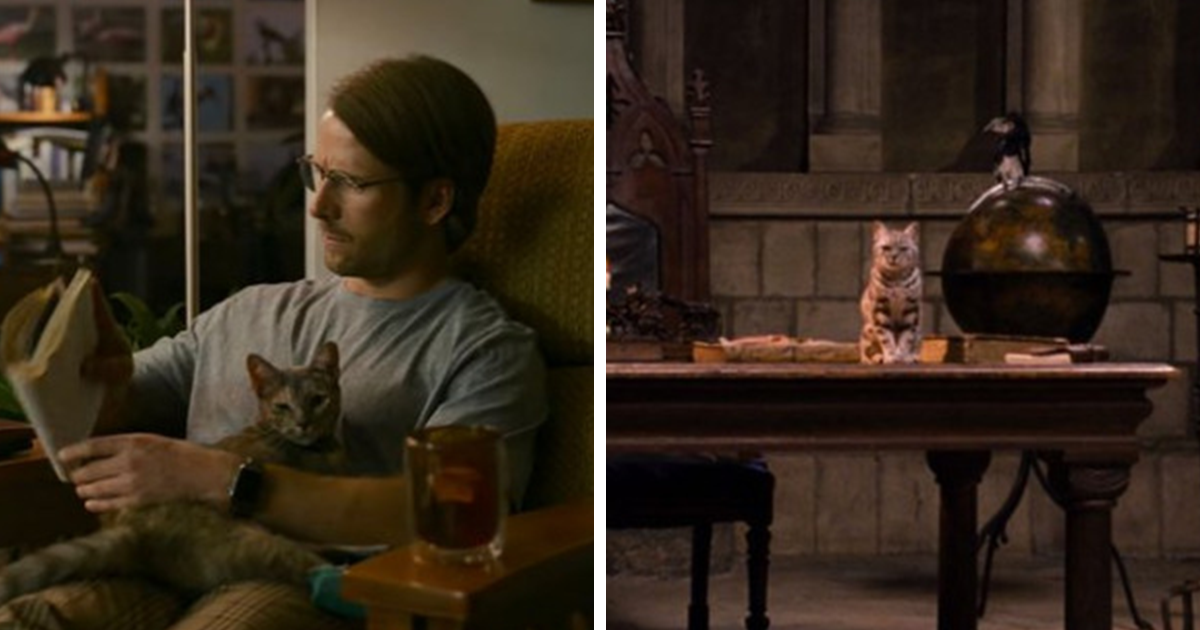
Some movie lovers track directors, box office records, Oscar campaigns, hidden Easter eggs, or whether the villain has suspiciously excellent cheekbones. Then there is a very special corner of the internet devoted to a far more urgent question: is there a cat in this movie?
That simple idea is the charm behind the account known as “Is there a cat in this movie?” or @catinthemovie, a social media project that does exactly what it promises. It watches films, spots feline appearances, and reports back with the seriousness of a national security briefing. The answer is usually either “Yes” or “No,” but for cat people, that tiny verdict can completely change movie night. A three-hour drama about existential suffering? Fine. But does a cat walk through the kitchen at minute 47? Now we are seated.
Cats in movies have always had a strange power. They may be main characters, background chaos agents, supernatural omens, alien creatures pretending to be house pets, or silent judges of human foolishness. Unlike dogs, who often burst into cinema wagging their tails and applying for emotional-support employment, cats arrive like they own the lighting department. They do not beg for attention. They absorb it.
This article explores why movie cats are so memorable, how accounts like @catinthemovie turn tiny screen moments into internet treasure, and 30 unforgettable times cats were spotted in films. Please keep your popcorn safe. A cat may knock it over for dramatic effect.
Why Movie Cats Steal Scenes Without Even Trying
Cats work beautifully on screen because they create instant atmosphere. A black cat in a shadowy hallway says “something spooky is coming” faster than a full orchestra. An orange tabby curled on a sofa can make a lonely apartment feel lived-in. A glamorous white cat in the arms of a villain silently announces, “Yes, this person has a volcano lair, and no, they do not clean their own furniture.”
Filmmakers use cats as symbols because audiences already carry strong ideas about them. Cats suggest independence, mystery, elegance, mischief, comfort, danger, and occasionally mild tax fraud. They can soften a character, expose loneliness, or add comic absurdity to a tense moment. When a cat appears in a movie, the scene suddenly gains an unpredictable little co-star who may or may not follow the script.
That unpredictability is part of the fun. A trained dog can run across a room on command and look heroic. A cat can also run across a room, but only after checking whether the room deserves such an honor. This is why real feline appearances feel so special. They are not just props. They are tiny performers with opinions.
The Account That Turned Cat Spotting Into a Movie-Watching Sport
The “Is there a cat in this movie?” account became popular because it treats a niche question with delightful commitment. The format is simple: name a film, answer whether a cat appears, and usually provide visual proof. That is it. No overcomplicated review scale. No 19-minute video essay about color grading. Just cinema, cats, and the kind of investigative work that deserves a tiny trench coat.
The appeal is easy to understand. Movie fans love details, and cat fans love evidence. Together, they create a perfect internet hobby: spotting cats in famous blockbusters, quiet indie films, old classics, documentaries, animated features, horror movies, and anything else that dares to place a feline within camera range.
It also changes how people watch films. Once you start looking for cats, you notice how often they appear in the background. A cat may be perched in a window, passing through a street scene, sitting near a witch, riding in a spaceship, or judging a protagonist’s life choices from a kitchen counter. Suddenly, every frame becomes a potential feline treasure hunt.
30 Times Cats Were Spotted In Movies
Here are 30 memorable examples of cats appearing in cinema, from legendary animal actors to blink-and-you-miss-it feline cameos. Some are central to the plot. Others simply wander in, improve the film, and leave like tiny unpaid consultants.
1. Cat in Breakfast at Tiffany’s
The unnamed orange cat in Breakfast at Tiffany’s is one of the most famous felines in film history. Holly Golightly calls him “Cat,” which is either emotionally detached or extremely efficient branding. His presence reflects Holly’s own fear of belonging, making him more than a cute companion. He is a furry symbol of love, independence, and the terrifying possibility of caring about someone.
2. Jonesy in Alien
Jonesy, the orange ship cat aboard the Nostromo, survives one of the most terrifying sci-fi horror films ever made. While humans scream, panic, and make questionable decisions in dark corridors, Jonesy maintains classic cat energy: concerned, alert, and still somehow above the drama. He is proof that cats may be better equipped for space horror than most trained astronauts.
3. Blofeld’s Cat in the James Bond Films
The white Persian cat associated with Bond villain Ernst Stavro Blofeld became an instant visual shorthand for cold, theatrical evil. The cat does very little, which is exactly the point. Sitting calmly while your human plots global chaos is an advanced acting choice.
4. Mr. Bigglesworth in Austin Powers
Mr. Bigglesworth begins as a fluffy villain cat parody and later becomes a hairless Sphynx, matching Dr. Evil’s ridiculous energy perfectly. The joke works because audiences already recognize the Bond-style villain-cat image. This is feline cinema history wearing a tiny comedy wig, then losing the wig entirely.
5. Binx in Hocus Pocus
Thackery Binx is no ordinary black cat. He is a boy transformed by witches, cursed with immortality, and forced to spend centuries warning people about danger. That is a tough job, especially when everyone keeps ignoring the talking cat. Honestly, Salem had one public safety officer, and nobody appreciated him enough.
6. Church in Pet Sematary
Church is one of horror’s most unsettling cats. Before things go terribly wrong, he is a family pet. Afterward, he becomes a walking argument against mysterious burial grounds. His appearance reminds viewers that cats already have a spooky reputation, and horror films are more than happy to sharpen those claws.
7. Goose in Captain Marvel
Goose looks like a cat, behaves like a cat, and is loved like a cat. Technically, Goose is a Flerken, an alien creature with terrifying tentacles and a storage capacity that would make a moving company jealous. Still, for most of the film, Goose delivers classic orange-cat charm with a side order of cosmic nightmare.
8. Orion in Men in Black
In Men in Black, Orion the cat carries a galaxy on his collar. That sentence sounds like something a cat would write about himself, but it is actually the plot. Orion’s role is brief but unforgettable because it turns a small pet into the keeper of something unimaginably vast.
9. Ulysses in Inside Llewyn Davis
The orange cat in Inside Llewyn Davis is not just a pet. He is a mirror, a burden, a running joke, and possibly the only character with a clear sense of direction. As Llewyn drifts through 1960s New York, the cat becomes a living symbol of responsibility that keeps slipping through his hands.
10. Jiji in Kiki’s Delivery Service
Jiji is the sarcastic black cat companion every young witch deserves. In Kiki’s Delivery Service, he is funny, loyal, cautious, and occasionally more practical than the humans. He also proves that animated cats can feel as emotionally real as live-action ones.
11. The Cats in The Aristocats
The Aristocats gives cinema a full feline ensemble: Duchess, O’Malley, Marie, Toulouse, and Berlioz. These cats sing, scheme, travel, and demonstrate that aristocratic manners are nice, but jazz cats are where the party lives.
12. Puss in Boots in Shrek 2
Puss in Boots entered Shrek 2 with a sword, a hat, and weaponized kitten eyes. The character became iconic because he combines swashbuckling confidence with one of the most accurate truths about cats: they know exactly when being adorable will get them what they want.
13. Fat Louie in The Princess Diaries
Fat Louie is Mia Thermopolis’s loyal cat in The Princess Diaries. While Mia adjusts to royal life, makeovers, school drama, and sudden princess responsibilities, Fat Louie remains wonderfully unimpressed. Every teen movie needs one emotionally stable cat.
14. Mrs. Norris in the Harry Potter Series
Mrs. Norris, Argus Filch’s cat, patrols Hogwarts like a furry hall monitor with a personal grudge against fun. Her eerie timing and silent surveillance make her one of the most memorable background threats in the wizarding world.
15. Crookshanks in Harry Potter and the Prisoner of Azkaban
Crookshanks is Hermione Granger’s intelligent, fluffy, half-Kneazle companion. He is suspicious of Scabbers long before many humans catch on, proving once again that cats may not explain themselves, but they are often right.
16. Buttercup in The Hunger Games
Buttercup, Prim’s rough-looking cat, becomes a surprisingly emotional presence in The Hunger Games series. He starts as comic irritation and ends as a reminder of home, loss, and the fragile pieces of normal life that survive violence.
17. Sassy in Homeward Bound: The Incredible Journey
Sassy is a Himalayan cat with confidence levels normally reserved for queens and restaurant critics. Alongside two dogs, she makes the journey home while providing commentary, attitude, and the necessary reminder that cats do not consider themselves sidekicks.
18. Oliver in Oliver & Company
Oliver is the tiny orange kitten at the heart of Disney’s Oliver & Company. His story mixes classic orphan adventure with New York street energy, giving audiences a kitten hero who is sweet, brave, and deeply marketable.
19. Tom in Tom and Jerry
Tom may be animated, but his influence on movie cats is enormous. Whether he is chasing Jerry, getting flattened, or briefly becoming an opera star, Tom represents the slapstick side of feline cinema: dramatic, persistent, and physically indestructible in the way only cartoons allow.
20. The Cat in Coraline
The black cat in Coraline is mysterious, sharp, and wonderfully self-possessed. He moves between worlds with ease and offers advice only when he feels like it. In other words, he is a cat with a better understanding of cosmic horror than most adults in the movie.
21. Keanu in Keanu
Keanu builds an entire action-comedy around an impossibly adorable kitten. The joke is simple and effective: everyone wants this cat. Criminals, friends, and strangers all fall under his spell. This is not unrealistic. A kitten could absolutely destabilize an underground operation.
22. Milo in The Adventures of Milo and Otis
Milo, the curious orange kitten, helped make The Adventures of Milo and Otis famous among animal-movie fans. The film’s imagery of a cat and pug exploring the world became iconic, though modern viewers are also more aware of the importance of strong animal welfare standards in productions involving real animals.
23. The Cat in The Long Goodbye
Robert Altman’s The Long Goodbye opens with private detective Philip Marlowe trying to feed his demanding cat. The scene is funny because it is painfully accurate. Before the mystery even begins, Marlowe is defeated by brand loyalty and feline judgment.
24. The Cats in Kedi
Kedi is a documentary about Istanbul’s street cats and the people who live alongside them. The cats are not trained performers; they are real city residents with routes, habits, admirers, and personal philosophies. The result is one of the most affectionate cat films ever made.
25. Tonto in Harry and Tonto
Tonto travels with an elderly man across America in Harry and Tonto. The cat’s presence makes the journey feel intimate and grounded. Road movies are usually about freedom, but Tonto adds responsibility, companionship, and the logistical challenge of traveling with someone who may reject every motel room on principle.
26. The Cat in Rhubarb
Rhubarb features a cat who inherits a baseball team. This is one of those premises that sounds fake until you remember Hollywood has always been braver when cats are involved. The film also helped establish Orangey as one of cinema’s most famous feline performers.
27. The Cat in The Godfather
The cat in Vito Corleone’s lap during the opening of The Godfather was reportedly not part of the original scripted plan, yet the image became legendary. The contrast is perfect: a powerful man discussing violence while gently petting a cat. It makes the scene warmer and more unsettling at the same time.
28. Frodo in A Quiet Place: Day One
Frodo, the service cat in A Quiet Place: Day One, gives the horror prequel emotional softness amid chaos. In a world where sound can be deadly, a cat’s quiet movement becomes more than cute. It becomes survival poetry with whiskers.
29. The Cats in Cats
Yes, Cats contains cats. Sort of. The 2019 movie musical became famous for its unusual digital feline-human hybrids, creating a viewing experience that many people described with facial expressions rather than complete sentences. Still, as a cat movie, it certainly answers the account’s central question loudly.
30. Random Background Cats in Almost Everything
Some of the best movie cats are not famous at all. They appear in alleys, windows, kitchens, farms, bookstores, witch houses, villain lairs, and cozy apartments. These background cats may not have names, but they add texture. They make fictional worlds feel lived in. They also give viewers one more reason to pause and say, “Wait, go back. Was that a cat?”
Why Cat Cameos Make Movies Feel More Real
A cat cameo can do a surprising amount of storytelling. In a domestic scene, a cat suggests routine and comfort. In a horror scene, it creates suspense because viewers worry about the animal. In a fantasy scene, a cat can signal magic. In a comedy, it can become the punchline simply by refusing to cooperate with human expectations.
Cats also make sets feel less artificial. A room with perfect lighting, tasteful furniture, and no pet hair can look like a catalog. Add one cat sitting on the back of a chair, and suddenly the room has a history. Someone lives there. Someone buys lint rollers. Someone has accepted that the expensive throw blanket belongs to the cat now.
There is also an emotional shortcut. Audiences often respond quickly to animals on screen, and cats bring a specific mix of tenderness and tension. We want them safe, but we also know they might cause trouble. That balance gives filmmakers a useful tool: instant attachment with a sprinkle of chaos.
The Real Challenge of Filming Cats
Using cats in movies is not as simple as placing one on a chair and yelling “action.” Cats need patient handling, calm environments, careful training, and respect for their limits. Productions that work with animals are expected to follow safety standards, and responsible animal work focuses on welfare rather than forcing behavior.
This matters because the magic of a movie cat should never come at the animal’s expense. Modern audiences are more aware of animal safety than ever, and many viewers look for evidence that productions treated animals responsibly. When cats appear calm, healthy, and natural on screen, the result is better for the animal and better for the movie.
It is also why brief appearances can be so satisfying. A cat walking through a frame, resting in a lap, or sitting in a window can feel authentic without requiring elaborate tricks. Sometimes the most cinematic thing a cat can do is simply be a cat. Hollywood spends millions trying to create charisma. Cats arrive with it pre-installed.
How Cat Spotting Became Part of Internet Culture
The internet has always loved cats because cats are perfectly built for short-form obsession. They are expressive but unreadable, graceful but ridiculous, affectionate but suspicious. A cat can look majestic in one frame and like a dropped croissant in the next. That range is content gold.
Movie cat spotting taps into the same pleasure. It turns passive watching into a game. You are not only following the plot; you are scanning the edges of the frame for whiskers. The account format works because it is quick, funny, and oddly useful. Some people choose movies by genre, actors, directors, or streaming availability. Others simply ask whether there is a cat. This is not a lesser system. It may be the future.
There is also something charmingly democratic about the idea. A tiny background cat in an old film can receive the same attention as a famous movie star. The account does not ask whether the cat has dialogue, billing, or a dramatic arc. It asks whether the cat exists. In an internet full of overcomplicated opinions, that purity feels refreshing.
Experiences Related to Watching Movie Cats
Once you become aware of cats in movies, your viewing habits change forever. At first, you may think you are simply enjoying a film. Then a cat appears in the corner of the frame, and suddenly the human plot becomes secondary. The detective can solve the case later. The spaceship can explode in a minute. Right now, the important question is: who is that cat, and is it getting enough screen time?
One of the funniest experiences is watching a serious movie with a cat lover. The room can be silent during a tense scene, everyone leaning forward, the soundtrack pulsing with dread. Then a cat walks across the background, and the cat person whispers, “Baby.” The spell is broken, but somehow the movie improves. The emotional stakes have shifted. We are no longer only worried about the protagonist. We are worried about the small tabby who probably has no idea he is in a thriller.
Movie cats also create shared rituals. Some viewers pause the film to confirm the sighting. Others rewind, screenshot, and send evidence to friends. A few develop personal rating systems: one star for a cat in the background, three stars for a named cat, five stars if the cat survives, and an automatic masterpiece rating if the cat looks annoyed at a major celebrity. This kind of playful watching makes old movies feel new again.
Another experience many cat owners recognize is comparing screen cats to their own pets. A calm movie cat sits perfectly in an actor’s arms, and someone immediately says, “My cat would never.” That is usually true. Your cat would twist sideways, step on the actor’s microphone, shed on the costume, and leave the set to investigate catering. This makes professional cat performances even more impressive. When a feline actor hits a mark, holds still, or looks in the correct direction, it feels less like training and more like a negotiated peace treaty.
There is also comfort in seeing cats on screen. A film can be dark, strange, or emotionally heavy, but a cat can soften the atmosphere. Even when the story is not about animals, a cat reminds viewers of ordinary life: warm rooms, food bowls, windowsills, sleepy afternoons, and the quiet companionship of a creature that may love you deeply while pretending not to. That emotional texture is why cats are not just decorations in movies. They are tiny anchors.
Cat spotting can even influence what people choose to watch. A person who feels tired after work may not want a complicated drama, but learning that the movie includes a cat can become the deciding factor. The logic is simple: if the film has a cat, there will be at least one moment of joy, mystery, or excellent judgmental staring. That is enough. In a crowded streaming world, a feline cameo can be a surprisingly persuasive recommendation.
Finally, accounts that document cats in movies remind us that cinema is full of small pleasures. Not every memorable moment has to be a plot twist, explosion, monologue, or award-winning close-up. Sometimes it is a cat on a windowsill. Sometimes it is a villain stroking a Persian. Sometimes it is an orange tabby surviving outer space while humans make poor decisions. These moments matter because they make watching movies feel playful again. They invite us to look closer, laugh more easily, and appreciate the furry little scene-stealers who wander through film history as if they own the studio.
Conclusion
30 Times Cats Were Spotted In A Movie, Uncovered By This Account is more than a funny internet concept. It is a reminder that cats have always belonged in cinema, whether they are central characters, background cameos, horror omens, animated companions, or silent emotional symbols. From Breakfast at Tiffany’s and Alien to Inside Llewyn Davis, Captain Marvel, Kedi, and A Quiet Place: Day One, movie cats add personality, suspense, humor, and heart.
The joy of cat spotting is that it rewards attention. It turns viewers into detectives and makes even familiar films feel fresh. A cat may appear for five seconds, but those five seconds can become the scene everyone remembers. That is the strange magic of cats on screen: they do not need to dominate the movie. They simply enter, sit down, blink slowly, and let Hollywood rearrange itself around them.
Note: This article is original web-ready content synthesized from publicly available information about movie cats, animal performance standards, film history, and feline behavior. It is rewritten in a fresh style for publication and does not include source links in the body.