Every generation leaves behind a visual time capsule. Some of it is charming: family road trips, shiny diners, roller rinks, handwritten letters, and people looking suspiciously confident in pants wide enough to shelter a picnic. Some of it, however, makes modern viewers pause and whisper, “Wait… we thought that was cool?”
That is the strange magic behind the idea of “Got Weird”: old photos that once looked stylish, futuristic, daring, luxurious, or completely normal, but now feel like dispatches from an alternate universe. The past was not boring. It was dramatic. It wore shoulder pads, carried pagers, smoked indoors, decorated kitchens like Italian restaurants, and treated a translucent landline phone as a personality trait.
This article explores 50 types of pictures and trends that seemed cool back in the day but look odd now. Not because people were foolish, but because culture changes faster than a teenager’s hairstyle in 2003. Fashion evolves. Technology shrinks. Social norms improve. Design trends age. And yesterday’s “must-have” becomes today’s “please explain this to the children.”
Why Old “Cool” Things Start Looking Weird
Coolness is never permanent. It depends on context: what technology was available, what celebrities promoted, what magazines praised, what movies made look glamorous, and what people believed the future would be. A bulky camcorder was once a miracle. A glittery flip phone was once peak communication. A home entertainment center the size of a small apartment was once a symbol of success.
When we look back, we judge the past with modern eyes. Today, we expect clean design, wireless devices, faster access, softer social rules, and fewer things made entirely of beige plastic. That makes old photos funny, but also valuable. They show us how people dreamed, decorated, dressed, worked, flirted, entertained themselves, and tried very hard to look impressive.
50 Things That Looked Cool Then But Look Odd Now
1. Clear Plastic Electronics
Transparent phones, see-through Game Boys, and clear computer speakers once looked futuristic. Now they look like someone wanted to watch a calculator digest lunch. Still, they were fun, playful, and proudly mechanical.
2. Giant Cell Phones
Early mobile phones looked less like pocket devices and more like emergency equipment from a submarine. Back then, carrying one meant status. Today, it looks like calling your boss through a brick.
3. Pagers On Belts
Before smartphones, the pager was a tiny badge of importance. Doctors, businesspeople, teenagers, and “very busy” uncles clipped them on proudly. Now the whole look says, “I may be contacted by a fax machine.”
4. Frosted Tips
Nothing said late-1990s confidence like hair tips bleached into crispy golden spikes. It was boy-band energy in solid form. In old photos, it looks like a group of men lost an argument with a lemon.
5. Low-Rise Jeans
Low-rise jeans were everywhere in the early 2000s. Celebrities wore them. Pop stars performed in them. Magazines praised them. Now many people look back and ask why pants were legally allowed to be that nervous.
6. Velour Tracksuits
Soft, shiny, colorful, and often bedazzled, velour tracksuits were luxury loungewear before athleisure became polite. Today they look both cozy and chaotic, like a sofa decided to become famous.
7. Inflatable Furniture
Inflatable chairs were once dorm-room royalty. They were cheap, colorful, and wildly uncomfortable. Every photo of one carries the same silent question: “How long before this made a sad squeaking sound?”
8. CD Towers
A tall rack of CDs once proved taste, personality, and disposable income. Now it looks like a tiny skyscraper built for obsolete plastic squares. Yet collectors still understand the joy of browsing a physical music library.
9. Cassette Players
The Walkman changed portable music forever, giving people a private soundtrack long before streaming. Today, tangled headphones and rewinding tapes with a pencil feel charmingly ancient.
10. Desktop Computers In Beige
Beige towers, beige monitors, beige keyboardscomputers once looked like office furniture with anxiety. At the time, they were powerful gateways to the future. Now they look like they should be processing a spreadsheet named “Budget_Final_REAL_Final.xls.”
11. Lava Lamps
Lava lamps were hypnotic, groovy, and extremely committed to doing one thing slowly. They still have fans, but in old room photos, they instantly announce, “This person owns at least one beanbag.”
12. Waterbeds
Waterbeds promised futuristic comfort and mild seasickness. They were glamorous in theory and alarming in practice. One leak and your bedroom became a municipal concern.
13. Wood-Paneled Everything
Cars, basements, dens, televisionswood paneling once made things feel warm and respectable. Now it can make a room look like a courtroom for raccoons.
14. Huge Entertainment Centers
Before flat screens, televisions were heavy monuments. Entertainment centers were built around them like shrines. A modern TV can hang on a wall; an old one needed architectural support.
15. Shag Carpet
Shag carpet was plush, dramatic, and suspiciously good at hiding crumbs, coins, and possibly small civilizations. Photos of wall-to-wall shag now feel like warnings from the Department of Vacuuming.
16. Shoulder Pads
In the 1980s, shoulder pads meant power. In old photos, everyone looks ready to either close a business deal or land a small aircraft on their blazer.
17. Neon Windbreakers
Bright windbreakers once looked athletic and modern. Today they look like wearable highlighters, but they still bring a joyful, fearless energy that minimalism could never.
18. JNCO-Style Wide-Leg Jeans
Extremely wide jeans were a teenage uniform in the 1990s. They could cover shoes, swallow skateboards, and possibly conceal a second pair of jeans underneath.
19. Platform Sneakers
Platform sneakers were fun, dramatic, and hazardous near stairs. They said, “I want height, but I also want to look like I am escaping a music video.”
20. Glamour Shots
Soft-focus portraits with feather boas and dramatic lighting were once a mall luxury. Now they look like everyone was auditioning to become a mysterious perfume bottle.
21. Laser Background School Photos
Nothing captured childhood like crossed lasers behind a child in a sweater vest. These portraits now look like school administrators briefly discovered science fiction.
22. Wallpaper Borders
Kitchen ducks. Ivy vines. Fruit baskets. Wallpaper borders once added charm. Now many of them look like a room wearing a tiny belt.
23. Tuscan Kitchens
Warm faux finishes, grape motifs, wrought iron, and dark cabinets created the early-2000s “Tuscan” dream. Today, it can feel like every kitchen was trying to become a chain restaurant in Florence.
24. Popcorn Ceilings
Textured ceilings were practical and common, but modern homeowners often see them as overhead cottage cheese. They are one of those trends that aged with maximum crunch.
25. Plastic Couch Covers
Protecting furniture made sense. Sitting on plastic in summer did not. Old photos of plastic-covered sofas make comfort look like a legal negotiation.
26. Car Phones
A phone built into a car once screamed executive success. Now it looks like the vehicle came with a tiny office receptionist.
27. Boomboxes
Boomboxes were portable power. They gave music a physical presence. Today they look enormous, but their cultural impact on street style, dance, and hip-hop remains undeniable.
28. Fax Machines
The fax machine once felt fast and official. Now it feels like emailing a sandwich through a landline. Still, it helped offices move documents before digital workflows took over.
29. Answering Machines
Recording the perfect outgoing message was a household art. Some families used jokes. Some used music. Some made everyone in the room whisper like they were defusing a bomb.
30. MySpace Mirror Pics
Before polished influencer culture, profile photos were experimental, blurry, and often taken at impossible angles. They look odd now, but they also feel refreshingly unfiltered.
31. AIM Away Messages
AIM away messages were emotional billboards for teenagers. Song lyrics, cryptic drama, and “brb dinner” carried the weight of literature. Today, they read like tiny diary entries with internet access.
32. Chain Wallets
Chain wallets were practical for some and purely decorative for others. In photos, they add instant late-1990s soundtrack energy. You can almost hear a skateboard nearby.
33. Tribal Tattoos
Tribal-style tattoos became mainstream in the 1990s and 2000s, often detached from their cultural origins. Today, many people view them more critically, especially when chosen only because they looked “tough.”
34. Indoor Smoking Photos
Old restaurant, airplane, and office photos often show smoking as normal. Modern viewers tend to react with shock, because social norms and public health rules changed dramatically.
35. Tanning Beds
Deep tans were once marketed as glamorous. Today, awareness of skin damage makes many old tanning trends look risky rather than aspirational.
36. Diet Food Packaging
Low-fat cookies, tiny frozen meals, and aggressively cheerful “guilt-free” labels once dominated shelves. Modern wellness culture is far from perfect, but many old diet ads now feel painfully strange.
37. Extreme Thin Eyebrows
Pencil-thin brows ruled the 1990s and early 2000s. They were precise, dramatic, and sometimes permanent in spirit. Many former participants still speak of them in the tone of a survivor.
38. Chunky Highlights
Bold stripes of hair color were hot. In old photos, they often resemble barcode technology. Yet fashion cycles are funny: toned-down versions keep returning.
39. Ed Hardy Shirts
Rhinestones, skulls, tigers, flames, and oversized logos made these shirts impossible to ignore. Subtlety was not invited to the meeting.
40. Rhinestone Everything
Phones, jeans, sunglasses, hatsif it could hold a rhinestone, someone glued one on. The sparkle was real. So was the commitment.
41. Tiny Sunglasses
Tiny sunglasses have returned more than once, but old photos prove they always walk the line between cool and “I am secretly a nightclub villain.”
42. Decorative Bathroom Carpets
Carpet around toilets was once normal in many homes. Modern viewers generally agree this was a bold choice for people who owned cleaning supplies but perhaps not fear.
43. Formal Family Portrait Outfits
Matching denim shirts, white turtlenecks, holiday sweaters, and coordinated khakis created unforgettable portraits. The family looked united, even if everyone was itchy.
44. Futuristic Silver Clothing
Y2K fashion imagined the new millennium as shiny, metallic, and slightly space-station adjacent. Today, it looks theatrical, but it captured real optimism about technology and the future.
45. Novelty Phones
Hamburger phones, football phones, lips phones, and cartoon phones were once fun bedroom accessories. Now they look like communication devices designed by a snack committee.
46. Big Hair
Teased, sprayed, lifted, and sculpted hair dominated many decades. The photos are magnificent. The ozone layer, however, may still be filing paperwork.
47. Mall Culture Photos
Malls were social kingdoms. Fountains, food courts, photo booths, and music stores were the center of teenage civilization. Today, old mall photos feel both nostalgic and oddly ceremonial.
48. Disposable Cameras
Disposable cameras made every party a mystery until the film was developed. The results were often blurry, red-eyed, and perfect. Now they feel charming because they were not instantly editable.
49. Early Website Design
Flashing text, visitor counters, tiled backgrounds, autoplay MIDI music, and spinning icons once made websites exciting. Today, they look like the internet learned graphic design from a carnival.
50. “Future” Gadgets That Got Replaced
MiniDisc players, PDAs, portable DVD players, MP3 players, digital cameras, GPS units, and handheld organizers were once cutting-edge. Smartphones absorbed many of their jobs, turning a drawer full of gadgets into one glowing rectangle.
What These Odd Old Pictures Reveal About Us
It is easy to laugh at old trends, but the better question is: what will people laugh at next? In 30 years, our ring lights, smart watches, Stanley cups, giant wireless earbuds, beige minimalist apartments, and obsession with “aesthetic” desk setups may look just as peculiar.
The funniest old pictures are not merely outdated. They are confident. The people in them believed they were living in the present, not posing for future comedy. That confidence is what makes the images so human. Nobody thinks their haircut is historical evidence while they are getting it.
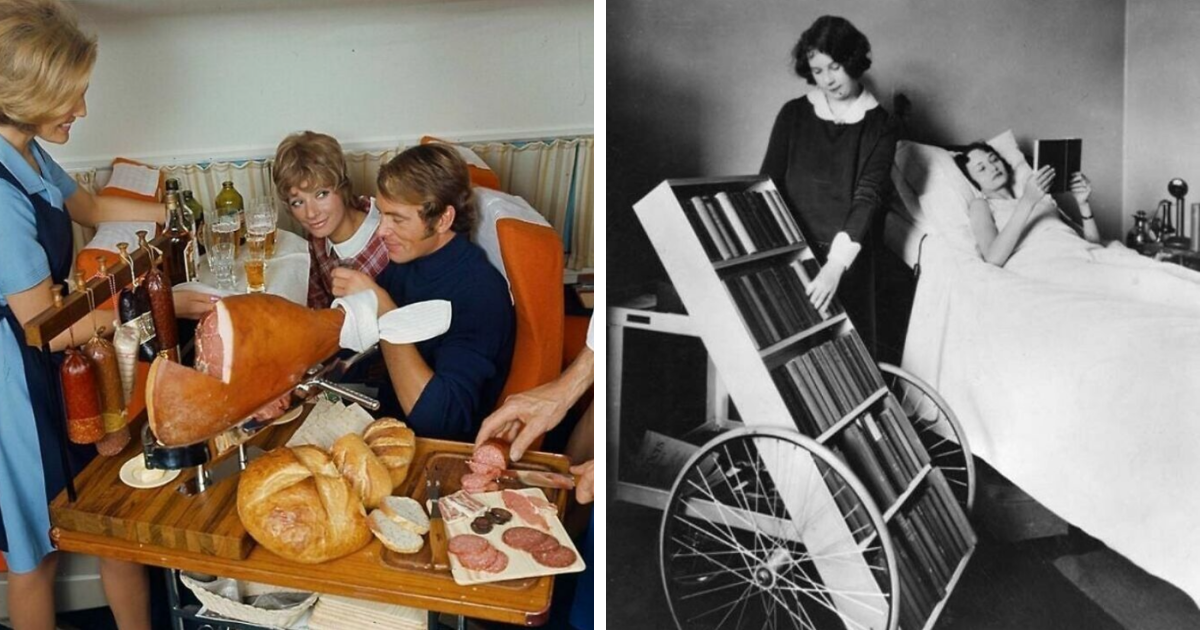
Old photos also remind us that “weird” does not always mean bad. Sometimes it means inventive. Sometimes it means handmade. Sometimes it means people solved problems with the tools they had. A champagne inspector wearing a protective mask, a window cleaner dangling from a skyscraper, or a child’s toy made from scraps can look strange now, but each image carries a story about work, danger, poverty, creativity, or survival.
The Nostalgia Factor: Why We Still Love This Stuff
Nostalgia softens the weirdness. A cassette tape may be inconvenient, but it carries memory. A blurry disposable-camera photo may be technically terrible, but it feels alive. A bulky Walkman may look clunky beside a smartphone, but it represents the first time many people could take music privately into the world.
That is why retro trends keep returning. Young people discover them as novelty; older people remember them as identity. Vinyl records, Y2K fashion, digital cameras, vintage sneakers, and old gaming consoles keep resurfacing because they offer texture in a world of invisible files and endless scrolling.
Modern culture is efficient, but efficiency is not always memorable. A streaming playlist is convenient, but it does not smell like a record sleeve or require rewinding side B. A smartphone camera is powerful, but it does not create the suspense of waiting for film. The past feels weird partly because it was slower, heavier, louder, and more physical.
Personal Experiences With Things That “Got Weird”
Anyone who grew up around older technology, old family albums, or hand-me-down furniture knows the strange feeling of seeing yesterday’s pride become today’s punchline. There is always that one family photo where everybody looks normal except the living room, which appears to have been decorated by a committee of lampshades. There is always one school picture with a haircut so bold it deserves its own apology letter.
One of the funniest experiences is discovering old electronics in a drawer. You find a flip phone, a charger with a mysterious plug, a digital camera with 12 blurry photos, and maybe an MP3 player that still contains songs with titles like “track_07_final_NEW.” At the time, these devices were precious. People protected them, decorated them, and showed them off. Now they look like tiny fossils from the age before everything became an app.
Old fashion can be even more emotionally complicated. A photo of someone wearing low-rise jeans, a rhinestone belt, tinted sunglasses, and a tiny shoulder bag may look funny now, but the person in that photo probably felt unstoppable. That is the secret kindness hidden inside nostalgia: it lets us laugh without being cruel. We are not laughing because people were wrong. We are laughing because we have all been deeply confident about something that later aged like unrefrigerated potato salad.
Home décor creates the same reaction. Many people remember visiting houses with floral couches, glass-block walls, carpeted bathrooms, wallpaper borders, entertainment centers, and giant artificial plants collecting dust like part-time employees. Those rooms felt fancy or cozy then. Today, they look odd because design has shifted toward open space, cleaner lines, and easier maintenance. But those old rooms also had personality. They were not afraid of color, texture, or a sofa pattern visible from space.
The most meaningful experience, though, is realizing that every “weird” object was once part of someone’s ordinary life. A pager meant someone was reachable. A cassette meant someone had favorite songs. A mall photo meant friendship. A strange kitchen meant hospitality. A ridiculous hairstyle meant self-expression. These images are funny, yes, but they are also proof that people have always tried to look cool, feel modern, and belong to their moment.
That is why looking at pictures of things that seemed cool back in the day is so addictive. The images are half comedy, half time travel. They show us how fast taste changes and how stubbornly human we remain. We laugh at the old trends, then quietly wonder which of our current favorites will end up in a future gallery titled, “They Really Thought This Was Normal.”
Conclusion
Pictures of things that seemed cool back in the day but look odd now are more than internet entertainment. They are cultural snapshots. They reveal the rise and fall of trends, the speed of technological change, the evolution of social norms, and the endless human desire to look stylish in the presenteven when the future is waiting with jokes.
From Walkmans and pagers to velour tracksuits, laser school portraits, inflatable chairs, and wallpaper borders, these objects remind us that coolness is temporary but personality lasts. The past got weird because every era gets weird eventually. That is not a flaw. It is the best part of looking back.
So enjoy the old photos. Laugh at the clear phones, admire the giant hair, respect the boombox, and be gentle with the low-rise jeans. Someday, someone will find a picture of our current “perfectly normal” lives and wonder why we all posed beside ring lights while drinking from cups large enough to irrigate a farm.