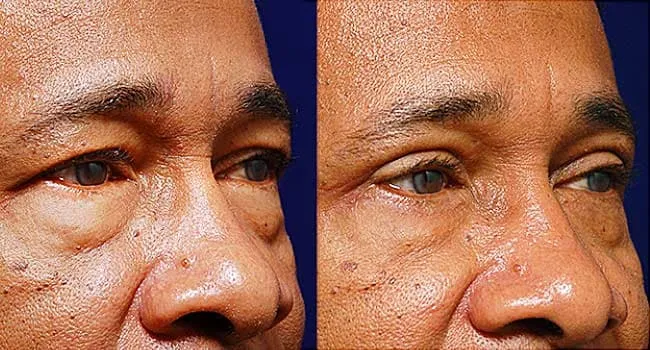
Plastic surgery for men is no longer treated like some hush-hush locker-room secret. It has moved into the mainstream, and not just because social media keeps shoving everyone’s pores into 4K. Men are seeking cosmetic procedures for many reasons: they want to look less tired, fix a feature that has bothered them for years, address weight-loss-related loose skin, or correct a condition like gynecomastia that exercise cannot solve. The modern conversation is less about vanity and more about confidence, comfort, and matching the mirror to how a person already feels inside.
Still, the topic deserves a grown-up discussion. Plastic surgery is real surgery. It comes with recovery, cost, risk, and the occasional rude awakening that a “quick tweak” is not always quick and rarely magical. The best approach is informed, realistic, and honest. For men considering a procedure, the goal should not be perfection. It should be improvement that still looks like you, only more rested, more proportional, or less distracted by something that has been bugging you for years.
Why More Men Are Considering Plastic Surgery
Recent U.S. procedure data show that men make up a meaningful share of both surgical and minimally invasive cosmetic treatments. In 2024 alone, men accounted for nearly 98,800 cosmetic surgical procedures reported by ASPS member surgeons. Male liposuction exceeded 21,000 procedures, male eyelid surgery topped 15,000, rhinoplasty passed 7,000, and facelift procedures for men came in above 5,800. Male breast reduction for gynecomastia remained especially notable, with 26,430 procedures. That number tells a simple story: men are not just dabbling around the edges. They are participating in aesthetic medicine in a real, measurable way.
Facial plastic surgeons are seeing the same shift. AAFPRS survey findings show that the overwhelming majority of facial plastic surgeons treat male patients, with blepharoplasty, rhinoplasty, and facelifts ranking among the most common surgeries for men. Hair transplantation also stands out, partly because male-pattern hair loss remains one of the most emotionally charged appearance issues men face. When hair starts exiting the chat early, many men decide to intervene.
What is driving demand? A few factors keep showing up. First, appearance standards at work and online feel more intense than ever. Second, men are more comfortable talking about self-care without acting like they are confessing to a felony. Third, procedures have become more tailored. Today’s surgeons are generally not trying to give men smaller, softer, or overly “done” features. The focus is usually a cleaner jawline, a flatter chest, a better-rested eye area, or a nose that works better and fits the face more naturally.
Gynecomastia: The Procedure Men Ask About Most Quietly
If there is one topic that many men care about but rarely announce with jazz hands, it is gynecomastia. Gynecomastia is the enlargement of male breast gland tissue, not just extra fat. That distinction matters. True gynecomastia is different from pseudogynecomastia, which is chest fullness caused mainly by fat. A man can do every push-up known to civilization and still have glandular breast tissue that does not go away.
Symptoms and Common Causes
Gynecomastia may affect one or both sides of the chest, and it can appear unevenly. Some men notice tenderness, puffiness around the nipple, or a firmer mound of tissue beneath the areola. Hormone imbalance is a common driver, especially changes in the balance between testosterone and estrogen. It can appear during puberty, older adulthood, or alongside obesity. It may also be linked to medications, anabolic steroids, certain substances, liver disease, kidney disease, thyroid problems, tumors, or low testosterone.
This is why any article on male plastic surgery should wave a giant, sensible flag here: not all chest enlargement in men is purely cosmetic. It can be medical. Persistent or sudden breast enlargement, breast pain, nipple discharge, or a firm one-sided lump deserves evaluation. Male breast cancer is uncommon, but “uncommon” is not the same as “impossible,” and your chest should not be diagnosed by a group chat.
How Doctors Diagnose It
Diagnosis usually begins with a medical history and physical exam. Doctors may review medications, supplement use, alcohol or drug exposure, weight changes, and symptoms suggesting an endocrine or systemic issue. Depending on the case, testing may include hormone studies, liver function tests, imaging such as mammography, or, rarely, biopsy. In other words, a good evaluation tries to answer a basic question before anyone schedules surgery: what exactly is causing the problem?
Treatment Options
Treatment depends on the cause and how long the problem has been present. Some cases improve on their own, especially in adolescence. Others improve when an underlying medication or medical condition is addressed. When gynecomastia persists and causes physical or emotional discomfort, surgery may be appropriate. The surgical approach can include liposuction, excision of glandular tissue, or a combination of both. If there is extra skin, that may need to be addressed too.
Male breast reduction tends to be one of the most satisfying procedures for the right candidate because the goal is so specific: reduce fullness, restore chest contour, and make clothing fit normally again. The right candidate is usually someone whose condition has stabilized, whose weight is reasonably steady, and who understands that surgery improves shape but does not suspend the laws of biology. Major future weight changes can still affect the chest.
Other Common Plastic Surgery Procedures for Men
Liposuction
Liposuction remains one of the most common cosmetic surgeries for men. It is typically used on areas like the abdomen, flanks, chest, chin, and neck. The important fine print: liposuction is not a weight-loss procedure. It is a body-contouring tool for stubborn fat pockets that do not respond well to diet and exercise. Men often like it because it can sharpen the outline of the waist, improve the chest, or clean up the neck and jaw area. Men often hate it because compression garments are not exactly a fashion statement.
Blepharoplasty
Eyelid surgery is popular among men who feel that their eyes make them look tired, heavy, or older than they feel. In some cases, excess upper eyelid skin can even interfere with vision. A well-done blepharoplasty is often subtle. It does not make someone look like a different person; it makes them look as if they finally got eight hours of sleep and maybe stopped answering emails at 1 a.m.
Rhinoplasty
Rhinoplasty is common among men seeking better facial balance, correction after injury, or relief from breathing problems. That combination matters because some nasal procedures can address cosmetic concerns and airway issues at the same time. For many men, the goal is not a smaller or more delicate nose. It is a straighter profile, a refined tip, or better symmetry that still preserves masculine proportions.
Facelift and Neck Lift
Facelifts and neck lifts for men are designed around a different aesthetic target than many people assume. The aim is often to reduce jowling, tighten the neck, and soften deep folds while keeping the face strong and natural. Surgeons also have to think carefully about beard growth patterns, hairlines, and scar placement. A male facelift should not look “tight.” It should look refreshed, as though life got slightly less exhausting.
Hair Transplantation
Hair transplantation is especially relevant for men because hair loss can hit confidence hard and early. Modern techniques can create more natural density and hairline design than older methods, but this procedure still requires patience. Hair loss often continues over time, and some men need more than one surgery or ongoing medical therapy. A transplant is not a time machine. It is more like strategic landscaping.
What Makes Plastic Surgery for Men Different?
Male plastic surgery is not just female plastic surgery with a different waiting room playlist. Men usually have thicker skin, heavier facial tissues, different fat distribution, stronger bony structure, and different aesthetic goals. The desired result is often sharper rather than softer, less puffy rather than more sculpted, and natural rather than obviously altered.
That means surgical planning matters. Around the eyes, surgeons want to reduce heaviness without hollowing the face. Around the jaw and neck, they aim for structure without creating an artificial, overpulled look. On the chest, they want to flatten fullness without leaving a contour that looks scooped out or unnatural. On the nose, they usually preserve strength and projection rather than chasing a generic ideal.
This is also why choosing a surgeon with real experience treating male anatomy matters. A technically successful operation can still be aesthetically wrong if it ignores how men typically want to look. No one wants to wake up from surgery thinking, “Well, that is certainly a face.”
Risks, Recovery, and Realistic Expectations
Every cosmetic procedure comes with risks. Depending on the operation, these may include bleeding, infection, anesthesia complications, scarring, contour irregularities, dry eyes, trouble closing the eyelids, temporary swelling or numbness, need for revision surgery, and disappointment if goals were unrealistic from the start. Implant-based procedures have their own longer-term considerations, and any surgery done in the wrong hands or the wrong setting can become far riskier.
Recovery varies. Liposuction often involves swelling, bruising, soreness, and time in a compression garment. Eyelid surgery may cause dryness, bruising, and a temporarily dramatic “I definitely should not be at brunch today” appearance. Facelift recovery takes weeks, not days, and final results refine over months. Rhinoplasty can look worse before it looks better because swelling, especially at the nasal tip, is famously stubborn. Hair transplantation demands patience, too, because transplanted hairs may shed before regrowth starts.
Realistic expectations are the quiet hero of good outcomes. Cosmetic surgery can improve proportions, contour, and signs of aging, but it cannot fix a failing relationship, replace therapy, or convert you into a movie star with a different bone structure. The best candidates are usually healthy, psychologically stable, nonsmoking or willing to stop, and clear about what bothers them and what surgery can realistically achieve.
How to Decide Whether Surgery Is Actually Right for You
Before considering plastic surgery, it helps to ask a few blunt questions. Is this concern stable, or am I reacting to a bad photo and a worse mood? Have I addressed medical causes first, especially with issues like gynecomastia or nasal obstruction? Is my weight reasonably stable? Can I take recovery seriously, or am I pretending I will be “back to normal tomorrow” because optimism is free?
It is also smart to choose a board-certified plastic surgeon or a properly credentialed facial plastic surgeon, depending on the procedure, and to make sure surgery is performed in an accredited facility. During consultation, ask what the likely scars will be, what the downtime looks like, what complications are most relevant for your case, and how often the surgeon performs that procedure on male patients. Ask to see before-and-after photos of men, not just a general gallery.
Mental health matters too. If appearance concerns feel obsessive, distort daily life, or never seem satisfied no matter what changes are made, cosmetic surgery may not be the first answer. Screening for body dysmorphic disorder and related issues is important because surgery cannot reliably solve a perception problem. That is not a judgment. It is protection.
One more point worth saying clearly: adolescent and very young patients require extra caution. Bodies are still developing, and motivations can be shaped heavily by peer pressure, online comparison, or temporary distress. Elective cosmetic surgery should never be treated like a casual fix for normal insecurity.
Final Thoughts
Plastic surgery for men is neither a punchline nor a miracle. It is a set of medical procedures that can be helpful, worthwhile, and confidence-building when chosen thoughtfully and performed for the right reasons. The most common goals are pretty practical: a flatter chest, a more defined neck, a less tired face, a nose that works better, or hair where hair used to be. Nothing mystical. Just targeted changes that may help someone feel more comfortable in their own skin.
The smartest approach is balanced: rule out medical causes, choose an experienced surgeon, understand the risks, and aim for improvement instead of fantasy. When done well, male plastic surgery should not announce itself from across the room. It should simply remove a distraction, restore proportion, and let the person, rather than the insecurity, take center stage.
Common Experiences Men Describe Around Plastic Surgery
Men who go through cosmetic surgery often describe the process in ways that are more practical than glamorous. The consultation phase is usually the first surprise. Many expect a hard sell and instead find themselves in a medical conversation about anatomy, healing, photographs, and whether their expectations make sense. A man seeking gynecomastia surgery may walk in saying, “I just want this off my chest,” and leave realizing that the real discussion includes hormones, medications, weight stability, scar placement, and whether the issue is gland, fat, or both.
Before surgery, a common emotional mix is relief and anxiety. Relief comes from finally addressing something that has bothered them for years. Anxiety shows up right on schedule the moment pre-op instructions arrive and the reality of surgery stops being theoretical. Men often say they did not expect how oddly emotional it feels to choose a cosmetic procedure, especially if they spent years pretending the issue did not matter. Many also mention that they told very few people. Some share only with a partner or close friend. Others call it “having a procedure” and leave it there, which is one way to keep the family group text from becoming a circus.
Recovery tends to be the humbling chapter. Even when pain is manageable, swelling, bruising, drains, compression garments, sleeping on the back, and activity restrictions can test anyone’s patience. Men who have chest contouring or liposuction often say the first week feels less dramatic than expected physically but more annoying than expected logistically. Getting dressed becomes strategy. Reaching for things becomes a negotiation. Looking in the mirror too early becomes an advanced course in unnecessary panic. Swelling can make people wonder whether they made a mistake, and then, gradually, the result starts revealing itself.
Another common experience is the disconnect between what the patient feels and what other people notice. Men often expect the whole world to clock their procedure immediately. In reality, friends may say, “You look good,” “Did you lose weight?” or “You seem more rested,” without identifying why. For many patients, that is the ideal outcome. They wanted improvement, not a neon sign.
Long term, men frequently describe satisfaction in very ordinary moments: putting on a fitted T-shirt without thinking about their chest, seeing a sharper jawline in photos, opening their eyes fully without heavy upper lids, or getting a haircut without fixating on thinning hair. The emotional impact is often less about looking “perfect” and more about no longer planning outfits, camera angles, or daily routines around one feature. That may be the most realistic description of successful plastic surgery for men: not a brand-new identity, but one less thing to hide.