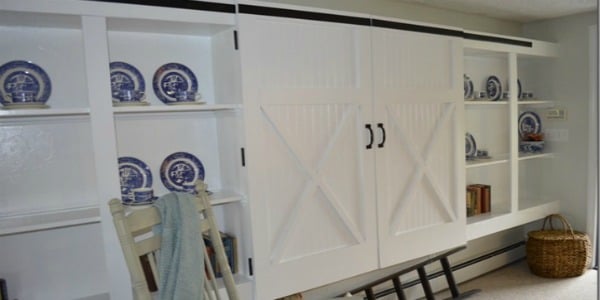
If you love the cozy look of modern farmhouse style but still want your home to function like a well-organized command center, a barn door cabinet might be your new best friend. Think of it as the perfect mash-up between rustic charm and smart storage: sliding barn doors hide the mess, while open shelves let your prettiest pieces shine. No wonder barn door cabinets are showing up everywhere, from bathrooms and entryways to coffee bars and TV consoles.
Inspired by the DIY spirit of Remodelaholic-style projects, this guide walks you through what a barn door cabinet is, where to use it, what to consider before building or buying, and how to style and maintain it so it actually makes your home easier to live innot just prettier on Instagram.
What Is a Barn Door Cabinet, Exactly?
A barn door cabinet is any storage cabinet that uses one or more sliding barn doors on a track instead of traditional swing-out doors. The look nods to classic barn doorsusually with a rustic X or Z pattern, visible hardware, and a slightly weathered finishbut you can find (or build) versions that are minimalist, modern, coastal, or industrial.
Key Features of a Barn Door Cabinet
- Sliding hardware: Doors glide along a track instead of swinging into the room, which is great for tight spaces.
- Flexible storage: Open shelves on one side, hidden shelves on the other, or drawers plus cabinet spacethere are endless layouts.
- Statement style: The door design and hardware instantly become a focal point in any room.
- Farmhouse feel: Even if the rest of your home is fairly simple, a sliding barn door cabinet adds warmth and texture.
Retailers and DIY builders alike have jumped on the sliding barn door cabinet trend because it solves a real problem: we need more storage, but we also want it to look intentional and stylish, not like a sad utility shelf shoved in a corner.
Why Barn Door Cabinets Are So Popular Right Now
1. They Save Space in Small Rooms
Traditional cabinet doors swing out into the room, which can block walkways or hit nearby furniture. A sliding barn door cabinet glides along its track, so you don’t need clearance in front. That makes it perfect for:
- Narrow bathrooms that still need towel and toiletry storage
- Small entryways where every inch counts
- Hallways that need a little extra linen or cleaning supply space
2. They Hide the Clutter, Show the Pretty
A lot of popular designs offer a mix of hidden storage and open display. One side can hide toilet paper, cleaning products, game controllers, or kids’ craft supplies. The other side lets you show off framed photos, plants, baskets, cookbooks, or pretty dishes. Slide the barn door to whichever side you don’t want guests to see. It’s like magicdecorating magic.
3. They Play Well With Multiple Styles
Even though “barn door” sounds super rustic, sliding barn door cabinets are now designed for all kinds of interiors:
- Modern farmhouse: Distressed white or gray finish, black hardware, X-pattern doors.
- Industrial: Dark wood, metal frames, chunky hardware.
- Coastal: Light oak or whitewashed finishes, simple plank doors.
- Transitional: Cleaner lines, less distressing, subtle metal accents.
Where to Use a Barn Door Cabinet in Your Home
1. Bathroom Barn Door Cabinet
A sliding barn door bathroom cabinet can be wall-mounted above the toilet or freestanding on the floor. It’s ideal for storing:
- Extra toilet paper and tissues
- Towels and washcloths
- Everyday toiletries, hair tools, and backup shampoo
Slide the barn door over the “real life” stuff and leave a shelf open for a candle, small plant, or a framed print. You get both function and spa vibes without adding a clunky armoire.
2. Kitchen or Dining Room Coffee Bar
One of the trendiest uses for a barn door cabinet is a coffee bar or beverage station. A low sideboard-style sliding barn door cabinet can hold:
- Coffee maker, mugs, and beans
- Tea tins, syrups, and filters
- Small appliances like blenders or toasters
Open shelves on one side show off pretty mugs and canisters, while the barn door hides the less attractive stuff (yes, I’m looking at you, giant bulk bag of coffee). Add floating shelves above and you’ve got a complete coffee corner.
3. Living Room or Media Console
A wider barn door cabinet can double as a media console. The sliding doors hide cable boxes, controllers, board games, and extra blankets. The open section works for a soundbar, a couple of baskets, or decor. Because the doors slide, you can keep devices accessible without having cabinet doors swinging into your knees every time you sit down.
4. Entryway, Mudroom, or Hallway
In an entryway, a tall barn door storage cabinet can handle shoes, bags, scarves, dog leashes, and seasonal gear. In a hallway, a slimmer version can replace a traditional linen closet, holding sheets, towels, and extra toiletries. The sliding barn door keeps everything tucked away but easy to reach.
DIY vs. Store-Bought Barn Door Cabinets
When Buying Makes Sense
If you don’t own many tools, are short on time, or want a more polished furniture look, buying a ready-made farmhouse barn door cabinet is often the easiest route. Many big-box retailers and online furniture stores sell sliding barn door storage cabinets in different sizes and finishes, with adjustable shelves and metal hardware included.
Pros of store-bought barn door cabinets:
- No need to design your own plans
- Predictable dimensions and finishes
- Assembly usually only takes a few hours
- Great if you want matching pieces like a bookcase, desk, or TV stand
When a DIY Barn Door Cabinet Shines
If you love the Remodelaholic style of rolling up your sleeves and building something custom, a DIY barn door cabinet gives you full control. You can:
- Customize the width, height, and depth to fit your specific wall
- Choose the exact number of shelves and drawers
- Use reclaimed wood or leftover lumber to save money
- Match the stain and paint perfectly to your existing trim or furniture
DIY is especially helpful in odd spaces: narrow bathrooms, sloped ceilings, between two windows, or above a toilet. You can build the cabinet to the inch so it looks intentional, not like an afterthought.
Key Design Decisions for a Barn Door Cabinet
1. Wall Cabinet vs. Freestanding Cabinet
Wall-mounted barn door cabinets are great above toilets, in small bathrooms, or in narrow kitchens where floor space is precious. They should be anchored securely into studs or with heavy-duty anchors because the sliding barn door hardware and contents add weight.
Freestanding barn door cabinets act more like furniture. They’re perfect in living rooms, dining rooms, and entryways. Taller cabinets should still be anchored to the wall to prevent tipping, especially if you have kids or pets.
2. One Sliding Door or Two?
- Single sliding barn door: Slides back and forth across the front of the cabinet, revealing one side at a time. Good for smaller cabinets and more casual spaces.
- Double sliding doors: Two doors that meet in the middle and slide outward. Great for wider furniture pieces where you might need to access more of the cabinet at once.
3. Finish and Style
For a classic barn door look, you might choose:
- White or off-white painted cabinet with light distressing
- Gray wash or weathered oak stain
- Black or oil-rubbed bronze metal hardware
For a more modern spin, you might favor:
- Smooth, flat-panel doors without X or Z trim
- Matte black or brushed gold hardware
- Neutral stains like walnut or natural oak
4. Interior Storage Layout
Before you build or buy, ask: What exactly will live in this sliding barn door cabinet?
- Storing tall bottles or cleaning products? You’ll want at least one tall compartment.
- Needing to stack towels or linens? Aim for deeper, adjustable shelves.
- Stashing small items like makeup, medicines, craft supplies, or tools? Consider drawers or baskets inside the cabinet.
Simple Step-by-Step Overview for a DIY Barn Door Cabinet
Every plan will be a little different, but most DIY barn door cabinet projects follow a similar flow. Here’s a high-level overview if you’re channeling your inner Remodelaholic and building from scratch:
1. Plan and Measure
- Measure your wall space and decide the cabinet’s final width, height, and depth.
- Sketch the front view so you can see where the barn door will slide and how many shelves you want.
2. Build the Cabinet Box
- Cut plywood or MDF for the top, bottom, sides, and fixed shelves.
- Assemble with wood glue and screws or pocket-hole joinery for a strong, clean joint.
- Add a back panel (often thin plywood) for rigidity.
3. Add the Face Frame and Trim
- Use 1×2 or 1×3 boards to build a face frame around the front edges.
- Attach with glue and nails or screws, keeping everything flush and square.
- For a more built-in look, add side trim or crown molding at the top.
4. Build the Barn Door
- Cut a solid door panel to overlap the cabinet opening.
- Add X, Z, or simple plank-style trim on top for the barn-door look.
- Sand all edges so the door slides smoothly and doesn’t catch.
5. Install the Sliding Barn Door Hardware
- Mount the track above the cabinet, making sure it hits studs or heavy-duty anchors.
- Attach hangers (rollers) to the barn door.
- Hang the door on the track and test the movement. Adjust until it glides smoothly.
- Add door stops and a floor guide or bottom stay to prevent swinging.
6. Finish and Style
- Fill nail holes, sand, then paint or stain.
- Attach handles or pulls to the barn door.
- Style your shelves with a mix of baskets, jars, folded linens, books, and decor.
Common Mistakes to Avoid with Barn Door Cabinets
1. Forgetting to Check Clearances
Before you install the track, make sure the door will have room to slide fully to one side. Watch for light switches, outlets, trim, and nearby walls or furniture. A sliding barn door cabinet that can’t fully open is like a closet you can only half usefrustrating.
2. Skipping Wall Anchors
Sliding barn door hardware plus the cabinet’s contents add weight and motion. For wall-mounted cabinets, always secure into studs or use anchors rated for more than the total expected weight. For tall freestanding cabinets, anti-tip brackets are a must.
3. Over-Decorating the Open Shelves
It’s tempting to go wild with decor, but open shelves in a barn door cabinet work best when they’re functional first, decorative second. Mix practical items (like folded towels or canisters) with a few styled pieces (plants, framed art, or a small sculpture). If every inch is packed, the cabinet can look cluttered instead of curated.
Maintenance and Long-Term Care
A barn door cabinet is relatively low maintenance, but a few small habits will keep it looking and working great:
- Dust and wipe down hardware: Sliding tracks can collect dust; wipe them occasionally so the door glides smoothly.
- Tighten screws: Check door hangers and track screws once or twice a year.
- Clean painted and stained surfaces: Use a soft cloth and gentle cleaner to avoid stripping the finish.
- Re-level if needed: If the door starts to roll on its own, adjust the hangers or shims to correct any tilt.
Real-Life Experiences with Barn Door Cabinets (500+ Words)
When people talk about barn door cabinets, they’re not only talking about stylethey’re usually talking about solving a real storage headache. Here are some lived-in, Remodelaholic-style experiences and lessons that tend to come up once a sliding barn door cabinet becomes part of everyday life.
The Bathroom Storage Miracle
One of the most common “wow, why didn’t we do this sooner?” stories happens in small bathrooms. Picture a basic builder-grade bathroom: pedestal sink, no vanity storage, tiny mirror, and nowhere to put extra toilet paper except on the floor behind the toilet. Installing a barn door wall cabinet above the toilet often feels like gaining a whole closet in a few inches of wall depth.
Homeowners who’ve added a barn door bathroom cabinet often report that their morning routines got smoother almost overnight. Instead of rifling through random baskets on the floor or cramming everything under the sink, they can divide shelves by task: one shelf for backup toiletries, one for everyday essentials in small bins, one for washcloths and extra towels. The sliding barn door keeps the less-pretty items hidden while the open shelf holds a candle, a plant, and maybe a cute sign. The space feels intentional, not chaotic.
The Coffee Bar That Became a Social Hub
Another popular real-life use is turning a barn door sideboard into a coffee bar. In many homes, a basic blank wall in the dining room or kitchen becomes a warm, welcoming station for caffeine and conversation. The top of the cabinet holds a coffee maker, mugs on a tray, and a small jar of spoons. Inside the barn door cabinet, people stash extra coffee, tea, syrups, filters, and mismatched mugs that don’t need to be on display.
Friends and family quickly learn where everything lives. Because the door slides, nobody is trying to dodge swinging cabinet doors while making coffee in a tight space before work. And when company comes over, it’s easy to slide the barn door shut over whatever’s messy and keep the visible side styled and tidy. Many homeowners say this is the project that finally convinced them that form and function really can coexist.
Kids, Pets, and Real-Life Durability
If you’re wondering whether a sliding barn door cabinet can survive kids and pets, the short answer is yeswith a little planning. Parents often choose barn door cabinets specifically because they don’t want doors swinging into tiny bodies racing through the house. The sliding action is safer in narrow halls and shared spaces.
That said, real-life experience teaches a few small tweaks: set the door stops so the barn door can’t slam into the wall, choose sturdy hardware (cheap tracks can wobble or squeak), and consider a soft-close or dampening kit if little hands like to slide doors aggressively. Many families also add baskets inside to corral toys or art supplies so the cabinet stays functional, not just a black hole for random stuff.
The “Custom Look on a Budget” Win
DIYers who’ve built their own barn door cabinets often talk about how satisfying it is to recreate the look of high-end farmhouse furniture for a fraction of the price. With basic tools and free or low-cost plans, you can build a sliding barn door wall cabinet or freestanding unit that fits your exact space.
For example, someone might take leftover plywood from a previous project, add a simple face frame, and use an affordable barn door hardware kit. A couple of evenings of cutting, sanding, and painting later, they’ve got a custom farmhouse storage cabinet that looks like it came from a specialty catalogbut it cost a fraction of the retail version. That “I built this” factor is huge, especially in spaces like laundry rooms and mudrooms that don’t usually get priority in the decorating budget.
Lessons Learned After Living With a Barn Door Cabinet
After months or years of daily use, certain patterns show up:
- People wish they’d gone a little wider: Extra inches of width give the barn door more room to slide and create more usable shelf space.
- Adjustable shelves are worth it: Storage needs changewhat starts as a towel cabinet might become a toy or craft cabinet later. Adjustable shelves make the piece more flexible.
- Neutral finishes age well: White, gray, and natural wood barn door cabinets tend to outlast short-lived color trends and work with new decor as styles evolve.
- Wall anchors and hardware quality matter: The more the door is used, the more you appreciate strong hardware, secure mounting, and solid construction.
Overall, the long-term experience of living with a barn door cabinet is overwhelmingly positive. Whether it’s a DIY barn door cabinet inspired by Remodelaholic tutorials or a ready-made coastal farmhouse sliding cabinet from a big retailer, homeowners consistently report the same two benefits: their rooms look better, and the storage actually gets used. That’s the sweet spot where good design lives.
Conclusion
A barn door cabinet is more than a Pinterest-worthy trend. It’s a truly practical piece that solves real storage challenges while adding texture, warmth, and personality to your home. Whether you buy a sliding barn door cabinet off the shelf or build your own Remodelaholic-style version, you’ll get a smart mix of hidden storage and open display that works just as hard as it looks good.
From tiny bathrooms to busy entryways and cozy coffee bars, barn door cabinets prove that functional storage doesn’t have to look like a compromise. With thoughtful planning, solid hardware, and a style that fits your home, your barn door cabinet can be one of those rare upgrades that feels both beautiful and genuinely useful every single day.
SEO Summary