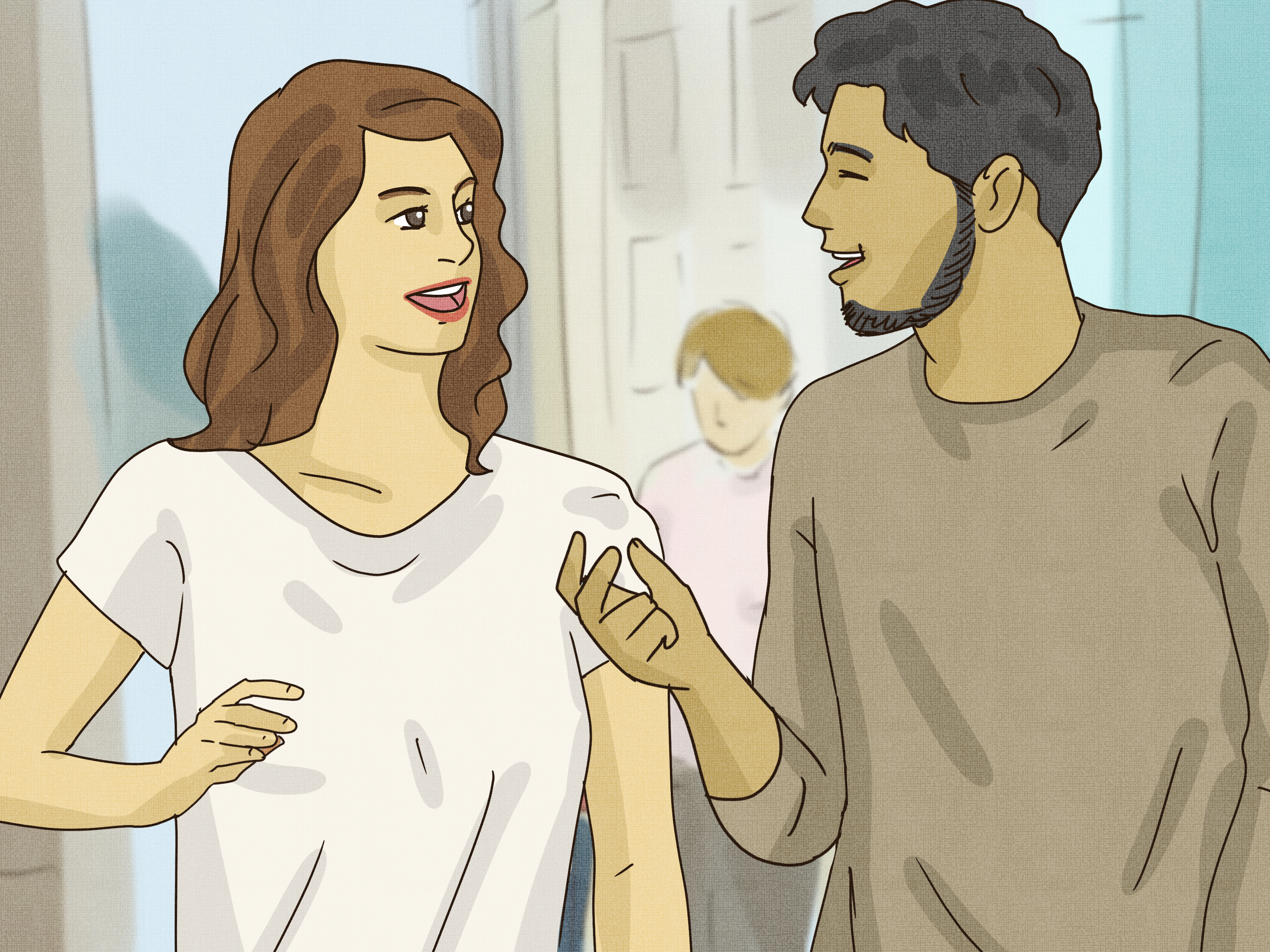
Mutual attraction is one of life’s most thrilling mysteries. It can make a coffee run feel like a movie scene, turn a simple “Hey” into a full emotional weather event, and convince otherwise reasonable adults to reread a text message 14 times like it’s a legal contract. But here’s the tricky part: attraction is rarely announced with a marching band. Most of the time, it shows up in small signalseye contact, body language, warmth, attention, nervous laughter, and the unmistakable feeling that the air between two people has become suspiciously sparkly.
Still, signs of mutual attraction are not magic proof. People can be friendly, shy, anxious, distracted, culturally different, or simply having a good hair day. The best way to know if someone feels it too is still honest, respectful communication. But before you launch into a grand romantic speech in the grocery aisle, it helps to understand the patterns that often appear when attraction goes both ways.
This guide breaks down seven common signs of mutual attraction, how to read them in context, and what to do when the chemistry feels real but your confidence is hiding under the couch.
What Is Mutual Attraction?
Mutual attraction happens when two people feel drawn to each other at the same time. It may be physical, emotional, romantic, intellectual, or some deliciously confusing blend of all four. Sometimes it starts with appearance, but lasting attraction usually grows through connection: feeling seen, enjoying conversation, sharing humor, sensing safety, and wanting to spend more time together.
In relationship psychology, attraction often involves both nonverbal and verbal communication. Body language can reveal interest before words do, while conversation shows whether the connection has substance. One flirty glance may spark curiosity, but repeated warmth, effort, respect, and emotional presence are what make mutual attraction easier to recognize.
7 Signs of Mutual Attraction
1. The Eye Contact Feels Different
Eye contact is one of the strongest signs of attraction because it creates a direct sense of attention. When someone is attracted to you, they may hold your gaze slightly longer than usual, look away with a smile, then look back again. That tiny “look, look away, look again” pattern can feel like a silent conversation with subtitles only your nervous system can read.
Mutual attraction often includes comfortable eye contact rather than staring that feels intense or awkward. The difference matters. A warm gaze says, “I’m interested.” A frozen, unblinking stare says, “I may be a haunted portrait.” Attraction usually feels energizing, not threatening.
Look for a cluster of signals. Do they meet your eyes while smiling? Do they keep looking for you in a room? Do they glance at you when something funny happens, as if your reaction is the one they care about most? If you catch each other’s eyes repeatedly and both of you seem pleased rather than uncomfortable, that may be a strong sign of mutual chemistry.
2. Their Body Naturally Turns Toward You
Body language can say a lot before anyone says a single brave word. When people feel attraction, they often orient their body toward the person they like. Their shoulders face you. Their feet point in your direction. They lean in slightly when you talk. They reduce physical distance when it feels socially appropriate.
This does not mean someone must be inches from your face to be interested. Please do not measure attraction with a ruler. Personal space varies by culture, personality, setting, and comfort level. But in general, people tend to move closer to what they like and pull away from what they do not.
For example, at a party, someone who keeps turning back to you even when others join the conversation may be signaling interest. During a group lunch, a person who angles their chair toward you, laughs in your direction, and keeps finding ways to restart the conversation may be showing that your presence matters to them.
The key is reciprocity. If both of you lean in, face each other, and seem relaxed in the same shared space, the attraction may be mutual. If one person keeps stepping back, crossing their arms tightly, or looking for an exit, give them space. Attraction should feel like a welcome invitation, not a game of emotional chase.
3. You Mirror Each Other Without Trying
Mirroring is when two people unconsciously copy each other’s movements, expressions, tone, or rhythm. You take a sip; they take a sip. They lean on the table; you do the same. You both start speaking in similar energy, using similar phrases, or matching each other’s pace. It can look tiny, but it often reflects rapport.
When attraction is mutual, mirroring may happen naturally because both people are tuned in. It is the body’s way of saying, “We are on the same wavelength.” You may notice that conversations develop a rhythm. Pauses feel comfortable. Jokes land easily. Even silence feels less like a technical difficulty and more like a shared moment.
Mirroring is not a trick to force chemistry. Deliberately copying someone’s every move can get weird fast. If they scratch their eyebrow and you immediately scratch yours, then they cross their legs and you cross yours, congratulationsyou are no longer flirting; you are auditioning as their reflection. Natural mirroring is subtle and relaxed.
If you notice that both of you are matching smiles, gestures, posture, or conversational energy, it may suggest mutual comfort and attraction.
4. Conversation Flowsand Both People Keep It Going
One of the clearest signs of mutual attraction is not just how someone looks at you, but how they talks with you. When attraction is mutual, conversation tends to feel alive. Both people ask questions. Both share stories. Both seem curious. There is an easy back-and-forth instead of one person doing all the emotional cardio.
Someone who is interested may remember details you mentioned earlier: your dog’s name, your favorite coffee order, your upcoming interview, or the fact that you hate cilantro with the passion of a Shakespearean villain. Remembering details shows attention, and attention is often attraction wearing practical shoes.
Another sign is effort. Do they find reasons to continue the conversation? Do they send a follow-up message about something you discussed? Do they ask your opinion when they could easily ask someone else? Do they seem genuinely engaged rather than politely waiting for their turn to leave?
Mutual attraction usually includes balanced energy. You do not feel like you are dragging the conversation uphill in flip-flops. Instead, both people contribute. Both laugh. Both ask. Both reveal just enough to create connection while still leaving a little mystery, because romance enjoys having good lighting and a plot.
5. There Is Playful Tension and Shared Laughter
Humor is a powerful attraction signal. When two people like each other, they often become playful. They tease gently, create inside jokes, exchange witty comments, or laugh at things that may not be quite as funny to everyone else. Suddenly, a mildly amusing comment becomes hilarious because it came from them. Science may call this social bonding. Your friends may call it “obvious.”
Playful tension is that charged feeling when the conversation has a little sparkle. It is not mean, manipulative, or disrespectful. Healthy flirtation feels light, mutual, and safe. Both people are enjoying it. Nobody is being put down. Nobody is confused about whether the joke is actually an insult in a tiny hat.
Signs of playful mutual attraction can include laughing easily together, using callbacks to previous jokes, smiling when the other person enters the room, or creating little ritualslike always competing over trivia, always sharing dessert opinions, or always pretending to argue over which movie is objectively superior.
Shared laughter matters because it lowers tension and builds emotional comfort. When someone repeatedly seeks your smile and you seek theirs, there may be more happening than simple friendliness.
6. They Find Small Reasons to Be Near You or Connect
Mutual attraction often shows up through repeated bids for connection. These are small attempts to get your attention, share a moment, or create closeness. A person might sit near you when there are other seats available, message you about something that “reminded them of you,” offer help, share a song, send a meme, or ask if you are going to an event before deciding whether they will go too.
On their own, these gestures can be friendly. Together, repeated over time, they may suggest attraction. The pattern is important. One text about a funny video is not a wedding invitation. But consistent effort to connect, especially when paired with warmth, attention, and body language, can be a meaningful sign.
Notice whether the effort is mutual. Do you both initiate contact? Do you both seem happy when plans come together? Do they respond with enthusiasm rather than vague one-word replies? Mutual attraction usually has momentum. It does not feel like you are constantly pushing a shopping cart with one broken wheel.
A person who feels it too may not always be bold, especially if they are shy or cautious. But they will often create opportunities for connection in ways that feel thoughtful and personal.
7. Physical Touch Feels Natural, Respectful, and Reciprocated
Touch can be a sign of attraction, but it must be read carefully and respectfully. Some people are naturally touchy with friends; others avoid touch even when they are deeply interested. Culture, personality, comfort, trauma history, and setting all influence how people use physical contact.
That said, mutual attraction may include small, appropriate touches: a light touch on the arm during laughter, brushing shoulders while walking, a warm hug that lasts a little longer than expected, or sitting close enough that neither person seems eager to move away. The key word is “reciprocated.” If touch is welcome, both people seem comfortable. If one person stiffens, pulls away, or stops engaging, that is information. Respect it immediately.
Healthy attraction never requires pressure. In fact, respect makes attraction stronger. Asking, “Is this okay?” can be far more attractive than guessing wildly and hoping for cinematic background music. Consent is not awkward; it is clarity. And clarity is charming.
If small physical contact happens naturally, is met with warmth, and appears alongside other signseye contact, laughter, emotional attention, and effortit may suggest that the attraction is mutual.
How to Tell the Difference Between Friendliness and Attraction
The difference between friendliness and attraction usually comes down to pattern, intensity, and reciprocity. A friendly person may smile, ask questions, and enjoy your company. A person who is attracted may do those things while also showing a special kind of focus: they seek you out, remember personal details, become slightly nervous or extra playful around you, and create opportunities for one-on-one connection.
Look for clusters, not single signs. One smile means they are human. Repeated eye contact, warm body language, enthusiastic conversation, playful teasing, and consistent effort to spend time together may mean something more.
Also consider context. A coworker may be kind because professionalism requires it. A server may smile because customer service is part of the job. A friend may hug you because that is how your friend group operates. Attraction is best identified when the behavior is personal, repeated, and different from how they treat everyone else.
What to Do If You Think the Attraction Is Mutual
If the signs are lining up, take a calm step forward. You do not need to confess your feelings with the intensity of a reality show finale. Start with something simple and low-pressure.
You might say, “I really like talking with you. Would you want to grab coffee sometime?” Or, “I feel like we have a fun connection. Would you be interested in going out this weekend?” Clear, kind, and confident beats mysterious hints that require a detective board and red string.
If they say yes, wonderful. If they hesitate or decline, respect the answer. Disappointment is normal, but pressure is not romantic. The right person will not need to be cornered into curiosity.
When Attraction Signs Are Mixed
Mixed signals are common because people are complicated. Someone may be attracted but unavailable. They may enjoy flirting but not want a relationship. They may be shy, cautious, healing from a breakup, or unsure what they feel. They may also simply enjoy attention, which is not the same as genuine romantic interest.
If you feel confused, watch behavior over time. Consistency matters. Someone who likes you but is nervous may still show kindness, respect, and effort. Someone who enjoys keeping you guessing may create emotional whiplash. Attraction should not require you to become a full-time analyst of punctuation, response times, and emoji placement.
When in doubt, choose direct communication. A gentle question can save weeks of guessing. Try, “I enjoy spending time with you, and I’m sensing there might be something here. Am I reading that right?” It is honest without being dramatic, and it gives the other person room to respond.
Real-Life Experiences: What Mutual Attraction Often Feels Like
Mutual attraction often feels less like fireworks and more like recognition. You notice that conversations with this person have a different texture. You are not performing. You are not forcing cleverness. You are simply more awake. Their attention makes you feel interesting, and your attention seems to do the same for them.
Imagine meeting someone at a friend’s birthday dinner. At first, it is casual. You exchange names, make a joke about the tiny appetizer that looks like it was designed for a fashionable squirrel, and move on. Later, you notice they keep returning to your side of the table. When the group laughs, they glance at you. When you speak, they listen closely instead of scanning the room. You mention a book you are reading, and 20 minutes later they bring it up again. The evening ends, but the conversation keeps finding new doors. That is often how mutual attraction begins: not with one giant signal, but with a series of small green lights.
Or picture a workplace crush, which requires extra caution and maturity. You and a colleague may have easy chemistry in meetings. They smile when you contribute, remember your coffee order, and linger after group conversations. Still, because professional boundaries matter, the smartest move is not to assume. In situations like work, mutual respect is more important than romantic possibility. If there is genuine interest, it should be handled outside power imbalances, with clarity, discretion, and the understanding that “no” must be accepted without weirdness.
On a first date, mutual attraction may feel like time speeding up. You planned one drink and somehow talked for three hours. Neither of you keeps checking your phone. The conversation moves from favorite movies to childhood stories to the oddly emotional topic of breakfast foods. There is laughter, curiosity, and a little nervous energy. When the date ends, both people mention doing it againnot as a vague “sometime,” but with actual interest. That follow-through matters. Attraction becomes clearer when words and actions match.
Sometimes the experience is quieter. Two shy people may show attraction through consistency rather than bold flirting. They may text thoughtfully, ask gentle questions, or look delighted but slightly panicked when they see each other. In that case, the signs may be subtle: remembering details, making time, showing up, and slowly becoming more comfortable. Not every romance begins with sparkling banter. Some begin with careful kindness.
There are also moments when what feels like mutual attraction turns out to be one-sided. Maybe someone is warm with everyone. Maybe they enjoy flirting but do not want more. Maybe they like you as a friend. That can sting, but it is not failure. Reading attraction is imperfect because humans are not instruction manuals. The goal is not to decode someone flawlessly; it is to notice patterns, stay grounded, communicate respectfully, and protect your own emotional well-being.
The best experiences of mutual attraction have one thing in common: they feel safe as well as exciting. You do not feel pressured to become someone else. You do not feel constantly confused. You feel curious, energized, and respected. The chemistry may make your stomach flip, but the connection should still let your feet touch the ground.
Conclusion
Mutual attraction can be exciting, funny, nerve-racking, and wonderfully human. The clearest signs often include warm eye contact, open body language, natural mirroring, easy conversation, shared laughter, repeated efforts to connect, and respectful physical closeness. But no single sign can tell the whole story. The strongest clue is a consistent pattern of interest that feels mutual, comfortable, and respectful.
If you think someone feels it too, do not let fear trap you in endless guessing. Pay attention, move slowly, and communicate clearly. Attraction may start with chemistry, but healthy connection grows through honesty, kindness, and respect. In other words, butterflies are funbut emotional maturity is the real heartthrob.
Note: Attraction cues should always be interpreted in context. Respect, consent, and clear communication matter more than trying to “read” someone perfectly.