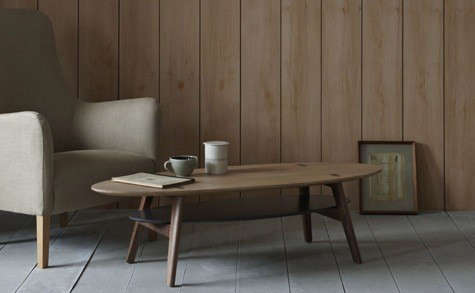
The Clement Coffee Table is the kind of furniture that quietly takes charge of a living room. It does not need flashing lights, a built-in espresso machine, or an app that tells you where you left the remote. With thoughtful proportions, substantial materials, and a design that can range from sculptural to storage-friendly, it earns attention the old-fashioned way: by looking exceptionally good while doing an actual job.
There is one important detail shoppers should know before falling in love with a product photo. “Clement Coffee Table” is not limited to one universal model. Several furniture makers use the Clement name for noticeably different designs. Depending on the manufacturer, it may be a large bespoke statement table, a handcrafted wooden table with drawers, an elliptical table with a lower shelf, or a contemporary piece featuring decorative metal and mirrored surfaces.
That variety is good news. It means the Clement Coffee Table can suit more than one type of home. The challenge is identifying which version fits your room, lifestyle, decorating style, and tolerance for wiping fingerprints off glossy finishes.
What Is a Clement Coffee Table?
The Clement Coffee Table is best understood as a family of premium living room tables rather than one standardized product. Across the available versions, several qualities appear repeatedly: a low profile, carefully balanced proportions, distinctive materials, and a design intended to anchor the seating area.
The Luxury Statement Version
One of the most dramatic interpretations comes from Jimeco’s Antonia Collection. This Clement Coffee Table measures approximately 60 inches long, 40 inches deep, and 16 inches high. Displayed finishes include satin surfaces, high-gloss charcoal goatskin, matte light goatskin, and bronze details. Bespoke dimensions and finishes may also be available, making this version closer to commissioned furniture than an ordinary add-to-cart table.
At 60 by 40 inches, this is not a shy little landing pad for one coffee mug. It is designed for a generous living room, a large sofa, or a conversational seating arrangement with chairs positioned on multiple sides. The low height keeps the substantial footprint from feeling excessively bulky.
The Traditional Storage Version
Another Clement Coffee Table is produced as an Amish-made storage piece with three enclosed drawers. This interpretation emphasizes organization and handcrafted construction rather than highly decorative surfaces. The drawers can hide remote controls, charging cables, coasters, game pieces, notebooks, and the mysterious collection of objects that every family somehow accumulates in the living room.
This model is particularly appealing for transitional, farmhouse, traditional, and family-focused interiors. Custom wood species, stain colors, hardware, and dimensions may be offered by made-to-order furniture workshops, allowing the table to coordinate with existing cabinetry or hardwood flooring.
The Elliptical Designer Version
A different Clement design features an elliptical oak top, walnut legs, and a lacquered lower shelf. Its listed dimensions are approximately 51 inches wide, 20 inches deep, and 14 inches high. The elongated shape provides useful surface area while preserving open circulation around the ends of the table.
This version demonstrates why oval coffee tables are so adaptable. They provide much of the usable space of a rectangle but remove the sharp corners that can interrupt movement. That is helpful in narrower rooms, households with young children, and living rooms where people regularly perform the awkward sideways shuffle between the sofa and the table.
Other Clement Interpretations
Additional tables sold under the Clement name include low solid-timber designs, sculptural tables with gold and dark finishes, and French-inspired models with acid-etched mirrored tops. Some mirrored versions incorporate a removable serving tray, combining decorative impact with practical entertaining space.
Because the name covers several products, never purchase based on the title alone. Confirm the manufacturer, dimensions, material specifications, finish, assembly requirements, shipping method, and return policy. Two tables with the same name can have about as much in common as two people named Clement at a family reunion.
Why the Clement Coffee Table Works
It Anchors the Seating Area
A sofa and chairs can look disconnected when there is nothing visually linking them. A well-scaled coffee table fills the center of the seating arrangement and creates a shared focal point. This makes the room feel intentional rather than resembling a furniture showroom five minutes before closing.
Large Clement models are especially effective in open-plan homes. Their substantial footprint helps define the living zone without adding walls or tall furniture that blocks sightlines.
It Balances Form and Function
The strongest Clement designs are attractive without forgetting that a coffee table must hold things. A beautiful table that cannot accommodate a drink, book, or snack plate is essentially a floor sculpture with commitment issues.
Storage versions provide drawers or shelves. Minimalist versions offer broad, uncluttered tops. Mirrored or tray-top versions support entertaining, while bespoke models can be adjusted for a particular sofa or room.
Its Low Profile Feels Relaxed
Many Clement Coffee Tables sit between roughly 14 and 16 inches high. A lower table creates a grounded, lounge-like atmosphere and works particularly well with contemporary sofas that have deep seats and low arms.
However, low does not automatically mean comfortable. The table should still relate to the sofa seat. Most design guides recommend choosing a coffee table that is approximately level with the sofa cushion or slightly lower. A difference of a few inches is usually comfortable; a dramatic mismatch can turn setting down a drink into an unnecessary stretching exercise.
How to Choose the Right Clement Coffee Table
Measure the Sofa First
A common guideline is to select a coffee table no longer than about two-thirds the length of the sofa. For example, a 90-inch sofa generally works well with a table measuring approximately 54 to 60 inches long. This creates visual balance without making the table look like a miniature dining platform.
The 60-inch bespoke Clement model can pair attractively with a long sofa, two facing sofas, or a sectional. In a compact apartment with a 70-inch loveseat, however, it could dominate the room and reduce circulation.
Protect Your Walking Space
Leave enough room between the sofa and table for legs, feet, and normal movement. Recommendations commonly range from approximately 14 to 18 inches. Fourteen inches creates a close, accessible arrangement, while 18 inches provides more breathing room for busy households.
Before ordering, mark the table’s full footprint on the floor with painter’s tape. Walk around it, sit on the sofa, open nearby cabinets, and pretend to carry a tray through the room. This simple test catches scale problems that are difficult to recognize from online photos.
Choose a Shape for the Room
Rectangular Clement tables suit long sofas and narrow seating areas. They provide generous surface space and visually reinforce the length of the room.
Oval or elliptical models soften rooms filled with straight architectural lines. They also improve circulation by eliminating corners.
Square versions work well inside the angle of an L-shaped sectional or in a large conversation area surrounded by seating.
Sculptural models introduce movement and personality into minimalist rooms. They are most successful when the surrounding furniture is relatively restrained. When the sofa, rug, chairs, lamps, curtains, and table are all shouting for attention, the result is less “collected interior” and more “furniture debate club.”
Match the Material to Daily Life
Solid wood is warm, versatile, and capable of developing attractive character over time. It can also show moisture rings, scratches, and heat damage when left unprotected.
Glass and mirrored surfaces make a table appear visually lighter, which can benefit a small living room. The trade-off is frequent cleaning, particularly in homes with children, pets, or enthusiastic snackers.
Metal details add contrast and durability. Bronze and brass finishes bring warmth, while blackened steel creates a more industrial effect.
Leather or goatskin finishes feel luxurious and unusual, but they require gentler treatment than an everyday wood surface. Confirm the maker’s care instructions before using cleaners, polishes, or conditioning products.
Stone and marble create an impressive focal point, but natural stone may stain or etch. Spills should be removed promptly, and acidic drinks deserve special caution. Lemon water may be refreshing, but marble does not share the enthusiasm.
Decorating Styles That Suit the Clement Coffee Table
Modern Organic
Pair a low wooden Clement table with a cream sofa, textured wool rug, linen curtains, ceramic lamps, and sculptural branches. Natural materials allow the grain of the table to become the visual centerpiece without making the room feel formal.
Contemporary Glam
A mirrored, lacquered, goatskin, or bronze-accented Clement Coffee Table works well with velvet upholstery, curved chairs, dramatic artwork, and restrained metallic accents. Repeat the bronze or gold tone once or twice elsewhere in the room, such as on a lamp or picture frame. Repeating it fifteen times may cause the room to resemble a very fashionable trophy cabinet.
Transitional
A wood table with drawers bridges traditional architecture and modern furnishings. Combine it with a tailored sofa, patterned armchairs, a neutral rug, and contemporary lighting. The result feels familiar but not frozen in a previous decade.
Minimalist
Choose the simplest low-profile model and let its proportions do the work. Use a restrained palette and keep the tabletop mostly clear. A single bowl, one stack of books, and a small plant may be enough.
Modern Farmhouse
A handcrafted solid-wood Clement table complements slipcovered seating, woven baskets, black metal lighting, and vintage-inspired textiles. Skip excessive themed signs and decorative farm animals. The coffee table already knows it is made of wood; it does not require a sign saying “Gather.”
How to Style a Clement Coffee Table
Start With Three Visual Groups
The rule of three remains popular because odd-numbered arrangements tend to feel natural and balanced. On a large rectangular table, create three loose zones rather than lining objects across the surface like items at a yard sale. Houzz recommends using trays or books as structural bases and varying shapes and heights for a more layered composition.
A simple formula includes:
- A decorative tray for coasters and small objects
- A short stack of art, architecture, fashion, or travel books
- An organic element such as flowers, greenery, coral, or a sculptural wooden bowl
Mix Heights Without Blocking Conversation
Combine low books, a medium bowl, and one taller object. The tallest piece should add energy without creating a visual wall between people seated across from each other.
Fresh branches can look spectacular on a broad Clement table, but keep them proportionate to the room. Guests should not have to negotiate with a small indoor forest while discussing weekend plans.
Leave Useful Space Empty
A coffee table is not a display shelf that happened to lie down. Preserve open surface area for drinks, laptops, board games, snacks, or feet if the material and household rules permit them.
In a family room, aim to leave at least one-third of the top available. In a formal living room used mainly for conversation, a fuller decorative arrangement may be practical.
Use a Tray for Fast Resets
A tray visually organizes small accessories and allows the entire arrangement to be moved quickly. This is extremely useful when the table suddenly needs to host takeout containers, a puzzle, or an ambitious family game night.
Care and Maintenance
Wood Surfaces
Dust regularly with a soft cloth, use coasters, and remove spills promptly. Begin cleaning with the mildest method recommended for the finish. When trying a new product, test it on a hidden area first and avoid saturating the wood with water.
Do not place very hot dishes directly on the surface. Use trivets or heat-resistant pads, and lift decorative objects occasionally to prevent uneven fading or trapped moisture.
Glass and Mirrored Tops
Use a clean microfiber cloth and a suitable glass cleaner. Spray the cloth rather than flooding the surface, especially when the top meets wood, leather, lacquer, or metal trim.
Avoid dragging ceramic planters, stone objects, or metal accessories across the top. Add felt pads underneath decorative pieces to reduce scratching.
Metal Details
Dust bronze, brass, or steel components with a soft dry cloth. Confirm whether the finish is intended to patina naturally before using metal polish. Aggressive polishing can remove intentional antiquing or protective coatings.
Leather and Specialty Finishes
Keep leather, goatskin, and lacquer away from prolonged direct sunlight, excessive moisture, and harsh household chemicals. Follow the manufacturer’s instructions because specialty finishes vary considerably.
Is the Clement Coffee Table Worth Buying?
A Clement Coffee Table may be worth the investment when you want the center of the living room to feel intentional and substantial. It is particularly attractive for shoppers who appreciate thoughtful proportions, artisan materials, customized finishes, or useful integrated storage.
It may be less suitable when the room is extremely small, the household requires a highly forgiving surface, or the desired version needs more maintenance than the owner realistically wants to provide. There is no shame in admitting that a glossy mirrored table and three sticky-fingered toddlers may not be destined for a peaceful relationship.
Before buying, confirm:
- The exact manufacturer and model
- Overall width, depth, and height
- Clearance around the sofa and chairs
- Materials and finish-care requirements
- Drawer or shelf dimensions, when included
- Assembly and delivery requirements
- Doorway, stairway, elevator, and hallway access
- Return, warranty, and custom-order policies
Living With a Clement Coffee Table: Practical Experience Notes
The real test of any coffee table begins after the delivery team leaves. Product photography can show grain, color, and silhouette, but it cannot fully demonstrate what happens when the table meets everyday routines.
The First Week: Adjusting to the Scale
A large Clement Coffee Table can initially feel enormous, especially when replacing a smaller or visually lighter table. The room may seem changed even when no other furniture has moved. This is normal. A substantial coffee table creates a stronger center of gravity, so the surrounding seating suddenly feels more connected.
The key question is whether the table merely looks large or actually causes problems. Walk every normal route through the room. Sit in each chair. Reach for an imaginary drink. Check whether knees, toes, and vacuum cleaners have enough clearance. A table that photographs beautifully but creates daily traffic jams is not properly scaled.
Low tables often make a living room feel calmer and more contemporary. They preserve sightlines and allow artwork, windows, and seating to remain prominent. However, people with limited mobility may prefer a model closer to the sofa cushion height because reaching down repeatedly can become uncomfortable.
The First Month: Discovering How the Table Is Really Used
Most households imagine that a new coffee table will hold flowers and two tasteful books. Within several weeks, reality usually adds remote controls, reading glasses, chargers, unopened mail, a half-finished crossword, and at least one object that nobody remembers purchasing.
This is where the choice between open and closed storage becomes important. A Clement table with drawers can maintain a clean appearance without requiring the household to become permanently minimalist. Assign one drawer to media controls and cables, another to games or reading materials, and another to occasional items. Small organizers inside the drawers prevent them from becoming wooden junk caves.
An open lower shelf creates a more casual look and keeps books within reach. The shelf looks best when it is not packed edge to edge. Two or three intentional stacks usually feel more attractive than a crowded row of mixed magazines, catalogs, instruction manuals, and paperwork from a printer that stopped working three years ago.
Entertaining With the Table
A broad Clement Coffee Table performs especially well during casual gatherings. It can hold appetizers, drinks, napkins, and serving dishes while keeping guests gathered comfortably around the seating area.
Use trays to create zones. One can hold drinks and coasters, while another holds snacks or small plates. This reduces visual clutter and makes cleanup easier. On wood, leather, lacquer, or stone, protective mats and coasters are not optional decorations; they are inexpensive insurance.
A removable tray-top model adds another layer of convenience. Drinks can be arranged in the kitchen and carried into the living room without balancing several glasses individually. Before loading the tray, confirm its weight rating and handling instructions. A removable top may be practical, but it is not necessarily auditioning for a career as restaurant equipment.
Daily Life in a Family Room
In a busy home, the most successful Clement Coffee Table is rarely the most delicate one. A durable wood finish, rounded edge, enclosed storage, or slightly distressed surface can make everyday use far less stressful.
Families with young children should examine corner shapes, stability, hardware, and surface durability. Oval and round models reduce sharp edges, while heavy tables are less likely to shift during ordinary use. Heavy does not automatically mean childproof, however. Follow the manufacturer’s safety guidance and discourage climbing or sitting on any table not designed for it.
Pet owners should think about fur, nose prints, scratching, and tail height. Glass and high-gloss surfaces reveal every enthusiastic inspection. Textured wood is generally more forgiving, although it still requires protection from moisture and claws.
Using the Table in a Small Apartment
Compact rooms benefit from the narrower, elliptical Clement designs rather than oversized square models. Curved ends improve circulation, and a lower shelf adds storage without increasing the footprint.
Visual weight matters as much as physical size. A table with slender legs and open space underneath will usually feel lighter than a solid block with the same dimensions. Mirrored or glass elements can also help preserve a sense of openness, although they require more frequent cleaning.
In a studio apartment, keep the styling flexible. Place most decorative items on one tray so the table can quickly switch from display surface to dining area, work zone, or game table. Furniture that adapts earns its square footage.
Long-Term Satisfaction
A well-chosen Clement Coffee Table should continue to look appropriate even when surrounding accessories change. Wood can move between farmhouse, transitional, Scandinavian, and contemporary rooms. Bronze details can feel glamorous or quietly traditional depending on the lighting and textiles. Simple low forms are particularly adaptable because their character comes from material and proportion rather than short-lived ornament.
The most satisfying owners are typically those who measured carefully, selected materials for their real lifestyle, and accepted the normal characteristics of handcrafted furniture. Natural grain variation, minor tonal differences, and gradual patina are not necessarily defects. They can make a table feel individual rather than factory-perfect.
Ultimately, living successfully with a Clement Coffee Table is less about keeping it untouched and more about giving it a useful role. The best table becomes part of morning coffee, evening conversations, family games, weekend reading, and the occasional dinner eaten from the sofa while claiming it is a “casual tasting menu.”
Conclusion
The Clement Coffee Table combines practical surface space with the visual authority of a true living room centerpiece. Depending on the maker, it may offer bespoke luxury finishes, handcrafted solid wood, hidden drawers, an open shelf, an elliptical silhouette, or a removable serving surface.
Its success depends on selecting the correct version. Measure the room, compare the height with the sofa, preserve comfortable walkways, and choose materials that match everyday life. Once those decisions are right, styling becomes pleasantly simple: add a tray, a few books, one organic element, and enough empty space for the table to remain useful.
Note: The Clement Coffee Table name is used by multiple furniture manufacturers. Product dimensions, materials, finishes, prices, and features may vary, so verify the maker’s current specifications before ordering.