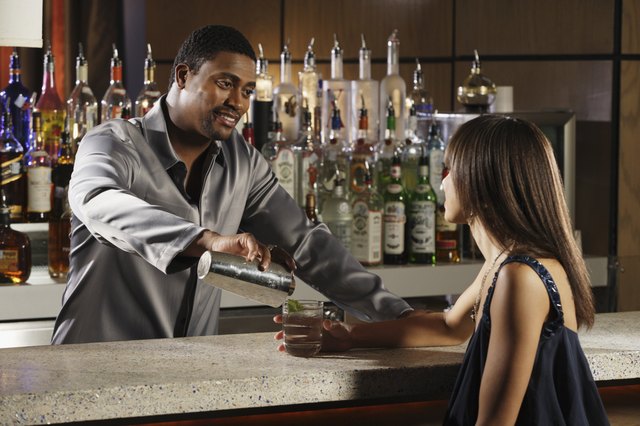
Distilled alcohol is the grown-up, lab-coat-wearing cousin of beer and wine. It begins with fermentation, just like those beverages, but then it goes through distillation, a process that concentrates alcohol and captures flavor compounds by heating a fermented liquid and condensing the vapor back into liquid. In plain English: distillation turns a mild-mannered fermented mash, juice, or wash into something stronger, more concentrated, and often far more complex.
The world of distilled spirits includes vodka, whiskey, rum, gin, brandy, tequila, mezcal, liqueurs, and many regional specialties. Some are clean and neutral. Some taste like oak, smoke, fruit, spice, vanilla, molasses, herbs, or roasted agave. Some are made for sipping slowly. Others are best known for making cocktails behave like cocktails instead of sad fruit punch in a fancy glass.
This guide explains the major types of distilled alcohol, how they are made, what they taste like, and how they are commonly used. Whether you are building a home bar, studying spirits for hospitality work, or simply trying to understand why whiskey and whisky argue over one little “e,” this article will give you a clear and enjoyable foundation.
What Is Distilled Alcohol?
Distilled alcohol, also called liquor or spirits, is an alcoholic beverage made by distilling a fermented base. That base may come from grains, fruit, sugarcane, agave, potatoes, or other fermentable ingredients. During fermentation, yeast converts sugars into alcohol. During distillation, the fermented liquid is heated so alcohol-rich vapors rise, then those vapors are cooled and collected.
The result is usually much stronger than beer or wine. In the United States, a standard drink of distilled spirits is commonly measured as 1.5 fluid ounces of 80-proof liquor, which equals about 40% alcohol by volume. That does not mean every spirit is exactly 40% ABV, but it is a common benchmark for vodka, whiskey, gin, rum, tequila, and brandy.
The Main Types of Distilled Alcohol
Most popular distilled spirits fall into a few major families. Each family is defined by its raw material, production method, aging rules, flavor profile, or geographic tradition. The big names are vodka, whiskey, rum, gin, brandy, tequila, mezcal, and liqueurs. Let’s pour carefully into each one.
1. Vodka
What vodka is made from
Vodka is a type of neutral spirit. It can be made from many fermentable materials, including grains, potatoes, corn, wheat, rye, sugar beets, or even grapes. The goal is usually purity and neutrality rather than a bold raw-material flavor.
How vodka tastes
Good vodka is often described as clean, crisp, smooth, or slightly creamy. It may have subtle notes of grain, pepper, citrus, or sweetness, but compared with whiskey or rum, vodka is the minimalist in the room. If whiskey is wearing a velvet jacket, vodka is wearing a perfectly ironed white shirt.
Popular vodka uses
Vodka is famous for its flexibility. It appears in Martinis, Moscow Mules, Bloody Marys, Cosmopolitans, Espresso Martinis, and countless simple highballs. Because it does not dominate a drink, vodka works well with citrus, ginger beer, tomato juice, coffee, cranberry, herbs, and sparkling mixers.
2. Whiskey
What whiskey is made from
Whiskey is distilled from fermented grain mash. Depending on the style, the grain may include corn, rye, barley, wheat, or a blend. In the United States, bourbon must be made from a mash containing at least 51% corn, while rye whiskey must use at least 51% rye. Whiskey is typically stored in oak barrels, where it gains color, aroma, and flavor.
How whiskey tastes
Whiskey can taste like caramel, vanilla, toasted oak, baking spice, honey, smoke, dried fruit, leather, grain, pepper, or chocolate. Bourbon often leans sweet and full-bodied. Rye tends to be spicier and drier. Scotch may range from delicate and floral to smoky enough to make a campfire jealous.
Popular whiskey styles
Common whiskey styles include bourbon, rye whiskey, Tennessee whiskey, Scotch whisky, Irish whiskey, Canadian whisky, Japanese whisky, and American single malt. Each has its own traditions and rules. The spelling also varies: “whiskey” is common in the United States and Ireland, while “whisky” is common in Scotland, Canada, and Japan.
Popular whiskey uses
Whiskey is enjoyed neat, over ice, with a splash of water, or in cocktails such as the Old Fashioned, Manhattan, Whiskey Sour, Mint Julep, Boulevardier, and Highball. It is a spirit with personality, so it tends to work best in drinks that let it speak instead of burying it under a fruit salad.
3. Rum
What rum is made from
Rum is distilled from sugarcane products, such as sugarcane juice, syrup, molasses, or other sugarcane by-products. Because sugarcane grows in warm climates, rum is deeply connected with the Caribbean, Latin America, and other tropical regions.
How rum tastes
Rum can be light, grassy, funky, fruity, spicy, rich, or dessert-like. White rum is often crisp and mixable. Aged rum may develop notes of vanilla, caramel, oak, banana, coconut, dried fruit, and baking spice. Some traditional rums have a bold fermented character that politely announces itself from across the bar.
Popular rum styles
Major rum styles include white rum, gold rum, dark rum, aged rum, overproof rum, rhum agricole, and cachaça. Rhum agricole is typically made from fresh sugarcane juice, while many other rums are made from molasses. Cachaça, Brazil’s famous sugarcane spirit, is closely related to rum and is essential in the Caipirinha.
Popular rum uses
Rum is the soul of many tropical and classic cocktails, including the Daiquiri, Mojito, Mai Tai, Piña Colada, Dark ’n Stormy, Rum Punch, and Cuba Libre. It also works beautifully in desserts, marinades, and warm drinks. Basically, rum is what happens when sugarcane gets a passport and a good playlist.
4. Gin
What gin is made from
Gin starts with a neutral spirit and gets its main flavor from juniper berries. Other botanicals may include coriander seed, angelica root, citrus peel, cardamom, licorice, orris root, cinnamon, cucumber, lavender, or almost anything botanical enough to sound like it belongs in a wizard’s pantry.
How gin tastes
Classic gin is piney, dry, citrusy, herbal, and aromatic. London Dry gin is crisp and juniper-forward. Modern gins may highlight floral, fruity, savory, or spicy botanicals. Gin can be intense for beginners, but once it clicks, it becomes one of the most interesting spirits in the cabinet.
Popular gin uses
Gin is the backbone of the Martini, Negroni, Gin and Tonic, Tom Collins, French 75, Gimlet, Bee’s Knees, and Aviation. Its botanical structure makes it excellent with citrus, tonic water, vermouth, bitters, herbs, and sparkling wine.
5. Brandy
What brandy is made from
Brandy is distilled from fermented fruit juice, mash, or wine. Grape brandy is the most common, but brandy can also be made from apples, pears, peaches, cherries, plums, apricots, and other fruits. Cognac and Armagnac are famous grape brandies from specific regions of France.
How brandy tastes
Brandy often tastes fruity, smooth, warm, and rounded. Younger brandies may emphasize fresh fruit and floral notes, while aged brandies can develop flavors of oak, vanilla, caramel, nuts, dried fruit, spice, and chocolate. It is the kind of spirit that makes a fireplace seem like a reasonable personality choice.
Popular brandy styles
Important brandy styles include Cognac, Armagnac, American brandy, apple brandy, applejack, pisco, grappa, kirschwasser, and slivovitz. Some are elegant and polished, while others are rustic, aromatic, and proudly intense.
Popular brandy uses
Brandy is enjoyed neat, in snifters, in coffee drinks, and in cocktails such as the Sidecar, Brandy Alexander, Vieux Carré, Pisco Sour, and Wisconsin-style Brandy Old Fashioned. It is also used in cooking, especially for sauces, flambéed dishes, fruit desserts, and holiday recipes.
6. Tequila
What tequila is made from
Tequila is a Mexican agave spirit made primarily from blue Weber agave. It must be produced in Mexico under specific rules. While all tequila is an agave spirit, not all agave spirits are tequila. That distinction matters, especially if you want to avoid being corrected by someone wearing a very serious bartender apron.
How tequila tastes
Tequila can taste earthy, peppery, citrusy, herbal, sweet, roasted, mineral, or oaky. Blanco tequila is usually fresh and agave-forward. Reposado tequila is rested in oak and often gains soft vanilla and spice notes. Añejo tequila is aged longer, producing richer flavors of caramel, oak, dried fruit, and baking spice.
Popular tequila styles
Main tequila styles include blanco, joven, reposado, añejo, and extra añejo. Blanco is unaged or lightly rested. Reposado means “rested.” Añejo means “aged.” Extra añejo is the deeper, older, more luxurious style that tends to ask for a proper glass and a moment of respect.
Popular tequila uses
Tequila stars in Margaritas, Palomas, Tequila Sunrises, Ranch Water, and many spicy cocktails. High-quality tequila can also be sipped neat. A good blanco tequila with lime and salt can be fun; a great blanco tequila does not need the training wheels.
7. Mezcal
What mezcal is made from
Mezcal is another Mexican agave spirit, but it can be made from different agave species, not only blue Weber agave. It is often associated with traditional production methods, including roasting agave hearts in underground pits, though production varies by region and producer.
How mezcal tastes
Mezcal is famous for smoky flavors, but smoke is only one part of the story. It may also taste earthy, mineral, fruity, floral, vegetal, peppery, or savory. Some mezcals are delicate and bright; others are bold enough to make your taste buds sit up straight and file a report.
Popular mezcal uses
Mezcal can be sipped neat or used in cocktails. It works well in Mezcal Margaritas, Oaxaca Old Fashioneds, Palomas, Negroni variations, and drinks with pineapple, lime, grapefruit, chile, honey, or bitter liqueurs. A little mezcal can add depth to a cocktail the way a bass line adds swagger to a song.
8. Liqueurs and Cordials
What liqueurs are made from
Liqueurs are flavored and sweetened distilled spirits. They may be made with fruits, herbs, flowers, nuts, coffee, chocolate, spices, cream, or other natural flavoring materials. Unlike base spirits, liqueurs usually contain added sugar and often have a lower alcohol content.
How liqueurs taste
Liqueurs can be sweet, bitter, creamy, citrusy, nutty, herbal, floral, spicy, or coffee-like. Examples include triple sec, curaçao, amaretto, coffee liqueur, Irish cream, crème de menthe, sambuca, herbal liqueurs, fruit schnapps, and bitter aperitif-style liqueurs.
Popular liqueur uses
Liqueurs are essential for cocktails because they add flavor, sweetness, color, and texture. Triple sec helps build a Margarita. Coffee liqueur supports an Espresso Martini. Amaretto brings almond warmth. Herbal liqueurs add complexity. Without liqueurs, many cocktails would be technically drinkable but emotionally unemployed.
9. Flavored Spirits
Flavored spirits are base spirits with added natural flavors, and sometimes sugar. Examples include citrus vodka, cherry bourbon, coconut rum, cucumber gin, pineapple tequila, cinnamon whiskey, and vanilla brandy. They can be useful in cocktails, but quality varies widely. Some taste balanced and thoughtful; others taste like someone shouted “birthday cake” into a bottle of ethanol.
The key difference between flavored spirits and liqueurs is sweetness and classification. A flavored vodka may be dry or lightly sweetened, while a liqueur is intentionally sweetened and flavor-driven. Always check the label and ABV if you are choosing one for a recipe.
10. Other Distilled Alcohol Styles Around the World
The spirits world is bigger than the most common bar-cart categories. There is aquavit from Scandinavia, usually flavored with caraway or dill. There is soju from Korea, often lighter and smoother than many Western spirits. There is baijiu from China, one of the world’s most consumed spirits, with powerful aromas and several regional styles. There is ouzo from Greece, absinthe with anise and herbs, and fruit eaux-de-vie from Europe.
These spirits prove that distilled alcohol is not one single flavor family. It is a global library of ingredients, traditions, climates, and techniques. Some bottles are elegant. Some are wild. Some require patience. Some require a friend who has tasted them before and can say, “Trust me, sip slowly.”
How Distillation Affects Flavor
Distillation is not just about making alcohol stronger. It also shapes aroma, texture, and flavor. Pot stills often preserve heavier, richer compounds, which can create fuller spirits. Column stills can produce lighter, cleaner spirits and are often used for efficiency and consistency. Some producers use hybrid stills or multiple distillations to fine-tune the final profile.
Aging also matters. Clear spirits such as vodka, blanco tequila, and many white rums may be bottled without long barrel aging. Brown spirits such as whiskey, aged rum, and brandy often spend time in oak, absorbing color and flavor from the wood. Oak can add vanilla, caramel, spice, toast, coconut, tobacco, dried fruit, and tannin.
How to Choose the Right Type of Distilled Alcohol
For cocktails
Choose vodka when you want a neutral base. Choose gin when you want herbs and botanicals. Choose rum for tropical, sugarcane-rich drinks. Choose tequila or mezcal for agave character. Choose whiskey for depth and warmth. Choose liqueurs when you need sweetness, flavor, or a finishing accent.
For sipping
Look for spirits with complexity and balance. Aged whiskey, aged rum, Cognac, Armagnac, añejo tequila, and high-quality mezcal are popular sipping options. Serve them neat, over one large ice cube, or with a few drops of water to open the aroma.
For cooking
Brandy, rum, whiskey, and liqueurs are common in cooking and baking. Brandy can enrich pan sauces. Rum works in cakes and glazes. Whiskey can deepen barbecue sauce. Orange liqueur can brighten desserts. Use alcohol carefully in cooking; the flavor should support the dish, not march through it wearing tap shoes.
Responsible Enjoyment Matters
Because distilled alcohol is concentrated, small pours can contain significant alcohol. A typical 1.5-ounce serving of 80-proof spirits counts as one standard U.S. drink. Cocktails may contain more than one standard drink, especially if they include multiple spirits or liqueurs. That elegant coupe glass may look innocent, but sometimes it has the math skills of a tax accountant.
Enjoy spirits slowly, drink water, eat food, and pay attention to ABV and serving size. People who are pregnant, taking certain medications, recovering from alcohol use disorder, driving, or managing specific health conditions should avoid alcohol or follow medical guidance. The best drink is always the one that fits your health, your plans, and your limits.
Experience Notes: Learning the Types of Distilled Alcohol in Real Life
One of the best ways to understand distilled alcohol is to taste categories side by side, carefully and in small amounts. Reading about whiskey, rum, gin, and tequila is helpful, but tasting them with attention turns the information into memory. A simple home tasting can be more educational than a dozen flashy cocktail menus. The trick is to compare thoughtfully, not to turn the evening into a pirate audition.
Start with aroma. Pour a small sample of vodka, gin, rum, whiskey, and tequila into separate glasses. Smell each one gently. Vodka may seem clean or faintly grainy. Gin should immediately show juniper and botanicals. Rum may smell sweet, grassy, or molasses-like. Whiskey often brings oak, vanilla, grain, and spice. Tequila may reveal roasted agave, pepper, citrus, or minerals. This first step teaches an important lesson: distilled alcohol is not just “strong liquid.” Each spirit has its own fingerprint.
Next, taste slowly. Take a tiny sip and let it move across your tongue. Notice sweetness, heat, texture, and finish. A white rum may feel light and slightly sweet. A rye whiskey may feel spicy and dry. A reposado tequila may seem rounder than a blanco because of time in oak. A liqueur will usually feel sweeter and heavier. These differences explain why certain spirits work better in certain cocktails. Gin loves tonic because bitter bubbles lift its botanicals. Rum loves lime because acidity balances sugarcane richness. Whiskey loves bitters because spice and oak enjoy good conversation.
Another useful experience is making the same simple cocktail with different base spirits. Try a sour formula: spirit, lemon or lime juice, and a sweetener. Make one with whiskey, one with gin, one with rum, and one with tequila. Suddenly the base spirit becomes obvious. Whiskey gives warmth. Gin gives herbs. Rum gives tropical softness. Tequila gives earthy brightness. The recipe is the same, but the personality changes completely, like four actors reading the same line with wildly different eyebrows.
Food pairing also helps. Brandy pairs nicely with fruit desserts and roasted nuts. Aged rum works with chocolate, caramel, and grilled pineapple. Whiskey can match smoked meats, sharp cheese, or pecan pie. Gin pairs well with citrus, seafood, cucumber, and herb-forward dishes. Tequila works beautifully with tacos, grilled vegetables, lime, chile, and fresh salsa. Mezcal can be excellent with roasted mushrooms, barbecue, or dark chocolate because its smoke and earthiness echo those flavors.
If you are building a home bar, begin with versatile bottles instead of chasing every rare label. A good vodka, London Dry gin, white rum, bourbon or rye, blanco tequila, orange liqueur, and a basic bitter liqueur can cover many classic cocktails. Add aged rum, mezcal, brandy, sweet vermouth, dry vermouth, and bitters as your curiosity grows. The goal is not to own a museum of bottles. The goal is to understand what each type does and how it behaves in a glass.
The biggest lesson from exploring distilled alcohol is that categories are maps, not cages. Vodka is usually neutral, but some vodkas have texture. Rum can be light and clean or deep and funky. Gin can be classic and piney or modern and floral. Whiskey can be sweet, smoky, spicy, delicate, or bold. Tequila can be refreshing or luxurious. Liqueurs can be simple sweeteners or complex flavor engines. Once you know the types, choosing a bottle becomes less intimidating and a lot more fun.
Conclusion
Distilled alcohol covers a wide and fascinating range of spirits, from clean vodka and botanical gin to oaky whiskey, sugarcane-rich rum, fruit-based brandy, earthy tequila, smoky mezcal, and sweet liqueurs. Each type begins with fermentation and distillation, but ingredients, stills, aging, geography, and tradition give every category its own identity.
Understanding the major types of distilled spirits helps you choose better bottles, make better cocktails, pair drinks with food, and appreciate what is actually in your glass. You do not need to memorize every regulation or become the person who lectures strangers at parties. Just learn the basics, taste with curiosity, and enjoy responsibly. Your home barand your future cocktailswill thank you.