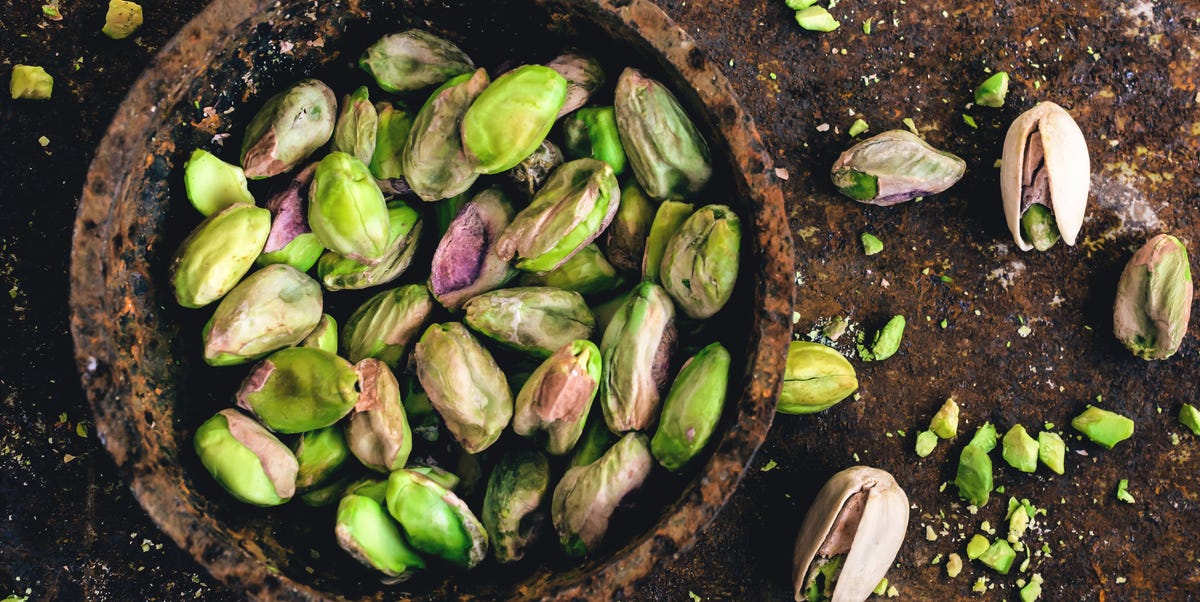
Pistachios may be small enough to hide under a couch cushion, but nutritionally, they are not exactly shy. These green kernels provide plant protein, fiber, unsaturated fats, potassium, copper, vitamin B6 and several antioxidant compounds in a conveniently crunchy package.
That does not mean pistachios are magical medicine wearing tiny beige jackets. Their benefits depend on portion size, preparation and the rest of your diet. Salted pistachios can deliver more sodium than expected, large servings can pile up calories quickly, and anyone with a pistachio or tree nut allergy needs to avoid them completely.
This guide examines the top pistachio health benefits, detailed nutrition facts, possible risks and practical ways to eat them without accidentally turning a sensible snack into a 700-calorie shell-cracking marathon.
What Are Pistachios?
Pistachios are the edible seeds of the Pistacia vera tree. In everyday conversation, they are classified as tree nuts, although botanically they are seeds found inside a fruit. The green and purple colors of the kernels come from naturally occurring plant pigments, including chlorophyll, anthocyanins and carotenoids.
They are sold raw, roasted, salted, unsalted, shelled and in-shell. Nutritionally, plain raw and dry-roasted pistachios are similar. The biggest practical difference usually comes from added salt, flavor coatings, sugar or oil.
Pistachio Nutrition Facts
One standard serving is approximately 1 ounce, or 28 grams. That equals about 49 pistachio kernels, although their size naturally varies. An ounce is roughly one small handfulnot a cereal bowl filled to the rim.
Nutrition in 1 Ounce of Raw, Unsalted Pistachios
| Nutrient | Approximate Amount |
|---|---|
| Calories | 158 |
| Protein | 5.8 grams |
| Total fat | 12.6 grams |
| Saturated fat | 1.5 grams |
| Monounsaturated fat | 6.6 grams |
| Polyunsaturated fat | 3.8 grams |
| Carbohydrates | 7.9 grams |
| Fiber | 2.9 grams |
| Total sugars | 2.2 grams |
| Potassium | 291 milligrams |
| Phosphorus | 139 milligrams |
| Magnesium | 34 milligrams |
| Copper | 0.37 milligram |
| Vitamin B6 | 0.48 milligram |
| Cholesterol | 0 milligrams |
Dry-roasted, unsalted pistachios provide approximately 162 calories and 6 grams of protein per ounce. Nutrient values vary slightly by variety, growing conditions and processing method, so the label on the package remains the best guide for a specific product.
Top Pistachio Health Benefits
1. Pistachios Provide Heart-Friendly Unsaturated Fats
Most of the fat in pistachios is monounsaturated or polyunsaturated rather than saturated. Replacing foods rich in saturated fat with foods containing unsaturated fats can support healthier blood cholesterol levels.
Research evaluating pistachio consumption has found modest reductions in total cholesterol, LDL cholesterol and triglycerides in adults. That does not make pistachios a substitute for prescribed cholesterol medication, but it does make them a sensible replacement for snacks such as chips, pastries or processed meat.
2. They May Support Healthy Blood Pressure
Pistachios contain potassium, magnesium, unsaturated fats and the amino acid L-arginine. The body uses L-arginine to produce nitric oxide, a compound involved in blood-vessel relaxation and circulation.
Meta-analyses of randomized trials suggest that pistachios may produce small improvements in blood pressure, particularly systolic blood pressure. The effect is not dramatic, and pouring extra salt over the nuts would be a rather efficient way to undermine the plan.
3. Pistachios Can Fit Into a Blood-Sugar-Friendly Diet
Pistachios contain relatively little sugar while providing protein, fat and fiber. This combination slows digestion compared with a snack made primarily from refined carbohydrates. Pairing pistachios with fruit, for example, may produce a steadier rise in blood glucose than eating candy or cookies with the same number of calories.
Clinical research suggests pistachio consumption may modestly improve fasting glucose, insulin resistance and certain other measures of glycemic control. However, results vary between studies, and pistachios should be considered one component of an overall diabetes-management plannot a crunchy replacement for medical care.
4. Their Protein and Fiber May Improve Fullness
An ounce of pistachios supplies close to 6 grams of protein and 3 grams of fiber. Together with their fat content, these nutrients can make a small serving surprisingly satisfying.
Despite being calorie-dense, pistachios have not consistently caused weight gain in controlled studies when they were incorporated into an appropriate diet. Some research has found small improvements in body mass index, while other trials report no significant difference in body weight. The realistic conclusion is refreshingly unglamorous: pistachios may help with appetite control, but total calorie intake still matters.
In-shell pistachios may provide a practical advantage. Opening each shell slows eating, while the pile of empty shells creates a visible record of how much has disappeared. The shells are basically tiny snack-accountability officers.
5. Pistachios May Support Digestive and Gut Health
The fiber in pistachios feeds intestinal bacteria and contributes to normal bowel function. Gut microbes can ferment certain fibers and produce short-chain fatty acids, which help nourish cells lining the colon.
Small human trials have shown that pistachio consumption can alter the composition of the gut microbiome. This is an interesting area of research, but scientists are still determining which microbial changes translate into meaningful long-term health outcomes.
6. They Supply Antioxidant Plant Compounds
Pistachios contain polyphenols, vitamin E and carotenoids such as lutein and zeaxanthin. These compounds help protect cells from oxidative damage. Lutein and zeaxanthin are also concentrated in the retina, where they help filter certain wavelengths of light.
Eating pistachios will not correct vision problems or guarantee protection against eye disease. Still, they can contribute antioxidant compounds as part of a diet containing colorful vegetables, fruits, legumes and other plant foods.
7. Pistachios Add Useful Vitamins and Minerals
Pistachios are particularly notable for vitamin B6 and copper. Vitamin B6 participates in protein metabolism, neurotransmitter production, immune function and hemoglobin formation. Copper supports connective tissue, energy production, iron metabolism and normal nervous-system function.
They also contribute thiamin, phosphorus, potassium, magnesium, iron and zinc. No single serving fulfills every nutritional need, of course. Pistachios are talented supporting actors, not the entire cast.
Potential Pistachio Risks and Side Effects
Tree Nut Allergy
Pistachios can trigger severe allergic reactions, including anaphylaxis. Warning signs may include hives, facial swelling, itching, vomiting, wheezing, difficulty swallowing, breathing trouble or a sudden drop in blood pressure. A severe reaction is a medical emergency.
Pistachio and cashew allergens can be cross-reactive, so people with a diagnosed cashew allergy should discuss pistachios with an allergist rather than conducting an unsupervised kitchen experiment. Food labels should also be checked for pistachios and cross-contact warnings.
High Calorie Density
Pistachios are nutritious, but they remain calorie-dense. One ounce contains about 158 to 162 calories, while a cup of shelled kernels can contain several times that amount. Eating directly from a large bag makes portions difficult to judge, especially when the television is more interesting than the nutrition label.
People managing their weight do not need to avoid pistachios. Measuring a serving before eating is usually enough to keep the snack aligned with daily calorie needs.
Added Sodium
Raw pistachios are naturally very low in sodium, but heavily salted varieties can contain substantially more. People with high blood pressure, heart failure, kidney disease or sodium-sensitive medical conditions should compare labels and favor unsalted or lightly salted products.
Gas, Bloating or Digestive Discomfort
A large serving can cause bloating, gas or loose stools in some people, particularly when their usual diet is low in fiber. Starting with a one-ounce portion and increasing fiber gradually may be more comfortable than introducing your digestive system to half a bag without warning.
Kidney Disease and Kidney Stones
Pistachios contain potassium and phosphorus. Many healthy people can include these minerals without concern, but some individuals with chronic kidney disease must limit them according to blood-test results and treatment plans.
Nuts may also contribute oxalate to the diet. People with a history of calcium oxalate kidney stones may receive individualized advice about nut portions, sodium, calcium, fluids and other dietary factors. Restrictions should be based on professional guidance rather than eliminating every food that has ever been accused of containing a mineral.
Are Roasted Pistachios as Healthy as Raw Pistachios?
Plain dry-roasted and raw pistachios have broadly similar amounts of calories, protein, fat and fiber. Roasting can change the concentration of heat-sensitive nutrients slightly, but the practical difference is usually less important than added ingredients.
Choose products with a short ingredient list, such as “pistachios” or “pistachios and salt.” Honey-roasted, chocolate-coated and heavily flavored versions can contain added sugar, sodium and oils that change the nutritional profile considerably.
How Many Pistachios Should You Eat Per Day?
For most adults, approximately 1 ounceabout 49 kernelsis a practical daily serving. Some eating patterns may include 1.5 ounces, but the right amount depends on calorie needs, medical conditions and what the pistachios are replacing.
The healthiest use is substitution. Replacing chips, candy or a pastry with pistachios is more helpful than adding pistachios after eating the chips, candy and pastry. Nutrition is occasionally rude enough to insist that addition and substitution are not the same thing.
Simple Ways to Eat More Pistachios
- Combine a measured portion with an apple, pear or orange.
- Sprinkle chopped pistachios over oatmeal or unsweetened yogurt.
- Add them to salads for crunch instead of croutons.
- Use crushed pistachios as a coating for baked fish or chicken.
- Blend them with herbs, olive oil and lemon for pistachio pesto.
- Stir them into quinoa, brown rice or roasted vegetables.
- Use a small amount as a dessert topping rather than making the dessert mostly nuts and calling it moderation.
Store pistachios in a tightly sealed container. Refrigeration or freezing can extend freshness because their unsaturated fats may eventually become rancid when exposed to heat, air and light.
A Practical Pistachio-Snacking Experience
Consider a realistic one-week experiment for someone who normally reaches for cookies, crackers or chips at 3 p.m. The goal is not to begin a dramatic “pistachio cleanse,” because that is not a thing the human body requested. The goal is simply to replace one less-satisfying snack with a measured serving of plain pistachios.
Day 1: The Portion Surprise
The first step is weighing or counting approximately 1 ounce. Forty-nine kernels look more generous than expected, especially when they are still in their shells. By contrast, pouring shelled pistachios straight into a bowl makes it extremely easy to serve two or three ounces without noticing. The first lesson is immediate: healthy foods can still benefit from measuring cups and basic arithmetic.
Day 2: The Shell Effect
In-shell pistachios take longer to eat. Opening each nut introduces a pause between bites, and the empty shells remain on the plate as evidence. The snack feels more like an activity and less like the familiar experience of looking down to discover that an entire bag of chips has vanished under mysterious circumstances.
Day 3: Pairing Pistachios With Fruit
Adding an apple or orange creates a snack with contrasting textures, natural sweetness, fiber, fat and protein. The combination feels more substantial than either food alone. It also prevents the pistachios from being treated as a tiny appetizer before the “real snack” arrives ten minutes later.
Day 4: Unsalted Versus Salted
Unsalted pistachios may taste mild at first, especially to someone accustomed to heavily seasoned snacks. After several handfuls, their naturally sweet, earthy flavor becomes easier to notice. Lightly salted pistachios can be a useful compromise, but checking the sodium line on the label is more reliable than trusting phrases such as “smart,” “natural” or “guilt-free.” Food packaging has never been known for its modesty.
Day 5: Using Pistachios in a Meal
Chopped pistachios can transform a plain salad, roasted carrots or a bowl of oatmeal. A tablespoon or two adds crunch and richness without overwhelming the dish. This is often more satisfying than eating them alone because their flavor is distributed across an entire meal.
Day 6: The Calorie Reality Check
The pistachio bag is still tempting after the measured serving is gone. This is the moment when “healthy” can become an excuse for unlimited eating. Pre-portioning several servings into containers removes the need to negotiate with a family-size bag every afternoon. The bag is charming, persuasive and completely uninterested in anyone’s calorie target.
Day 7: What the Experiment Can Reveal
After one week, the most noticeable result may not be a dramatic change in weight, cholesterol or blood sugar. Those outcomes require more time and depend on the entire diet. The immediate benefit is behavioral: the snack is convenient, filling, easy to portion and versatile enough to prevent boredom.
The experiment may also identify drawbacks. Some people dislike the mess from the shells. Others experience bloating, prefer a lower-calorie snack or need to avoid pistachios because of allergies, kidney restrictions or digestive sensitivity. A nutritious food is only useful when it is safe, enjoyable and compatible with the person eating it.
The practical takeaway is that pistachios work best as a deliberate replacement rather than an automatic dietary bonus. Measure a serving, select an unsalted or lightly salted product and pair it with another minimally processed food. That simple routine captures most of the benefits without requiring pistachio flour, pistachio supplements or a social-media influencer explaining how one green nut “changed everything.”
Conclusion
Pistachios deliver an appealing combination of plant protein, fiber, unsaturated fats, potassium, vitamin B6, copper and antioxidant compounds. Evidence suggests that regularly including them in a balanced diet may support cholesterol levels, blood pressure, blood sugar control, fullness and gut health.
The key phrase is in a balanced diet. Pistachios remain calorie-dense, salted products may be high in sodium, and tree nut allergies can be life-threatening. People with kidney disease, recurrent calcium oxalate stones or specialized dietary restrictions should ask a qualified healthcare professional whether pistachios fit their individual plan.
For most people, a small handful of plain pistachios is a nutritious and satisfying snack. Measure the portion, respect the allergy warnings and remember: the health benefits are inside the shells, but moderation is apparently sold separately.
Note: This article provides general educational information and is not a substitute for personalized medical or nutritional advice. Seek immediate medical help for symptoms of a severe allergic reaction.