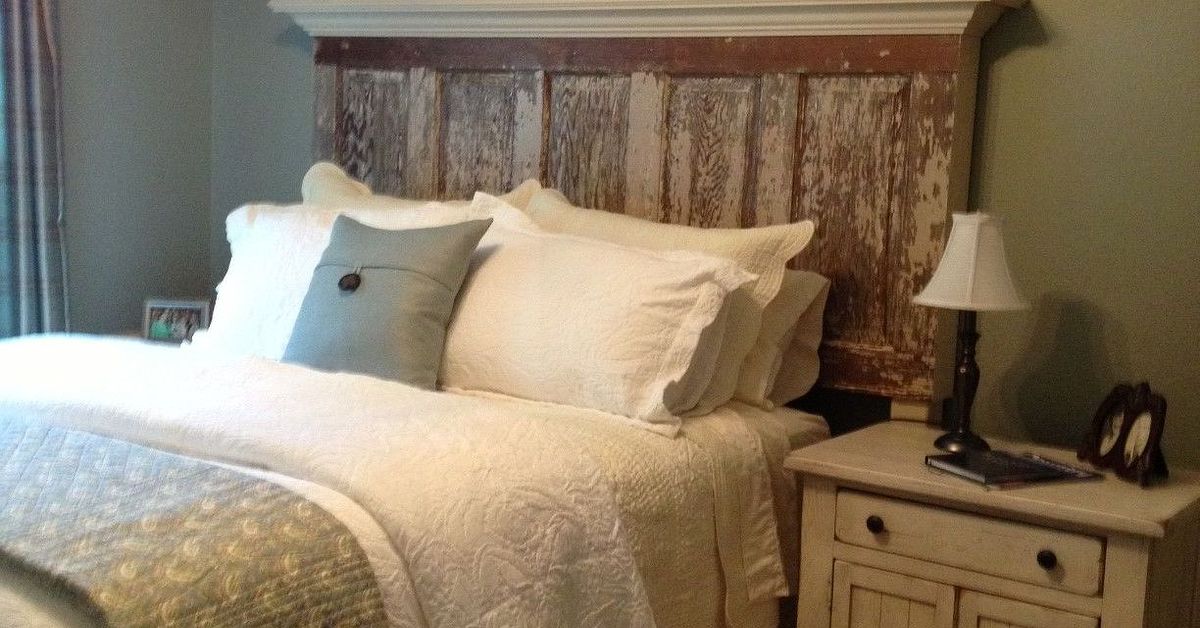
A 90 year old door made into a headboard is the kind of DIY project that makes a bedroom look like it has stories, secrets, and possibly a dramatic diary entry hidden in the wall. Instead of buying a flat, forgettable headboard from a showroom, you can rescue an antique door and turn it into the star of the room. It is sustainable, charming, budget-friendly, and just fancy enough to make guests say, “Wait, is that an actual door?” Yes. Yes, it is.
Old doors are perfect for headboards because they already have what modern furniture often tries to imitate: raised panels, worn edges, solid wood, patina, and character that cannot be manufactured overnight. A door from the 1930s may have lived through several paint colors, countless seasons, squeaky hinges, and at least one person yelling, “Don’t slam the door!” Now it gets a second life as a vintage door headboard, and honestly, that is a lovely retirement plan.
This guide covers how to choose the right antique door, clean and prepare it safely, mount it securely, style it beautifully, and avoid common mistakes. Whether your bedroom leans farmhouse, cottage, rustic, coastal, boho, traditional, or “I found this on the curb and had a vision,” a repurposed door headboard can become a one-of-a-kind focal point.
Why Turn an Old Door Into a Headboard?
The biggest reason is character. A 90 year old door has texture that new materials struggle to copy. Small dents, old screw holes, layers of paint, and softened corners tell a visual story. When placed behind a bed, those details instantly make the room feel collected rather than decorated in one frantic Saturday shopping trip.
Another reason is sustainability. Repurposing an old wood door keeps usable material out of the landfill and reduces the need for new furniture. Architectural salvage is popular because it gives old building materials a practical second life. A door that no longer fits a doorway can still frame a bed beautifully.
Cost is another happy bonus. Depending on where you shop, old interior doors can often be found at salvage yards, flea markets, estate sales, online marketplaces, or Habitat-style reuse stores for far less than a new designer headboard. Some doors need only cleaning and sealing. Others may need sanding, trimming, patching, or paint, but the payoff is a custom look at a very reasonable price.
Choosing the Right 90 Year Old Door
Not every old door is a good headboard candidate. Some are too damaged, too heavy, too warped, or too questionable in the paint department. Before falling in love with a door, inspect it like a detective with a measuring tape.
Look for Solid Construction
Solid wood doors are usually the best choice for a repurposed door headboard. They feel substantial and hold hardware well. Paneled doors are especially attractive because the panels create built-in design. A five-panel horizontal door, for example, can look balanced and architectural when mounted behind a queen or king bed.
A hollow-core door can work, but it may feel less authentic and may require extra reinforcement. If the goal is a vintage headboard with real old-house charm, a solid antique door is usually worth the hunt.
Measure Before You Buy
A standard queen mattress is about 60 inches wide, and a standard king is about 76 inches wide. Many old doors are around 30 to 36 inches wide and 78 to 84 inches tall, so you have two main layout choices: mount one door horizontally, or use two narrow doors side by side.
For a queen bed, a single old door turned sideways may be perfect. For a king bed, you may need a wider door, a pair of matching doors, or a door with added trim extensions. The headboard should generally be slightly wider than the mattress or visually centered with the bed frame and nightstands.
Check for Warping and Damage
A little age is charming. A door shaped like a potato chip is less charming. Lay the door flat if possible and check whether it rocks. Look for split rails, loose panels, rot, insect damage, deep cracks, or soft spots. Small imperfections can be repaired, but major structural issues may make the project unsafe or frustrating.
Safety First: Old Paint, Lead, and Heavy Furniture
A 90 year old door may contain old paint, and old paint deserves respect. In the United States, lead-based paint was banned for residential use in 1978, so a door from the 1930s should be treated as potentially lead-painted unless testing proves otherwise. Do not sand, scrape, or cut painted antique doors without checking for lead first.
Use an EPA-recognized lead test kit or consult a professional if you are unsure. If lead is present, avoid creating dust. You may choose to encapsulate the finish with a proper sealant, hire a certified renovator, or select a different door. A pretty headboard is not worth turning your bedroom into a tiny historic dust museum.
Mounting safety matters too. A solid antique door can be heavy. Secure it to wall studs whenever possible, especially if children or pets may climb on the bed. A French cleat, heavy-duty brackets, or a properly reinforced wall-mounting system can keep the headboard stable. Drywall alone is not a personality trait; do not ask it to hold a 90 year old slab of wood by itself.
Tools and Materials You May Need
Your exact supply list depends on the condition of the door and your design plan, but most projects use basic DIY tools and finishing materials.
- Antique wood door
- Tape measure and pencil
- Stud finder
- Level
- Drill and screws
- French cleat or heavy-duty mounting brackets
- Wood filler or epoxy for repairs
- Fine-grit sandpaper or sanding sponge
- Lead test kit if the door is painted
- Cleaner or mild soap solution
- Primer, paint, stain, wax, or clear sealer
- Trim molding, if desired
- Protective gear, including gloves and a mask when appropriate
How to Make a Headboard From a 90 Year Old Door
The process is simple in theory: clean the door, make it safe, make it beautiful, and attach it securely. The details are what turn the project from “old door behind a mattress” into “custom vintage headboard that looks like it came from a boutique inn.”
Step 1: Clean the Door Gently
Start with a gentle cleaning. Remove dust, cobwebs, loose grime, and hardware you do not plan to keep. Use a mild soap solution and a soft cloth. Avoid soaking the wood, especially if the door has old veneer, loose panels, or fragile paint.
If the door has beautiful old hardware, consider leaving a knob plate, keyhole, or hinge marks visible. These details remind people that the piece had a previous life. If hardware sticks out where pillows will hit, remove it or reposition the door so the hardware becomes a decorative side detail.
Step 2: Test the Finish
If the door is painted and old, test for lead before disturbing the finish. This is especially important if you plan to sand, distress, drill, or cut. If the result is positive, choose a lead-safe path. Many DIYers preserve the old look by cleaning the surface and sealing it rather than sanding aggressively.
Step 3: Repair Loose Parts
Tighten loose panels, glue small splits, and fill holes that bother you. Not every nail hole needs to disappear. In fact, part of the charm of a reclaimed door headboard is that it looks like it has been somewhere. Repair for safety and stability first, then decide which flaws are decorative.
Step 4: Decide on the Finish
You have several beautiful options. Leave natural wood exposed and apply a clear protective finish. Paint the door in a soft white, muted green, navy, charcoal, or warm beige. Dry-brush it for a farmhouse look. Use wax to deepen the patina. Add stain if the wood is bare and you want a richer tone.
For a more polished appearance, add crown molding or a narrow cap board along the top edge. This gives the door a furniture-like finish and helps it look intentional. Without trim, the look is more rustic and relaxed. Both can be gorgeous.
Step 5: Mount It Securely
The safest approach is usually to mount the door to the wall rather than attach it only to the bed frame. Find the studs, mark the height, and use a level before drilling. A French cleat is a strong option because it spreads weight across a wider area and allows the headboard to hang flush against the wall.
For beds that move often, such as adjustable bases, wall mounting can also keep the headboard independent from the bed frame. Leave enough clearance so pillows sit comfortably and the mattress does not rub against fragile trim or old paint.
Horizontal vs. Vertical Door Headboard
A horizontal door headboard is the most common style because it naturally spans the width of the bed. This layout works especially well with five-panel doors, plank doors, and old farmhouse doors. It creates a long, low architectural line and makes the bed feel grounded.
A vertical layout can be dramatic, especially with two matching doors behind a king bed. Tall vertical doors can make the ceiling feel higher and create the feeling of an old-world hotel room. This look works well in bedrooms with high ceilings, large windows, or symmetrical nightstands.
If using two doors, make sure they are similar in height, thickness, and panel design. They do not have to be identical, but wildly mismatched doors may look less “curated vintage” and more “garage sale had a clearance bin.” Unless that is your aesthetic. No judgment.
Design Ideas for Different Bedroom Styles
Farmhouse Style
For a farmhouse bedroom, keep the finish simple. White paint, natural wood, black metal lamps, linen bedding, and a quilt can make the old door feel warm and familiar. If the door has chippy paint and it is safe to preserve, seal it and let the imperfections shine.
Cottage Style
A cottage bedroom can handle softer colors and sweeter details. Try pale blue, sage green, cream, or dusty rose. Pair the headboard with floral bedding, vintage art, ruffled pillowcases, or a small painted nightstand. The result should feel collected, cozy, and just a little storybook.
Modern Rustic Style
For a cleaner look, strip the door to natural wood or paint it matte black, deep brown, or warm gray. Use simple bedding, sleek lamps, and minimal accessories. The contrast between the old door and modern styling makes the headboard feel intentional rather than themed.
Coastal Style
An old door can also work beautifully in a coastal room. Choose weathered white, driftwood gray, pale aqua, or sandy beige. Add crisp white sheets, woven baskets, and light curtains. Avoid going overboard with seashells unless you want your bedroom to feel like a souvenir shop that sells fudge.
Common Mistakes to Avoid
The first mistake is ignoring safety. Old paint, loose panels, and weak mounting can create real problems. Test questionable paint, repair unstable wood, and attach the headboard securely.
The second mistake is choosing the wrong scale. A tiny door behind a large bed can look accidental. A massive door in a small room can overwhelm the space. Measure the bed, wall, ceiling height, and nightstand placement before committing.
The third mistake is over-restoring. If you remove every mark and paint the door until it looks brand new, you may lose the very charm that made the piece special. Aim for clean, safe, and usable, not erased.
The fourth mistake is forgetting comfort. If raised panels, trim, or hardware sit exactly where pillows lean, the headboard may look great but feel annoying. Test the height with your mattress and pillows before final installation.
How Much Does This Project Cost?
A 90 year old door made into a headboard can be surprisingly affordable. The door itself might cost anywhere from very little to several hundred dollars, depending on rarity, wood species, condition, size, and where you buy it. Salvage stores and online marketplaces often have budget-friendly options, while specialty architectural antiques may cost more.
Additional costs may include mounting hardware, paint, sealer, wood filler, trim, sandpaper, and safety supplies. If you already own basic tools, this can be a low-cost weekend project. If you need professional lead-safe refinishing or custom carpentry, the budget increases, but the final piece may still cost less than a high-end retail headboard.
Maintenance Tips for an Antique Door Headboard
Once installed, maintenance is easy. Dust the surface regularly with a soft cloth. Avoid harsh cleaners that can damage old finishes. If the door is sealed with wax, refresh it occasionally according to the product instructions. If it is painted, keep a small amount of touch-up paint for chips.
Check the mounting hardware from time to time, especially during the first few months. Wood can shift slightly with humidity, and hardware can loosen with movement. A quick inspection keeps the project safe and sturdy.
Real-Life Experience: What It Feels Like to Live With a 90 Year Old Door Headboard
There is something oddly satisfying about sleeping under a piece of history. A regular headboard says, “I came from aisle seven.” A 90 year old door says, “I have seen things, and I am not telling.” That small emotional difference is what makes this project so memorable.
In real homes, the best part of using an antique door as a headboard is how quickly it changes the personality of the room. You can have plain walls, simple bedding, and average nightstands, but once the door goes up, the bed becomes the focal point. The room suddenly feels layered. It looks like someone made a thoughtful design choice rather than simply filling space.
The project also teaches patience. Old doors are rarely perfect. One corner may be slightly uneven. A panel may rattle. The paint may have mystery colors beneath it. The screw holes may not line up with anything logical because, apparently, a previous owner believed measuring was optional. But those little challenges are part of the experience. Working with reclaimed materials means adjusting as you go.
One practical lesson is to bring help. A solid old door can be awkward to lift, even if it does not look enormous. Trying to hold it against the wall, balance a level, find the studs, and mark the mounting points alone is a quick way to invent new vocabulary. A second person makes installation safer and much less dramatic.
Another lesson is to style slowly. After mounting the headboard, do not rush to cover the bed with every vintage pillow, quilt, and decorative object you own. The door already has visual weight. Start with simple bedding, then add texture one layer at a time. A linen duvet, two sleeping pillows, a lumbar pillow, and one throw may be enough. Let the door breathe. It has been around for nine decades; it deserves personal space.
Lighting makes a major difference too. Wall sconces or warm bedside lamps can highlight the panels, grain, and old finish. At night, the shadows make the door look even richer. If the headboard has recessed panels, soft lighting can bring out depth in a way flat overhead lighting cannot.
Living with a vintage door headboard also tends to start conversations. People ask where it came from, how old it is, whether it was hard to install, and if there are more old doors available. Suddenly, you are not just a person with a bedroom. You are a person with a salvage story. That is a dangerous identity because it may lead to collecting old windows, corbels, mantels, and possibly a church pew you absolutely do not have room for.
The biggest reward is the feeling of having something unique. No one else has the exact same combination of scratches, panels, color, age, and history. Even if another person copies the idea, their headboard will tell a different story. That is the magic of repurposed furniture: it is practical, personal, and imperfect in the best possible way.
Conclusion
A 90 year old door made into a headboard is more than a clever DIY project. It is a way to bring history, texture, sustainability, and handmade personality into the bedroom. With the right door, careful preparation, lead-safe awareness, secure mounting, and thoughtful styling, an antique door can become a stunning custom headboard that looks expensive, feels meaningful, and gives an old architectural piece a brand-new purpose.
Whether you leave the wood natural, seal old paint, add trim, or create a bold painted statement, the final result should feel like it belongs in your home. The best version is not perfect. It is sturdy, safe, comfortable, and full of character. In other words, exactly what a 90 year old door deserves after a lifetime of opening and closing.