Subaru Outback paddle shifters are one of those features many owners notice, admire, and then quietly ignore like the decorative towels in a guest bathroom. They sit behind the steering wheel, looking sporty and important, but because the Outback uses an automatic-style Lineartronic CVT, plenty of drivers wonder: “Am I supposed to touch these, or are they just here to make me feel like I’m in a rally car on the way to Costco?”
Good news: they are useful. Even better news: you do not need to be a racing driver, mechanic, or someone who says “apex” at dinner parties to use them well. On many Subaru Outback models, the paddle shifters let you manually choose simulated gear ratios in the CVT’s manual mode. In simple terms, the car creates “steps” that feel like gears, giving you extra control for hills, snow, towing, curves, passing, and engine braking.
This guide explains how to use paddle shifters on a Subaru Outback in practical, everyday situations. We will keep things fun, useful, and grounded in real driving logicbecause your transmission deserves respect, but it does not need a poetry reading.
What Do Paddle Shifters Do on a Subaru Outback?
The Subaru Outback uses a continuously variable transmission, commonly called a CVT. Unlike a traditional automatic transmission with fixed physical gears, a CVT changes ratios smoothly. However, Subaru’s manual mode allows the transmission to act as if it has set gear positions. The paddle shifters are your way of telling the vehicle, “Hold this ratio,” “give me more acceleration,” or “help slow the car without riding the brakes.”
The basic controls are easy:
- Right paddle marked “+”: upshift to a higher simulated gear ratio.
- Left paddle marked “−”: downshift to a lower simulated gear ratio.
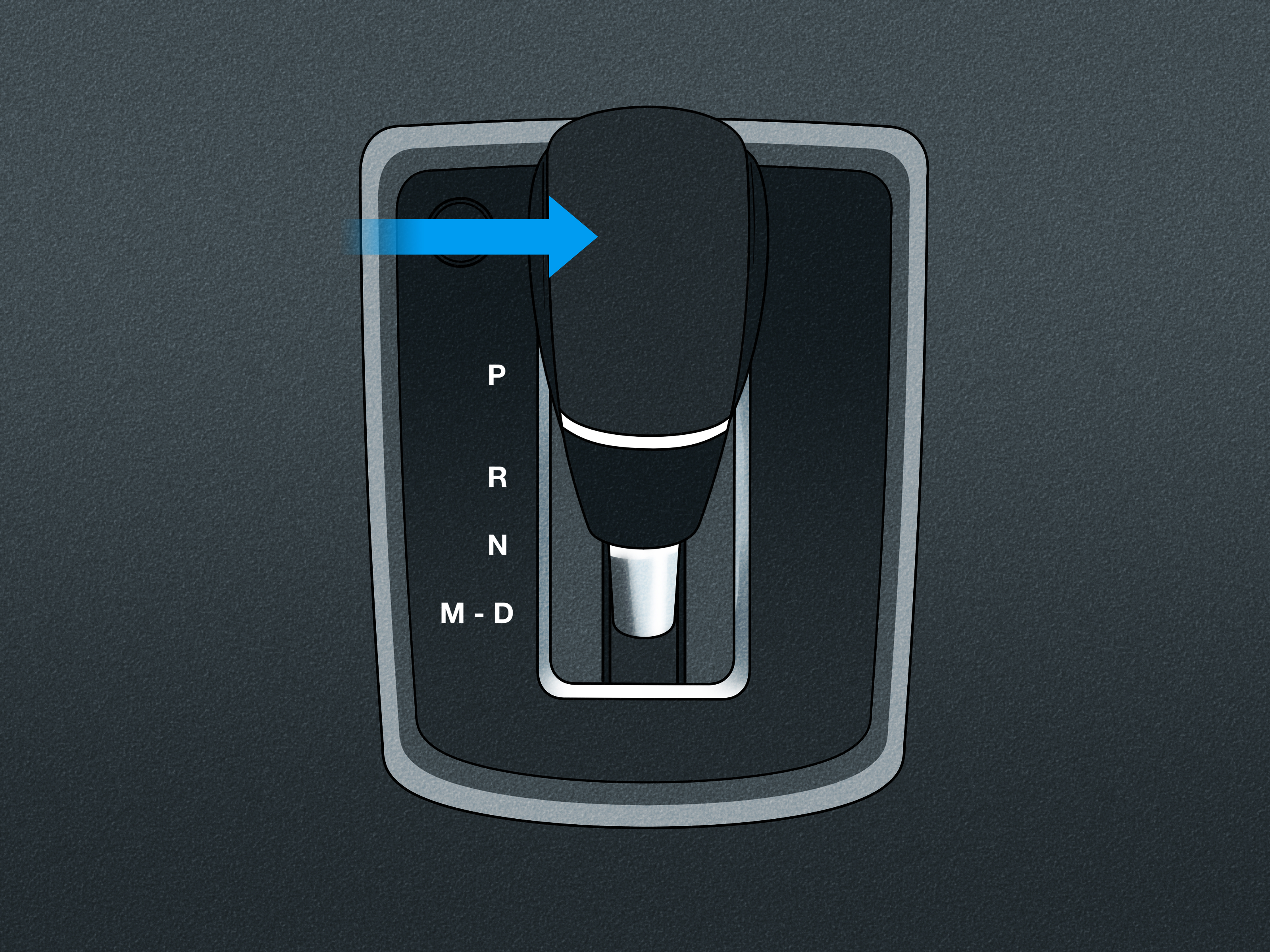
- Manual mode: move the gear selector from Drive into Manual mode, then shift with the paddles.
- Temporary manual control: on many Outback models, you can pull a paddle while still in Drive, and the vehicle will return to automatic behavior after conditions stabilize.
That last point is handy. You do not always need full manual mode. Sometimes you just want a quick downshift before a hill, corner, or pass. Think of it as asking the Outback for a quick favor, not assigning it a whole new career.
9 Smart Ways to Use Paddle Shifters on a Subaru Outback
1. Use Paddle Shifters for Engine Braking on Long Downhill Roads
The most practical use for Subaru Outback paddle shifters is engine braking. When you are driving down a long hill, especially in mountain areas, constant brake use can create heat and wear. Downshifting with the left “−” paddle raises engine RPM and helps the vehicle slow naturally.
This does not mean you should stop using the brake pedal. The brakes are still your main tool for controlling speed. Paddle shifters simply help reduce how much braking you need. For example, if you are descending a steep road and the Outback keeps gaining speed, tap the left paddle once. If the car still feels too eager, tap it again. The goal is controlled speed, not making the engine sound like it is auditioning for a chainsaw commercial.
This technique is especially useful on winding downhill roads where smooth speed control matters. It keeps the vehicle more settled and helps you avoid the brake-tap-brake-tap dance that makes passengers silently review their life choices.
2. Downshift Before Passing or Merging
When you need quick acceleration, a downshift can help put the engine in a stronger power range. This is useful when merging onto a highway, passing a slower vehicle, or climbing from a low-speed ramp into fast traffic.
Here is a simple example: you are entering a freeway, traffic is moving quickly, and the Outback feels a little relaxed. Pull the left “−” paddle once or twice before pressing the accelerator more firmly. The engine revs higher, response sharpens, and the car feels more prepared to move. After you finish merging or passing, pull the right “+” paddle to upshift, or let the vehicle return to automatic operation if you were only using temporary manual control in Drive.
This is not about racing. It is about planning. A well-timed downshift is like clearing your throat before making an announcement: small action, better delivery.
3. Hold a Lower Ratio While Climbing Steep Hills
On long uphill grades, an automatic transmission may change ratios as it tries to balance power, fuel economy, and comfort. Most of the time, the Outback handles this well. But if you are climbing a steep road and the vehicle feels like it keeps hunting for the right ratio, manual mode can help.
Move the selector into manual mode and choose a lower simulated gear with the left paddle. This can keep the engine in a more responsive range, making the climb feel smoother and more predictable. It is especially useful when the vehicle is loaded with passengers, cargo, camping equipment, or the mysterious amount of stuff that somehow appears before every road trip.
Once the hill levels out, shift back up with the right paddle or return to Drive. Holding a lower ratio longer than necessary can increase noise and reduce fuel economy, so use it when it helps, then let the CVT go back to doing what it does best: being smooth and mostly invisible.
4. Improve Control on Curvy Back Roads
The Subaru Outback is not a sports coupe, but it has confident handling, standard all-wheel drive, and enough balance to make curvy roads enjoyable. Paddle shifters can help you maintain better control through bends by keeping the vehicle in a predictable ratio.
Before entering a curve, gently slow down and downshift if needed. This gives you better engine response as you exit the corner. The trick is to shift before the curve, not halfway through it while your coffee is considering a career change on the center console.
Using paddle shifters on twisty roads can also reduce unnecessary speed changes. Instead of relying only on brakes before each bend, you can combine light braking with engine braking. The result is smoother driving, happier passengers, and fewer dramatic head bobs from the back seat.
5. Use Manual Mode in Snow, Ice, or Slippery Conditions Carefully
Subaru Outback owners often drive in snow, rain, mud, and other conditions that make ordinary roads feel like nature’s banana peel. Paddle shifters can help, but they must be used gently.
In slippery conditions, sudden acceleration or abrupt downshifting can reduce traction. The goal is smoothness. A higher simulated gear can sometimes soften throttle response and reduce wheel spin, while a lower gear can help with controlled engine braking on gentle descents. However, aggressive downshifts on icy roads are not your friend.
If your Outback has X-MODE, remember that it is designed to help manage traction in low-speed slippery situations. Paddle shifters are not a replacement for X-MODE, winter tires, safe following distance, or common sense. They are simply another control tool. Use small inputs, keep steering calm, and avoid the heroic driving style seen in snow-plow commercials.
6. Manage Speed When Driving on Gravel or Dirt Roads
On unpaved roads, paddle shifters can help you keep the Outback moving at a steady pace. This is especially helpful on forest roads, campground access roads, gravel climbs, and mild trails where speed control matters more than speed itself.
Using a lower simulated gear can keep the vehicle from constantly changing ratios and help maintain better control over uneven terrain. It also gives you quicker response if you need to slow down for potholes, ruts, washboards, or that one rock sitting in the road like it owns property there.
Do not confuse paddle shifters with off-road magic. Ground clearance, tires, driver judgment, and traction systems matter more. But when used correctly, manual mode can make the Outback feel more deliberate and less floaty on loose surfaces.
7. Use Paddle Shifters While Towing Light Loads
Some Subaru Outback trims can tow light trailers within their rated limits. When towing, paddle shifters can be useful for both climbing and descending hills. On climbs, holding a lower ratio may help the engine stay in a stronger power band. On descents, downshifting can add engine braking and reduce brake strain.
Always follow your specific Outback’s towing capacity, tongue weight limits, and owner’s manual instructions. Do not assume every Outback trim has the same rating. Turbocharged XT and Wilderness models often have higher towing limits than non-turbo models, but the exact number depends on model year and configuration.
When towing downhill, use paddle shifters early. Waiting until the trailer is already pushing the vehicle faster than you like is like remembering sunscreen after you are the color of a lobster. Plan ahead, shift down gently, and let the engine help maintain a steady speed.
8. Temporarily Downshift in Drive Without Fully Entering Manual Mode
One of the most convenient Subaru Outback paddle shifter tricks is using them while still in Drive. On many models, pulling a paddle in Drive gives temporary manual control. After speed and throttle stabilize, the transmission returns to normal automatic behavior.
This is ideal for brief situations. Need a little engine braking before a downhill curve? Pull the left paddle. Want to quiet the engine after a short burst of acceleration? Tap the right paddle. Need a quicker response before passing? Downshift, accelerate, then let Drive take over again.
This feature is perfect for drivers who do not want to commit to manual mode but still want occasional control. It is the automotive version of borrowing a tool from the garage, using it once, and putting it back before anyone asks questions.
9. Learn the Sound and Feel of the Engine
Paddle shifters help you become more connected to how your Subaru Outback responds. Over time, you learn when the engine sounds relaxed, when it is working hard, and when an upshift or downshift feels natural.
Watch the tachometer, but do not stare at it like it contains tomorrow’s lottery numbers. Listen to the engine. If RPM is too low and the car feels sluggish, downshift. If RPM is high and acceleration is no longer needed, upshift. The vehicle’s computer will usually prevent harmful shifts, but you should still shift smoothly and avoid unnecessary high-revving.
This is where paddle shifters become less of a novelty and more of a driving skill. You are not trying to outsmart the CVT. You are giving it better instructions for the moment.
Common Mistakes to Avoid When Using Subaru Outback Paddle Shifters
Do Not Treat the CVT Like a Traditional Manual Transmission
The Outback does not have a clutch pedal, and the simulated gears are not the same as physical gears in a manual gearbox. You do not need to lift off the accelerator between shifts. You also do not need to shift constantly in normal traffic. The CVT is designed to manage everyday driving efficiently.
Do Not Downshift Aggressively at High Speeds
The vehicle’s computer may reject a downshift that would push engine speed too high, but you should still avoid careless inputs. Downshift one step at a time and pay attention to how the vehicle responds. Smooth beats dramatic almost every time.
Do Not Use Paddle Shifters as a Substitute for Brakes
Engine braking helps control speed, especially downhill, but the brake pedal remains your primary stopping tool. If you need to stop quickly, brake. Paddle shifters are helpers, not superheroes wearing tiny capes behind the steering wheel.
Do Not Forget to Return to Drive
If you are in full manual mode, the Outback will expect more input from you. When the road returns to normal, move the selector back to Drive. This improves smoothness, comfort, and fuel economy.
When Should You Not Use Paddle Shifters?
You do not need paddle shifters for ordinary commuting, parking lots, stop-and-go traffic, or relaxed highway cruising. In those situations, Drive is usually the best choice. Subaru’s CVT is designed to keep the engine efficient and smooth without your help.
You should also avoid playful shifting in poor traction, heavy traffic, or unfamiliar roads. Paddle shifters are useful when they solve a driving problem. If there is no problem, relax and let the Outback handle the invisible math.
Real-World Experience: Living With Subaru Outback Paddle Shifters
The best way to understand Subaru Outback paddle shifters is to stop thinking of them as a sports-car gimmick and start thinking of them as a control feature. In everyday driving, they are not something you need every five minutes. Most owners can drive for days without touching them. Then one long downhill road appears, and suddenly those little paddles become the most underrated feature in the cabin.
In normal city traffic, Drive is smoother. The CVT manages speed well, and constantly shifting manually can feel like doing extra homework when the teacher already gave you the answer key. But on hills, the paddles make the Outback feel more composed. A single pull of the left paddle before a descent can reduce that runaway shopping-cart feeling that sometimes happens when gravity gets enthusiastic.
On mountain roads, paddle shifters are especially satisfying. You can downshift before a curve, let the engine help slow the vehicle, then roll gently back onto the throttle as the road opens. It feels cleaner and more controlled than braking late and accelerating hard. The Outback is still a practical crossover wagon, not a track toy, but manual mode gives it a more intentional personality. It is like discovering your sensible hiking friend also makes excellent pancakes.
In snow, the experience is more cautious. Paddle shifters can help, but only when the driver stays gentle. A mild downshift before a snowy hill can help with speed control. Holding a calmer ratio can make the car feel less jumpy. But rough inputs are the enemy. If the road is icy, the best technique is patience: slow steering, light throttle, safe distance, and no sudden “watch this” moments.
For towing or carrying heavy cargo, paddle shifters provide reassurance. When the Outback is loaded with camping gear, bikes, coolers, and enough snacks to survive a minor apocalypse, hills feel different. Manual mode lets you keep the engine from lugging on climbs and helps manage speed on descents. It does not increase the vehicle’s rated capability, but it helps you use the available capability more smoothly.
The biggest learning curve is knowing when to stop shifting. New users often overdo it. They downshift, upshift, downshift again, and eventually the car seems to ask, “Are we driving or playing a video game?” The better approach is simple: use one input, observe the result, then adjust. The Outback gives feedback through engine sound, RPM, and vehicle response. Once you learn that language, paddle shifters feel natural rather than mysterious.
After enough practice, you may find your favorite use is temporary paddle control in Drive. It is quick, easy, and low commitment. Pull the left paddle for a downhill stretch, then let the car return to automatic mode. That small moment of control is exactly what makes Subaru paddle shifters useful. They do not turn the Outback into a race car. They turn it into a more cooperative version of itself.
Conclusion
Learning how to use paddle shifters on a Subaru Outback is less about driving fast and more about driving smart. The right “+” paddle upshifts, the left “−” paddle downshifts, and manual mode gives you more control when the road demands it. Use paddle shifters for engine braking on descents, stronger response when merging, smoother hill climbs, better control on gravel roads, and more confidence while towing within your vehicle’s limits.
The secret is moderation. Paddle shifters are not there to replace Drive, the brake pedal, X-MODE, or good judgment. They are there for those moments when you want the Outback to hold a ratio, respond sooner, or slow more naturally. Use them calmly, shift one step at a time, and let the vehicle return to automatic operation when the situation passes.
Note: This article is for general educational use. Always follow the owner’s manual for your specific Subaru Outback model year, trim, driving conditions, and towing limits.