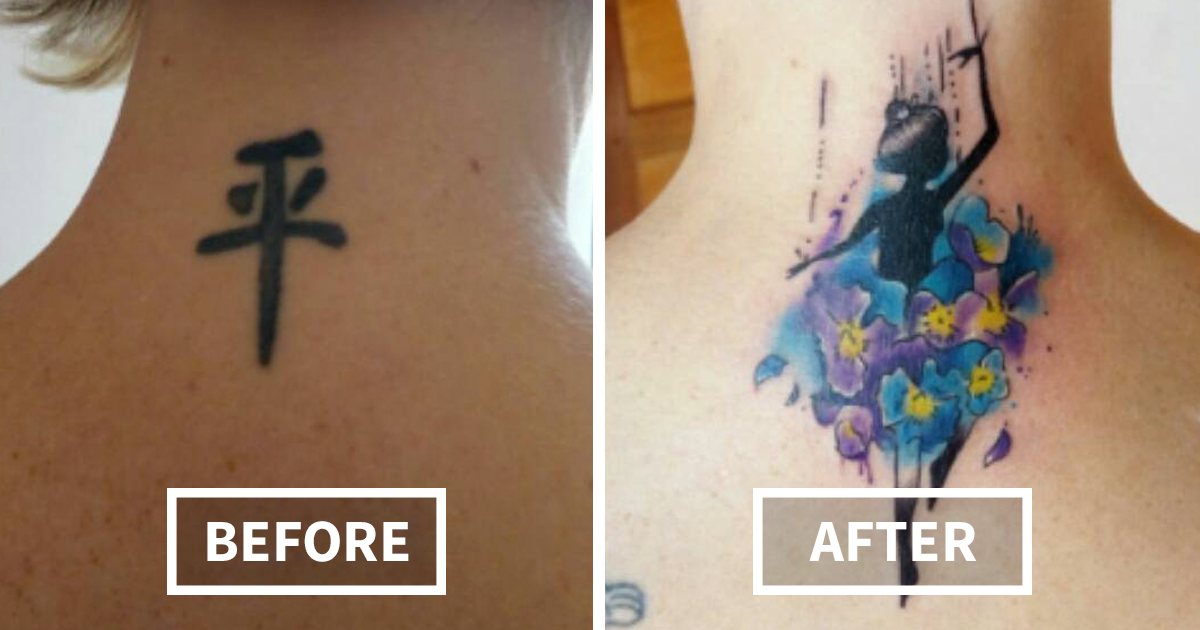
Cover-up tattoos are basically the ultimate “plot twist” for your skin: the story stays, but the ending gets a rewrite.
Whether your old ink is faded, blown out, misspelled (it happens), or just no longer you, a great cover-up can
turn regret into “wait… that’s gorgeous.”
This guide walks you through how cover-ups actually work, what to ask your artist, andmost importantly82 creative cover-up tattoo ideas
designed to camouflage, transform, and distract the eye like a magician with a tattoo machine.
How Cover-Up Tattoos Work (The “Real Talk” Version)
A cover-up tattoo isn’t like painting a wall where you slap on primer and suddenly your neon green becomes “soft oatmeal.”
Tattoo ink sits under the skin, so you’re not covering paintyou’re layering transparent color over existing pigment.
That means cover-ups succeed when the new design is built to outsmart the old one.
What makes a cover-up successful?
- Bigger is usually better: Most cover-ups need extra space for shading, detail, and visual “noise.”
- Strategic darkness (not just “go black”): Deep values in the right places can hide lines and old shapes.
- Texture and movement: Petals, feathers, fur, waves, smoke, and dotwork break up old outlines.
- Smart placement of focal points: Your eye should land on the new hero of the designnot the old tattoo’s leftovers.
- Honest design flexibility: The best cover-ups happen when you’re open to the artist’s plan (and yes, sometimes that plan is “bigger”).
Before You Commit: A Quick Cover-Up Planning Checklist
Cover-ups are half art, half strategy, and half patience (yes, that’s three halveswelcome to tattoo math).
Here’s what to do before you book:
- Take clear photos in natural light (no filtersyour tattoo doesn’t need a glow-up before the glow-up).
- Decide your goal: full camouflage, partial disguise, or a “rework” that sharpens and upgrades the original.
- Pick a specialist: not every great tattooer loves cover-upslook for healed cover-up examples in portfolios.
- Talk color honestly: very dark ink limits pastel options unless you lighten first.
- Consider “fading first” if the tattoo is dense/black/packed with ink. Even partial lightening can expand design options.
- Plan your timeline: cover-ups can take multiple sessions, especially with heavy saturation or large pieces.
- Know your local rules: age/consent requirements varymake sure you’re following the laws where you live.
Design Strategies That Make Cover-Ups Look Effortless
The best cover-up tattoo designs don’t scream “I’m hiding something!” They look intentionallike the original idea was always
this new masterpiece. Here are the main approaches artists use:
1) Camouflage with complexity
Designs with lots of detaillayered petals, dense shading, dotwork gradients, ornate filigreecreate a “visual storm” where old lines disappear.
2) Transform the old shapes
Instead of fighting the old tattoo, use it. Old curves become stems. A thick line becomes a branch. A dark blob becomes the shadow under a wing.
3) Redirect attention with a new focal point
Put the brightest highlight, sharpest contrast, or cleanest linework somewhere new. The eye follows the star of the show.
4) Embrace bold styles that “own the space”
Blackwork, neo-traditional, heavy ornamental, and certain realism pieces can overpower old inkespecially when they use deep values and strong composition.
82 Creative Cover-Up Tattoo Ideas
Use these as inspiration, not a rigid shopping list. The best cover-up tattoo idea is the one your artist custom-builds for
your old tattoo’s shapes, darkness, and placement.
Florals & Botanicals (cover-up superstars)
- Large peony bloom: layered petals and deep shadows hide old lines like a champ.
- Rose with heavy leaves: leaves provide extra dark shapes to mask stubborn ink.
- Chrysanthemum burst: lots of thin petals create texture that breaks up outlines.
- Lotus with dotwork shading: gradients help blend old ink into the background.
- Sunflower with textured center: the dark seed pattern is ideal for covering dense areas.
- Botanical bouquet (mixed flowers): multiple blooms let your artist “place” coverage exactly where needed.
- Vine wrap with leaves: winding movement distracts the eye and expands coverage naturally.
- Eucalyptus stems: soft leaf clusters create excellent mid-tone camouflage.
- Fern fronds: repeating leaflets add detail that helps hide older shapes.
- Cherry blossom branch: branches provide darker lines; blossoms add gentle focal points.
- Wildflower meadow strip: lots of small elements = less attention on any one area.
- Dark floral blackwork: bold petals and saturated blacks cover old ink efficiently.
- Floral mandala fusion: petals + geometry = maximum pattern power.
- Orchid with dramatic shading: high-contrast folds can swallow old lettering.
- Magnolia bloom: broad petals allow smooth shading transitions over old work.
- Botanical “frame” around the old tattoo: a wreath-style design distracts and partially disguises.
- Flower + insect combo: add a moth/bee to redirect attention from the covered zone.
- Floral sleeve build-out: expand into a larger composition so the old tattoo becomes just “background.”
Animals (fur, feathers, scales = natural camouflage)
- Raven or crow: dark feathers and shadow blocks are cover-up-friendly.
- Owl with layered plumage: feather texture hides lines without looking heavy.
- Hawk in flight: wings give wide coverage and strong movement.
- Snake with patterned scales: repeating scale texture breaks up old ink.
- Wolf head with realism shading: fur and deep values can bury old shapes.
- Panther (classic cover-up icon): sleek black shading works when you need serious coverage.
- Butterfly with bold wing pattern: high-contrast sections conceal old tattoo edges.
- Moth with ornate details: natural symmetry and pattern placement help strategic hiding.
- Koi fish: scales, waves, and flow give lots of cover-up options.
- Jellyfish: tentacles and soft shading can disguise awkward old linework.
- Octopus: tentacles can wrap around and “take over” the area.
- Stag or deer with antlers: antlers create branching shapes that reframe old tattoos.
Landscapes & Nature Scenes (great for large or messy tattoos)
- Mountain range with pine silhouettes: trees add dark blocks for stubborn ink.
- Forest scene with fog: misty gradients help blend old tattoo remnants.
- Ocean waves: foam, motion, and shading are perfect for disguise.
- Storm clouds with lightning accents: dramatic contrast pulls focus away from the old design.
- Night sky with a bold moon: dark sky areas provide coverage; the moon becomes the focal point.
- Desert scene with cactus silhouettes: strong shapes and shadows hide underlying lines.
- Waterfall with rocks: rock textures and shadow pockets help conceal dense ink.
- Botanical landscape “panel”: a framed scene lets your artist control edges and coverage.
Geometric & Ornamental (pattern = camouflage)
- Full mandala: symmetry, dots, and layered petals hide old tattoos elegantly.
- Ornamental lacework: dense filigree can mask lettering and small icons.
- Sacred geometry cluster: repeating shapes add complexity that distracts from old lines.
- Geometric animal silhouette: the silhouette can cover; internal geometry adds interest.
- Dotwork gradient band: smooth fade-outs help blend old ink at the edges.
- Ornamental “jewelry” piece: pendant-style designs provide strong central coverage.
- Compass-inspired ornamental: spokes and shading can swallow older linework.
- Filigree + gemstone illusion: dark scrollwork covers; “gem” highlights draw the eye.
- Henna-inspired ornamental panel: dense patterning hides cluttered old tattoos.
- Geometric sleeve filler: turn one old tattoo into part of an entire patterned flow.
Blackwork, Pattern, and Bold Solutions (when you need real coverage)
- Blackwork floral: bold petals and saturated blacks cover deeply packed ink.
- Black band with textured edges: add dotwork or smoke fades so it looks intentional, not like tape.
- Ornamental blackwork cuff: decorative borders make bands feel designed, not desperate.
- Blackout with negative-space design: keep intentional skin breaks for contrast and style.
- Brush-stroke blackwork: painterly movement makes heavy coverage look artistic.
- Patterned tile motif: repeating blocks and shadows hide old shapes reliably.
- Dense stipple shading field: dotwork can camouflage without looking like a solid blob.
- Smoke and shadow swirl: organic darks conceal while staying visually soft.
- Heavy tribal-inspired rework: bold shapes can reframe old tribal or abstract line tattoos.
- “Blast-over” style refresh: intentionally show hints of the old tattoo under bold new work for an artsy layered effect.
Mythic, Cosmic, and Fantasy Vibes (high drama = high distraction)
- Dragon with scales and smoke: smoke shading and scales hide lines in multiple ways.
- Phoenix with flame textures: flames and feathers are natural camouflage.
- Celestial swirl (stars + nebula shading): dark space gradients cover; stars add sparkle focus.
- Galaxy “splash” background: layered tones help disguise old tattoo edges.
- Moon phases with shadowed sky: build darkness between phases for coverage.
- Mythic sword with smoke/cloth: fabric folds and smoke allow strategic dark areas.
- Crystal cluster with deep shadows: shadow pockets conceal old ink; facets create new focal points.
- Tarot-inspired illustration (original art): ornate framing and shading hide old shapes beautifully.
- Spellbook + smoke + candle scene: moody shading makes stubborn ink disappear.
- Ocean-meets-space hybrid: waves + stars = movement and texture everywhere.
Objects, Nostalgia, and “Everyday Icon” Cover-Ups
- Vintage pocket watch: gears, shadows, and metallic shading cover old linework.
- Compass + map shading: textures and gradients disguise underlying ink.
- Lantern glow scene: dark surroundings cover; light “glow” becomes the focal point.
- Daggers with flowers: bold shape + soft botanicals = balanced and cover-up-friendly.
- Feather with shadow depth: feather texture breaks up old outlines without needing full blackwork.
- Ribbon/banner rework (with shading): upgrade old text by thickening, shadowing, and adding a larger design behind it.
- Camera or film strip: dark blocks and repeated frames hide old elements well.
- Abstract paint-splash + line art: splashes create chaos (the helpful kind) to mask old ink.
Abstract, Typography, and Clever Transformations
- Text-to-botanical transform: turn old lettering into stems, vines, or leaf shadows.
- Watercolor-style cloud over old lines: soft gradients help blur harsh edges (best with the right underlying tattoo).
- Minimal line tattoo upgraded into bold fine-line realism: rework and deepen values so the old design becomes the “sketch layer.”
- Geometric blackout “window” with negative-space symbol: create a bold field, then carve a clean shape in skin breaks.
- Abstract swirl with high-contrast highlights: bright focal highlights redirect attention from the covered zone.
- Full compositional reframe: expand into a larger piece so the old tattoo becomes just one background section.
Cover-Up Tattoo Aftercare Tips (Because This One’s Doing Extra Work)
Cover-ups can involve heavier shading and more saturated passes than a fresh tattoo, so aftercare matters.
Follow your artist’s instructions exactly (they know what they used and how they work).
In general, a good routine focuses on clean, calm, and protected.
- Keep it clean: wash gently with clean hands and a mild, fragrance-free cleanser as directed.
- Moisturize lightly: use a thin layeroverdoing it can keep the skin too wet.
- Don’t pick or scratch: yes, it itches; no, you may not fight it like a raccoon in a trash can.
- Avoid soaking: skip pools, hot tubs, lakes, and long baths until fully healed.
- Protect from sun: keep it covered while healing; once healed, sunscreen helps prevent fading.
- Watch for trouble signs: worsening pain, spreading redness, heat, fever, or unusual drainage should be checked by a medical professional.
Real-World Cover-Up Experiences: What People Wish They Knew (Extra 500+ Words)
If you’ve never had a cover-up tattoo, it helps to know what the experience is like emotionallynot just technically.
Many people describe walking into the consultation with a weird mix of embarrassment and excitement. Embarrassment because
they feel like they “should’ve known better” the first time, and excitement because they finally get to fix it.
Here’s the truth: tattoo regret is incredibly common, and a cover-up is less a confession and more a renovation.
Nobody shames you for updating a kitchen. Your ink deserves the same grace.
One of the biggest surprises people report is how much a good artist will edit their expectations.
You might arrive saying, “I want something small and delicate,” and the artist may gently explain that your current tattoo is
dark, bold, or scarredmeaning the cover-up needs more size, contrast, or texture to work long-term. That can feel disappointing
for about ten minutes… until you see the concept sketch and realize the bigger design actually fits your body better and looks more intentional.
In other words: sometimes the cover-up you need is cooler than the cover-up you first imagined.
Another common experience: the “this is taking longer than I thought” moment. Cover-ups often require extra consultation time,
more stencil adjustments, and sometimes multiple sessionsespecially if the artist is carefully packing dark values to neutralize old lines.
People also underestimate how much healing can influence the final look. Fresh tattoos are bold, then they soften.
Cover-ups can look a little intense at first because the artist is building a new visual hierarchy over old ink.
Once it settles, the design reads as a cohesive piece instead of a “battle scene” between old and new.
If the old tattoo carries emotional baggage, the cover-up can feel surprisingly… cathartic. People often describe it like closing a chapter:
a name that doesn’t belong anymore, a symbol tied to a past identity, or a design chosen during a rough phase.
The cover-up becomes a tangible way to say, “I’m still me, but I’ve grown.” Some even ask artists to incorporate tiny, private details
that only they understandlike a hidden initial in a leaf vein or a date disguised in a star patternso the new tattoo honors the journey
without broadcasting the entire backstory to strangers in line at the grocery store.
Practical tip that shows up in a lot of cover-up stories: don’t rush the artist selection. People who love their results usually mention
that they chose a specialist whose healed photos looked clean and readable. They also say they brought reference imagesbut stayed open to customization.
The ones who end up disappointed often describe trying to force a concept that didn’t match the old tattoo’s density or placement.
A cover-up works best when it’s designed like a tailored suit, not grabbed off a rack.
Finally, there’s the “after” feeling. Many people say the best part isn’t even the compliments (though those don’t hurt).
It’s the quiet relief of no longer flinching when they catch a glimpse of that old tattoo in a mirror.
A great cover-up doesn’t erase your pastit simply stops the past from being the loudest thing in the room.
And that’s a pretty solid upgrade.
Conclusion
A successful cover-up tattoo is part artistry, part problem-solving, and part trust. If you pick a skilled artist, stay flexible about size and style,
and choose a design built for coverageflowers, feathers, patterns, shadows, and movementyou can transform old ink into a piece you’re proud to wear.
Use the 82 ideas above as inspiration, then let your artist custom-engineer the final design for your skin.