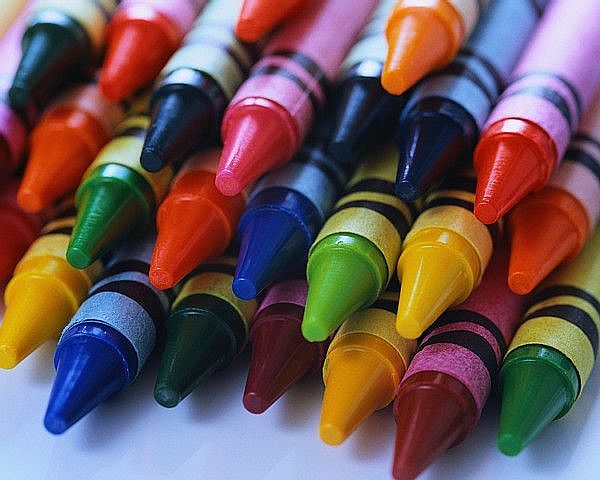
There are smells that announce themselves politely, and then there is the smell of crayons: waxy, colorful, school-supply fresh, and somehow capable of teleporting a fully grown adult back to a tiny desk with a juice box problem.
Why the Smell of Crayons Feels So Instantly Familiar
The smell of crayons is one of those small, oddly powerful joys that does not need a dramatic entrance. Open a cardboard box, lift the flap, and there it is: a warm, waxy, slightly papery scent that seems to carry an entire elementary school hallway inside it. It is not perfume. It is not fresh bread. It will not be bottled by luxury brands unless someone in marketing gets extremely brave. Yet for many people, the nostalgic smell of crayons feels more personal than almost any fancy fragrance.
That is why the topic fits so beautifully into the spirit of 1000 Awesome Things, the famous celebration of tiny everyday pleasures. The original idea behind “The smell of crayons” is simple, but that simplicity is the point. Some moments do not need fireworks. Some arrive in a yellow-and-green box, wearing paper wrappers, waiting for someone to turn a blank page into a masterpiece involving a purple dog, a red sun, and grass that aggressively ignores the laws of botany.
The main keyword here is the smell of crayons, but the deeper story is about memory, creativity, childhood nostalgia, and the humble magic of wax crayons. A crayon is not just a coloring tool. It is a tiny permission slip to make something. It says, “Go ahead, the sky can be orange today. Nobody is calling the weather department.”
The Science Behind That Waxy Crayon Scent
The classic crayon smell mostly comes from the materials used to make crayons: paraffin wax, color pigments, and the paper wrapper that spends its life hugging the crayon like a tiny craft-store burrito. Crayola has long described its standard crayons as being made primarily from paraffin wax and color pigment. The formula sounds simple, but the result is unforgettable.
Why Paraffin Wax Matters
Paraffin wax gives crayons their smooth glide, solid feel, and signature aroma. It is why crayons do not behave like pencils, markers, paint, or that one suspicious pen in the drawer that leaks on your hand like it has a personal grudge. Wax lets color sit on the paper in a way that feels physical. You can see the texture. You can press harder for deeper color. You can layer shades until your drawing gains the emotional depth of a tiny museum piece, or at least a refrigerator-worthy masterpiece.
When crayons are manufactured, the wax is heated, blended with pigments, poured into molds, cooled, labeled, and boxed. The process may be industrial, but the experience feels intimate. The scent that comes from a fresh box is a combination of material, memory, and anticipation. It tells your brain, “Something creative is about to happen, and it may involve coloring outside the lines.”
Why the Smell Sticks in Your Brain
Smell is closely connected to memory and emotion. Unlike many other senses, scent has a fast route to brain regions involved in emotional memory, including the amygdala and hippocampus. That helps explain why the crayon smell can feel less like “I remember crayons” and more like “I am suddenly seven years old, my sneakers have Velcro, and someone just told me not to eat the paste.”
This is why the scent of crayons can unlock vivid scenes: classroom carpet squares, pencil boxes, rainy recess, birthday cards made with intense seriousness, or the first time you discovered that pressing too hard breaks the black crayon. Smell does not politely knock on the door of memory. It kicks it open, turns on the lights, and points at your childhood lunchbox.
A Brief History of Crayons and Their Cultural Charm
Crayons have been part of American childhood for more than a century. Crayola introduced its first box of eight affordable, non-toxic crayons in 1903, and the brand quickly became connected with school, art, and early creativity. Those first colors were simple compared with today’s giant boxes, but simplicity was part of the genius. A child did not need professional training, expensive tools, or a studio with flattering natural light. A child needed paper, crayons, and a few minutes of glorious artistic confidence.
Over time, crayons became more than supplies. They became cultural objects. The Smithsonian has preserved Crayola boxes as part of American history, and that makes perfect sense. Crayons are not rare jewels, but they are everywhere in the memory of ordinary life. They show up in classrooms, restaurants, waiting rooms, kitchen drawers, grandparents’ houses, church basements, and the mysterious bottom of backpacks where crumbs go to retire.
The Power of the Crayon Box
A new box of crayons is a tiny ceremony. The points are perfect. The wrappers are smooth. The colors stand in neat rows, pretending they will stay organized for more than eight minutes. The built-in sharpener on the 64-count box is practically a throne. Owning one as a kid felt like being handed the keys to a rainbow with real estate value.
And then comes the smell. Before you color anything, before you choose red or blue or the oddly specific shade you suddenly need, the box gives off that familiar scent. It is wax, paper, pigment, and possibility. It is the smell of decisions: Should the house be brown? Should the dinosaur be green? Should the family portrait include a floating cat? Absolutely. Art is democracy with crayons.
Why “The Smell of Crayons” Belongs on a List of Awesome Things
The genius of 1000 Awesome Things is that it notices what busy people often overlook. Big happiness gets attention, but tiny happiness does most of the daily heavy lifting. The smell of crayons is not life-changing in a loud way. It will not pay your bills, clean your room, or explain why printer ink costs more than unicorn tears. But it does something surprisingly valuable: it reminds you that joy can be small, immediate, and free once the box is open.
It Connects Generations
Parents, grandparents, teachers, and kids all recognize the crayon smell. A toddler may not know the word “nostalgia,” but they know the excitement of choosing a color. A parent may open a box for a child and suddenly remember their own childhood art table. A teacher may smell crayons and think of the first week of school, when everything is labeled, hopeful, and not yet covered in glue.
That shared recognition is part of the magic. The smell of crayons is not locked to one decade. It travels. It belongs to the kid who colored in 1965, the kid who colored in 1995, and the kid today who is using twelve shades of blue to create a “storm dragon ocean portal,” which sounds intense and honestly deserves funding.
It Makes Creativity Feel Approachable
Crayons are humble. They do not ask whether you are talented. They do not require a software update. They do not judge your technique. They simply sit there and wait. That is part of why their smell feels comforting. It is connected to low-pressure creativity, the kind where the result does not need to be polished to be meaningful.
In an adult world obsessed with results, metrics, edits, and perfection, crayons offer a softer message: make the thing anyway. Draw the lopsided tree. Color the ocean lavender. Give the sun sunglasses. The crayon does not care whether your perspective is accurate. The crayon is just happy to be invited.
The Smell of Crayons and Childhood Nostalgia
Childhood nostalgia is powerful because it often attaches itself to objects that seemed ordinary at the time. A lunch tray. A library card. A sticker sheet. A box of crayons. Years later, these objects become emotional time machines. The smell of crayons is especially strong because it arrives through scent, and scent has a way of pulling up memories with the original feeling still attached.
You might remember sitting at a table with construction paper while someone explained the rules of a project you immediately misunderstood. You might remember coloring a holiday worksheet, carefully choosing green for a tree and then accidentally discovering that brown and green together can become “mystery swamp.” You might remember the sound of crayons rolling across a desk, the snap of one breaking, and the heroic attempt to keep using the tiny broken piece because waste was not part of your artistic brand.
The Classroom Connection
For many people, crayons smell like school. Not homework school. Not test-taking school. The good school: bulletin boards, name tags, cubbies, story time, scissors that barely cut anything, and glue sticks that disappeared at a rate science has never explained. The smell of crayons belongs to the optimistic part of learning, when a blank page did not feel intimidating. It felt like a place to begin.
That is why a crayon box can make adults sentimental. It reminds us of a time when creative work had fewer rules. You could spend twenty minutes coloring a butterfly and nobody asked about your productivity. Nobody requested a quarterly butterfly report. Nobody said the butterfly needed stronger brand positioning. It was just a butterfly, and it was magnificent.
Specific Examples of Crayon-Smell Moments Everyone Understands
Opening a Brand-New Box
This is the premium experience. The flap opens, the rows are perfect, and the smell rises like a tiny wax choir. Every crayon still has a sharp tip. Nobody has lost peach. Nobody has peeled the wrapper off blue. Nobody has used black down to a tragic stump. For one shining moment, order exists.
Finding an Old Box in a Closet
An old crayon box has a different kind of magic. The crayons are shorter. Some wrappers are torn. There are mysterious shavings in the corners. The yellow may have blue streaks because it lived a complicated life. But when you open the box, the smell is still there, softer but recognizable. It says, “Yes, we have been through some things, but we can still draw a castle.”
Coloring With a Child
Coloring with a child is a reminder that imagination does not wait for permission. A child may use ten colors for one dog, draw people with arms coming out of their heads, and explain the whole scene with total confidence. The crayon smell becomes part of that moment: warm, funny, messy, and honest.
Restaurant Crayons
Restaurant crayons are a special category. They often arrive in pairs, usually with an activity sheet that includes a maze, three trivia questions, and a cartoon mascot who looks like he knows too much. The crayons are sometimes tiny, but the smell is still there. It turns waiting for fries into a creative event.
How the Smell of Crayons Inspires Better Everyday Living
It may sound dramatic to say that a crayon smell can teach us something, but tiny joys often carry practical wisdom. The smell of crayons reminds us to slow down, notice sensory details, and make room for play. It nudges us toward creativity without demanding greatness. It asks us to enjoy the process before worrying about the result.
Make Space for Simple Creativity
You do not need to become a professional artist to benefit from crayons. Coloring can be relaxing because it gives your hands something simple to do and your mind a softer place to land. Even a quick doodle can interrupt a stressful day. The point is not to produce gallery-level work. The point is to reconnect with the part of yourself that once believed a rainbow could solve most visual problems.
Let Small Joys Count
The smell of crayons is awesome because it proves small joys deserve attention. A life made only of major milestones would be exhausting. We need tiny pleasures: clean sheets, warm cookies, a perfect parking spot, a good pencil, a dog doing a dramatic stretch, and yes, the waxy smell of crayons.
When you notice these details, ordinary days become richer. The world does not become perfect, but it becomes more textured. You begin to collect moments that are easy to miss but lovely to keep.
Experience Addendum: Personal Moments Connected to the Smell of Crayons
The smell of crayons often feels less like an object and more like a scene. Imagine opening a drawer in a family kitchen and finding the old art supplies: a rubber band around a half-used box, a few crayons without wrappers, one lonely green marker with no cap, and a pair of safety scissors that look harmless but somehow still cannot cut a straight line. The moment the crayon box opens, the scent rises, and suddenly the room feels warmer. Not because the crayons are magical in a fantasy-novel way, but because they carry the emotional fingerprints of ordinary afternoons.
One of the best crayon experiences is the serious childhood decision of choosing the “right” color. Adults may underestimate this. A child does not simply pick blue. A child considers blue, rejects blue, evaluates sky blue, debates cerulean, and finally chooses turquoise because the ocean in the picture is “happy today.” That level of artistic reasoning deserves respect. The smell of crayons sits in the background of that decision-making process like a tiny creative soundtrack.
There is also the experience of crayon texture. The first stroke of a new crayon is smooth and satisfying. It leaves a bold mark, a little waxy shine, and a faint trail of scent near the paper. Press too lightly and the color whispers. Press too hard and the crayon snaps, creating instant tragedy. Every child learns this balance. Every adult remembers it somewhere in the hands.
Another familiar moment is sharing crayons. Sharing sounds sweet until someone hoards the red crayon for seventeen minutes. Then society begins to wobble. But even that is part of the memory. Crayons teach negotiation, patience, and the harsh reality that the color you need is always in someone else’s fist. The smell of the box becomes tied to those little social lessons: waiting, trading, asking, and occasionally accepting that your apple will be purple because red is unavailable.
The smell can also show up during quieter moments. A rainy afternoon. A table covered with paper. A child drawing beside a parent. No big announcement, no expensive activity, no screen demanding attention. Just crayons, conversation, and the slow filling of empty space with color. The scent becomes a kind of comfort. It says this moment does not have to be perfect to be worth remembering.
For adults, returning to crayons can feel surprisingly refreshing. You open a box and remember that creativity used to be physical, simple, and immediate. No password. No loading bar. No tutorial. Just pick a color and begin. The smell of crayons brings back that easy invitation. It reminds you that making something can be playful, that mistakes can become part of the picture, and that not every blank page is a threat. Some blank pages are just waiting for a blue house, a green moon, and a person with very ambitious hair.
That is why the crayon smell still matters. It is not only about childhood. It is about access to a lighter version of yourself: curious, less polished, less afraid of being silly. The scent carries classroom mornings, kitchen-table crafts, birthday cards, restaurant placemats, and the small pride of taping your own artwork to the wall. In a world that constantly asks people to be efficient, crayons quietly ask them to be human.
Conclusion: A Tiny Waxy Reminder That Life Is Still Colorful
The smell of crayons deserves its place among awesome things because it captures so much in one small sensory moment. It is history, science, nostalgia, creativity, and comfort packed into a cardboard box. It reminds us of classrooms, family tables, rainy afternoons, and the fearless imagination of childhood. It also reminds us that joy does not always arrive in dramatic packages. Sometimes it smells faintly like wax and paper.
Crayons are simple, but their emotional reach is surprisingly deep. Their scent can bring back memories, spark creativity, and reconnect us with the everyday pleasures we often ignore. The next time you open a crayon box, take one second before coloring. Notice the smell. Let it do its tiny time-travel trick. Then grab a color and make something wonderfully unnecessary.
AWESOME.

