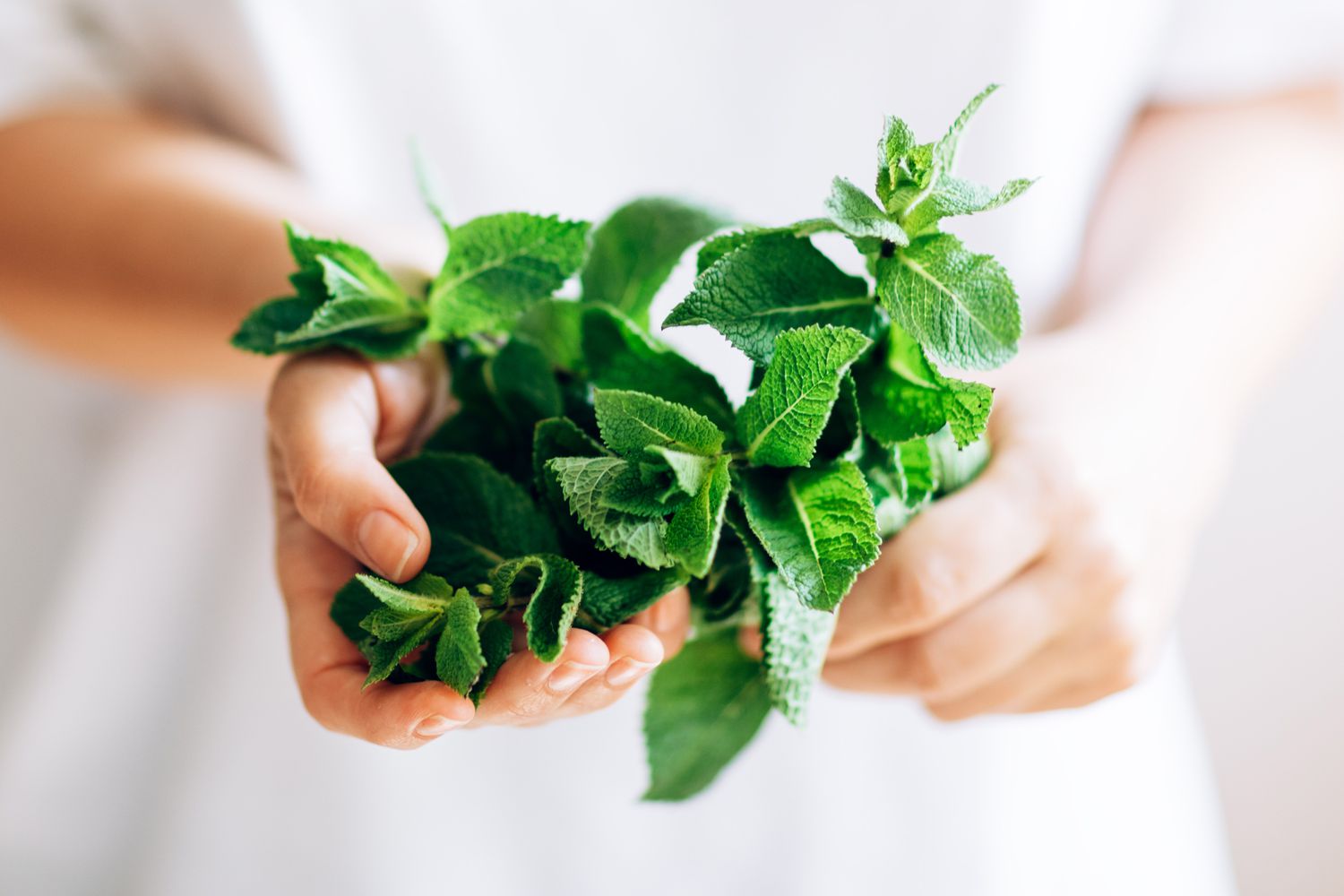
Mint is the overachiever of the herb world. It shows up everywheretea, salads, toothpaste commercials and somehow always looks fresh, even when the rest of your fridge is giving “end-of-week documentary.” But mint isn’t just a flavor cameo. It’s a legit, nutrient-packed plant with bioactive compounds that do more than make your water taste like it went to spa school.
Before we get into the good stuff, a quick reality check: mint isn’t a miracle cure, and most people use it in small amounts (a few leaves here, a cup of tea there). Still, “small but mighty” is kind of mint’s whole personality. The leaves bring nutrients, antioxidants, and traditional comfort benefitsplus some science-backed uses (especially for peppermint oil).
Let’s break down the top mint benefits that make this herb more than just a garnish with confidence.
Mint Nutrition in Plain English
Fresh mint (peppermint or spearmint) is very low in calories, but it contributes meaningful plant compounds and select vitamins and mineralsespecially when you use it regularly. Mint is best known nutritionally for:
- Vitamin A (important for vision, immune function, and skin health)
- Small amounts of vitamin C and folate (depending on variety and serving size)
- Trace minerals like manganese and iron in modest amounts
- Polyphenols (antioxidant compounds such as rosmarinic acid and flavonoids)
Translation: you’re not eating mint for protein or caloriesyou’re using it for flavor that comes with a bonus bundle of micronutrients and protective plant compounds.
Benefit #1: Mint Is a Sneaky-Good Source of Vitamin A
If mint had a résumé, “Vitamin A provider” would be near the top. Vitamin A supports normal vision (including low-light vision), immune function, and healthy skin. Leafy herbs often concentrate carotenoids, and mint is no exception.
What this looks like in real life
You’re not likely to meet your full daily vitamin A needs from a couple of leaves. But adding mint regularlyblended into sauces, tossed into salads, stirred into yogurt, or brewed as teacan help nudge your overall nutrient intake upward. It’s a classic “little habit, big payoff over time” situation.
Easy add-in ideas
- Chop mint into cucumber-tomato salad with olive oil and lemon.
- Blend mint into a green smoothie (it plays well with pineapple and spinach).
- Stir chopped mint into plain Greek yogurt with berries.
Benefit #2: Mint Brings Antioxidants That Help Your Cells Chill Out
Oxidative stress is basically what happens when your body has more “cell-rust” pressure than it can comfortably manage. Antioxidants help balance that by neutralizing free radicals. Mint contains multiple antioxidant compounds, including polyphenols and flavonoids (rosmarinic acid gets a lot of attention in mint research).
Why it matters
Diets rich in antioxidant-containing plants are consistently associated with better long-term health. Mint won’t replace fruits and vegetables, but it’s a simple way to add more plant varietyone of the most underrated nutrition strategies.
Pro tip
Treat mint like a vegetable, not a decoration. A few leaves is nice. A small handful is better. (Your taste buds will adjust. They’re flexible like that.)
Benefit #3: Mint Can Support Digestive Comfort (Gas, Bloating, Indigestion)
Mint’s reputation for soothing the stomach isn’t just folklore with good PR. Peppermint contains compounds (including menthol) that can relax smooth muscle in the digestive tract, which may help with cramping and that “my stomach is arguing with my lunch” feeling.
How people commonly use it
- Peppermint tea after meals for mild bloating or discomfort
- Fresh mint added to meals that tend to feel heavy
- Mint + ginger tea as a gentle post-meal option
Important caution
If you deal with frequent heartburn or GERD, mint (especially peppermint) can sometimes make symptoms worse by relaxing the lower esophageal sphincter. If mint tea reliably triggers reflux for you, your body is giving feedbacklisten to it.
Benefit #4: Peppermint Oil Has Real Evidence for IBS Symptoms
This is where mint goes from “helpful kitchen herb” to “clinically studied.” Enteric-coated peppermint oil capsules (designed to pass through the stomach and release in the intestines) have been studied for irritable bowel syndrome (IBS)especially abdominal pain, cramping, and bloating.
What the science suggests
Clinical guidelines and multiple studies support peppermint oil as a reasonable option for IBS symptom relief in adults, particularly short-term. It appears to work partly by relaxing intestinal smooth muscle and influencing gut sensitivity.
Use it smart
- Look for enteric-coated capsules (non-coated forms are more likely to cause heartburn).
- If you take medications or have chronic conditions, ask a clinician first.
- Skip DIY dosing with essential oilsthose are concentrated and not meant to be swallowed casually.
Benefit #5: Mint May Help with Nausea (Tea or Aromatherapy)
Nausea is inconvenient at best and miserable at worst. Peppermint is commonly used as a gentle remedy, and there’s some research suggesting peppermint oil aromatherapy may reduce nausea in certain settings (including nausea related to medical treatments). For everyday mild nausea, many people reach for peppermint tea because it’s easy, caffeine-free, and generally well tolerated.
Try this first (simple, non-dramatic options)
- Sip warm peppermint tea slowly.
- Smell peppermint gently (like a mint tea steam moment), not a “stick-your-face-in-a-diffuser” situation.
- Pair with bland foods (toast, rice) if your stomach is sensitive.
When to be cautious
If nausea is severe, persistent, or paired with red-flag symptoms (like dehydration), don’t rely on tea alone. And again: if mint triggers reflux, it may backfire.
Benefit #6: Mint Can Support Oral Freshness (But Choose the Right Form)
Mint is famous for breath fresheningand not only because it smells like “clean.” Mint oils have shown antimicrobial effects in oral research, and peppermint-based rinses have been studied for reducing halitosis (bad breath) in some settings.
The part most people miss
A minty flavor can mask odors without fixing the cause. If the issue is trapped food, dry mouth, or gum disease, mint is a temporary cover. The best breath strategy is still basics: brushing, flossing, tongue cleaning, hydration, and regular dental care.
Smarter mint choices
- Sugar-free gum (stimulates saliva, which helps protect enamel)
- Sugar-free mints (better than sugary ones, but don’t overdo them)
- Mint tea (refreshing and hydration-friendly)
Benefit #7: Mint Can Make Cold Symptoms Feel More Bearable
Mint won’t “cure” a cold, but menthol can create a cooling sensation that helps you feel like you’re breathing more freely. That sensation matters when you’re congested and trying to sleep. Research on aromatic ointments containing menthol (often alongside eucalyptus and camphor) suggests improvements in perceived nasal airflow and sleep quality for cold symptoms.
Practical ways people use mint for cold comfort
- Peppermint tea with honey (soothing, warm, hydration-friendly)
- Steam inhalation with mint tea (gentle, not intense essential-oil exposure)
- Mentholated rubs used as directed (especially at night)
Safety note
Menthol products and essential oils are not “more is better.” Follow label directions, keep them away from eyes, and avoid using menthol on infants or small children’s faces.
How to Get More Mint Benefits Without Turning Your Kitchen into a Candy Cane Factory
The easiest way to benefit from mint is to use it often and in real food. Here are some practical, not-weird ideas:
- Mint water: Add mint + citrus + cucumber. Tastes fancy. Costs basically nothing.
- Chimichurri-style mint sauce: Mix mint with parsley, garlic, olive oil, lemon, salt.
- Frozen mint cubes: Blend mint with a little water, freeze in an ice tray, toss into soups or smoothies.
- Mint on fruit: Watermelon + mint + lime is undefeated.
- Mint in grains: Add chopped mint to couscous, quinoa, or rice with lemon zest.
Conclusion: Mint Is Small, Nutrient-Dense, and Surprisingly Useful
Mint earns its spot as more than a garnish. It contributes vitamin A and beneficial plant compounds, adds antioxidant variety to your diet, and has a long history (plus modern evidence) for digestive comfort. Peppermint oilespecially in enteric-coated capsuleshas research support for IBS symptom relief. And when you’re dealing with nausea, bad breath, or a stuffy cold, mint can be a simple, low-effort comfort tool.
The smartest approach is to use mint as part of an overall healthy routine: real meals, hydration, sleep, and common-sense medical care when needed. In other words, mint can helpbut it doesn’t do your taxes.
Real-Life Mint Experiences: The “Oh, That Actually Helps” Moments (Extra)
Mint is one of those herbs people don’t think about until they suddenly really need itlike when your stomach feels a little dramatic after a heavy meal, or when your breath is telling the truth about the garlic you ate two hours ago. If you’ve ever kept mint around “just in case,” you’re not alone. Many people end up developing small mint habits that stick because they’re easy and genuinely helpful.
One common experience is the post-meal peppermint tea ritual. It’s not that tea magically erases overeatingnothing doesbut the warm, minty steam and that cooling taste can feel settling. People often describe it as a reset button: you finish dinner, your stomach feels full, and a cup of mint tea helps you slow down and let digestion do its thing. It’s also an easy swap for dessert when you want something satisfying but not sugary.
Another mint moment happens in the middle of a busy day. You’re stressed, you forgot to drink water, and suddenly your stomach feels off. Some people keep peppermint tea bags at school or work because it feels gentler than coffee and doesn’t add caffeine jitters. Even the smell can feel “clean” and groundinglike your brain just opened a window. (Not a scientific term, but honestly accurate.)
Mint also shines in everyday food upgrades. A handful of chopped mint in a salad can make basic ingredients taste brighter, which makes it easier to enjoy healthy meals without drowning them in heavy sauces. People who like meal prepping often say mint prevents “flavor boredom.” Chicken and rice can feel repetitive; add lemon and mint, and suddenly it feels like you planned your life.
For oral freshness, lots of people notice a difference when they switch from sugary mints to sugar-free options or gum. The experience is usually less “wow” and more “my mouth feels less dry.” That matters because dry mouth can make breath worse. Mint doesn’t replace brushing and flossing, but it can be a practical in-between helperespecially after lunch or coffee.
And then there’s the “stuffy nose at night” experience. When you’re congested, anything that makes breathing feel easier is a big deal. Many people love the cooling sensation of menthol or a warm mint drink before bed because it makes the whole situation feel less miserable. It’s not curing the cold, but it can make you feel more comfortablesometimes enough to actually fall asleep, which is the real comeback strategy.
Finally, mint tends to become a gateway herb. People start with peppermint tea, then try fresh mint in water, then plant a little pot of spearmint, and suddenly they’re the person offering guests “mint from the garden.” That’s how it gets you: mint is low effort, high reward, and quietly nutritious. Not bad for a plant that mainly gets credit for toothpaste.