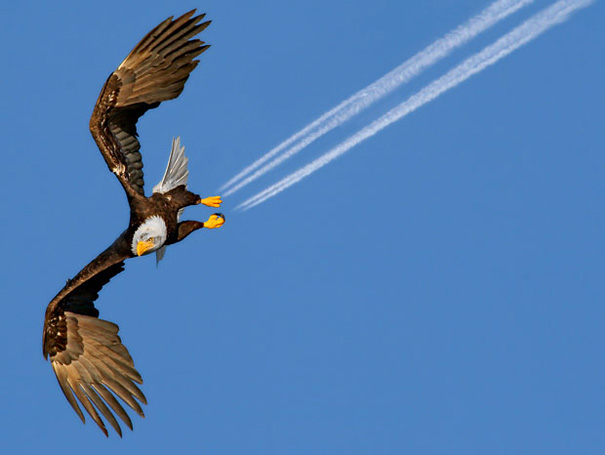
There are normal animal photos, and then there are perfectly timed animal photosthe kind that make you stare for three seconds, laugh for ten, and then immediately send them to someone with the message, “LOOK AT THIS.” A squirrel appears to be doing yoga. A bird flies behind a dog and suddenly the dog has wings. A cat jumps at the exact moment its face says, “I have made a terrible career decision.” These images work because they catch nature in the tiny gap between ordinary life and complete visual comedy.
The magic of 50 perfectly timed animal photos is not just that animals are cute, weird, dramatic, majestic, and occasionally shaped like throw pillows with opinions. It is that timing turns everyday movement into a story. A blink becomes a wink. A leap becomes a superhero landing. A yawn becomes an opera performance. A duck shaking water off its feathers becomes a tiny feathered explosion.
Great animal photography depends on patience, observation, respect, and a little luck. Photographers often wait a long time for wildlife to relax into natural behavior, and ethical photography guidelines from wildlife organizations emphasize keeping a safe distance, avoiding stress, and never forcing an animal to “perform” for a shot. The best photos happen when the animal is simply being itselfand the camera is ready when the universe decides to make a joke.
Why Perfectly Timed Animal Photos Are So Addictive
Humans love patterns, surprises, and tiny moments that feel bigger than they are. Perfectly timed animal pictures deliver all three. They show us a fox mid-pounce, a horse with wind-blown hair like a shampoo commercial, or a raccoon peeking from a trash can with the confidence of a homeowner checking the mailbox.
These photos also feel wonderfully honest. Animals are not trying to be funny. A goat does not wake up and think, “Today I shall create viral content.” A pelican does not rehearse an awkward landing for maximum engagement. Their innocence makes the humor better. The comedy arrives naturally, like a gift from the animal kingdom wrapped in feathers, fur, mud, and suspiciously judgmental eye contact.
The 50 Perfectly Timed Animal Photo Moments Everyone Loves
Instead of simply listing “funny animal pictures,” let’s explore the most common types of perfectly timed animal photosthe kinds that repeatedly win hearts online, appear in wildlife photography contests, and make viewers wonder whether animals secretly understand comedic timing better than humans.
1. The Mid-Air Leap
Few things are better than an animal suspended in the air. Dogs look heroic, cats look surprised by gravity, deer look like ballet dancers, and goats look like they are testing new software. A mid-air animal photo freezes movement at the exact point where the body becomes a question mark.
2. The Accidental Wing Swap
A bird flies behind a dog, horse, cow, or person at the perfect second, and suddenly the subject appears to have wings. These optical illusion animal photos are classics because they turn ordinary scenes into mythical creatures. Congratulations, your Labrador is now a budget-friendly Pegasus.
3. The Dramatic Yawn
Yawn photos are comedy gold. Lions look like they are roaring at customer service. Hippos look like they are announcing a royal decree. Cats look like tiny vampires who forgot their speech. The timing matters because one fraction of a second later, the drama disappears.
4. The Food Theft Moment
Seagulls are undefeated champions of surprise snack acquisition. Perfectly timed photos of birds stealing fries, sandwiches, ice cream, or dignity are popular because they capture the exact moment when human confidence meets bird strategy. The bird always wins.
5. The Photobomb
Animal photobombs are among the internet’s finest treasures. A horse smiles behind a couple. A llama leans into a selfie. A giraffe appears in the background like it has been waiting for its cue. The best photobombs feel intentional, even when the animal probably just noticed someone had snacks.
6. The Water Shake Explosion
A wet dog shaking off water is not a pet; it is a rotating sprinkler with feelings. Perfect timing turns flying droplets into a sparkling halo. Dogs look ridiculous, powerful, and deeply committed to making the floor everyone’s problem.
7. The “Did I Do That?” Face
Some animal photos capture the immediate aftermath of chaos: a knocked-over plant, a shredded pillow, a guilty dog, a cat sitting beside a broken vase with the calm expression of a courtroom attorney. These images are perfectly timed because the face tells the whole story.
8. The Mirror Illusion
Two animals line up in perfect symmetry, or one animal stands near water at just the right angle. The result is a visual puzzle. Is it one animal? Two animals? A duck with a backup duck? Viewers love these shots because they reward a second look.
9. The Funny Landing
Birds are beautiful in flight, but landings can be delightfully awkward. A perfectly timed landing photo may show a puffin with wings out, feet forward, and the expression of someone realizing the runway is shorter than expected. Nature is gracefuluntil it is not.
10. The Tiny Animal, Big Attitude
A chipmunk standing upright. A frog looking personally offended. A hamster gripping food like it just won a prize fight. Photos that capture small animals with enormous personality are irresistible because they make tiny creatures look like main characters in a dramatic television series.
What Makes a Perfectly Timed Animal Photo Work?
A great perfectly timed animal photo usually has four ingredients: motion, expression, context, and surprise. Motion gives the photo energy. Expression gives it personality. Context tells us what is happening. Surprise makes us laugh, gasp, or zoom in like amateur detectives.
For example, a dog catching a ball is nice. A dog missing the ball while making a face that says, “I trusted you,” is unforgettable. A horse standing in a field is peaceful. A horse standing exactly where a tree branch appears to grow from its head is comedy architecture.
Composition also matters. Clean backgrounds make the subject easier to understand. Good light adds detail and emotion. Fast shutter speeds help freeze action, especially with running pets, flying birds, splashing water, or animals making sudden movements. But even the best equipment cannot replace awareness. The photographer has to recognize when something is about to happen.
The Role of Patience in Animal Photography
Patience may be the least glamorous photography skill, but it is often the most important. Animals do not follow scripts. A fox will not repeat its jump because the focus was soft. A bird will not return to the branch because the photographer forgot to change settings. A cat will do the perfect thing only when the camera is off, because cats understand power.
Wildlife photographers often study animal behavior before heading into the field. Knowing when birds feed, when deer move, when squirrels become most active, or how a pet reacts to toys can make the difference between a blurry tail and a frame-worthy moment. The more you understand an animal’s habits, the better your chances of predicting the action.
Ethics Matter: The Best Shot Is Never Worth Stressing an Animal
Perfectly timed animal photos should be fun, but they should never come at the animal’s expense. Ethical wildlife photography means keeping distance, respecting habitats, avoiding nests and young animals, and letting wildlife behave naturally. In parks and protected areas, photographers should follow local rules about distance and viewing. For marine animals, responsible viewing guidelines commonly recommend staying well away from whales, dolphins, seals, sea lions, and turtles.
The same principle applies to pets. A funny pet photo is not worth frightening a dog, cornering a cat, or forcing an animal into an uncomfortable pose. The funniest images usually come from trust and comfort. A relaxed pet will show more personality than a stressed one. Also, your cat will remember everything, and possibly invoice you later.
How Photographers Capture These Blink-and-You-Miss-It Moments
Perfect timing can look like pure luck, but skilled photographers stack the odds in their favor. They use burst mode, fast shutter speeds, steady framing, and careful observation. They get low to the ground for a more dramatic perspective. They watch body language: a crouching cat may jump, a dog staring at a toy may sprint, a bird leaning forward may take flight.
Smartphone photographers can do this too. Modern phones have excellent burst features and fast autofocus. If your dog is running toward you, hold the shutter and take multiple frames. If your cat is about to pounce, start shooting before the leap. If a squirrel looks suspiciously ambitious near your picnic, document the crime for historical records.
50 Ideas for Perfectly Timed Animal Photos
Here are 50 photo ideas and moments that capture the spirit of perfectly timed animal photography:
- A dog catching a treat mid-air with maximum concentration.
- A cat leaping between furniture like a furry missile.
- A bird flying behind another animal to create “wings.”
- A horse shaking its mane in dramatic slow-motion style.
- A squirrel frozen mid-jump between branches.
- A frog sitting with a strangely human expression.
- A duck landing on water with splashy enthusiasm.
- A dog shaking off water after a swim.
- A cat yawning like a tiny lion.
- A lion yawning like a dramatic stage actor.
- A raccoon peeking from a trash can like a landlord.
- A bird stealing food at the exact second of victory.
- A goat jumping sideways for no obvious reason.
- A rabbit caught mid-hop with ears flying.
- A seal popping its head from water with comic timing.
- A dolphin breaching beside a boat from a safe distance.
- A cow licking its nose at the perfect moment.
- A llama leaning into a selfie.
- A giraffe photobombing a safari shot.
- A puppy tripping gently over its own paws.
- A kitten discovering a mirror.
- A bird landing awkwardly on a branch.
- A penguin slipping but looking dignified anyway.
- A bear cub climbing with a surprised face.
- A fox diving into snow.
- An owl blinking one eye like it knows a secret.
- A turtle stretching its neck toward the sun.
- A hamster stuffing its cheeks beyond reason.
- A dog wearing accidental flower “hair.”
- A cat framed by a circular object like a portrait.
- A deer standing where branches look like extra antlers.
- A fish jumping out of water at the exact peak.
- A bee hovering near a flower in sharp focus.
- A butterfly landing on a pet’s nose.
- A sheep staring directly into the camera with attitude.
- A donkey smiling at the fence.
- A parrot spreading wings like a superhero cape.
- A dog catching a frisbee with full commitment.
- A cat missing a jump but pretending it was planned.
- A horse rolling in dust with joyful chaos.
- A baby elephant spraying water from its trunk.
- A monkey making a face that looks suspiciously human.
- A pelican opening its bill at an absurd angle.
- A peacock shaking feathers in full display.
- A crab holding its claws like a tiny boxer.
- A flamingo balancing in a funny one-legged pose.
- A dog’s ears flying upward while it runs.
- A cat hiding in a box with only eyes visible.
- A bird perfectly aligned with the sun or moon.
- An animal looking shocked by something just outside the frame.
Why These Photos Feel So Shareable
Perfectly timed animal photos are shareable because they are instantly understandable. You do not need a long explanation to enjoy a dog with wind-blown ears or an owl looking offended. The image does the work. In a crowded online world, that matters. A funny animal photo gives people a quick emotional reset. It says, “Here, take a break. This squirrel appears to be holding a business meeting.”
They also cross language barriers. Humor based on timing, expression, and surprise is easy to understand. A cat falling into a laundry basket is funny in English, Spanish, Vietnamese, and probably cat language, although in cat language the official translation is “I meant to do that.”
How to Take Your Own Perfectly Timed Animal Photos
Use Burst Mode
Burst mode is your best friend when photographing movement. Animals move quickly, and the perfect expression may last less than a second. Taking a sequence increases your chance of finding the one magical frame hiding between seventeen blurry images of a tail.
Watch Before You Shoot
Spend time observing. Does your dog tilt its head when it hears a squeaky toy? Does your cat jump after wiggling its back legs? Do birds in your yard visit the same perch before flying to the feeder? Patterns help you prepare.
Get on the Animal’s Level
Lower angles often make animal photos more engaging. A dog photographed from eye level feels more heroic. A frog photographed from ground level becomes a tiny swamp philosopher. A cat photographed from below becomes your new manager.
Keep Backgrounds Simple
A cluttered background can ruin a funny moment. Try to frame animals against grass, sky, water, walls, or simple indoor spaces. The cleaner the scene, the easier it is for viewers to understand the joke.
Respect the Subject
Never chase, corner, bait, or disturb an animal for a photo. With wildlife, use zoom instead of getting too close. With pets, keep sessions short, positive, and relaxed. The goal is to capture personality, not create stress.
The Beauty Behind the Comedy
Although many perfectly timed animal photos are funny, they can also be beautiful. A hummingbird frozen beside a flower reveals wing movement we cannot see clearly with the naked eye. A fox diving into snow shows instinct and athleticism. A whale tail rising from the ocean reminds us how powerful and mysterious wildlife can be.
That is the secret strength of animal photography: humor can open the door to appreciation. We laugh first, then look closer. We notice textures, movement, behavior, and environment. A funny photo can make someone care more about birds, forests, oceans, rescue pets, or conservation. Not bad for a squirrel with questionable posture.
Extra Experience: What Perfectly Timed Animal Photos Teach Us
Spending time with perfectly timed animal photos is a surprisingly useful reminder about attention. In daily life, we often rush past small scenes because they do not seem important. A dog rolling in grass, a bird hopping along a fence, a cat watching sunlight move across the floorthese moments are easy to miss. But photography teaches us that ordinary seconds can become memorable when we actually notice them.
Anyone who has tried to photograph animals knows the experience is humbling. You may plan the perfect shot, choose the right location, adjust the settings, and prepare like a professional. Then the dog runs the wrong direction, the cat refuses to participate, the bird leaves, and the squirrel performs the greatest jump of its life while your camera is pointed at a tree. Animal photography teaches patience with a small side order of emotional damage.
It also teaches flexibility. The photo you wanted may not happen, but a better one might appear. Maybe you were waiting for your dog to sit politely, but instead you captured the exact moment it sneezed with both ears flying upward. Maybe you wanted a graceful bird portrait, but the bird blinked and looked like a tired office worker on Monday morning. These surprises are often more interesting than the original plan.
There is also something joyful about seeing animals as individuals. A perfectly timed photo can reveal personality in a way a posed picture cannot. A dog’s clumsy jump, a horse’s goofy grin, a parrot’s dramatic wing spread, or a rabbit’s suspicious stare can make an animal feel familiar. The viewer may not know the animal’s name, but they understand the mood immediately.
For pet owners, these photos become emotional keepsakes. A technically perfect portrait is lovely, but the slightly chaotic photo often becomes the favorite: the puppy with one ear flipped inside out, the cat halfway inside a paper bag, the old dog smiling in the sun, the guinea pig caught mid-snack with the seriousness of a tiny food critic. These images preserve not just appearance, but character.
For wildlife lovers, perfectly timed photos can deepen respect. They show that animals are not background decorations in human spaces. They are active, alert, adaptive creatures living complex lives. A bird balancing in the wind, a fox hunting, a seal resting, or a deer watching from the trees reminds us that good photography is not about controlling nature. It is about witnessing it.
The best experience related to perfectly timed animal photos is the moment after the shot, when you review the frame and realize you caught something special. Maybe it is funny. Maybe it is beautiful. Maybe it is both. Either way, it feels like being handed a tiny secret by the natural world. And if that secret happens to involve a dog looking like it just discovered taxes, even better.
Conclusion
50 perfectly timed animal photos celebrate the split-second magic that happens when instinct, movement, expression, and luck meet the camera. These images make us laugh, but they also remind us to slow down and pay attention. Whether the subject is a household pet, a backyard bird, or a wild animal seen from a respectful distance, the best photo is the one that captures real behavior without causing harm.
In the end, perfectly timed animal photography is not only about pressing the shutter at the right moment. It is about being present enough to notice when the moment arrives. Sometimes that moment is majestic. Sometimes it is adorable. Sometimes it is a raccoon looking guilty in a trash can. Nature contains multitudes.