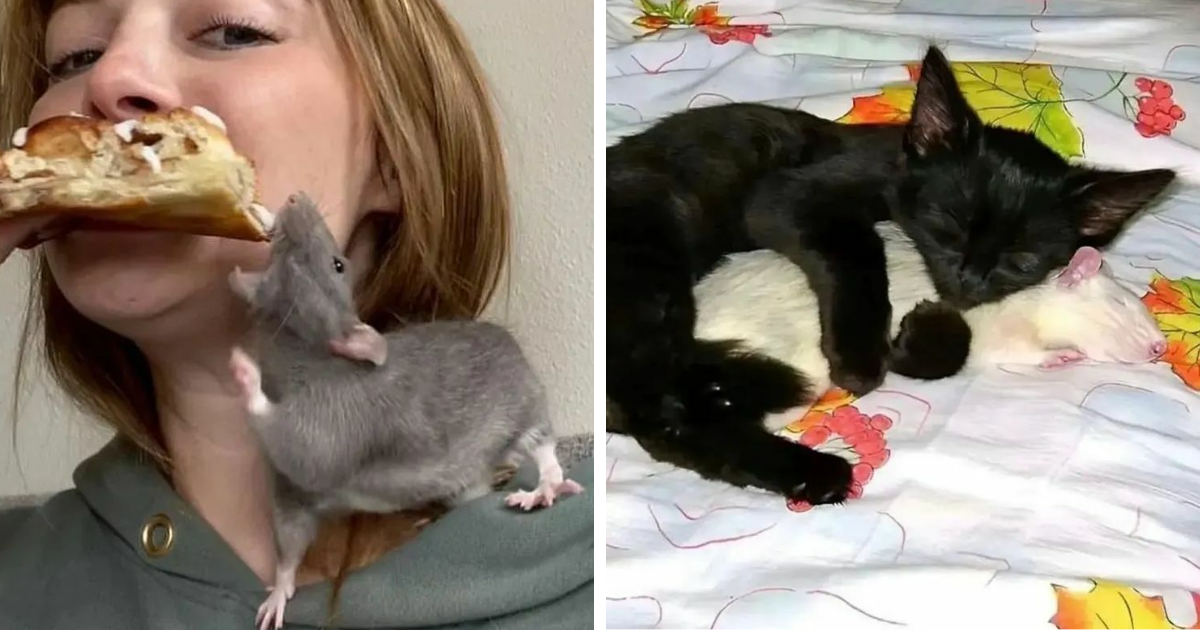
Some animals win hearts with fluffy tails, dramatic meows, or the ability to stare at you like you personally canceled dinner. Pet rats, however, have a quieter strategy: tiny hands, shiny eyes, ridiculous whiskers, and the confidence of a creature that knows it can fit inside a hoodie pocket and still run the household.
If you have ever scrolled past a photo of a fancy rat curled in a fleece hammock, holding a pea like a royal snack, or popping its nose out of a blanket burrito, you already know the problem. One cute rat picture becomes five. Five becomes fifty. Suddenly, you are researching cage sizes at midnight and wondering whether “Professor Nibbles” is too formal for a future roommate with whiskers.
This article celebrates the charm behind those 50 adorable pet rat pics that make people rethink everything they thought they knew about rats. More importantly, it explains why domestic pet rats are not just photogenic little beans. They are social, intelligent, affectionate, playful companions with real care needs, real personalities, and a surprising talent for turning skeptics into devoted rat people.
Why Pet Rats Are Suddenly Winning the Internet
Pet rats are not new, but social media has given them a much-deserved public relations makeover. For decades, rats were unfairly lumped together with wild city rodents, horror-movie basements, and cartoon villains with suspiciously good posture. Domestic rats, also called fancy rats, are different. They are bred as companion animals and are known for being curious, trainable, clean, and deeply social.
The camera loves them because they are expressive in a way that feels almost cartoonishly human. They peek. They sniff. They clutch snacks with both paws. They sleep in piles with their cage mates like tiny furry cinnamon rolls. A good rat photo does not just say, “Look at this animal.” It says, “This animal has a full emotional calendar and probably opinions about your laundry basket.”
The Power of Tiny Hands
Let’s be honest: pet rats holding food may be one of the strongest arguments for peace on Earth. A rat eating a blueberry looks like a miniature scholar contemplating life’s mysteries. A rat holding pasta looks like a chef who has seen things. Their little paws make even ordinary moments feel staged by a professional cuteness director.
That is why collections of adorable rat pictures are so persuasive. They show rats doing what they do best: exploring, bonding, grooming, snuggling, climbing, and stealing the spotlight from pets ten times their size.
50 Adorable Pet Rat Picture Ideas That Could Convert Anyone
If you are building a photo gallery, blog post, or social media roundup, variety matters. The best rat pictures do more than show a cute face. They reveal personality. Below are 50 charming photo concepts that capture why pet rats are such lovable companions.
Cozy Rat Moments
1. A sleepy rat tucked into a fleece blanket like a tiny burrito.
2. Two rats napping in a hammock, stacked like pancakes.
3. A dumbo rat peeking out from a soft pouch.
4. A rat curled inside a knitted hat.
5. A pair of rats snuggling in a hideout with only their noses showing.
6. A rat using another rat as a pillow, because friendship sometimes means becoming furniture.
7. A sleepy whiskered face pressed against the cage door during nap time.
8. A rat tucked into a sleeve, looking like it pays rent there.
9. A cozy “rat pile” showing how social rats love sleeping together.
10. A baby rat nestled safely in two gentle hands.
Snack-Time Cuteness
11. A rat holding a pea with great seriousness.
12. A rat enjoying a tiny piece of banana.
13. A rat investigating a bowl of fresh vegetables.
14. A whiskery close-up after a blueberry snack.
15. A rat nibbling cooked pasta like a tiny Italian food critic.
16. A rat holding a piece of carrot with both paws.
17. A group of rats sharing treats politely.
18. A rat sniffing a strawberry almost as big as its head.
19. A rat enjoying a small piece of cooked egg.
20. A rat stealing one oat and acting like an international jewel thief.
Playful and Curious Rats
21. A rat climbing a rope ladder.
22. A rat exploring a cardboard tunnel maze.
23. A rat balancing on a safe climbing platform.
24. A rat popping out of a paper bag.
25. A rat inspecting a toy like a tiny engineer.
26. A rat learning to come when called.
27. A rat jumping through a small hoop during training.
28. A rat standing on hind legs to investigate the camera.
29. A rat climbing onto a shoulder like a furry pirate.
30. A rat exploring a supervised playpen filled with enrichment toys.
Bonding With Humans
31. A rat sitting calmly on someone’s shoulder.
32. A rat cuddling inside a hoodie pocket.
33. A rat gently licking a fingertip.
34. A rat sitting in a person’s palm, looking perfectly at home.
35. A rat responding to its name during training.
36. A rat riding safely in a bonding scarf.
37. A rat grooming its trusted human’s hand.
38. A rat peeking from behind someone’s hair.
39. A rat posing beside a book during study time.
40. A rat looking into the camera as if it understands your browser history.
Funny Rat Personality Shots
41. A rat mid-yawn, looking like a tiny opera singer.
42. A rat with wild bedhead after a nap.
43. A rat caught hoarding bedding in its mouth.
44. A rat standing in a food bowl like that was always the plan.
45. A rat dramatically sniffing the air.
46. A rat hiding under a tissue with total confidence.
47. A rat poking only its nose through a tunnel.
48. A rat giving a side-eye worthy of a sitcom.
49. A rat caught rearranging cage bedding at 2 a.m.
50. A rat posing beside a tiny sign that says, “I am the boss.” Accurate.
Are Pet Rats Good Pets?
Yes, pet rats can be wonderful pets for the right household. They are especially appealing to people who want an interactive small pet rather than one that mostly watches life from a corner. Rats often learn routines, recognize familiar people, enjoy gentle handling, and respond well to positive reinforcement training.
They are also highly social. A lone rat may become lonely, bored, or stressed, which is why many animal welfare organizations recommend keeping rats in same-sex pairs or small bonded groups. Two rats are not twice the work in the way people fear. In many cases, they are happier, more active, and more emotionally balanced because they can groom, sleep, play, and communicate with another rat.
They Are Smart Enough to Keep You Humble
Pet rats are clever. They can learn tricks, solve simple puzzles, respond to food-based training, and figure out exactly which part of the cage door you forgot to secure. Many owners teach rats to spin, come when called, climb onto a hand, retrieve objects, or run through homemade obstacle courses.
This intelligence is one reason they need enrichment. A bored rat is not a decorative potato. It is a small problem-solving machine wearing fur. Safe chew toys, tunnels, hammocks, ropes, foraging activities, cardboard boxes, and supervised out-of-cage time help keep their busy brains occupied.
They Can Be Affectionate
Not every rat is a cuddle bug on day one. Like people, rats have individual personalities. Some are bold explorers. Some are shy observers. Some want to climb your shoulder immediately and supervise your emails. With patient handling, many domestic rats become affectionate companions who enjoy being near their humans.
Trust is built through gentle interactions. Let a new rat sniff your hand. Offer treats. Speak softly. Avoid grabbing from above, which can feel frightening because prey animals are naturally alert to overhead movement. Over time, a well-socialized rat may happily climb into your hand or settle against you during quiet time.
What Pet Rats Need Before You Bring Them Home
Adorable pictures are persuasive, but responsible ownership starts before the first cute photo. Pet rats need proper housing, nutrition, veterinary care, enrichment, hygiene, and daily attention. They are small, but they are not low-responsibility accessories.
A Spacious, Safe Cage
Rats need room to climb, explore, sleep, and play. A good rat cage should provide ventilation, secure doors, multiple levels or platforms, and safe flooring that protects their feet. Wire floors can cause injuries, so solid surfaces or well-covered levels are best. The cage should include hiding spaces, hammocks, chew toys, bedding, and places to climb.
Because rats are excellent chewers, plastic accessories should be checked regularly. Wood, cardboard, paper-based enrichment, and washable fleece can all be useful, but cleanliness matters. Spot-clean daily, remove wet bedding, wash food dishes, and do deeper cage cleaning on a regular schedule.
A Balanced Diet
Pet rats do best with a high-quality commercial rat pellet or lab block as the foundation of their diet. This helps prevent selective eating, where a rat picks out only the tastiest, fattiest bits from a seed mix and leaves the boring-but-important nutrition behind. Anyone who has ever eaten only the marshmallows from cereal can understand the temptation.
Fresh vegetables and small amounts of fruit can add variety. Many rats enjoy peas, broccoli, carrots, apples, bananas, leafy greens, squash, and other safe produce. Treats should stay modest because rats can gain weight easily. Sugary, salty, greasy, or unsafe foods should be avoided, and any major diet changes should be introduced gradually.
Veterinary Care
Rats need access to a veterinarian who understands small mammals or exotic pets. They do not require routine vaccinations, but they should receive wellness checks, especially as they age. Common health concerns include respiratory issues, skin problems, tumors, dental problems, and injuries from falls or rough surfaces.
Watch for warning signs such as noisy breathing, sneezing that does not improve, red staining around the eyes or nose, weight loss, hunched posture, reduced appetite, lumps, wounds, overgrown teeth, or sudden behavior changes. Rats are prey animals and may hide illness, so quick attention can make a major difference.
Pet Rat Safety and Hygiene
Responsible rat ownership also means practicing good hygiene. Wash your hands after handling rats, cleaning their cage, touching bedding, or handling food and water bowls. Keep their habitat and supplies away from kitchens, dining areas, and food-preparation surfaces.
Pet rats should be supervised when outside their cage. They can squeeze into small spaces, chew cords, nibble furniture, or disappear into the mysterious dimension behind the couch. A rat-safe play area protects both the animal and your belongings. Electrical cords, toxic plants, open vents, other pets, and small gaps should be managed before playtime begins.
Common Myths About Pet Rats
Myth 1: Rats Are Dirty
Domestic rats are actually frequent groomers. They clean themselves and each other often. A properly maintained cage should not smell strongly. If odor becomes an issue, it is usually a sign that bedding, ventilation, cleaning routines, or diet need adjustment.
Myth 2: Rats Are Mean
Well-socialized pet rats are usually gentle. Biting is not typical behavior for a comfortable, healthy rat. Fear, pain, poor handling, hormonal issues, or lack of socialization can cause defensive behavior, which is why patience and proper care matter.
Myth 3: Rats Are Boring
Anyone who says rats are boring has never watched one drag a tissue box into a hammock with the seriousness of a moving company employee. Rats are active, funny, curious, and often surprisingly dramatic. Their daily routines can be endlessly entertaining.
Should Kids Have Pet Rats?
Pet rats can be great companions for older children who understand gentle handling and daily responsibility. However, adults should always supervise care. Rats are delicate, quick, and easily injured if dropped or squeezed. Children must learn to support the rat’s body, respect signs of stress, and wash their hands after handling.
Families should also remember that rats have relatively short lifespans, often around two to three years. That can be emotionally difficult, but it can also teach compassionate care, responsibility, and the importance of giving an animal a good life while it is here.
Adoption, Breeders, and Ethical Choices
If you are convinced by those 50 adorable pics and are seriously considering pet rats, start with adoption. Many shelters, small-animal rescues, and rat-specific rescue groups have bonded pairs or trios looking for homes. Adoption can be a wonderful way to give domestic rats a second chance.
If you choose a breeder, look for one who prioritizes health, temperament, ethical housing, and responsible placement. Avoid impulse purchases from places that cannot answer basic questions about age, sex, health, socialization, and care. Also, make sure you are not accidentally bringing home mixed-sex rats unless you are prepared for an extremely sudden population boom. Rats are small, but their reproductive math is not.
of Real-Life Experience: What Those Cute Rat Pics Do Not Show
Adorable pet rat pictures are powerful, but the real magic happens in the everyday moments between the photos. The best part of living with rats is not just seeing them look cute. It is discovering how much personality can fit into such a small animal.
At first, a new rat may be cautious. It might peek from a hideout, take a treat, and vanish like a tiny magician. Then, after a few days or weeks of patient handling, the same rat may begin coming to the cage door when it hears your voice. That little shift feels huge. It is not flashy, but it is the beginning of trust.
One of the most memorable experiences with pet rats is watching how they interact with each other. They groom one another, wrestle, chase, nap in piles, and sometimes steal food directly from a friend’s mouth with absolutely no shame. Their social world is busy and expressive. A pair of rats can turn a simple cardboard box into a castle, a gym, a snack bunker, and a demolition project before lunchtime.
Training is another surprisingly fun part of rat care. Because many rats are food-motivated, teaching simple behaviors can become a bonding ritual. A tiny piece of vegetable or cereal can encourage a rat to step onto your hand, spin in a circle, climb to a platform, or come when called. The goal is not to create a circus performer. The goal is communication. Training gives the rat choice, confidence, and mental stimulation.
There are also practical lessons. Rat ownership teaches you to think like an engineer. Is that cage door secure? Can a rat reach that cord? Is the playpen escape-proof, or did you underestimate a determined creature with whiskers and ambition? You learn quickly that rats test boundaries not because they are bad, but because they are curious. Their curiosity is part of their charm.
The less glamorous side matters too. Cages need cleaning. Bedding costs money. Vet care can be expensive. Rats may develop health problems, especially as they age. Their short lifespan is the hardest part. Loving a rat means accepting that the relationship may be brief compared with a dog or cat. But short does not mean small. Many rat owners will tell you that two years with a beloved rat can leave a surprisingly deep mark.
The photos may convince someone to get a pet rat, but the daily experience is what turns interest into devotion. It is the sound of tiny feet rushing to greet you. It is the serious way a rat accepts a snack. It is the warm weight of a sleepy companion tucked into your sleeve. It is the absurd joy of realizing that a small animal many people misunderstand has become one of the funniest, sweetest, most memorable pets you have ever known.
Conclusion: Are You Ready for a Pet Rat?
Those 50 adorable pics that might convince you to get a pet rat are doing more than showing off cute whiskers. They are challenging old stereotypes and revealing what rat lovers already know: domestic rats can be affectionate, intelligent, playful, social, and deeply rewarding pets.
Still, cuteness should open the door, not make the whole decision. Pet rats need companionship, a safe habitat, good nutrition, veterinary care, enrichment, and daily interaction. If you can provide those things, a pair or trio of rats may bring more joy into your home than you ever expected from animals small enough to nap in a hoodie pocket.
So yes, the pictures are adorable. Dangerously adorable, even. But the real reason to love pet rats is not just how they look in photos. It is how they live: curious, social, clever, silly, affectionate, and fully prepared to steal your heart along with that pea you were holding.