Note: This article is for general education only and is not a substitute for medical care. Vaginal or vulvar pain can have many causes, including irritation, infection, hormonal changes, skin conditions, or injury. If symptoms are severe, unusual, recurring, or worrying, a healthcare professional can help identify the cause and the right treatment.
Introduction: When “Down There” Feels Like It Has Filed a Complaint
A sore vagina can turn an ordinary day into a very personal mystery novel. One minute you are living your life, and the next you are asking, “Is this my underwear? My soap? A yeast infection? Why is my body sending push notifications?”
First, a quick anatomy note: many people say “vagina” when they mean the whole genital area. Technically, the vagina is the internal canal, while the vulva is the external area, including the labia and vaginal opening. Soreness may come from either area, and the difference matters because the right care depends on the cause.
The good news: mild soreness from friction, sweat, tight clothing, shaving, certain soaps, or temporary irritation often improves with gentle care. The not-so-fun news: soreness can also come from vaginitis, yeast infection, bacterial vaginosis, sexually transmitted infections, urinary problems, allergic reactions, low estrogen, or chronic vulvar pain conditions. That means soothing is helpful, but guessing forever is not.
This guide explains 3 ways to soothe a sore vagina safely: calm the area, remove irritants, and know when to get medical help. Think of it as a peace treaty between you and your most sensitive real estate.
Way 1: Calm the Area With Gentle Cooling, Warm Water, and Rest
When the vulva or vaginal opening feels sore, the first goal is simple: reduce irritation. This is not the moment for aggressive scrubbing, scented products, or “refreshing” sprays with names that sound like tropical cocktails. The vulva is sensitive skin, not a kitchen counter.
Use Water, Not a Product Parade
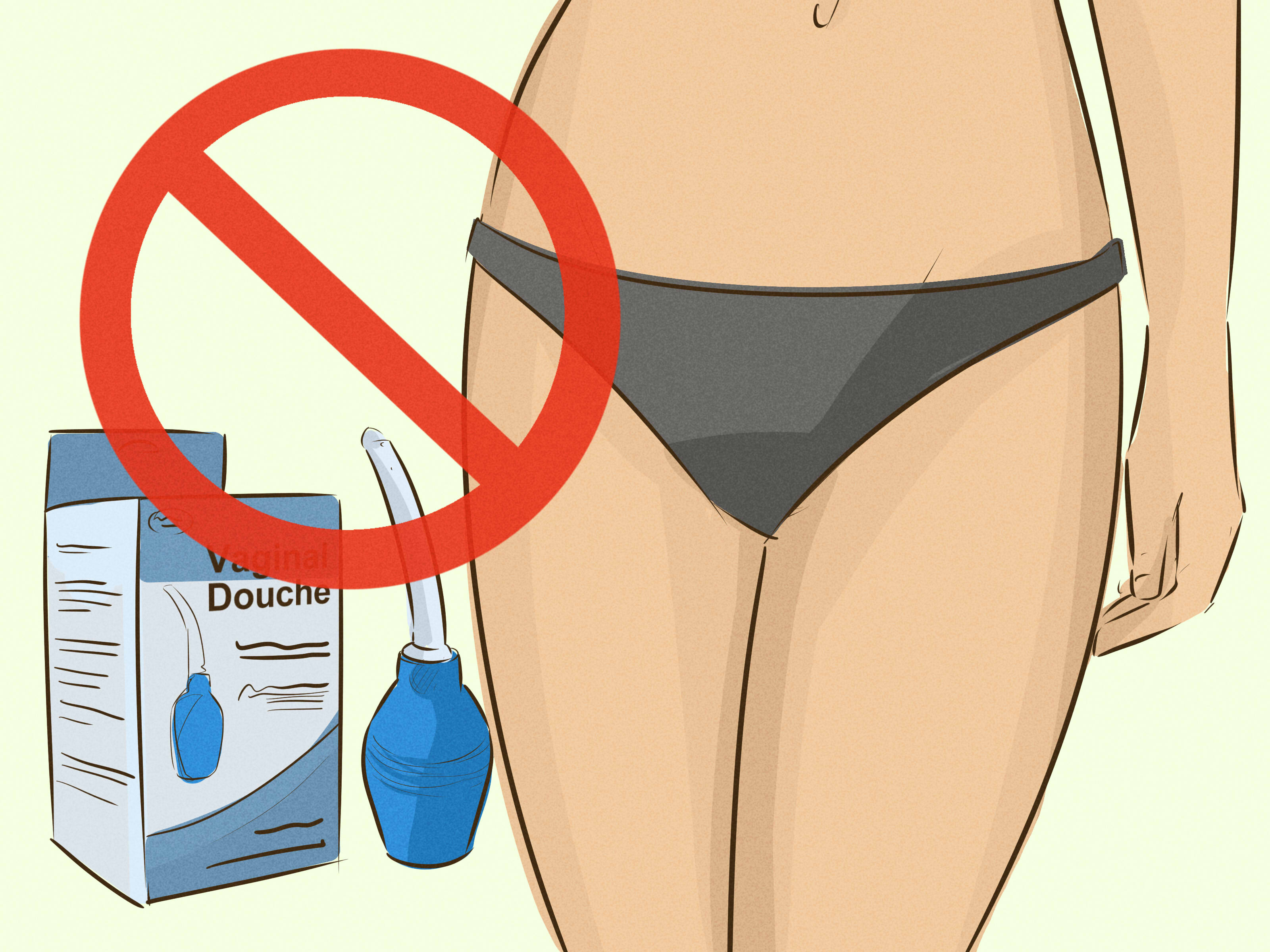
Rinse the outside genital area with lukewarm water. If you use cleanser, choose a mild, fragrance-free option and keep it on the outside only. Avoid putting soap inside the vagina. The vagina has its own self-cleaning system, and it does not need douches, perfumes, powders, or glittery “feminine freshness” products. In fact, those products can make irritation worse by disrupting the natural balance of bacteria and pH.
After rinsing, pat dry gently with a soft towel. Do not rub. If even a towel feels uncomfortable, let the area air-dry for a few minutes before getting dressed. This tiny patience tax can pay off.
Try a Cool Compress for Surface Soreness
For external soreness, place a clean, cool, damp cloth over the vulvar area for short periods. This can help calm itching, burning, and tenderness caused by friction or irritation. Do not use ice directly on the skin. Too much cold can irritate sensitive tissue, and nobody needs frostbite in a place that already has enough drama.
Take a Warm, Not Hot, Bath
A short soak in plain warm water may feel soothing. Keep it simple: no bubble bath, bath bombs, scented oils, or heavily perfumed salts. Hot water can worsen dryness and irritation, so aim for comfortably warm. Afterward, pat dry and wear loose, breathable clothing.
Give the Area a Break
If soreness appears after exercise, tight jeans, cycling, shaving, waxing, or friction, rest can be part of the remedy. Wear loose pants or a skirt if that feels better. Choose cotton underwear or skip tight underwear at home if you can do so comfortably. Change out of sweaty gym clothes or wet swimwear quickly because trapped moisture can aggravate irritation.
It also helps to pause anything that increases discomfort until the soreness improves. Pain is information. It is your body’s way of saying, “Please stop poking the bear.”
Way 2: Remove Common Irritants and Support the Skin Barrier
If your soreness is mild and there are no alarming symptoms, the culprit may be contact irritation. The vulva can react to products that seem harmless everywhere else on the body. A scented body wash may be fine on your shoulders and still be a tiny chaos goblin near the vulva.
Check Your Products
Common irritants include scented soaps, bubble baths, deodorant sprays, vaginal wipes, douches, laundry detergent, fabric softener, pantyliners with fragrance, spermicides, latex products, lubricants with irritating ingredients, shaving creams, and hair-removal products. If soreness began after trying something new, stop using it and see whether symptoms improve.
Switch to fragrance-free laundry detergent and avoid fabric softener on underwear. Wash new underwear before wearing it. Choose breathable fabrics and avoid tight clothing that traps heat and moisture. Your vulva prefers “fresh air and peace,” not “sealed storage container.”
Be Careful With Hair Removal
Shaving, waxing, and depilatory creams can cause tiny cuts, razor burn, ingrown hairs, or contact dermatitis. If the area is already sore, pause hair removal until it heals. When you return to shaving, use a clean razor, avoid shaving over irritated skin, and use a gentle, fragrance-free shaving product on the outside only.
Consider a Simple External Moisture Barrier
If the external skin feels rubbed or raw, a thin layer of plain petroleum jelly on the outside vulvar skin may reduce friction while the area heals. Use only a small amount externally. Do not use heavily scented balms, essential oils, or “natural” products that can sting or trigger allergic reactions. Natural does not always mean gentle; poison ivy is natural and nobody invites it to brunch.
Use Lubrication When Dryness Is the Problem
Dryness can contribute to soreness. It may happen with hormonal changes, some medications, stress, breastfeeding, perimenopause, menopause, or irritation from products. A water-based, fragrance-free lubricant may help reduce friction during activities that cause discomfort. For ongoing dryness, vaginal moisturizers may help, but persistent dryness should be discussed with a healthcare professional, especially if it is painful or new.
Do Not Self-Treat Everything as Yeast
Yeast infections can cause itching, burning, soreness, redness, and thick white discharge. But bacterial vaginosis, trichomoniasis, dermatitis, urinary problems, and other conditions can feel similar. Over-the-counter antifungal treatment may be reasonable for someone who has had a confirmed yeast infection before and recognizes the symptoms, but it is not a universal fix. If this is your first episode, symptoms are different from usual, or treatment does not work, get checked.
Way 3: Watch for Clues and Get the Right Treatment
Soothing steps can help discomfort, but they do not treat every cause. A sore vagina is a symptom, not a diagnosis. The real win is figuring out why it hurts.
Possible Causes of Vaginal or Vulvar Soreness
Irritation or allergic reaction: This may follow a new soap, detergent, pad, wipe, lubricant, condom material, spermicide, or hair-removal product. Symptoms may include burning, itching, redness, swelling, or tenderness.
Yeast infection: Often causes itching, burning, redness, soreness, and sometimes thick white discharge. It may happen after antibiotics, hormonal changes, uncontrolled diabetes, or other changes in the vaginal environment.
Bacterial vaginosis: BV happens when vaginal bacteria are out of balance. It may cause thin gray or white discharge, irritation, and a fishy odor. BV usually needs medical diagnosis and prescription treatment.
Trichomoniasis or other sexually transmitted infections: Some STIs can cause soreness, burning with urination, unusual discharge, odor, pelvic discomfort, sores, or bleeding. Some cause no symptoms at all. Testing is the only reliable way to know.
Urinary tract irritation or infection: Burning when peeing may come from urine touching irritated vulvar skin, but it can also signal a urinary tract infection. Frequent urination, urgency, lower belly pain, or fever deserves medical attention.
Hormonal dryness: Lower estrogen can make vaginal and vulvar tissues thinner, drier, and more sensitive. This is common around menopause, but it can also happen during breastfeeding or with certain medications.
Skin conditions or chronic pain: Eczema, lichen sclerosus, vulvodynia, and other conditions can cause ongoing burning, rawness, itching, or pain. These deserve professional evaluation because treatment can be very specific.
When to Call a Healthcare Professional
Make an appointment if soreness lasts more than a few days, keeps coming back, or comes with unusual discharge, strong odor, bleeding outside your period, sores, blisters, pelvic pain, fever, pain during urination, pain during intercourse, or swelling that is getting worse. Also get care if you are pregnant, have diabetes, have a weakened immune system, or are unsure whether you may have an infection.
If you are a teen, it is especially important to talk with a trusted adult, school nurse, doctor, clinic, or other qualified healthcare professional. Many places offer confidential care for sexual and reproductive health questions. You deserve accurate help without shame.
What a Clinician May Do
A healthcare professional may ask about symptoms, products you use, medications, menstrual changes, sexual health, and whether you have had similar symptoms before. They may do an exam, test vaginal discharge, check urine, or screen for infections. Treatment might include antifungal medicine, antibiotics, estrogen therapy, a skin treatment, changes to hygiene habits, or referral to a specialist.
That may sound intimidating, but it is usually straightforward. Clinicians who handle vaginal symptoms have heard everything. You will not shock them. You could walk in saying your vulva feels like it joined a protest march, and they would still calmly ask when the symptoms started.
What Not to Do When Your Vagina Is Sore
Sometimes the fastest way to heal is to stop doing the things that make symptoms worse. Avoid douching, scented sprays, perfume near the genital area, harsh soaps, vaginal steaming, inserting food or oils, scratching, wearing damp clothes for hours, or repeatedly using medication without knowing the cause.
Do not use antibiotics, steroid creams, or prescription vaginal treatments unless they were prescribed for your current symptoms. Using the wrong treatment can delay healing and make diagnosis harder.
Also, do not panic-Google yourself into a medical soap opera. Online information can help you prepare, but it cannot examine you, test discharge, or tell the difference between similar conditions. Use reputable health information, then seek care when symptoms do not make sense.
Prevention: How to Keep the Peace Going Forward
To reduce future soreness, keep your routine boring in the best possible way. Wash the outside with water or mild fragrance-free cleanser. Avoid douches and scented products. Wear breathable underwear. Change after sweating or swimming. Use fragrance-free laundry detergent. Be cautious with new products. Use lubrication if dryness or friction is an issue. Treat infections properly instead of guessing repeatedly.
Pay attention to patterns. Does soreness happen after certain workouts? A specific detergent? A menstrual product? Shaving? A type of lubricant? Your body may be leaving clues like a detective who also happens to be annoyed.
Experience Section: Real-Life Lessons From Soreness, Irritation, and “Why Is This Happening?” Moments
Many people first notice vaginal or vulvar soreness after something ordinary: a long day in tight leggings, a sweaty workout, a new body wash, a beach trip, a shaving session, or a menstrual product that looked innocent in the package but behaved like a villain. The experience can feel embarrassing, but it is extremely common. Sensitive skin reacts. Vaginal bacteria shift. Hormones fluctuate. Bodies are not machines; they are more like houseplants with Wi-Fi. They need the right environment, and they occasionally send confusing alerts.
One common experience is the “new product problem.” Someone buys a beautifully scented soap, uses it everywhere, and then notices burning or itching later. The label says gentle, but the vulva disagrees. In this situation, the best lesson is to simplify. Stop the new product, rinse with water, wear loose clothing, and give the skin time to calm down. If symptoms fade, the product was probably not your friend. If symptoms stay or worsen, it is time for medical advice.
Another experience is soreness after friction. Long bike rides, tight jeans, dance practice, running, or sitting in damp clothes can leave the vulvar area tender. This kind of soreness often feels like chafing or rawness. Cooling, breathable clothing, and a short break from the activity may help. For people who exercise often, prevention can include moisture-wicking clothes, changing quickly afterward, and choosing gear that does not rub. Your workout should challenge your muscles, not start a feud with your underwear.
Then there is the “I thought it was yeast, but it was not” experience. Many people assume itching or soreness automatically means a yeast infection. Sometimes it does. Other times, it may be bacterial vaginosis, irritation, an STI, dermatitis, or hormonal dryness. This is why recurring symptoms deserve testing. Treating the wrong condition is like using a phone charger to fix a toaster: confident, but not useful.
People with menstrual cycles may also notice soreness around their period. Pads, liners, tampons, menstrual cups, hormonal changes, and moisture can all affect comfort. If pads seem to trigger irritation, switching to unscented products or trying a different brand may help. If tampons or cups hurt, do not force them; pain is not a character-building exercise. Persistent pain with menstrual products should be discussed with a clinician.
Another real-life lesson is that shame delays care. Many people wait because they feel awkward describing symptoms. But healthcare professionals talk about vulvas and vaginas all the time. To them, it is normal anatomy, not gossip. Writing symptoms down before an appointment can make the conversation easier: when it started, what it feels like, what products changed, whether there is discharge or odor, and what makes it better or worse.
The biggest experience-based takeaway is this: gentle care is powerful, but clarity is better. Soothe the area, remove irritants, and watch your symptoms. If your body keeps waving the red flag, let a professional help. Comfort is not a luxury. It is basic maintenance.
Conclusion: Soothe Gently, Skip the Shame, and Get Answers When Needed
A sore vagina or vulva can be uncomfortable, distracting, and honestly rude. But in many cases, simple steps can help: rinse gently with water, cool the area, avoid irritants, wear breathable clothing, and give the skin a break. The key is to avoid over-treating, over-washing, or guessing for too long.
If soreness is severe, unusual, recurring, or paired with discharge, odor, sores, bleeding, fever, urinary pain, or pelvic discomfort, get medical care. The right treatment depends on the cause, and the cause is not always obvious. Your body is not being dramatic; it is communicating. Listen kindly, respond gently, and ask for help when the message gets confusing.