Note: This article is for educational skincare content. Milk and honey can support a gentle home-care routine, but they are not a medical cure for acne, eczema, allergic reactions, infections, or chronic skin conditions. Always patch test first, avoid ingredients you are allergic to, and see a dermatologist if irritation, painful acne, or persistent breakouts continue.
Introduction: Can Milk and Honey Really Help Your Skin?
Milk and honey sound like something from a cozy breakfast table, not a skincare routine. Yet these two simple ingredients have been used in beauty rituals for centuries because they offer a combination that many complicated products try to copy: gentle exfoliation, hydration, and soothing comfort. The trick is using them wisely. Your face is not a pancake, so please do not pour on every kitchen ingredient and hope for a miracle by Tuesday.
The idea behind using milk and honey for clearer-looking skin is simple. Milk naturally contains lactic acid, a type of alpha hydroxy acid, or AHA, that helps loosen dead surface skin cells. When dead skin cells build up, skin can look dull, rough, flaky, and tired. Honey, especially raw or minimally processed honey, is valued for its humectant properties, meaning it helps draw moisture to the skin. It also has natural antimicrobial and anti-inflammatory qualities, which may help calm the look of redness and support a healthier skin barrier.
However, let’s be honest: milk and honey are not magic erasers. They will not remove deep acne scars overnight, replace prescription acne treatment, or turn your bathroom into a luxury spa unless you also light a candle and pretend the laundry does not exist. What they can do is become part of a gentle, budget-friendly routine for smoother, softer, more balanced-looking skin.
In this guide, you will learn three practical ways to get clearer-looking skin by using milk and honey: a soothing face mask, a gentle cleansing rinse, and a softening milk-and-honey bath or body treatment. Each method is designed to be easy, realistic, and kind to your skin.
Why Milk and Honey Are Popular in Natural Skincare
Milk: Gentle Exfoliation From Lactic Acid
Milk contains lactic acid, a mild AHA used in many skincare products to improve texture and brighten the appearance of dull skin. AHAs help loosen the bonds between dead skin cells on the surface, allowing them to shed more easily. This can make the skin feel smoother and look fresher. Compared with harsh scrubs, lactic acid is often considered a gentler option when used carefully.
That said, milk from the refrigerator is not the same as a professionally formulated lactic acid product. It is less controlled, less concentrated, and can vary depending on the type of milk used. That is why milk should be treated as a mild supporting ingredient, not a serious chemical peel. If your skin is sensitive, easily irritated, or currently using retinoids, benzoyl peroxide, exfoliating acids, or prescription acne treatments, go slowly.
Honey: Hydrating, Soothing, and Skin-Comforting
Honey is naturally sticky, which is annoying when it lands on your sleeve but helpful when used as a short-contact face mask. It acts as a humectant, helping attract moisture. It also contains compounds associated with antimicrobial and anti-inflammatory activity. This is one reason honey has been studied in wound care and used in skincare products for dry, irritated, or stressed-looking skin.
For facial use, plain raw honey or manuka honey is often preferred over heavily processed honey. Avoid honey blends with added flavors, syrups, fragrance, cinnamon, lemon juice, or essential oils. Your skin does not need a dessert menu. Simple is safer.
Why They Work Better Together
Milk and honey make a useful pair because they balance each other. Milk offers mild surface smoothing, while honey brings hydration and comfort. When combined, they create a soft mask that can help skin look less dull and feel less tight. This combination is especially appealing for people who want a gentle skincare ritual without a shelf full of mysterious bottles named things like “Midnight Barrier Dragon Serum.”
Before You Start: Safety Rules for Using Milk and Honey on Skin
Natural does not always mean safe for everyone. Poison ivy is natural too, and nobody is inviting it to skincare night. Before using milk or honey on your face, follow a few basic rules.
Patch Test First
Apply a small amount of your milk-and-honey mixture to the inside of your arm or behind your ear. Wait 24 hours. If you notice itching, burning, swelling, rash, or strong redness, do not use it on your face. If your skin reacts to dairy, honey, pollen, bee products, or certain food proteins, skip this routine entirely.
Do Not Use on Broken or Infected Skin
Avoid applying homemade mixtures to open cuts, painful cystic acne, raw skin, active infections, or severe irritation. These situations need proper medical care, not a kitchen experiment.
Use Sunscreen Daily
Because lactic acid is an AHA, it may increase sun sensitivity. Even mild exfoliation can make skin more vulnerable to UV damage. Use a broad-spectrum sunscreen with SPF 30 or higher in the morning, especially if you are using any exfoliating ingredient.
Keep It Short and Fresh
Do not leave milk-based mixtures sitting around. Make only what you need and use it right away. Milk spoils quickly, and spoiled skincare is not a glow-up. It is a science project with consequences.
Method 1: Use a Milk and Honey Face Mask for Softer, Clearer-Looking Skin
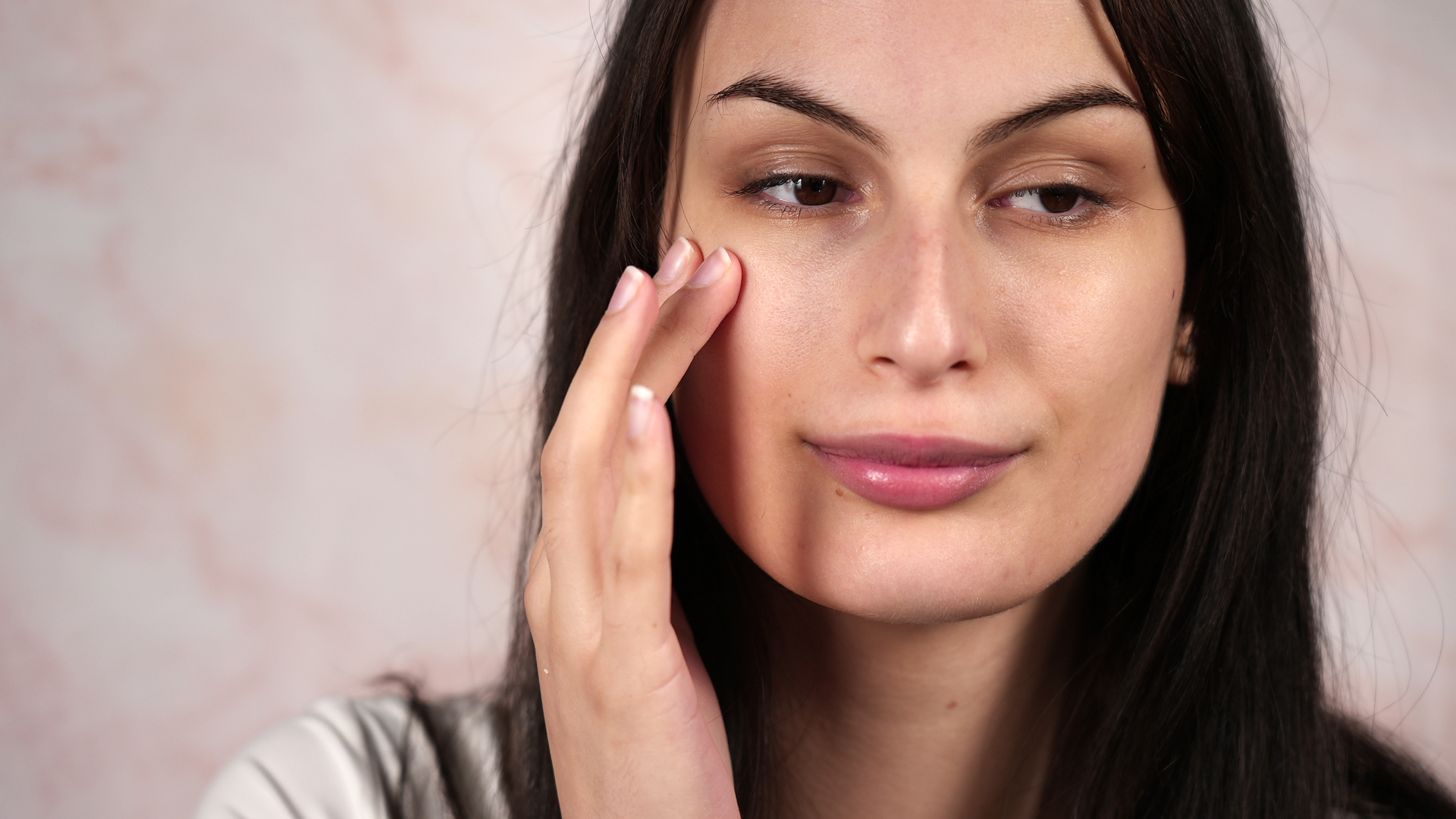
The classic milk and honey face mask is the easiest way to use these ingredients. It works best for skin that looks dull, dry, rough, or slightly uneven. The mask helps soften surface texture and leaves the skin feeling calm and hydrated.
Ingredients
- 1 tablespoon plain milk, preferably whole milk or plain yogurt for a thicker texture
- 1 teaspoon raw honey or manuka honey
- Optional: 1 teaspoon finely ground oats for extra soothing comfort
How to Make It
Mix the milk and honey in a clean bowl until smooth. If the mixture is too runny, use plain yogurt instead of liquid milk or add finely ground oats. The texture should be spreadable, not dripping down your chin like you lost a fight with a smoothie.
How to Apply It
- Start with clean, dry skin.
- Apply a thin layer of the mixture to your face, avoiding the eye area and lips.
- Leave it on for 10 to 15 minutes.
- Rinse with lukewarm water using your fingertips.
- Pat dry with a soft towel.
- Follow with a gentle moisturizer.
How Often to Use It
Use this mask once a week at first. If your skin handles it well, you can use it up to two times weekly. More is not better. Overdoing exfoliation can cause dryness, stinging, redness, and breakouts. Clearer-looking skin usually comes from consistency, not from attacking your face like it owes you money.
Who This Method Is Best For
This mask is best for normal, dry, combination, or slightly dull skin. If you have oily or acne-prone skin, keep the layer thin and rinse thoroughly. If you have very sensitive skin, eczema-prone skin, or a known dairy allergy, skip this method or speak with a dermatologist first.
What Results to Expect
After one use, your skin may feel softer and more hydrated. With weekly use, you may notice smoother texture and a fresher appearance. Do not expect deep acne to disappear overnight. For stubborn acne, ingredients like benzoyl peroxide, salicylic acid, adapalene, or prescription treatments may be more appropriate.
Method 2: Use Milk and Honey as a Gentle Cleansing Rinse
A milk and honey cleansing rinse is a lighter option than a mask. It is not meant to replace a proper cleanser if you wear sunscreen, makeup, or heavy skincare products. Instead, think of it as a softening rinse you can use after cleansing or on a no-makeup evening when your skin feels dry and tired.
Ingredients
- 2 tablespoons lukewarm milk
- 1 teaspoon honey
- 1 tablespoon lukewarm water
How to Use It
- Mix the milk, honey, and water until fully blended.
- Cleanse your face first with a gentle, non-abrasive cleanser if you have sunscreen, sweat, or makeup on your skin.
- Apply the milk-and-honey rinse with clean fingertips.
- Massage gently for 20 to 30 seconds.
- Rinse thoroughly with lukewarm water.
- Apply moisturizer while your skin is slightly damp.
Why This Can Help
This rinse can help remove light surface dryness and leave skin feeling smoother. Honey helps reduce that tight, squeaky-clean feeling that often comes from harsh cleansers. That squeaky feeling may seem satisfying, but it can mean your skin barrier has been stripped. A healthy skin barrier is important because it helps keep moisture in and irritants out.
Best Time to Use It
Use this rinse in the evening, once or twice a week. Nighttime is ideal because your skin can rest afterward, and you do not have to immediately layer makeup or sunscreen over freshly treated skin. In the morning, keep your routine simple: gentle cleanse if needed, moisturizer, and sunscreen.
Common Mistakes to Avoid
Do not scrub. Do not use hot water. Do not add lemon juice. Lemon juice is too acidic for casual facial use and can increase irritation and sun sensitivity. Also avoid mixing in cinnamon, baking soda, toothpaste, or random “viral” ingredients. Your skin is not a TikTok challenge.
Who Should Skip This
If your acne worsens after using dairy-based skincare, stop. Some people find dairy contact irritating, even if others tolerate it well. If your skin is actively inflamed, burning, peeling from retinoids, or recovering from a professional peel, wait until your barrier is calm before trying anything new.
Method 3: Try a Milk and Honey Bath or Body Treatment for Smooth, Even-Looking Skin
Clear skin is not just about the face. Arms, shoulders, chest, back, and legs can also get rough, dry, bumpy, or dull. A milk and honey bath or body soak can help soften skin on the body without the intensity of physical scrubs.
Simple Milk and Honey Bath Recipe
- 1 to 2 cups milk or powdered milk
- 2 tablespoons honey
- Optional: 1/2 cup colloidal oatmeal or finely ground oats
- Warm bathwater, not hot
How to Use It
- Dissolve the honey in a cup of warm water first so it mixes more easily.
- Add the milk and honey mixture to warm bathwater.
- Soak for 10 to 20 minutes.
- Rinse your body with clean lukewarm water afterward.
- Apply fragrance-free body moisturizer while skin is still slightly damp.
Why It Works for the Body
The skin on the body can often tolerate mild exfoliation better than the face. Milk may help soften rough surface cells, while honey supports moisture. Oatmeal, if added, can make the bath feel more soothing. This method is especially helpful when skin feels dry from weather changes, air conditioning, frequent shaving, or too many hot showers.
Body Mask Alternative
If you do not want a full bath, create a quick body treatment. Mix 2 tablespoons plain yogurt with 1 tablespoon honey. Apply to rough areas such as elbows, knees, or dry patches on the arms. Leave on for 10 minutes, then rinse well and moisturize. Keep the bathroom floor clean because honey can be slippery. Glowing skin is nice; accidental bathroom gymnastics are not.
How Often to Use It
Use a milk and honey bath once a week or whenever your skin feels dry and rough. If your skin becomes itchy or irritated, stop using it. People with milk allergies should avoid milk baths entirely. People prone to yeast or fungal skin issues should also be cautious with long, warm soaks and make sure to rinse and dry thoroughly.
How to Build a Clear-Skin Routine Around Milk and Honey
Milk and honey can be helpful, but clear-looking skin depends on your entire routine. A smart skincare routine does not need twenty steps. In fact, too many products can create irritation, clogged pores, and confusion. When your face has more layers than a lasagna, it becomes harder to know what is helping and what is causing problems.
Morning Routine
- Cleanse gently if your skin feels oily or sweaty.
- Apply a lightweight, non-comedogenic moisturizer.
- Use broad-spectrum SPF 30 or higher.
Evening Routine
- Wash with a gentle cleanser to remove sunscreen, oil, and pollution.
- Use acne treatment if recommended or already part of your routine.
- Apply moisturizer.
- Use a milk and honey mask once weekly on a calm-skin night.
Do Not Mix Too Many Actives
If you use retinoids, benzoyl peroxide, salicylic acid, glycolic acid, or prescription acne creams, be careful when adding milk-based exfoliation. Too many active ingredients can irritate the skin barrier. Choose one exfoliating approach at a time and give your skin several days to respond.
Track Your Skin
Take notes for two to four weeks. Write down when you used the mask, how your skin felt the next day, and whether breakouts improved or worsened. This is not dramatic; it is practical. Your skin cannot send you a formal email, so a simple note can help you understand its mood.
Who Should Avoid Milk and Honey Skincare?
Milk and honey are not ideal for everyone. Avoid this routine if you have a known allergy to milk, dairy proteins, honey, bees, or pollen. Do not use honey on infants, and do not apply homemade mixtures to serious wounds or infections. If you have eczema, rosacea, severe acne, or highly reactive skin, ask a dermatologist before trying food-based skincare.
You should also stop immediately if you feel burning, strong stinging, swelling, hives, or worsening redness. Mild tingling can happen with some exfoliating ingredients, but discomfort is a sign to rinse and stop. Skincare should not feel like a punishment.
Realistic Results: What Milk and Honey Can and Cannot Do
Milk and Honey May Help With:
- Dull-looking skin
- Dryness and tightness
- Rough surface texture
- Mild flakiness
- A tired or uneven-looking complexion
Milk and Honey Probably Will Not Fix:
- Severe acne
- Deep acne scars
- Hormonal breakouts
- Melasma or stubborn hyperpigmentation
- Skin infections
- Chronic eczema or rosacea flares
For mild dullness and dryness, milk and honey can be a lovely weekly ritual. For painful breakouts, scarring, or ongoing inflammation, dermatology-backed treatments are more reliable. The best approach is not “natural versus medical.” It is choosing what your skin actually needs.
Extra Experience Section: What It Feels Like to Use Milk and Honey for Clearer Skin
The first time many people try a milk and honey face mask, they expect a glamorous spa moment. Reality is a little more human. The honey may feel sticky, the milk may drip if the mixture is too thin, and you may briefly wonder if your face has become breakfast. But after rinsing, the skin often feels surprisingly soft, especially if it was dry or rough beforehand.
One common experience is that the mask gives an immediate “comfort effect.” Skin that felt tight after cleansing may feel calmer and more flexible. This is likely because honey helps attract moisture and because the mask is not harsh or stripping. For someone who has been using strong acne cleansers, alcohol-heavy toners, or gritty scrubs, switching to a gentle milk and honey mask once a week can feel like letting the skin exhale.
Another experience is improved texture over time. The change is usually subtle, not movie-makeover dramatic. After two or three weeks of weekly use, some people notice that makeup applies more smoothly, dry patches look less obvious, and the face has a softer glow. This makes sense because mild exfoliation can help remove dead surface cells. The important word is mild. If you use the mask too often, that glow can turn into irritation, and irritation can lead to more bumps, redness, and sensitivity.
People with oily or acne-prone skin often have mixed experiences. Some enjoy honey because it feels soothing and does not leave the skin as dry as harsh treatments. Others may find that milk-based mixtures do not suit their skin, especially if they are already breakout-prone or sensitive to dairy. This is why patch testing and tracking results matter. Clear skin is personal. What works beautifully for one person may annoy another person’s face like an unwanted group chat.
The body treatment experience is usually easier and more forgiving. A milk and honey bath can make dry legs, elbows, and arms feel smoother. It is especially pleasant during colder months or after sun exposure, though it should not be used on sunburned or damaged skin. The key is to rinse well afterward and apply moisturizer immediately. Without moisturizer, the softness may not last as long.
The best long-term experience comes when milk and honey are treated as a supporting ritual, not the entire skincare plan. People who get the most benefit usually combine the mask with basic habits: gentle cleansing, daily sunscreen, enough sleep, clean pillowcases, and not picking at pimples. The milk and honey routine becomes a small self-care moment that supports the skin instead of overwhelming it.
In other words, the real magic is not just in the ingredients. It is in slowing down, being consistent, and choosing gentleness over panic. Your skin does not need to be bullied into behaving. Sometimes, it simply needs fewer harsh products, more moisture, and a little patience.
Conclusion: The Smart Way to Use Milk and Honey for Clear Skin
Milk and honey can be useful natural ingredients for people who want softer, smoother, clearer-looking skin. Milk provides mild exfoliating support through lactic acid, while honey helps hydrate and soothe. Together, they can make a simple face mask, a gentle cleansing rinse, or a softening body treatment.
The smartest approach is to start slowly. Patch test first, use the mask once a week, avoid harsh add-ins, and always moisturize afterward. If you use exfoliating ingredients, sunscreen is non-negotiable. And if your skin is painful, inflamed, infected, or not improving, it is time to get professional advice instead of adding more ingredients from the fridge.
Clear skin does not have to mean perfect skin. Healthy skin has texture, pores, occasional breakouts, and real-life moments. Milk and honey can support a gentle routine, but the real goal is skin that feels comfortable, balanced, and cared for.