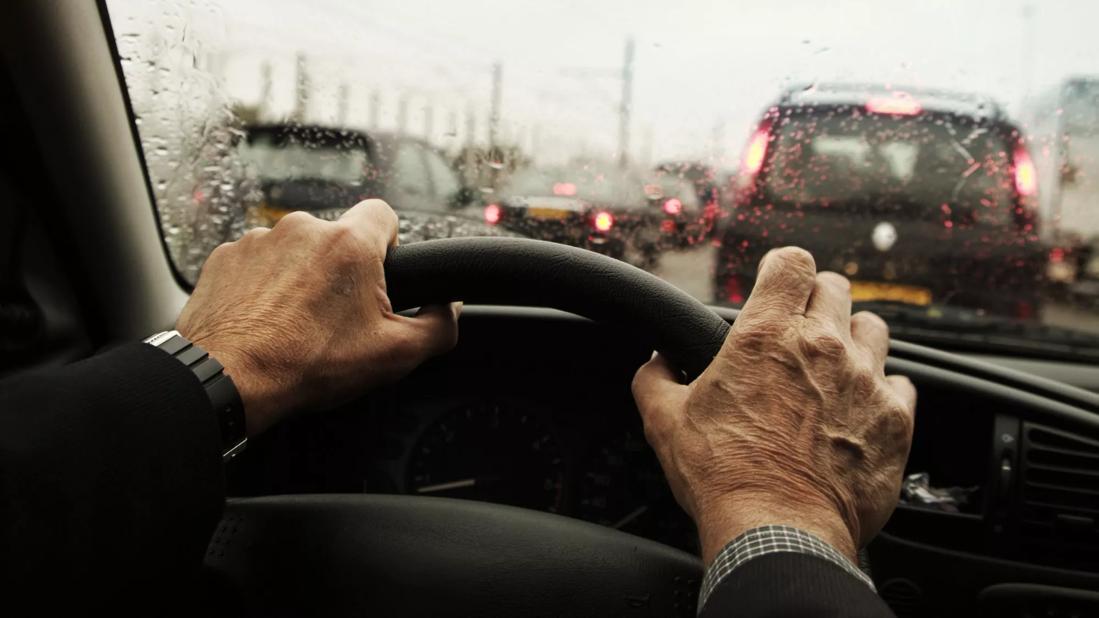
Traffic jams have a special talent for turning ordinary people into steering-wheel philosophers. One minute, you are calmly driving to work with coffee, optimism, and a playlist. The next, you are trapped between a delivery truck, a blinking brake light, and the horrifying realization that your GPS has added “only” 37 minutes to your trip. Lovely.
If your chest tightens, your thoughts race, or your patience begins packing its bags during stop-and-go traffic, you are not alone. Anxiety in a traffic jam is common because traffic combines several classic stress triggers: lack of control, time pressure, noise, heat, uncertainty, and the feeling of being physically stuck. Even people who are usually calm can feel their nervous system hit the panic button when the road becomes a parking lot with honking.
The good news is that traffic anxiety can be managed. You may not be able to magically part the cars like a commuter Moses, but you can control how your body, mind, and driving habits respond. Below are three practical, science-informed tips to help you overcome anxiety in a traffic jam, stay safer behind the wheel, and arrive with your sanity mostly intact.
Why Traffic Jams Trigger Anxiety
Before jumping into the tips, it helps to understand what is happening inside your body. Anxiety is not “just in your head.” It is a full-body response. When your brain senses a threat, whether that threat is a real danger or a meeting you are now definitely late for, it can activate the fight-or-flight response. Your heart may beat faster, your breathing may become shallow, your muscles may tense, and your thoughts may speed up.
In a traffic jam, the threat is often not physical danger but frustration and uncertainty. You may think, “I am going to miss my appointment,” “What if I get stuck here forever?” or “Why is that person merging like they learned to drive from a squirrel?” These thoughts can fuel the anxiety loop. The more you focus on being trapped, the more intense the feeling becomes.
Traffic also removes your usual problem-solving options. You cannot walk away. You cannot speed up safely. You cannot demand that 400 strangers cooperate with your schedule. That loss of control is one reason anxiety can feel so powerful in the car.
The goal is not to pretend the traffic is fine. It is not fine. It is a slow-moving metal casserole. The goal is to stop your body from treating inconvenience like an emergency.
Tip 1: Use Breathing to Tell Your Body You Are Safe
When anxiety rises in a traffic jam, your breathing is usually one of the first things to change. Many people begin taking quick, shallow breaths from the upper chest. That can make you feel dizzy, tense, or even more panicked. Deep, controlled breathing helps send a different message to your nervous system: “We are uncomfortable, but we are not in danger.”
Try the “Red Light Reset”
The next time traffic stops, use the pause as a cue instead of a punishment. Keep both hands relaxed on the wheel, soften your shoulders, and try this simple breathing pattern:
- Inhale slowly through your nose for four counts.
- Hold gently for two counts.
- Exhale slowly through your mouth for six counts.
- Repeat for five rounds.
The longer exhale is important because it encourages your body to shift away from high alert. You are not trying to perform Olympic-level breathing. You are simply slowing the system down. If counting feels irritating, use a phrase instead: inhale while thinking “I am here,” and exhale while thinking “I can handle this.”
Relax the “Traffic Muscles”
Traffic anxiety often hides in the jaw, shoulders, hands, stomach, and legs. You might be gripping the wheel as if it owes you money. Do a quick body scan. Unclench your jaw. Drop your shoulders. Loosen your hands. Press your back into the seat. Let your feet rest naturally, while staying ready to brake.
These tiny adjustments matter. When the body relaxes, the brain receives feedback that the situation is less threatening. You are still in traffic, yes, but you are no longer marinating in tension.
Keep Safety First
Breathing exercises should never distract you from driving. Do not close your eyes. Do not use complicated meditation apps while the car is moving. Do not turn your commute into a wellness retreat with wheels. The goal is calm alertness, not floating into another dimension while someone cuts across three lanes.
Tip 2: Change the Story Your Brain Is Telling
Anxiety in traffic is rarely caused by traffic alone. It is also caused by the story your mind builds around it. Two drivers can sit in the same jam and have completely different experiences. One thinks, “This is annoying, but I will get there.” The other thinks, “This ruins everything. I cannot handle this. Everyone is in my way.” Same road. Different mental script.
That script matters because anxious thoughts can make the body react as if the worst-case scenario is already happening. A traffic jam becomes not just a delay, but a disaster. The trick is to challenge the thought without arguing with yourself like a courtroom drama.
Replace Catastrophic Thoughts with Useful Ones
Here are common traffic-anxiety thoughts and calmer replacements:
- Instead of: “I am trapped.” Try: “I am delayed, but I am still safe.”
- Instead of: “I cannot stand this.” Try: “I dislike this, but I can get through it.”
- Instead of: “I am going to be so late.” Try: “I will update whoever needs to know when it is safe.”
- Instead of: “Everyone is terrible at driving.” Try: “People are trying to get somewhere, just like me.”
This is not fake positivity. It is realistic thinking. You are not telling yourself, “Traffic is a delightful gift.” You are telling yourself the truth in a way that does not pour gasoline on your nervous system.
Use Grounding to Return to the Present
Grounding techniques help pull your attention out of racing thoughts and back into the current moment. In a traffic jam, try the 5-4-3-2-1 method, adjusted for driving safety:
- Name five things you can see, such as a sign, a tree, a blue car, a building, or the sky.
- Notice four things you can feel, such as the seat, your hands on the wheel, your shoes, or the air vent.
- Identify three things you can hear, such as your engine, soft music, or rain.
- Notice two things you can smell, even if one of them is old coffee.
- Think of one thing you can control right now, such as your breathing, your following distance, or your tone of voice.
This method works because anxiety loves the future. It wants to sprint ahead to every possible problem. Grounding brings your brain back to the only place where you can actually do anything: now.
Give the Delay a Job
One of the best ways to reduce traffic stress is to stop treating the delay as stolen time. Give it a purpose. You can listen to a calming playlist, an audiobook, a language lesson, or a light podcast. You can rehearse a presentation out loud. You can practice gratitude, even if the first item on your list is “I am grateful this horn is not louder.”
The point is not productivity at all costs. The point is to make the time feel less like a trap. When your brain has a safe and simple focus, anxiety has less room to perform its dramatic one-person show.
Tip 3: Prepare Before You Drive and Control What You Can
The best time to manage traffic anxiety is not when you are already surrounded by brake lights. It is before you leave. Preparation reduces uncertainty, and uncertainty is anxiety’s favorite snack.
Build a “Calm Commute Plan”
A calm commute plan is a small routine that makes traffic less overwhelming. It can include:
- Checking traffic before you leave.
- Adding a 10- to 15-minute buffer when possible.
- Choosing a less stressful route, even if it is slightly longer.
- Keeping water in the car.
- Setting up your playlist or podcast before driving.
- Making sure your phone is mounted safely if you use navigation.
- Planning what you will say if you are late.
That last point is underrated. Much traffic anxiety comes from imagining the consequences of being late. Prepare a simple message in advance: “Hi, I am stuck in unexpected traffic and may be about 15 minutes late. I will update you when I can safely do so.” Knowing you have a plan can lower the pressure.
Avoid Anxiety Fuel
Some habits make traffic anxiety worse. Too much caffeine can intensify jitteriness. Leaving late turns every red light into a personal insult. Constantly refreshing the arrival time can make you feel like you are watching your life force drain in real time. Aggressive lane-changing may create the illusion of progress while increasing stress and risk.
Instead, focus on steady driving. Keep a safe following distance. Let people merge when it is safe. Use turn signals. Avoid eye contact with angry drivers. Do not respond to rude gestures unless your response is a peaceful little wave that says, “May your day improve, mysterious yelling person.”
Know When Anxiety Needs More Support
Occasional traffic stress is normal. But if anxiety in traffic causes panic attacks, avoidance of driving, frequent dread before commutes, or symptoms that interfere with your daily life, it may be time to talk with a mental health professional. Cognitive behavioral therapy, exposure-based strategies, relaxation training, and other evidence-informed approaches can help people manage anxiety more effectively.
If you ever feel unsafe while driving, pull over when it is legal and safe to do so. Put the car in park, breathe, and give your body a chance to settle. There is no prize for forcing yourself through panic while operating a vehicle. Safety wins. Always.
Quick Traffic Jam Anxiety Toolkit
Here is a simple toolkit you can remember when traffic turns your commute into a parking-lot opera:
- Breathe: Use slow inhales and longer exhales.
- Release: Unclench your jaw, shoulders, and hands.
- Reframe: Replace “I am trapped” with “I am delayed, but safe.”
- Ground: Name what you can see, feel, and hear.
- Control: Keep distance, stay courteous, and drive steadily.
- Prepare: Leave earlier, plan your route, and set up calming audio before driving.
You do not need to use every tool at once. Pick one. Practice it repeatedly. Over time, your brain begins to associate traffic with coping instead of panic.
Real-Life Experiences: What Traffic Anxiety Feels Like and How People Get Through It
Anyone who has been stuck in a traffic jam knows that the experience is not just about cars. It is about the stories happening inside each car. Behind every windshield is a tiny personal drama: someone late for an interview, a parent racing to daycare pickup, a student worried about an exam, a tired worker dreaming of dinner, or a person simply trying not to lose their cool because the left lane has apparently become a museum exhibit.
One common experience is the “clock spiral.” You glance at the dashboard: 8:12. Your meeting starts at 8:30. The GPS says you will arrive at 8:34. Not ideal, but survivable. Then traffic freezes. Now it says 8:41. Suddenly your brain opens a full disaster department. You imagine your boss frowning, your coworkers judging, your entire professional reputation crumbling because a cement truck decided to exist. In that moment, the anxiety feels logical, even though the situation is still manageable. A prepared message, a few slow breaths, and a calmer thought can stop the spiral before it becomes a mental thunderstorm.
Another familiar experience is physical tension. Many drivers do not notice how hard they are gripping the wheel until their fingers ache. Shoulders creep toward the ears. The jaw locks. The stomach tightens. The body acts like it is bracing for battle, even though the battle is mostly with a minivan and a badly timed lane closure. This is where body awareness helps. A simple scan from head to toe can reveal tension you did not realize you were carrying. Relaxing your grip and lowering your shoulders may seem too small to matter, but small signals can calm the nervous system.
Some people experience traffic anxiety because they dislike feeling boxed in. Being surrounded by vehicles can create a trapped sensation, especially on highways where exits are far apart. In that case, grounding can be especially helpful. Instead of focusing on the idea of being stuck, focus on the facts: the car is stopped, the doors are unlocked, air is available, the road will move again, and you are capable of waiting. Anxiety often speaks in extremes. Grounding answers in specifics.
There is also the anger-anxiety blend, a spicy emotional smoothie no one ordered. Anxiety says, “We are late.” Anger says, “And it is everyone else’s fault.” Together, they can push drivers toward tailgating, honking, speeding, or risky lane changes. But aggressive driving rarely saves meaningful time, and it often increases danger and stress. The calmer choice is not weakness. It is strategy. Letting another driver merge may cost three seconds, but it can save you from ten minutes of elevated blood pressure and imaginary arguments.
Many drivers find that traffic becomes easier when they create rituals. One person might start every commute with the same calming playlist. Another might keep peppermint gum in the console as a sensory grounding tool. Someone else may use traffic as audiobook time, turning delays into chapters instead of curses. These rituals give the brain predictability. And predictability is comforting when the road is unpredictable.
The most important lesson from real-life traffic anxiety is that progress is not instant. You may try breathing one day and still feel annoyed. You may reframe your thoughts and still mutter something unprintable about a pickup truck. That is okay. Coping skills are not magic spells. They are habits. The more often you practice them, the faster your body learns that a traffic jam is unpleasant, not dangerous. Eventually, the same situation that once triggered panic may become merely irritating. And in traffic, “merely irritating” is a beautiful upgrade.
Conclusion: You Cannot Control Traffic, But You Can Control Your Response
Traffic jams are part of modern life, right alongside password resets, group texts, and wondering why printer technology still feels haunted. You may not be able to control the crash ahead, the construction zone, the weather, or the driver who believes turn signals are classified information. But you can control your breathing, your thoughts, your preparation, and your driving behavior.
To overcome anxiety in a traffic jam, start with your body. Slow your breathing and release tension. Then work with your mind by challenging catastrophic thoughts and grounding yourself in the present. Finally, prepare before you drive so traffic feels less like a surprise attack and more like an inconvenience you already know how to handle.
The road may not always move at your preferred speed, but your nervous system does not have to ride in the fast lane of panic. With practice, patience, and a few calm-driving tools, you can turn traffic jams from emotional emergencies into manageable delays. You may still sigh dramatically. That is allowed. Just breathe while doing it.