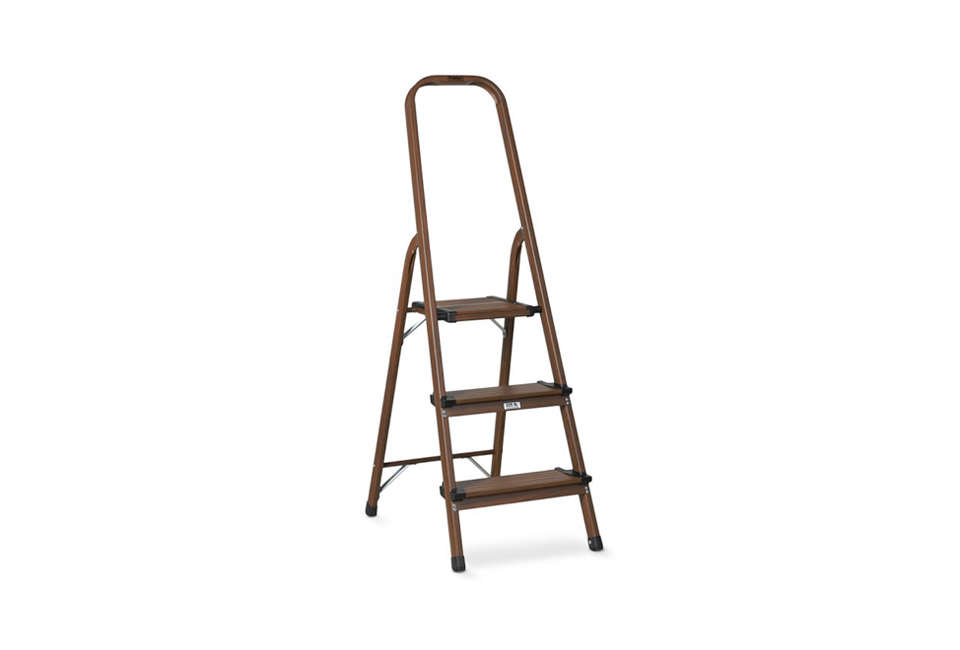
A 3-Step Wood & Aluminum Ladder sounds like the kind of thing you buy once, tuck beside the pantry, and then suddenly use more often than your coffee maker. Need to reach the top shelf? Ladder. Changing a light bulb? Ladder. Hanging curtains, dusting the mysterious cabinet zone, rescuing a cereal box from the back of the upper cupboard? Ladder, ladder, ladder. It is one of those humble household tools that quietly becomes the unsung hero of everyday life.
Unlike the clunky garage ladder that looks like it belongs on a construction site, a wood and aluminum step ladder is designed for real homes. It blends the lightweight strength of aluminum with the warmer, furniture-like look of wood or wood-grain finishes. That combination matters because most people do not want a bright industrial ladder leaning against a beautiful kitchen wall like it wandered in from a warehouse. A good 3-step ladder should be sturdy, compact, attractive, and easy enough to move without turning a five-minute chore into an upper-body workout.
This guide looks at what makes a 3-Step Wood & Aluminum Ladder practical, stylish, safe, and worth considering for kitchens, closets, laundry rooms, home offices, and small apartments. We will cover materials, dimensions, weight capacity, anti-slip features, storage, buying tips, maintenance, and real-life use cases. In other words, everything except teaching the ladder to fetch snacks from the top shelf by itself. Science, please hurry.
What Is a 3-Step Wood & Aluminum Ladder?
A 3-Step Wood & Aluminum Ladder is a compact household ladder with three climbing steps, usually built with an aluminum frame and wood, wood-look, or wood-finished surfaces. Some models use real wood accents, while others use aluminum with a hand-applied wood-grain finish. The goal is simple: provide safe extra height without making your home look like a maintenance closet.
Most three-step ladders are intended for indoor household tasks rather than heavy construction. They are commonly used in kitchens, pantries, closets, laundry areas, studios, offices, and retail displays. A typical design folds flat or nearly flat, includes non-skid steps, and offers a rail or upper handle for balance. Some models support around 225 pounds, while heavy-duty versions may support more. The best choice depends on the ladder’s duty rating, your body weight, the weight of tools or materials carried, and the frequency of use.
The three-step format is especially useful because it offers more reach than a small step stool but is less bulky than a full-size stepladder. For most homes, it hits the sweet spot: tall enough for upper cabinets, compact enough for apartment storage, and handsome enough that you do not have to hide it like a bad haircut.
Why Wood and Aluminum Make a Smart Pair
Aluminum Keeps It Lightweight
Aluminum is popular in household ladders because it is light, strong, and resistant to rust. A lightweight ladder is easier to carry from room to room, which matters when the task keeps moving. One minute you are reaching for mixing bowls in the kitchen, the next you are adjusting a smoke detector in the hallway. Nobody wants to drag a ladder that feels like it was forged for medieval castle repair.
Aluminum also gives a ladder a clean, modern structure. It folds smoothly, supports practical locking mechanisms, and generally requires very little maintenance. However, aluminum ladders should not be used near live electrical sources because aluminum conducts electricity. For changing a basic ceiling light bulb after power is off, it may be fine; for electrical repair, choose the proper nonconductive ladder type and follow professional safety practices.
Wood Adds Warmth and Style
Wood, or a quality wood-grain finish, changes the personality of a ladder. Instead of looking purely utilitarian, the ladder can blend with cabinetry, hardwood floors, modern farmhouse décor, Scandinavian interiors, or warm minimalist kitchens. In design-conscious homes, that visual softness is a big deal. A ladder may be practical, but it still lives in your space.
Wooden steps can also feel more furniture-like underfoot, especially when paired with textured anti-slip surfaces. Real wood requires care to prevent scratches, moisture damage, and splintering. Wood-look aluminum finishes, on the other hand, offer the appearance of wood with easier cleaning and lighter weight.
Key Features to Look For
1. Stable Three-Step Design
The most important feature is stability. A 3-step ladder should open fully, sit evenly on the floor, and feel steady before you climb. Four contact points, a properly angled frame, and secure spreaders or locking hinges all help reduce wobble. A ladder that wiggles like a nervous flamingo should not be invited to your next home project.
2. Non-Skid Steps
Non-skid steps are essential. Look for textured treads, rubberized surfaces, ridges, grooves, or grip strips that help shoes stay planted. Wider steps are usually more comfortable than narrow rungs, especially when you need to stand for more than a few seconds while organizing shelves or painting trim.
3. Practical Step Depth
Some stylish ladders look great but offer shallow steps. A practical household ladder should provide enough step depth for secure footing. Around five inches of depth can be useful for compact ladders, while deeper top platforms may feel more comfortable for longer tasks. If your foot feels like it is negotiating a peace treaty with the edge of the step, the ladder is probably too skimpy.
4. Handrail or Upper Support
A rail or handle adds confidence when climbing and descending. It is especially helpful in kitchens, closets, and laundry rooms where people often reach sideways for items. The handrail should feel solid, not decorative. Pretty is nice; pretty and useful is better.
5. Foldable, Slim Storage
One of the best reasons to choose a 3-step folding ladder is easy storage. Many models fold to a slim profile that can slide beside a refrigerator, behind a door, next to a washer, or inside a pantry. For apartment dwellers and small-space owners, folded depth matters almost as much as ladder height.
6. Appropriate Weight Capacity
Weight capacity is not just your body weight. It includes clothing, shoes, tools, paint cans, boxes, or whatever you carry while climbing. A ladder rated at 225 pounds may be suitable for light to medium household use, but users should always check the product label and select a ladder that safely exceeds the total expected load.
Best Uses Around the Home
Kitchen Cabinets and Pantry Shelves
The kitchen is where a 3-Step Wood & Aluminum Ladder shines. Modern cabinets often stretch high toward the ceiling, which looks elegant until your favorite serving platter begins living in the clouds. A three-step ladder helps you reach upper cabinets without standing on chairs, countertops, or other questionable inventions from the “I’ll just be careful” school of bad ideas.
Closets and Storage Rooms
Closets are another perfect match. Seasonal bedding, luggage, holiday decorations, and storage bins often end up on high shelves. A compact ladder makes those items easier to reach safely and helps you avoid the classic closet avalanche, where one blanket becomes three boxes, a suitcase, and a suspicious amount of dust.
Decorating and DIY Projects
For hanging art, installing curtain rods, touching up paint, dusting ceiling corners, or placing plants on high shelves, a 3-step ladder offers a convenient working height. It is not a replacement for a taller extension ladder, but for indoor décor and light DIY jobs, it is far more manageable.
Laundry Rooms and Garages
Laundry cabinets, utility shelves, and garage storage racks often require a little extra reach. A lightweight folding ladder can make these tasks faster and safer. Just remember that floors in garages or utility areas may be slick, dusty, or uneven, so setup matters.
Safety Tips Before You Climb
Ladders are simple tools, but simple does not mean risk-free. Many ladder injuries happen during everyday home tasks, often because someone rushes, overreaches, skips inspection, or uses furniture instead of the right ladder. Treat a short ladder with respect. Gravity does not give discounts for being “only two feet up.”
Open the Ladder Fully
Before stepping on the ladder, make sure it is fully open and locked. Hinges, spreaders, or locking bars should be engaged. Do not use a folding stepladder while partially closed or leaning against a wall unless the manufacturer specifically designs it for that purpose.
Place It on a Level Surface
Use the ladder on a firm, level floor. Avoid placing it on rugs that slide, wet tile, uneven outdoor ground, boxes, crates, or other unstable surfaces. The bottom of the ladder should not rock, shift, or sink.
Keep Three Points of Contact
When climbing or descending, keep two hands and one foot, or two feet and one hand, in contact with the ladder whenever possible. Carrying a heavy box with both hands while climbing is not a power move; it is a preview of regret. Use smaller loads, ask for help, or move items in stages.
Do Not Overreach
Your belt buckle, torso, or center of gravity should stay between the side rails. If you need to lean far to one side, climb down and reposition the ladder. Yes, moving the ladder five inches feels annoying. Falling five feet feels more annoying.
Avoid the Top Step Unless Designed for Standing
Many stepladders have limits on the highest safe standing level. Some designs include a top platform, while others do not intend the top cap or uppermost area to be used as a standing step. Always follow the label on the ladder itself.
How to Choose the Right 3-Step Wood & Aluminum Ladder
Match the Ladder to the Task
Think about what you will use it for most often. If you only need to reach pantry shelves, a compact model with slim storage may be ideal. If you plan to paint, decorate, or organize heavy items, prioritize wider steps, a stronger duty rating, and a more substantial frame.
Check Open and Folded Dimensions
Measure the storage spot before buying. A ladder that folds to around five inches deep can fit in tight spaces, but height and width still matter. Also check the open footprint. Some ladders feel compact when folded but need more floor space when fully opened.
Consider the Reach Height
Reach height is not the same as ladder height. It depends on the height of the top standing level and the user’s own height. For a three-step household ladder, the top step may be around two feet off the ground, which can give many adults enough reach for standard upper cabinets and indoor chores. For ceiling work or tall walls, a taller ladder may be necessary.
Review the Duty Rating
Look for a clear duty rating label. Type III ladders are usually light-duty, Type II ladders are often rated for medium-duty use, and Type I or higher ratings support heavier use. For most homes, a well-built 225-pound-rated step ladder may handle everyday chores, but larger users or tool-heavy tasks may require a higher rating.
Choose a Finish That Fits Your Space
If the ladder will live in a visible kitchen or hallway, appearance matters. Wood-grain finishes, black aluminum frames, brushed metal, or warm wood tones can help the ladder feel intentional rather than accidental. The best ladder is one you will actually keep accessible. If it is buried behind twelve storage bins, you will go back to standing on a chair. Do not let the chair win.
Wood & Aluminum vs. Steel, Plastic, and Fiberglass
Compared with steel ladders, aluminum models are usually lighter and easier to carry. Steel can feel solid but may be heavier and more prone to rust if the coating wears down. Plastic step stools are often inexpensive and lightweight, but many are too short or too flexible for tasks that require confidence and reach.
Fiberglass ladders are often preferred for electrical work because fiberglass is nonconductive when clean and dry. However, fiberglass household ladders can be bulkier and more industrial-looking than decorative wood and aluminum models. For general indoor tasks that do not involve electrical hazards, a 3-Step Wood & Aluminum Ladder offers an appealing balance of strength, portability, and style.
Maintenance and Care
Good ladder care is mostly common sense. Keep the steps clean and dry. Wipe away oil, water, flour, dust, mud, or anything slippery. Inspect the ladder before use, especially if it has been stored for a while. Look for loose fasteners, bent rails, cracked parts, worn feet, damaged treads, or hinges that do not lock correctly.
If the ladder includes real wood, avoid prolonged moisture exposure. Do not store it outdoors unless the manufacturer specifically approves outdoor storage. Wood can swell, crack, or deteriorate if neglected. Aluminum is low-maintenance, but it can still dent or bend if dropped hard or overloaded. Store the ladder folded in a dry place where it will not be knocked over, slammed by a door, or used as a shelf for random garage chaos.
Common Buying Mistakes to Avoid
Buying Only for Looks
A beautiful ladder is great, but safety and function come first. Check the weight rating, step depth, locking mechanism, feet, and stability. A ladder is not wall art, even if it looks good leaning against shiplap.
Ignoring Folded Size
Some ladders look small online but are awkward to store. Always compare folded height, width, and depth with your available space.
Choosing Too Short a Ladder
If you regularly stand on tiptoe from the highest usable step, the ladder is too short for that task. Choose a taller ladder rather than stretching, leaning, or bargaining with gravity.
Overlooking Floor Compatibility
Rubber feet are important on tile, hardwood, laminate, and polished concrete. They help grip the floor and reduce scratching. If the feet are hard, worn, or missing, do not use the ladder until repaired or replaced according to the manufacturer’s guidance.
Who Should Buy a 3-Step Wood & Aluminum Ladder?
This type of ladder is ideal for homeowners, renters, apartment dwellers, interior designers, home cooks, organizers, teachers, boutique owners, and anyone who wants safe reach without sacrificing style. It is especially useful for people with tall cabinets, compact storage needs, or a dislike of bulky tools cluttering the living space.
It may not be the right choice for heavy commercial work, outdoor roof access, electrical tasks, or jobs requiring extended height. For those situations, choose a ladder specifically rated and designed for the job. But for everyday indoor reaching, light maintenance, and home organization, the 3-step wood and aluminum format is hard to beat.
Real-World Experiences With a 3-Step Wood & Aluminum Ladder
The first thing people usually notice about a 3-Step Wood & Aluminum Ladder is how often they use it once it is easy to access. When a ladder looks decent enough to keep near the kitchen or pantry, it stops being a “garage tool” and becomes part of the household rhythm. That is the secret. Convenience changes behavior. If the ladder is nearby, people use the ladder. If the ladder is buried behind holiday decorations, they use a dining chair and pretend that is normal.
In a kitchen, the experience is especially satisfying. Tall cabinets are wonderful for storage, but the upper shelf often becomes a museum of forgotten objects: the roasting pan used twice a year, the fancy glass pitcher, the backup coffee filters, and that one appliance manual nobody will read until disaster strikes. With a three-step ladder, those spaces become genuinely usable. You can step up, reach comfortably, and bring items down without doing the awkward fingertip shuffle.
Another pleasant surprise is how helpful the ladder becomes during cleaning. Dusting cabinet tops, wiping range hood edges, cleaning ceiling fan blades, and reaching high window trim are all easier when the ladder feels stable and lightweight. A stool may work for quick tasks, but the third step often makes the difference between “I can reach it” and “I can reach it without making cartoon sound effects.”
For renters and apartment owners, slim storage is the star feature. A folding ladder that slides beside the refrigerator or behind a closet door feels almost luxurious. It solves a real problem without taking over the room. The wood or wood-grain finish also helps it blend in, so even if it remains visible, it looks intentional. In a small apartment, every object has to earn its keep. A ladder that is both useful and attractive earns bonus points.
During decorating projects, the three-step design is a practical middle ground. It is tall enough for hanging framed prints, installing lightweight curtains, placing plants, or adjusting pendant lights after power is safely off. It is also small enough to move repeatedly without frustration. Anyone who has painted trim knows that half the job is climbing down, shifting the ladder, climbing up, and realizing the paint tray is still on the other side of the room. A lightweight ladder makes that dance less ridiculous.
There is also a confidence factor. Wide non-slip steps and a rail can make a person feel steadier than a basic stool. That does not mean users should become careless, but it does make normal chores feel less stressful. For older adults, shorter users, or anyone who dislikes climbing, a sturdy household ladder can make daily tasks more manageable. The key is using it properly: open it fully, check the floor, keep the body centered, and climb slowly.
The best experience comes when the ladder matches the home. In a warm kitchen, a wood and black aluminum ladder may look almost like furniture. In a modern laundry room, a silver aluminum frame with wood-tone steps can feel clean and efficient. In a home office or studio, it can double as a quick reach tool for shelves and supplies. Some people even use attractive ladders as temporary display pieces when not climbing on them, though any decorative use should never interfere with safe operation.
After a few weeks of use, the biggest lesson is simple: a good ladder removes excuses. You stop stacking books on chairs. You stop asking tall relatives for emergency cabinet rescue. You stop ignoring the top shelf because it has become “the place where things go to retire.” A well-made 3-Step Wood & Aluminum Ladder makes the vertical parts of the home usable again, and it does so without demanding half a closet in return.
Conclusion
A 3-Step Wood & Aluminum Ladder is more than a nice-looking step stool. It is a smart household tool for anyone who wants safer reach, compact storage, lightweight handling, and a design that does not clash with the home. The aluminum frame provides practical strength and portability, while the wood or wood-grain finish adds warmth and visual appeal. Together, they create a ladder that belongs in kitchens, closets, laundry rooms, studios, and small spaces.
The best model should feel stable, open securely, include non-skid steps, fold slimly, and carry an appropriate weight rating. It should be easy enough to use regularly and attractive enough to keep accessible. Most importantly, it should be used with care. Open it fully, place it on a level surface, avoid overreaching, and follow the manufacturer’s instructions every time.
If your home has tall cabinets, high shelves, or chores that regularly require a little extra height, this ladder can be a small upgrade with a surprisingly big impact. It may not be glamorous in the traditional sense, but neither is wobbling on a chair while holding a mixing bowl. Choose the ladder. Your shelves, your knees, and your future self will approve.