Frozen dinners used to have the culinary reputation of a damp postcard: technically useful, rarely exciting. By 2021, however, the freezer aisle had become far more interesting. Shoppers could find cauliflower-rice curries, protein bowls, vegetable-packed burgers, thin-crust pizzas, vegan burritos, and breakfast options that did not taste like edible packing material.
This retrospective guide revisits 20 standout healthy frozen meals and freezer foods associated with 2021. It also separates genuinely low-carb choices from products that merely wear a health halo. That distinction matters. A cauliflower crust can still contain plenty of starch, while a plain chicken burger may fit a carb-conscious plan beautifully. The front of the box is advertising; the Nutrition Facts panel is where the useful gossip lives.
What Makes a Frozen Meal Healthy and Low Carb?
“Healthy” is not a magic word, and “low carb” does not automatically mean balanced. A practical frozen meal should provide enough protein and volume to keep hunger from returning before the microwave finishes cooling down. Vegetables, beans, lentils, whole grains, lean meat, seafood, tofu, and unsaturated fats are useful ingredients. Added sugars, heavy cream sauces, oversized sodium counts, and tiny portions deserve more scrutiny.
Start with serving size, because every number on the Nutrition Facts label depends on it. Then compare total carbohydrate, fiber, protein, saturated fat, added sugar, and sodium. For a carb-conscious meal, many shoppers aim for roughly 20 grams of net carbohydrates or fewer, although there is no universal target. Net carbs are commonly estimated by subtracting fiber from total carbohydrate, but people who count carbohydrates for medical reasons should follow guidance from their healthcare team.
A Quick Freezer-Aisle Checklist
- Protein: Look for chicken, turkey, fish, eggs, tofu, beans, lentils, or a blended vegetable-and-meat patty.
- Fiber: Vegetables, legumes, and intact whole grains improve staying power and help a small entrée feel more like lunch than an appetizer wearing a suit.
- Sodium: Compare brands carefully. A meal can look virtuous while quietly delivering a large share of the day’s sodium.
- Portion size: A 220-calorie entrée may need a salad, steamed vegetables, fruit, yogurt, or another side to become satisfying.
- Ingredient quality: Favor recognizable foods near the beginning of the ingredient list, but do not panic over every unfamiliar scientific-sounding word.
The 20 Best Healthy Frozen Meals and Foods of 2021
-
Evol Foods Balance Bowl
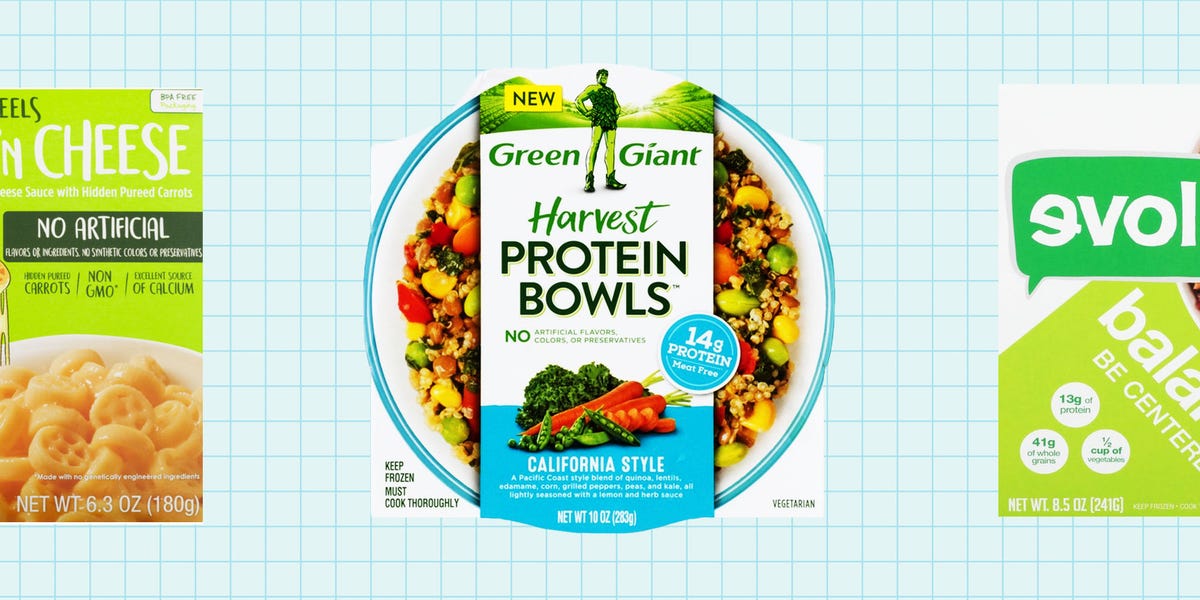
This bowl combined chicken, grains, and vegetables in a complete, convenient format. It was especially useful for shoppers who wanted the feel of a meal-prep grain bowl without cooking three pans on Sunday. With 13 grams of protein in the 2021 version, it offered decent staying power. It was not a low-carb choice, but it worked well as a balanced lunch for people who included whole grains.
-
Primal Kitchen Chicken Panang Curry
One of the stronger low-carb frozen meal options, this curry used riced cauliflower instead of a traditional rice base. The 2021 bowl supplied 16 grams of protein and avoided added sugar. Its coconut-rich sauce gave it more personality than the usual “chicken plus beige gravy” situation. Check saturated fat and sodium on the current package, but the basic formula remains appealing for paleo and carb-conscious shoppers.
-
Green Giant California Style Harvest Protein Bowl
This vegetable-and-whole-grain bowl delivered 14 grams of plant protein in its 2021 formulation and skipped artificial flavors, colors, and preservatives. It was a practical meatless lunch with more texture than a standard bag of steamed vegetables. Because grains contribute carbohydrates, it was better described as nutrient-dense than low carb. Add hot sauce or pumpkin seeds when your taste buds request a staff meeting.
-
Kashi Chimichurri Quinoa Bowl
Quinoa, lentils, vegetables, and chimichurri made this a fiber-forward vegan option. The 2021 bowl offered 10 grams of protein and 12 grams of fiber, a combination that could help with fullness. It was not designed for keto or very-low-carb diets, yet it represented a healthier kind of convenience food: plants first, solid fiber, and enough seasoning to avoid the sadness of plain microwaved quinoa.
-
Frontera Chicken & Chorizo Taco Bowl
This taco bowl leaned into bold flavor with chicken, chorizo, grains, and Mexican-inspired seasoning. It was protein-rich and more satisfying than many lightweight frozen entrées. Carb content depended largely on the grain blend, so strict low-carb eaters needed to read the label closely. A spoonful of plain Greek yogurt and a pile of shredded lettuce could stretch it into a larger, fresher-tasting meal.
-
Healthy Choice Simply Steamers Grilled Basil Chicken
At about 230 calories and 490 milligrams of sodium in the version highlighted in 2021, this chicken-and-pasta meal was a relatively light lunch. The steam-basket design helped vegetables avoid becoming total mush, always a noble achievement in microwave cuisine. It was not extremely low in carbohydrates because of the noodles, but it could fit a moderate plan. Add extra broccoli or green beans for volume.
-
Amy’s Margherita Thin-Crust Pizza
A third of the pizza provided roughly 270 calories, 10 grams of protein, and 2 grams of fiber in the 2021 listing. Organic ingredients and a thin crust made it a more measured pizza choice, not a carb-free miracle. Pairing a modest portion with a large salad created a better-balanced dinner. Eating the entire pie while standing over the sink, although efficient, changes the nutrition math considerably.
-
Daily Harvest Bowls, Soups, and Flatbreads
Daily Harvest earned attention for plant-centered frozen meals that required little more than reheating or blending. Nutrition varied widely by item: some bowls emphasized vegetables and legumes, while flatbreads and smoothies could contain substantially more carbohydrate. For low-carb shopping, the lesson was to evaluate each recipe individually rather than trusting the brand category. Plant-based is useful information, not a complete nutrition report.
-
Caulipower Veggie Stone-Fired Cauliflower Pizza
This gluten-free pizza offered a generous serving, colorful pepper toppings, and a cauliflower-based crust. It was an appealing option for people avoiding gluten, but “cauliflower” did not guarantee low carbohydrate because many crusts use rice flour, tapioca starch, or other binders. The best move was to compare total carbs with conventional thin-crust pizza and choose according to personal goals, not vegetable-themed branding.
-
Mikey’s Pepperoni Pizza Pockets
Mikey’s pizza pocket stood out as gluten-free, dairy-free, and soy-free, with 11 grams of protein in the product featured in 2021. It used uncured pepperoni and plant-based cheese to recreate familiar comfort food for shoppers with certain dietary restrictions. It was convenient, portable, and more substantial than many snack pockets. Carb-conscious buyers still needed the label, since allergy-friendly and low-carb are separate achievements.
-
Evol Cilantro Lime Chicken Burrito
This burrito was notable for containing about 310 milligrams of sodium in the 2021 version, relatively restrained for a category famous for salt. Cilantro, lime, chicken, rice, and beans created a flavorful portable meal. The tortilla and filling made it unsuitable for strict low-carb eating, but it could work for portion-controlled lunches. Add raw vegetables rather than chips if you want more crunch without a carbohydrate avalanche.
-
Sweet Earth Big Sur Breakfast Burrito
Smoky seitan and seasoned tofu replaced eggs and meat in this vegan breakfast burrito. The featured version supplied an impressive 24 grams of protein and 6 grams of fiber. Those numbers made it filling, although the tortilla and fillings meant it was not low carb. It was a strong choice for plant-based eaters who valued protein and convenience more than carbohydrate restriction.
-
Applegate Well Carved Mediterranean Style Meatballs
These meatballs blended organic turkey with lentils, feta, spinach, and other ingredients, giving the product more nutritional range than a plain meatball. They could anchor a lower-carb meal when paired with zucchini noodles, roasted vegetables, or a Greek-style salad. The lentils added some carbohydrates, but also fiber and texture. This was a good example of a freezer food functioning as a meal component rather than a complete dinner.
-
Teton Waters Ranch Sea Salt & Cracked Pepper Burger Blend
Made with grass-fed beef and mushrooms, this blended burger delivered 15 grams of protein and stayed below 300 milligrams of sodium in the 2021 listing. Served bunless with salad, avocado, or roasted vegetables, it became one of the clearest low-carb picks on the list. The mushrooms added moisture and helped reduce the amount of beef without turning dinner into a culinary compromise seminar.
-
Bell & Evans All Natural Chicken Burgers
Chicken, sea salt, and black pepper formed the short ingredient list for these simple patties. They were raised without antibiotics and contained no preservatives according to the 2021 product description. For a low-carb dinner, serve one in a lettuce wrap or over slaw with avocado. Because the patty is intentionally plain, seasoning and toppings do the heavy liftingwhich is convenient unless your spice cabinet contains only hope.
-
Aldi Earth Grown Veggie Burger
Aldi’s Earth Grown line offered affordable vegan and vegetarian freezer staples, including fiber-containing veggie burgers. Carb counts could vary by variety, especially when beans, grains, or breadcrumbs were involved. A patty over salad or tucked into a low-carb wrap could make a quick meal, but shoppers needed to compare protein and sodium. Some veggie burgers are vegetables; others are mostly starch wearing a green name tag.
-
MingsBings Original Veggie-Filled Bing
Created by chef Ming Tsai, these handheld bings wrapped vegetables in a brown-rice exterior. Two or three could make a meal while remaining below 500 milligrams of sodium based on the 2021 review. They were distinctive, crispable, and more exciting than another rectangular frozen entrée. Brown rice meant they were not low carb, although portion flexibility made carbohydrate planning easier.
-
Kidfresh Wagon Wheels Mac & Cheese
Kidfresh blended pureed carrots into its cheese sauce, adding vegetables without turning a child’s lunch neon orange. The ingredient list avoided artificial additions in the version highlighted in 2021. This was a family-friendly convenience pick rather than a low-carb meal. Parents could serve a smaller portion alongside peas, fruit, or chicken for a more complete plate while keeping the vegetable camouflage classified.
-
Veggies Made Great Double Chocolate Muffins
Zucchini and carrots appeared as the first two ingredients in these moist chocolate muffins. They were allergy-friendly and provided fiber, making them a more interesting frozen snack than a conventional pastry. Still, chocolate muffin and low-carb are not automatically roommates. Treat one as a breakfast side or snack, and pair it with eggs, cottage cheese, or Greek yogurt to add protein.
-
Kodiak Cakes Buttermilk & Vanilla Protein-Packed Waffles
These frozen waffles delivered 12 grams of protein per serving in the 2021 product and used whole grains. They were convenient for active mornings and more filling than many standard waffles. They were not low carb, but berries and a modest amount of nut butter made a more balanced topping strategy than syrup poured with the confidence of someone watering a lawn.
Practical Experience: What a Week of Frozen Meals Is Really Like
A realistic week built around frozen meals usually begins with optimism. The freezer looks organized, dinner appears solved, and the microwave suddenly seems like a trusted colleague. By day three, however, the differences between a genuinely satisfying frozen meal and an attractively photographed snack become obvious.
The first lesson is that calories alone do not predict satisfaction. A 220-calorie chicken bowl may look responsible, but it can leave an adult hungry an hour later. Adding two cups of steamed vegetables, a side salad, avocado, fruit, or plain Greek yogurt often turns a small entrée into a complete meal. This “frozen base plus fresh side” approach is more successful than expecting one plastic tray to provide perfect nutrition, ideal flavor, and emotional closure after a long Tuesday.
The second lesson is texture. Bowls with cauliflower rice, vegetables, or sauce benefit from careful heating and stirring. Pizza, burgers, waffles, bings, and pockets are usually much better from an oven, toaster oven, or air fryer than from a microwave. The microwave wins on speed; dry heat wins on crispness. Nobody has ever gazed lovingly at a rubbery microwave pizza edge.
Third, sodium adds up quickly. A frozen lunch may be reasonable by itself, but the day’s total climbs when breakfast includes processed meat, lunch includes a burrito, and dinner comes with bottled sauce. Balancing higher-sodium entrées with unsalted vegetables, fresh fruit, plain grains, or homemade sides helps. Drinking water does not erase sodium, although it may make you feel more virtuous while reading the label.
Fourth, strict low-carb shoppers need to ignore front-package shortcuts. Cauliflower pizza, veggie burgers, protein waffles, quinoa bowls, and vegetable muffins can all be nutritious in different ways, yet many still contain substantial carbohydrates. The most dependable lower-carb options in this collection are the cauliflower-rice curry, plain chicken burgers, beef-and-mushroom burgers, and meatballs served without pasta or bread.
Finally, variety matters. Rotating curry, taco bowls, burgers, pizza, vegetable patties, and breakfast foods prevents freezer fatigue. Keep a few flexible add-ons nearby: frozen broccoli, spinach, cauliflower rice, mixed berries, salad greens, eggs, Greek yogurt, salsa, and avocado. Those simple extras let one frozen product become several different meals.
One more practical trick is to keep a permanent “upgrade shelf” in the freezer door. Small bags of chopped herbs, shelled edamame, diced peppers, and cooked grilled chicken can improve weak entrées in minutes. This also reduces the temptation to dismiss a meal after one disappointing bite. Sometimes the product is not bad; it is simply under-seasoned, under-proteined, or desperately requesting a vegetable.
The overall experience is not “frozen meals versus real food.” Frozen food is real food. The useful question is whether a particular product helps build a balanced eating pattern. Used strategically, these meals can reduce takeout spending, prevent skipped lunches, and rescue busy evenings. Used without label reading or side dishes, they can become a parade of sodium, tiny portions, and mysterious sauce. The freezer is a tool, not a dietitian with an ice dispenser.
Final Verdict
The best healthy frozen meals of 2021 were not all low carb, and that is worth saying plainly. Several products earned their place through protein, fiber, vegetables, whole grains, simple ingredients, or useful portion control rather than carbohydrate restriction. For the strongest low-carb starting points, choose cauliflower-rice entrées, unbreaded chicken or beef patties, and meatballs paired with nonstarchy vegetables.
For everyone else, grain bowls, burritos, waffles, and pizza can still fit a healthy routine when portions make sense and the rest of the plate supplies vegetables, protein, or fiber. Read the current label, compare similar products, and remember that the healthiest frozen meal is the one that meets your needs, tastes good enough to finish, and prevents you from ordering an emergency bucket of something deep-fried.