Some desserts politely sit on the table. Hispanic desserts arrive with music, cinnamon, caramel, coconut, chocolate, and at least one relative saying, “Just have a little more.” Across Mexico, Puerto Rico, Cuba, the Dominican Republic, Central America, South America, Spain, and Hispanic communities in the United States, sweets are not just the final course. They are birthday candles, holiday memories, bakery-window temptation, coffee companions, and the reason nobody leaves a family party “too full” for flan.
This guide gathers 17 of the best Hispanic desserts, from creamy classics like flan and tres leches cake to crunchy favorites like churros and buñuelos. Some are everyday comfort foods. Others are celebration desserts that deserve their own applause track. Together, they show how Hispanic dessert traditions blend Indigenous ingredients, Spanish techniques, African influences, tropical fruits, dairy, spice, and an impressive commitment to making sugar behave beautifully.
What Makes Hispanic Desserts So Special?
Hispanic desserts are wonderfully diverse because Hispanic food culture is not one single cuisine. Mexican sweets may highlight cinnamon, piloncillo, corn, chocolate, cajeta, or pan dulce. Caribbean desserts often lean into coconut, rum-soaked cakes, guava, tropical fruit, and silky custards. South American treats may feature dulce de leche, meringue, puff pastry, sweet potato, purple corn, or delicate sandwich cookies. Spanish desserts bring custards, fried doughs, almonds, citrus, and festive pastries into the story.
The best part? Many Hispanic dessert ideas are beginner-friendly. You can bake a tres leches cake for a party, simmer arroz con leche on a slow Sunday, make no-fuss paletas for summer, or buy conchas from a local panadería and still feel like you made an excellent life choice. Let’s open the dessert cabinet and see what deserves a spot on your table.
17 Best Hispanic Desserts to Try
1. Tres Leches Cake
Tres leches cake is the soft, dreamy sponge cake that asks, “What if cake took a luxurious bath?” The name means “three milks,” usually referring to evaporated milk, sweetened condensed milk, and heavy cream or whole milk. After baking, the cake is poked and soaked until it becomes moist, rich, and almost custard-like without falling apart.
This dessert is popular across Latin America and especially beloved at birthdays, holidays, potlucks, and family gatherings. It is usually topped with whipped cream, cinnamon, fruit, or cherries. For a fun twist, try coconut tres leches, chocolate tres leches, or coffee tres leches. Just do not expect leftovers to survive long. Tres leches has a way of vanishing like it signed a magician’s contract.
2. Flan
Flan is one of the most iconic Hispanic desserts: smooth custard topped with glossy caramel sauce. It looks elegant enough for a restaurant, but its charm is old-school comfort. Eggs, milk, sugar, and vanilla turn into a silky custard that gently jiggles when sliced. That little wobble is not a flaw. It is flan waving hello.
Many countries have their own versions. Mexican flan often uses condensed milk for richness. Cuban flan may include evaporated milk and a deeply caramelized top. Puerto Rican flan can appear in coconut, cheese, pumpkin, or coffee versions. Serve it chilled, slice it cleanly, and spoon extra caramel over the top because restraint is admirable but caramel is persuasive.
3. Churros with Cinnamon Sugar
Churros are crispy ridged sticks of fried dough rolled in cinnamon sugar. They are simple in concept and dangerously effective in real life. The outside is crunchy, the inside is tender, and the whole thing begs to be dipped in chocolate sauce, dulce de leche, cajeta, or warm coffee.
Churros have roots in Spanish food traditions and are now popular throughout Mexico, Latin America, and Hispanic communities in the United States. In some places, they are long and simple; in others, they are filled with chocolate, vanilla cream, or caramel. For parties, serve bite-size churro pieces with multiple dips. It is basically a dessert board, but with more joy and fewer people pretending they came for the grapes.
4. Arroz con Leche
Arroz con leche is Hispanic rice pudding made with rice, milk, sugar, cinnamon, and sometimes raisins, citrus zest, or sweetened condensed milk. It is creamy, cozy, and humble in the best way. This is the dessert equivalent of a soft blanket.
Many families have a preferred texture. Some like it thick enough to stand a spoon in. Others prefer it looser and more pudding-like. It can be served warm or chilled, making it a dessert for both rainy nights and summer afternoons. Add a sprinkle of cinnamon on top, and suddenly a simple bowl of rice and milk becomes a memory machine.
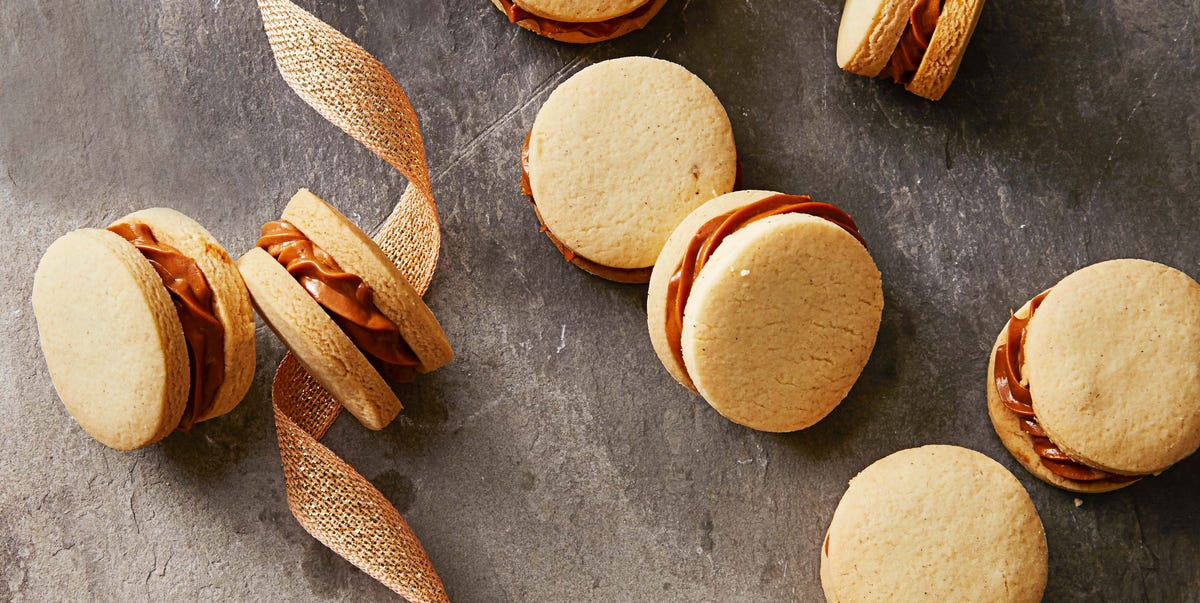
5. Alfajores
Alfajores are delicate sandwich cookies filled with dulce de leche. They are especially famous in Argentina, Peru, Uruguay, and other parts of South America, though variations exist across the Hispanic world. The cookies are often made with cornstarch, which gives them a soft, crumbly texture that practically melts as soon as you bite in.
Classic alfajores may be rolled in shredded coconut, dusted with powdered sugar, or coated in chocolate. They are excellent with coffee or tea and make beautiful edible gifts. They also teach an important lesson: two cookies are better than one when dulce de leche is acting as the glue.
6. Dulce de Leche
Dulce de leche is not always served alone, but it deserves its own spotlight. This thick, caramel-like milk confection is made by slowly heating sweetened milk until it becomes golden, rich, and spoonably smooth. It is used in cakes, cookies, crepes, ice cream, pastries, and anything else that needs a sweet personality upgrade.
In Argentina and Uruguay, dulce de leche is practically a national treasure. In Mexico, cajeta, often made from goat’s milk, offers a similar caramelized sweetness with its own distinct character. Spread it on toast, drizzle it over bananas, layer it into cakes, or fill churros with it. Your dessert will immediately start speaking fluent comfort.
7. Buñuelos
Buñuelos are fried dough treats enjoyed in many Hispanic cultures. Mexican buñuelos are often thin, crispy discs sprinkled with cinnamon sugar or drizzled with piloncillo syrup. In other regions, they may be rounder, puffier, or flavored differently.
They are especially popular around Christmas and New Year celebrations, though nobody is stopping you from eating them on a random Tuesday. Their crunch makes them addictive, and their cinnamon aroma turns the kitchen into a holiday postcard. Serve them stacked high and watch guests suddenly become very interested in “just one more.”
8. Conchas
Conchas are among the most recognizable Mexican pan dulce, or sweet breads. Their name means “shells,” thanks to the shell-like pattern on top. The bread is soft and lightly sweet, while the topping is crumbly, sugary, and often flavored with vanilla, chocolate, or strawberry.
Conchas are commonly enjoyed with coffee, hot chocolate, or milk. They are not overly rich, which makes them ideal for breakfast, dessert, or that mysterious snack hour when dinner is too far away and your willpower has left the building. A fresh concha from a panadería is one of life’s simple, flour-dusted pleasures.
9. Sopapillas
Sopapillas are pillowy pieces of fried dough often associated with New Mexican and Southwestern Hispanic cuisine. When fried, they puff up beautifully, creating a hollow center that can be filled or drizzled. Honey is the classic topping, though cinnamon sugar, chocolate, or fruit can join the party.
They are crisp on the outside, airy inside, and best eaten warm. Tear off a corner, pour in honey, and you have a dessert that feels rustic, festive, and slightly mischievous. Napkins are not optional. Sticky fingers are part of the contract.
10. Pastelitos de Guayaba
Pastelitos de guayaba are flaky guava pastries especially popular in Cuban and Caribbean Hispanic bakeries. They usually combine puff pastry with sweet guava paste, and many versions add cream cheese for a tangy contrast. The result is buttery, fruity, and almost impossible to eat without making pastry flakes appear on your shirt.
These pastries are wonderful for breakfast, brunch, dessert trays, or coffee breaks. Guava’s floral sweetness gives them a flavor that stands out from typical berry or apple pastries. Serve them warm and cut into smaller squares for parties. Then pretend you planned to share them all along.
11. Tembleque
Tembleque is a Puerto Rican coconut pudding made with coconut milk, sugar, cornstarch, and cinnamon. Its name comes from the Spanish word related to trembling, because the pudding gently shakes when unmolded. Basically, it is dessert with a built-in dance move.
The texture is smooth, light, and refreshing, making it perfect after a hearty meal. Tembleque is especially popular during the holidays, but coconut lovers should not wait for December. Garnish it with cinnamon, toasted coconut, or fresh fruit for a simple, elegant dessert that tastes tropical without being heavy.
12. Natilla
Natilla is a custard-style dessert found in Spain, Cuba, Colombia, and other Hispanic cultures, with variations depending on the region. Some versions are soft and spoonable like pudding. Others are firmer and sliceable, especially during Christmas celebrations in Colombia.
Common flavors include cinnamon, vanilla, panela, coconut, or citrus. Natilla is a great dessert for people who love flan but want something a little less formal. It is creamy, comforting, and easy to serve in cups. Add a cookie on the side and suddenly you have a dessert that looks like you tried very hard, even if the saucepan did most of the work.
13. Mexican Hot Chocolate
Mexican hot chocolate is technically a drink, but it absolutely belongs in a dessert conversation. Made with chocolate, cinnamon, sugar, and sometimes vanilla or chile, it is warm, fragrant, and deeply satisfying. Traditional versions may be frothed with a wooden molinillo, creating a beautiful foam on top.
Serve it with churros, conchas, or pan dulce for a cozy dessert experience. Compared with standard hot cocoa, Mexican hot chocolate often has a more complex flavor thanks to cinnamon and a slightly grainy chocolate texture. It is the kind of drink that makes cold weather feel like a personal invitation.
14. Paletas
Paletas are Mexican ice pops made with fresh fruit, cream, or a mix of both. Popular flavors include mango, strawberry, coconut, lime, tamarind, pineapple, watermelon, and strawberries with cream. Unlike many ordinary popsicles, paletas often include real chunks of fruit, giving them a fresh, homemade feel.
They are perfect for summer parties, backyard cookouts, or anytime your kitchen feels hotter than a salsa competition. For a creamy version, try coconut milk or sweetened condensed milk. For a tangy version, add lime and a pinch of chile powder to mango or pineapple. Paletas are proof that dessert on a stick is a major civilization achievement.
15. Capirotada
Capirotada is Mexican bread pudding traditionally associated with Lent and Holy Week. It is made with toasted or fried bread layered with piloncillo syrup, cinnamon, raisins, nuts, cheese, and sometimes fruit or sprinkles. The mix may sound surprising if you are new to it, but the sweet-salty balance is exactly what makes it special.
Like many heritage desserts, capirotada varies from family to family. Some versions are soft and pudding-like; others keep more texture. It is a dessert with history, symbolism, and strong opinions attached. Ask three people for the “right” recipe and you may accidentally start a family meeting.
16. Suspiro Limeño
Suspiro limeño, also called suspiro a la limeña, is a Peruvian dessert whose name translates roughly to “sigh of a woman from Lima.” Dramatic? Yes. Accurate? Also yes, because the dessert is rich enough to make people pause mid-sentence.
It typically features a creamy dulce de leche-like base made with milk and sugar, topped with a light meringue often flavored with port or cinnamon. The contrast between dense caramel cream and airy topping is the whole magic trick. Serve it in small cups because it is intensely sweet, and because tiny desserts make everyone feel fancy.
17. Pan de Polvo
Pan de polvo, sometimes known as Mexican wedding cookies or cinnamon-anise cookies, are tender, crumbly cookies rolled in cinnamon sugar. They are common at weddings, holidays, and celebrations, especially in Mexican American communities in Texas and the Southwest.
These cookies are delicate, buttery, and fragrant, often flavored with anise tea or cinnamon. They are the kind of cookie that collapses softly when bitten, leaving a sweet dusting behind. In other words, do not wear black unless you enjoy looking like you hugged a bakery shelf.
How to Build a Hispanic Dessert Table
If you are planning a party, the best Hispanic dessert table includes a mix of textures and temperatures. Pair something creamy, like flan or tembleque, with something crisp, like buñuelos or churros. Add something fruity, such as guava pastelitos or paletas, and something cake-like, such as tres leches. A pan dulce basket with conchas gives guests an easy grab-and-go option.
For drinks, serve café de olla, Mexican hot chocolate, horchata, or strong coffee. These beverages balance sweetness and make the dessert spread feel complete. You can also set out toppings and dips: cinnamon sugar, chocolate sauce, dulce de leche, toasted coconut, fresh berries, and whipped cream. Suddenly your table looks professionally styled, even if your secret design method was “put the delicious things near each other.”
Tips for Choosing the Right Dessert
For birthdays, tres leches cake is a reliable crowd-pleaser. For elegant dinners, flan, tembleque, or suspiro limeño look beautiful in individual servings. For holidays, buñuelos, capirotada, natilla, and pan de polvo bring tradition and warmth. For summer, paletas and fruit-forward desserts keep things refreshing. For brunch, conchas and pastelitos de guayaba are hard to beat.
If you are new to Hispanic desserts, start with arroz con leche or flan. Both use familiar ingredients and teach important dessert skills: gentle heat, patience, and the ability to not eat the topping before serving. If you want something fun for kids and adults, churros or paletas are excellent. If you want something that travels well, alfajores and pan de polvo make great gifts.
Experience Notes: What These Desserts Feel Like in Real Life
The joy of Hispanic desserts is not only in the recipes. It is in the setting. A concha tastes better when it comes from a panadería where the trays are stacked high and everyone has a favorite color of topping. Churros taste better when they are hot enough to make you do the careful little first-bite dance. Flan tastes better when someone flips it out of the mold and the caramel slides down like a golden curtain. Dessert is theater, and Hispanic sweets understand the assignment.
One of the best experiences with these desserts is how naturally they invite sharing. A tres leches cake is rarely made for one person. It is baked in a rectangular pan, chilled, topped, and carried to a table where someone will inevitably ask for “a small piece” and then return with a plate that suggests negotiations failed. Arroz con leche often comes from a pot big enough to feed a small neighborhood. Buñuelos are stacked like edible celebration discs. Alfajores arrive in boxes and disappear in pairs, because eating one sandwich cookie alone feels like leaving a sentence unfinished.
Texture is another part of the experience. Hispanic desserts are wonderfully playful: the cool wobble of flan, the soaked softness of tres leches, the sandy crumble of pan de polvo, the crisp edge of a churro, the chewy sweetness of guava paste, the creamy calm of tembleque. These contrasts make the desserts memorable. They are not just “sweet.” They are silky, crunchy, sticky, airy, crumbly, syrupy, and sometimes all of the above before your coffee gets cold.
There is also a beautiful connection between dessert and memory. Many people remember Hispanic sweets through family rituals: helping roll cookies in cinnamon sugar, waiting for rice pudding to cool, watching an older relative test caramel by color instead of timer, or being handed a paleta on a hot day. Even store-bought treats can become emotional landmarks. A box of alfajores, a bakery bag of pastelitos, or a paper-wrapped concha can carry the feeling of home, travel, celebration, or childhood.
For home cooks, these desserts are forgiving entry points into Hispanic food traditions. You do not need a professional kitchen to make arroz con leche, paletas, or pan de polvo. You need good ingredients, a little patience, and respect for the recipe’s personality. Some desserts require technique, especially flan caramel or fried churros, but the reward is huge. The first successful unmolded flan feels like winning a tiny culinary trophy. The first batch of homemade churros makes you wonder why you ever trusted plain cookies to carry the entire dessert category.
When serving these sweets, the best advice is to keep the mood generous. Hispanic desserts shine when placed in the center of the table, passed around, and enjoyed without too much fuss. Add coffee. Add conversation. Add one extra serving spoon because someone always misplaces the first one. Whether you are celebrating Hispanic Heritage Month, planning a family dinner, hosting a themed party, or simply craving something cinnamon-sweet and comforting, these desserts offer more than flavor. They offer warmth, history, and the very persuasive argument that life is better with caramel.
Conclusion
The best Hispanic desserts are rich with culture, comfort, and creativity. From tres leches cake and flan to churros, alfajores, paletas, and guava pastries, each sweet brings its own story to the table. Some recipes are creamy and elegant, while others are crunchy, fruity, festive, or cozy enough to make a rainy day feel planned. Together, these Hispanic dessert ideas prove that dessert can be simple, celebratory, nostalgic, and wildly delicious all at once.
Whether you want an easy treat for a weeknight, a showstopping cake for a party, or a traditional sweet for a holiday gathering, this list gives you plenty of flavorful places to start. Pick one dessert, make it well, and share it generously. That is the real secret ingredientthough cinnamon, caramel, and coconut are clearly doing some excellent backup dancing.
Note: This article was written for web publishing in original American English and synthesizes real culinary traditions, dessert styles, and common preparation details without source-reference markup.