Before streaming queues, spoiler-filled social media, and the dangerous temptation to watch an entire season before breakfast, television required patience. Viewers checked printed schedules, rushed home for favorite programs, and accepted that missing an episode might mean waiting months for a rerun.
The 1990s were especially memorable because television offered something for nearly everyone. Network sitcoms turned ordinary apartments and family kitchens into national gathering places. Teen dramas made hallway crushes feel like international emergencies. Cable channels developed stronger identities, animated shows became bolder, and series such as The Real World helped popularize a new style of unscripted television. By 1994, television sets were present in approximately 99% of American households, while cable networks were steadily challenging the dominance of the traditional broadcast networks.
Critical retrospectives regularly place Friends, Seinfeld, The X-Files, ER, Frasier, and Buffy the Vampire Slayer among the defining programs of the decade. Yet nostalgia is not decided by awards alone. Sometimes the show that matters most is the one you watched while eating cereal directly from the box.
Why ’90s Television Still Feels Special
The decade sat at a fascinating crossroads. Traditional multicamera sitcoms were thriving, but dramas were becoming more ambitious. Fox had established itself as a major network, while The WB and UPN arrived in the middle of the decade with programs aimed at younger and more diverse audiences. In 1995, the Television Academy formally recognized the emergence of those additional broadcast networks and the growing importance of new distribution formats.
Representation also expanded. Shows including Living Single, Martin, Moesha, The Fresh Prince of Bel-Air, and Sister, Sister presented successful Black characters, families, friendships, and professional lives in ways that influenced later television.
Then there were the theme songs. A few opening notes could summon everyone from another room faster than anyone yelling, “The pizza is here!” These 147 nostalgic ’90s TV shows capture that wonderfully mixed era of laugh tracks, supernatural mysteries, after-school cartoons, medical emergencies, teen angst, game-show slime, and hairstyles that required structural engineering.
Classic ’90s Sitcoms and Family Comedies
These comedies made apartments seem enormous, neighbors unusually intrusive, and family arguments solvable within approximately 22 minutes.
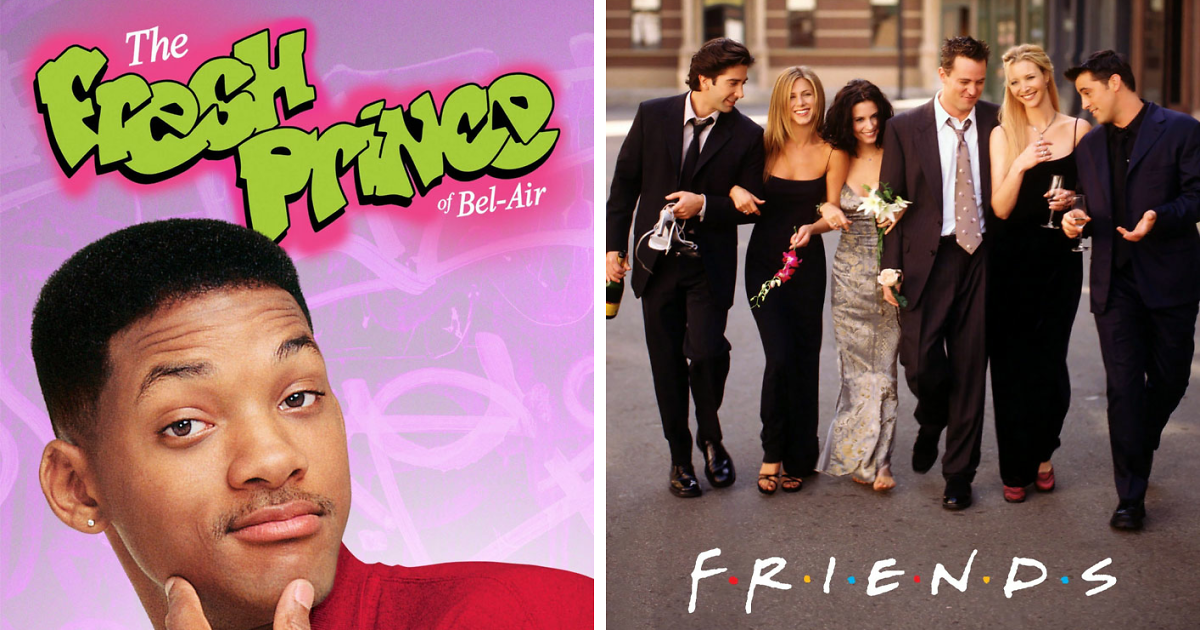
- Friends Six New Yorkers made coffee, dating, and rent confusion iconic.
- Seinfeld A proudly unconventional comedy about everyday irritation and questionable decisions.
- The Fresh Prince of Bel-Air Big laughs, memorable style, and surprisingly powerful family stories.
- Full House Three men, three girls, and approximately four million group hugs.
- Family Matters The Winslows offered warmth, while Steve Urkel supplied chaos.
- Home Improvement Power tools, family lessons, and Tim Taylor’s indestructible confidence.
- Frasier Sophisticated comedy powered by sibling rivalry and social embarrassment.
- Roseanne A candid, funny portrait of working-class family life.
- Married… with Children The aggressively dysfunctional Bundys rejected wholesome sitcom perfection.
- The Nanny Fran Fine brought fearless fashion and impeccable comic timing.
- 3rd Rock from the Sun Aliens discovered Earth was stranger than expected.
- Mad About You Marriage, Manhattan, and minor disagreements elevated to comic art.
- Everybody Loves Raymond Family boundaries disappeared somewhere across the street.
- The Drew Carey Show Office frustration met Cleveland pride and musical surprises.
- Murphy Brown A sharp newsroom comedy led by an unapologetic professional woman.
- Wings A tiny airport generated an impressive amount of romantic turbulence.
- NewsRadio Brilliant workplace comedy with eccentric employees and rapid-fire jokes.
- Just Shoot Me! Fashion publishing became a playground for vanity and sarcasm.
- Spin City Political damage control had rarely looked this entertaining.
- Dharma & Greg Opposites attracted, married quickly, and confused both families.
- Will & Grace Fast dialogue and unforgettable friendships reshaped network comedy.
- Living Single Six friends balanced careers, romance, and Brooklyn life.
- Martin Martin Lawrence transformed arguments and alter egos into comedy.
- The Jamie Foxx Show Music, ambition, romance, and hotel-based mischief.
- The Wayans Bros. Two brothers turned New York life into energetic slapstick.
- Sister, Sister Separated twins reunited and doubled the household trouble.
- Moesha A teenager navigated family, friendship, dating, and growing independence.
- The Steve Harvey Show An old-school musician became a reluctant high-school mentor.
- Hangin’ with Mr. Cooper Friendship and teaching collided in an easygoing family comedy.
- Step by Step A blended family required patience, humor, and extra bedrooms.
- Boy Meets World Cory Matthews grew from confused child to confused adult.
- Blossom Family changes and teenage life came with glorious hats.
- Grace Under Fire A determined mother rebuilt her life with blunt humor.
- Coach Football strategy proved easier than understanding family relationships.
- The Golden Girls Its early-’90s episodes and reruns made friendship timeless.
Teen Shows That Defined Hallway Drama
Beverly Hills, 90210 helped establish the modern teen drama, while later series explored adolescence with greater emotional honesty, supernatural complications, or brightly colored school lockers.
- Beverly Hills, 90210 The Peach Pit served gossip with a side of fries.
- Melrose Place Attractive neighbors made spectacularly unhealthy life choices.
- Saved by the Bell Bayside High turned school into neon-colored wish fulfillment.
- Dawson’s Creek Teenagers discussed relationships with graduate-seminar vocabulary.
- Party of Five Five siblings faced loss, responsibility, and complicated romances.
- My So-Called Life Adolescence felt awkward, intimate, and painfully authentic.
- Felicity One college decision launched years of romantic debate.
- Popular High-school cliques received a satirical, candy-colored makeover.
- Freaks and Geeks A short-lived classic about outsiders finding their people.
- California Dreams School friends formed a band and perfected beachwear.
- Sweet Valley High Twin sisters brought beloved young-adult novels to television.
- Clarissa Explains It All Clarissa addressed viewers and made individuality look effortless.
- Kenan & Kel One loved orange soda; both attracted magnificent disaster.
- The Secret World of Alex Mack Chemical powers complicated an otherwise ordinary adolescence.
- Sabrina the Teenage Witch Magic could not make high school less awkward.
- Clueless Cher Horowitz brought Beverly Hills vocabulary to weekly television.
- Parker Lewis Can’t Lose A stylish student treated school like a strategic operation.
- Daria Deadpan intelligence met suburban absurdity and aggressive school spirit.
- USA High An international boarding school delivered cheerful syndicated comedy.
- Hang Time Basketball, friendship, and teenage romance shared the court.
Prestige Dramas, Medical Hits, and Crime Favorites
The decade’s dramas became increasingly cinematic and morally complex. ER entered the 1995 Emmy race with 23 nominations, while NYPD Blue had earned 26 nominations the previous year. By the late 1990s, cable dramas such as Oz and The Sopranos were pointing television toward its next major creative era.
- ER Medicine moved at terrifying speed through a Chicago emergency room.
- Law & Order Police investigated; prosecutors argued; the familiar sound effect ruled.
- NYPD Blue Gritty cases were matched by deeply flawed detectives.
- Homicide: Life on the Street Baltimore investigators brought realism to the police procedural.
- The Practice Courtroom victories arrived with uncomfortable ethical questions.
- Ally McBeal Legal drama, romance, fantasy, and dancing babies somehow coexisted.
- Chicago Hope Brilliant physicians wrestled with medicine and ambition.
- Picket Fences Small-town America became wonderfully bizarre.
- Northern Exposure An Alaskan town offered philosophy, romance, and eccentric neighbors.
- Twin Peaks A murder mystery became surreal television history.
- The X-Files Mulder believed; Scully questioned; viewers checked the shadows.
- Millennium Psychological darkness met end-of-the-century anxiety.
- Profiler Criminal behavior became the key to difficult investigations.
- The Pretender A gifted fugitive adopted new identities while seeking answers.
- Walker, Texas Ranger Justice frequently arrived through a spinning kick.
- JAG Military law supplied courtroom tension and action.
- Nash Bridges San Francisco crime fighting came with effortless cool.
- Diagnosis: Murder A physician solved a statistically alarming number of murders.
- Murder, She Wrote Jessica Fletcher remained television’s most charming accidental detective.
- Matlock A plainspoken attorney dismantled cases with patient precision.
- Dr. Quinn, Medicine Woman Frontier medicine met courage and social change.
- Touched by an Angel Heavenly visitors delivered reassurance during human crises.
- 7th Heaven The Camden household confronted weekly family dilemmas.
- Providence A successful doctor returned home to rebuild her life.
- Judging Amy Family court decisions followed a judge beyond the courtroom.
- Once and Again Divorce and new love received unusually thoughtful treatment.
- The West Wing Rapid conversations made government service look exhilarating.
- The Sopranos A mob boss entered therapy and transformed television drama.
- Oz HBO’s prison drama was brutal, experimental, and uncompromising.
- The Commish A compassionate police commissioner solved problems without superhuman swagger.
Sci-Fi, Fantasy, Horror, and Action Adventures
The decade’s genre shows built passionate fan communities. Spaceships, parallel dimensions, superheroes, monsters, vampires, and unexplained government files offered an escape from ordinary lifeunless ordinary life already involved a Hellmouth.
- Star Trek: The Next Generation Its final seasons kept thoughtful science fiction thriving.
- Star Trek: Deep Space Nine Space-station politics produced complex, serialized storytelling.
- Star Trek: Voyager A stranded crew searched for a long road home.
- Babylon 5 Interstellar diplomacy unfolded through an ambitious continuing story.
- Sliders Every portal opened onto a different version of Earth.
- Quantum Leap Sam Beckett fixed history while hoping to return home.
- Hercules: The Legendary Journeys Mythology became a playful weekly adventure.
- Xena: Warrior Princess Redemption, action, humor, and subtext fueled a cult favorite.
- Buffy the Vampire Slayer High-school problems became literal monsters.
- Angel A vampire sought redemption beneath Los Angeles nightlife.
- Charmed Three sisters discovered that family included magical warfare.
- Lois & Clark: The New Adventures of Superman Romance shared the spotlight with superheroics.
- Highlander: The Series Immortal warriors settled ancient disagreements with swords.
- Stargate SG-1 Military teams explored planets through an ancient gateway.
- Farscape Strange aliens and emotional storytelling energized space opera.
- The Outer Limits Science-fiction tales arrived with unsettling moral questions.
- Tales from the Crypt Horror anthologies came wrapped in ghastly puns.
- Goosebumps Childhood fears escaped from R.L. Stine’s books.
- Are You Afraid of the Dark? Campfire stories made bedtime significantly more difficult.
- Mighty Morphin Power Rangers Teenagers, robots, monsters, and recycled explosions achieved harmony.
Animated Series and After-School Favorites
Animation in the 1990s could be wholesome, surreal, intelligent, gross, or all four before the first commercial break. Nickelodeon became a major center of youth culture with series such as Rugrats, Doug, Hey Arnold!, and Rocko’s Modern Life.
- The Simpsons Springfield became America’s funniest dysfunctional hometown.
- South Park Construction-paper children pushed animated satire toward new extremes.
- Beavis and Butt-Head Two teenage critics misunderstood nearly everything they watched.
- King of the Hill Quiet Texas comedy found humor in everyday character.
- Futurama The future contained robots, aliens, and surprisingly tender heartbreak.
- Family Guy The Griffins arrived in 1999 with cutaway-fueled chaos.
- Rugrats Babies transformed ordinary rooms into enormous adventures.
- Doug Journaling, daydreaming, and unrequited affection defined Bluffington life.
- Hey Arnold! City childhood received unusual warmth and emotional depth.
- Rocko’s Modern Life Adulthood looked surreal, stressful, and suspiciously familiar.
- The Ren & Stimpy Show Beautifully strange animation embraced glorious bad taste.
- Aaahh!!! Real Monsters Young monsters attended school beneath a city dump.
- CatDog Two opposite personalities occupied one impossible body.
- Rocket Power Extreme sports and friendship ruled the boardwalk.
- The Wild Thornberrys Eliza secretly communicated with animals around the world.
- SpongeBob SquarePants Bikini Bottom opened for business in 1999.
- Animaniacs Musical comedy and pop-culture satire escaped the water tower.
- Tiny Toon Adventures Young cartoon characters studied classic animated mayhem.
- Pinky and the Brain One genius mouse repeatedly failed to conquer Earth.
- Batman: The Animated Series Stylish animation gave Gotham extraordinary emotional weight.
- Superman: The Animated Series Metropolis received a confident, streamlined superhero adventure.
- X-Men: The Animated Series Mutant conflict introduced young viewers to serious social themes.
- Spider-Man: The Animated Series Peter Parker balanced supervillains with chronic personal inconvenience.
- Gargoyles Stone warriors awakened for sophisticated nighttime adventures.
- Recess Playground society had laws, legends, and a ruling class.
- Darkwing Duck A theatrical crime fighter became terror that flapped.
- TaleSpin Familiar Disney characters entered a high-flying adventure world.
- Goof Troop Goofy attempted suburban parenting with predictable complications.
- Arthur School, family, and friendship lessons never felt overly preachy.
- Pokémon Catching them all became an international childhood assignment.
Reality TV, Sketch Comedy, Talk Shows, and Game Shows
MTV’s The Real World and Road Rules demonstrated the appeal of watching unscripted personalities form alliances, argue, travel, and share living spaces. Elsewhere, sketch programs, talk shows, home videos, and children’s competitions created television moments that felt unpredictable even when the format was familiar.
- The Real World Strangers shared a home while cameras captured every disagreement.
- Road Rules Young travelers completed missions without comfortable personal space.
- Singled Out Dating became a loud, fast, unmistakably MTV spectacle.
- Total Request Live Music-video rankings turned Times Square into teenage headquarters.
- America’s Funniest Home Videos Camcorders documented humanity’s unreliable relationship with gravity.
- Cops Reality television followed officers into unpredictable situations.
- Unsolved Mysteries Robert Stack’s voice made every shadow suspicious.
- In Living Color Fearless sketch comedy launched major performers and characters.
- All That Nickelodeon delivered sketch comedy specifically for young viewers.
- Saturday Night Live A new generation created endlessly quoted ’90s characters.
- The Jerry Springer Show Daytime conflict became loud, chaotic spectacle.
- Legends of the Hidden Temple Children confronted trivia, temple guards, and devastating disappointment.
The ’90s TV Experience: More Than the Shows Themselves
For many viewers, nostalgia for ’90s television is inseparable from the way the programs were watched. A favorite show did not simply appear whenever someone felt ready. It had a scheduled time, and the schedule had authority. Thursday at 8:00 meant Thursday at 8:00. Being late could cost you the opening scene, and there was no convenient button for returning to the beginning. Families learned punctuality from television long before calendar apps began sending reminders.
The television set was often a shared household object rather than a private screen. That meant negotiation. One person wanted a sitcom, another wanted wrestling, and someone else was prepared to defend a cartoon marathon as though presenting a case before the Supreme Court. Households with only one television developed elaborate systems involving seniority, compromise, bribery, and strategic control of the remote. Losing the remote was serious. Finding it beneath a couch cushion felt like recovering a sacred artifact.
Commercial breaks were part of the rhythm. Viewers raced to the kitchen, argued about what had just happened, or attempted an extremely ambitious bathroom visit before the show returned. Toy commercials, cereal mascots, movie trailers, telephone hotlines, and music compilations became part of the same memory as the programs. Even viewers who cannot remember an entire episode may still recall a jingle with alarming accuracy.
Recording a show required a blank VHS tape, a functioning VCR, and enough technical confidence to avoid accidentally replacing a family birthday video. Some tapes carried handwritten labels such as “DO NOT ERASE,” which virtually guaranteed that someone would erase them. Collections of recorded episodes often included commercials, weather alerts, and the final five minutes of whatever aired beforehand. They were imperfect archives, but they felt valuable because assembling them took effort.
Watching television was also social. The morning after a major episode, school hallways and workplaces became informal discussion forums. People debated relationships on Friends, clues from The X-Files, medical emergencies on ER, or whatever outrageous confrontation had occurred on a talk show. Missing the broadcast did not merely mean missing entertainment; it meant entering the next day unprepared for the conversation.
Children experienced their own rituals. Saturday mornings involved blankets, sugary cereal, animated heroes, and the confident belief that noon was impossibly far away. After-school programming created a transition between classroom rules and evening homework. Nickelodeon, Cartoon Network, Fox Kids, PBS, Disney programming blocks, and local syndication offered different miniature worlds. Viewers rarely described this as “content.” It was simply what came on next.
Even the physical television added atmosphere. The bulky CRT screen glowed in a dim room, the picture occasionally needed adjustment, and changing channels produced a tiny burst of static. Cable guides scrolled slowly, forcing viewers to wait when they missed their channel. Theme songs were rarely skipped because skipping was not an optionand that repetition helped make them unforgettable.
Streaming has made television easier to access, but ease changes the emotional texture of watching. Modern viewers can pause, rewind, search, skip, and binge. In the ’90s, anticipation did much of the work. A cliffhanger could occupy an entire week. A season finale could dominate a summer. Reruns were not annoyances when they offered another opportunity to see an episode that had previously vanished into the broadcast schedule.
That is why the most nostalgic ’90s TV shows remain powerful. They recall not only characters and stories but also bedrooms, living rooms, siblings, snacks, school nights, family routines, and a period when millions of people often watched the same program at nearly the same moment. The picture may have been lower in resolution, but the memories arrived in remarkably high definition.
Conclusion
The best ’90s TV shows were not confined to a single genre. The decade gave audiences sophisticated comedies, sincere family stories, influential Black sitcoms, unsettling mysteries, ambitious dramas, fearless cartoons, addictive teen soaps, and the early foundations of modern reality television. Some programs remain celebrated masterpieces. Others are beloved because they arrived at exactly the right moment in a viewer’s life.
Revisiting them can reveal dated fashions, obsolete technology, uneven effects, and jokes that belong firmly to their era. It can also reveal inventive writing, unforgettable performances, and an enthusiasm that still feels refreshing. Whether your ideal return trip leads to Central Perk, Bayside High, Springfield, the Peach Pit, the Double R Diner, or a suspiciously dangerous hidden temple, ’90s television offers plenty of reasons to pick up the remote again.
Note: This retrospective includes programs that premiered during the 1990s as well as a small number of earlier series whose original episodes, syndication, or cultural popularity remained strongly associated with early-’90s American television.